Das weltweite Magazin und der Marktplatz für Oldtimer-Enthusiasten – von Enthusiasten.
Das weltweite Magazin und der Marktplatz für Oldtimer-Enthusiasten – von Enthusiasten.


Filter
Auswahl treffen
- Autos
-
Marke >>
-
Baujahr >>
-
-
Kategorie >>
-
Länder >>
- Motorräder
- Teile
-
Automarke >>
-
Hersteller >>
-
Kategorie >>
- Fahrräder
-
Baujahr >>
-
Länder



Wooden wonder: rare Puch Alpenwagen sees the daylight
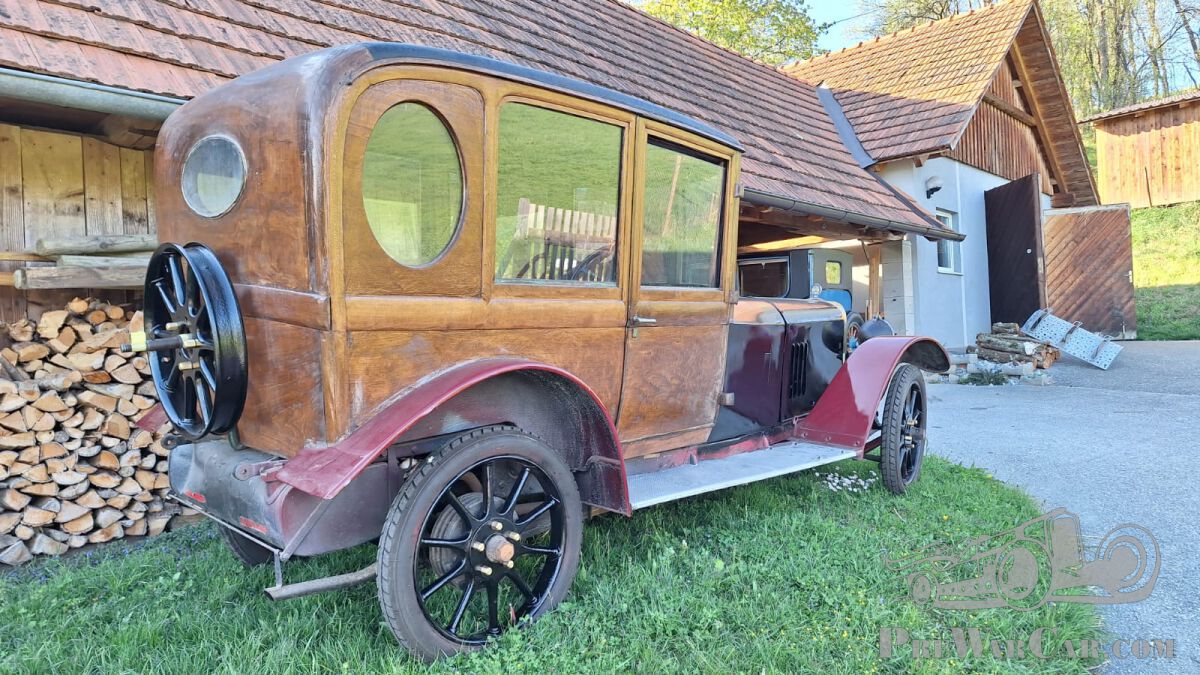
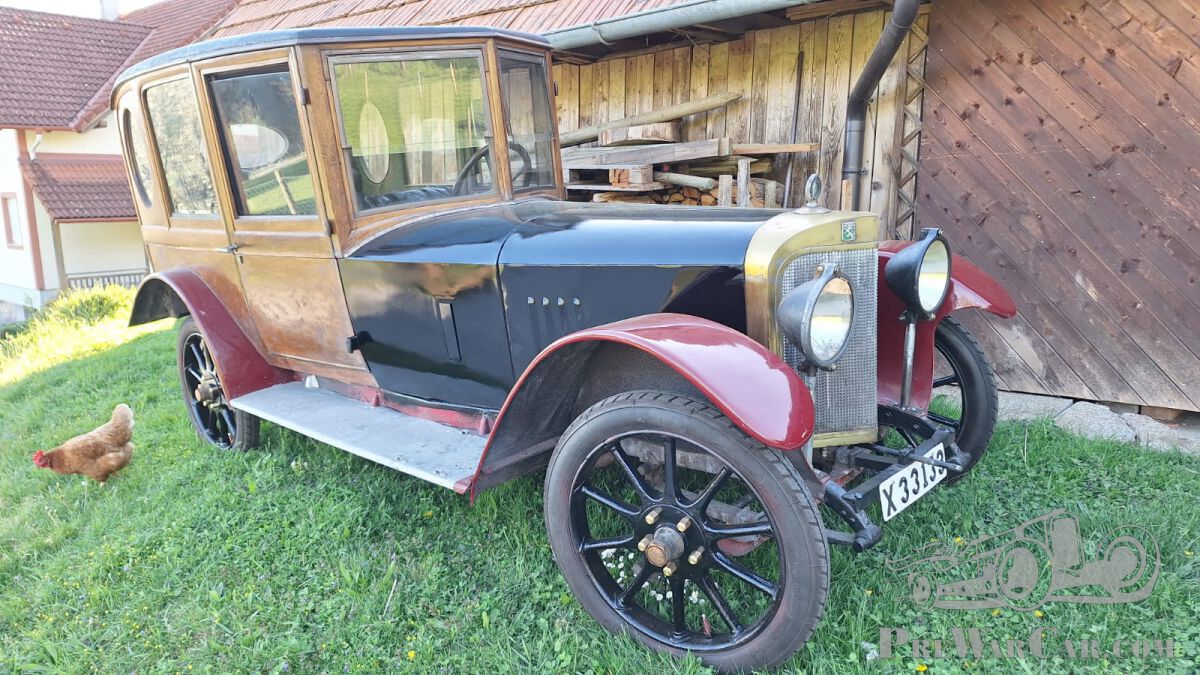

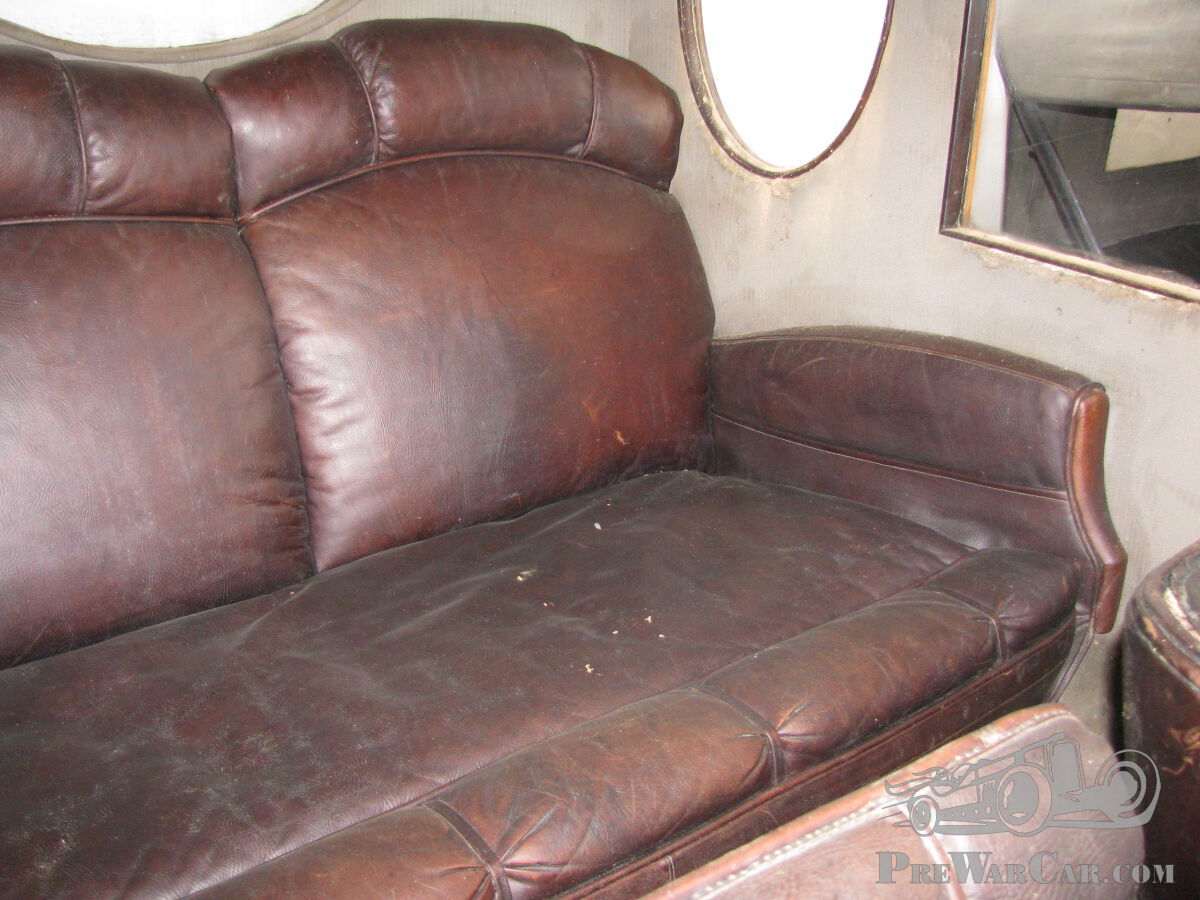
The upholstery is in an exceptional state of preservation
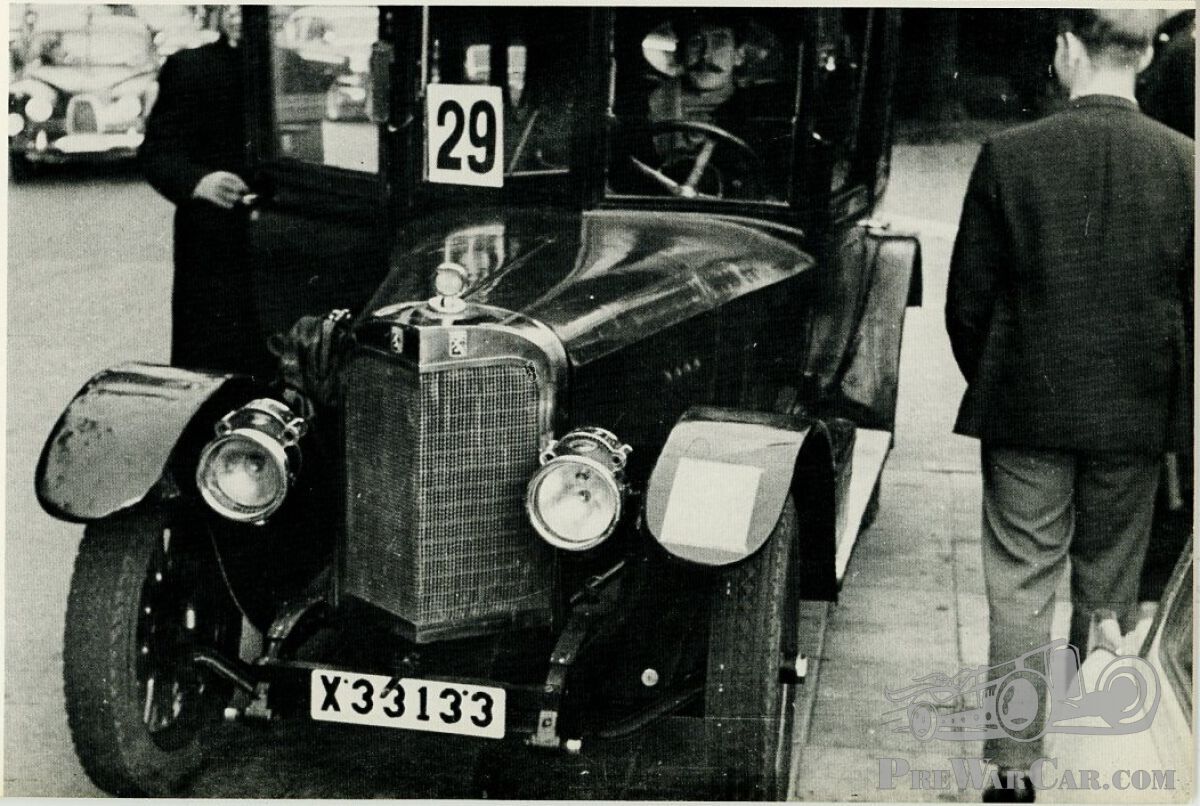
This photograph was published in Autohistorica in 1977
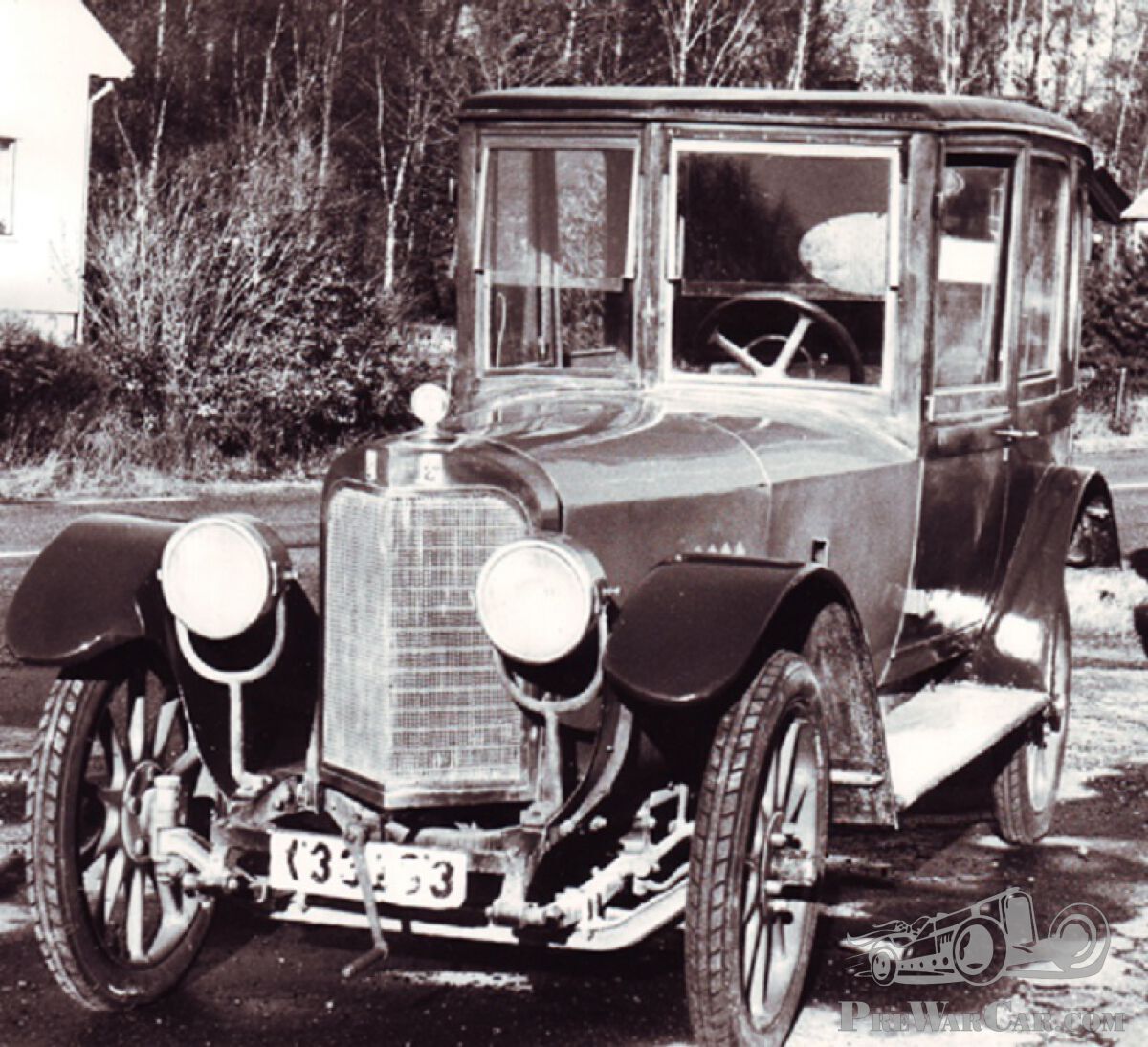
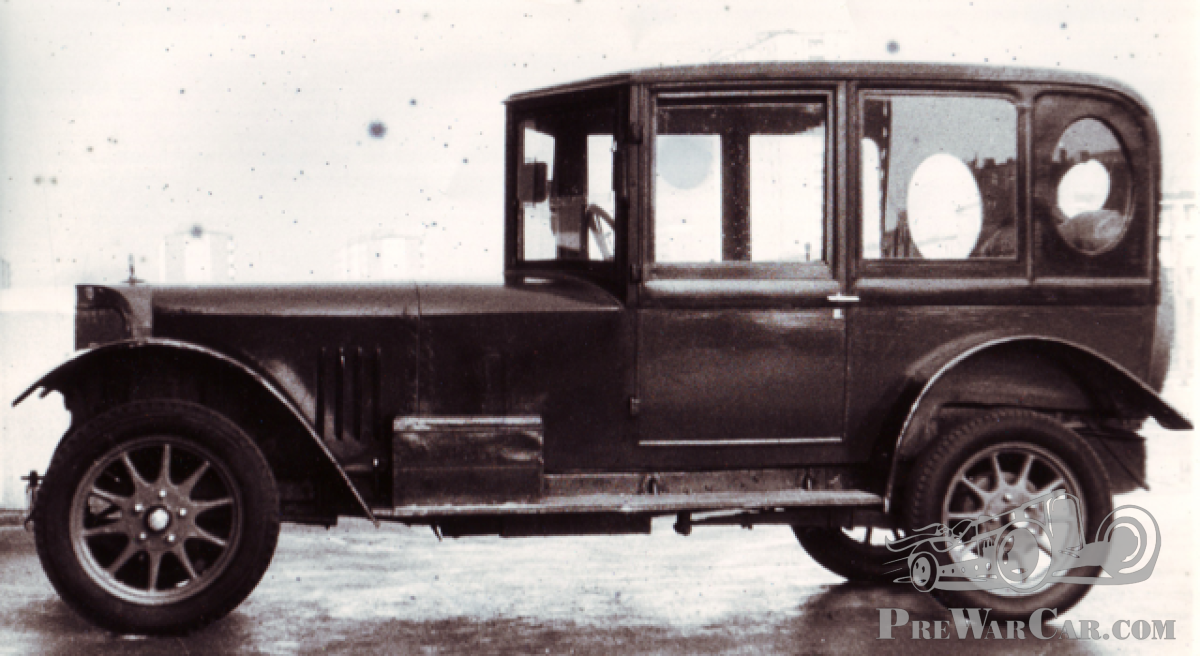
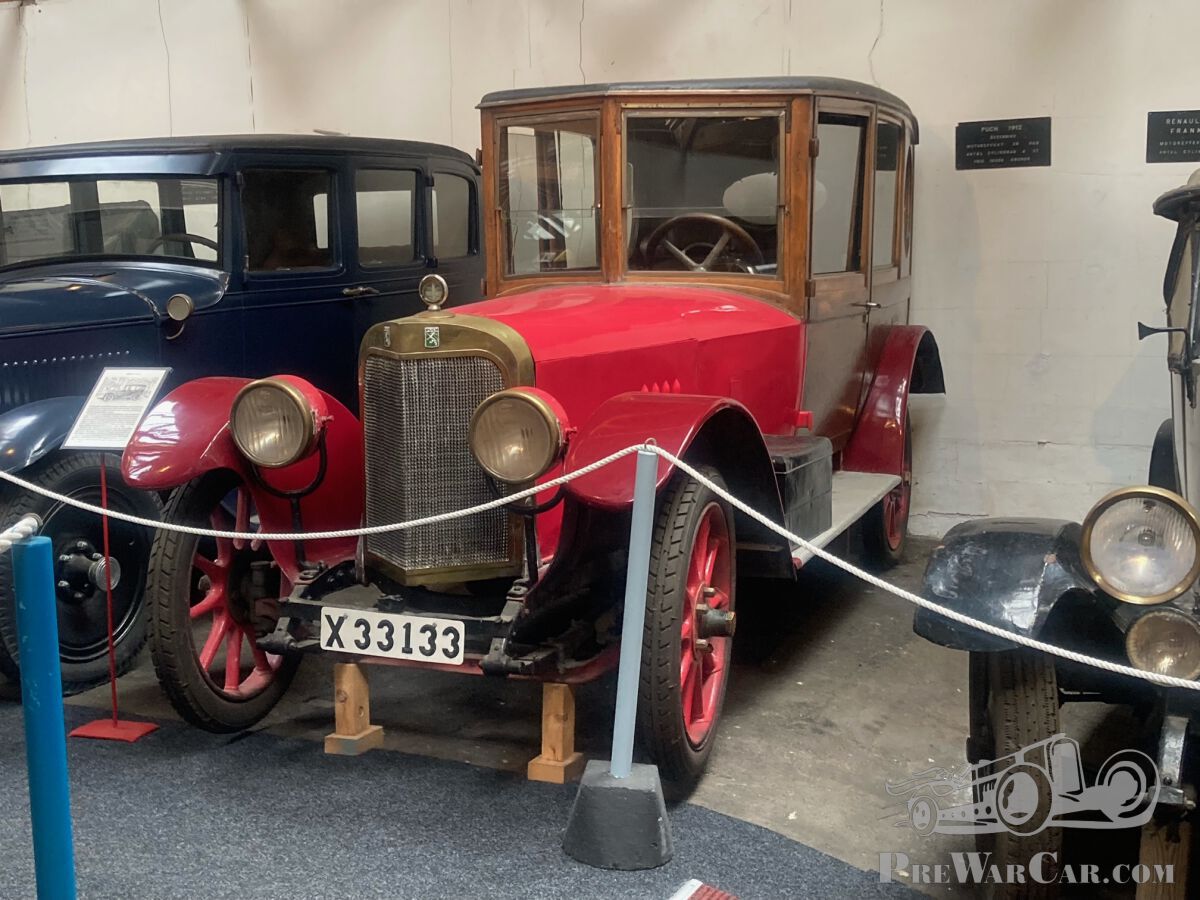
The car in more recent years in the museum; the bonnet has since been repainted

Swedish architect Paul Boberg at the wheel of his Type XII Sportphaeton


It isn't often that one encounters an Austrian-made motor car, although it made some wonderful products in the pre-war years. There was Austro-Daimler, which made supercharged sports cars, one of which was raced so successfully by Hans Stuck. A large, powerful Gräf & Stift phaeton achieved notoriety as the car in which Archduke Ferdinand was assasinated, and then there were Steyr and Puch, which both later merged with Austro-Daimler and ended up producing rugged military transport.
If, by any chance, one does encounter a Puch today, it will probably just be one of the licensed copies of the Fiat 500 which was produced from 1957 to 1975, but there was a time when it produced its own cars of outstanding quality and sometimes rather unusual design. The beautiful vehicle in our lead photograph, with the austere majesty of its high-sided wooden body and its ever so Germanic Mercédès-style radiator, is an early 1920s Puch Alpenwagen Type XII which was recently acquired by one of our readers in an excellent state of preservation.
As a car-maker, Puch had its beginnings in 1901, when Johann Puch (June 27th, 1862-July 19th, 1914) constructed an experimental machine. Prior to that, he was well-known as a bicycle-maker, having got started in 1889 after visiting a trade fair in Leipzig and agreeing a contract with Humber & Co. of England. From his workshop, he distributed Styria safety bicycles (using the Latin and English name for the Austrian state in which they were produced, which in German is known as Steiermark) and by 1891 was employing 34 people and selling bicycles all over Austria-Hungary, as well as in Britain and France. Styrias proved very capable in long-distance racing, with one of them notably winning the 1896 Paris-Roublaix with Josef Fischer on the saddle. By that point, the company had expanded to employ 300 workers and was selling roughly 6,000 bikes a year. In 1899, Puch established Johann Puch Erste Steiermärkische Fahrrad-Fabriks-Aktiengesellschaft (First Styrian Bicycle Stock Company) in Graz, the capital of Styria.
After Puch's first experimental car, a second was completed in 1903, but nothing was put into production until 1906, when a vee-twin voiturette of 8/9PS and 904cc was marketed. A 9/10PS twin-cylinder model joined it in 1908, and then four-cylinders were adopted, including the 16/40 PS and 27/60 PS of 1912/13, which used Daimler-Knight sleeve-valve engines. The Alpenwagen Type VIII, the wonderful name of which conjures up visions of a speed-crazed baron driving furiously through night and heavy snowfall, was introduced in 1913 with a 3,568 c.c., 14/38 PS engine, and remained in production until 1923. Because of the size and robustness of its chassis, the Alpenwagen was sold not only as a car but also as a truck or ambulance chassis, and after the Kaiser War many were built as fire engines. In total, around 1,850 Type VIIIs were produced.
"Perfect for doctors, lawyers, engineers, merchants and women..."
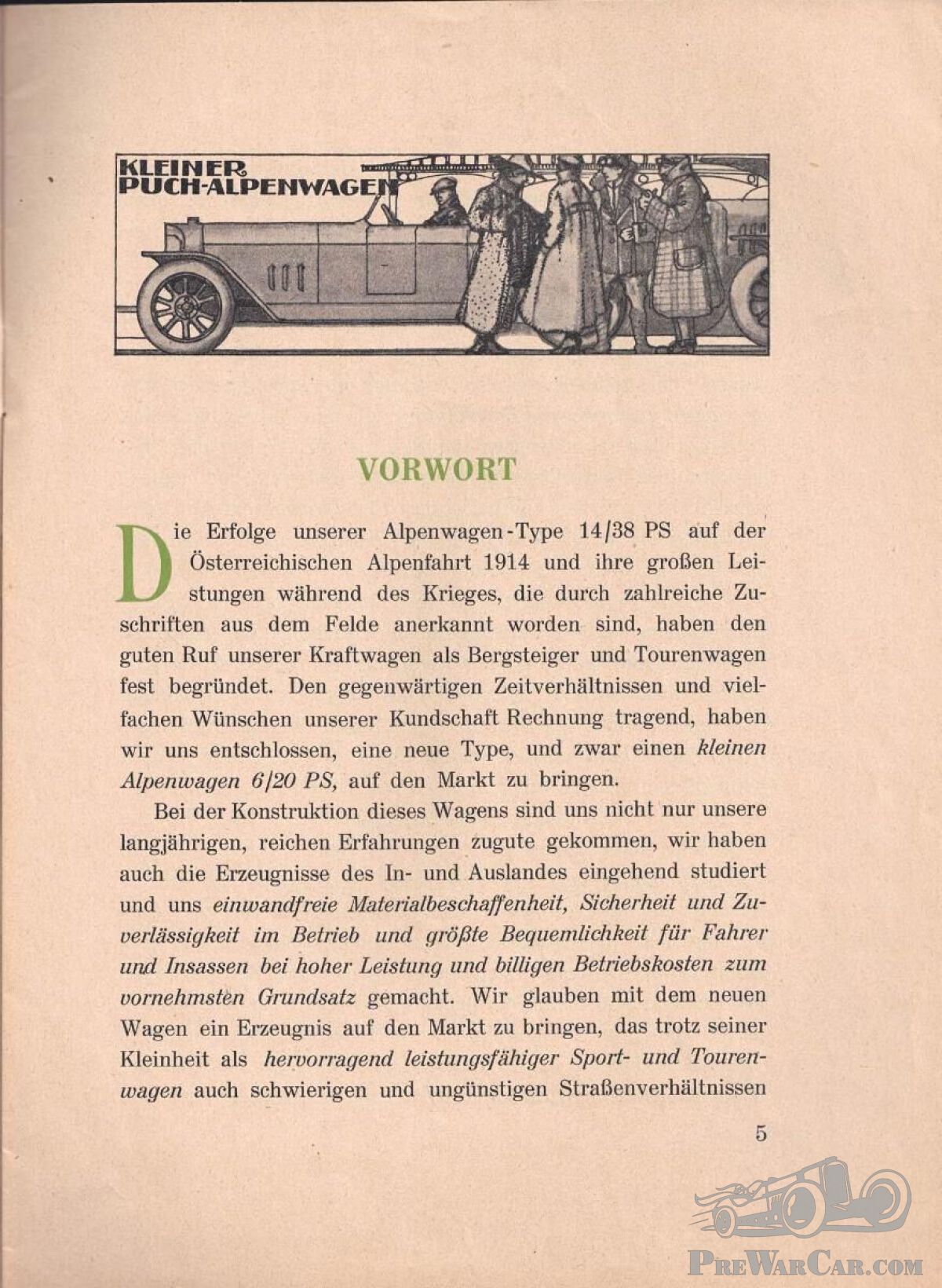
There was a second Alpenwagen, the Type XII 6/20 PS, which was a smaller but more sophisticated overhead-cam machine of 1,560 c.c. and four-speed gearbox. Puch announced its arrival in a prosy but entertaining leaflet which read: "The success of our Alpenwagen Type 14/38 PS on the Austrian Alpine Tour in 1914 and their great achievements during the war, which were acknowledged by numerous letters from the field, have firmly established the good reputation of our cars as mountain climbers and touring cars. In response to the current circumstances and the many wishes of our customers, we have brought a new type, a small Alpenwagen 6/20 PS, onto the market... With its great performance, the car can overcome any gradient of up to 25% with four people loaded; as a result, it can even easily negotiate difficult Alpine passes such as Turracher Höhe, Katschberg, Loiblpass, Niederalpl, etc... Our 6/20 PS [is] the ideal vehicle for men who want to drive without a driver, as the car can be easily controlled and operated without any special technical knowledge. It is therefore also suitable for women drivers in every respect, especially since the starting device can be operated from the seat."
Puch had very specific notions of to whom the Type XII was likely to appeal: "The first-class construction of our small car goes hand in hand with its beautiful, racy appearance. It is sleek and comfortable, all distracting and unnecessary accessories have been avoided, and not only experienced coachbuilders but also well-known Viennese artists were consulted for the construction and execution, whose artistic experience and fine sense of colour we owe important suggestions and improvements to the shape and interior of our car. We can therefore say that with our small Alpenwagen 6/20 PS we are bringing a vehicle onto the market whose construction and body meet the most demanding demands for elegance and comfort, both technically and artistically.
"Our sports phaeton is the most practical and recommendable vehicle, as it can be driven as an open car in the summer and fitted with a closed body in the winter. It is the best and cheapest vehicle for self-driving doctors, lawyers, engineers, merchants and similar professions, as well as for women who want to have a vehicle available in summer and winter that is equally suitable for all business trips and other errands in the city and in the country."
Preserved in a Swedish museum
The new model was well-suited to the wealthy sporting motorist and was offered with two-seater, four-seat phaeton, four-seat limousine and four-seat landaulet bodies, and Puch reckoned that for economy it was unmatched by cars of the same size, claiming fuel consumption of 20-24 miles per gallon and oil consumption of 295 miles per gallon "on good, level roads," but only around 300 were produced. Car production ceased altogether in 1925, and Puch concentrated then on its motorcycles, which it had been producing very successfully for more than 20 years, but the merger with Austro-Daimler took place in 1928, with Steyr joining the fold six years later.
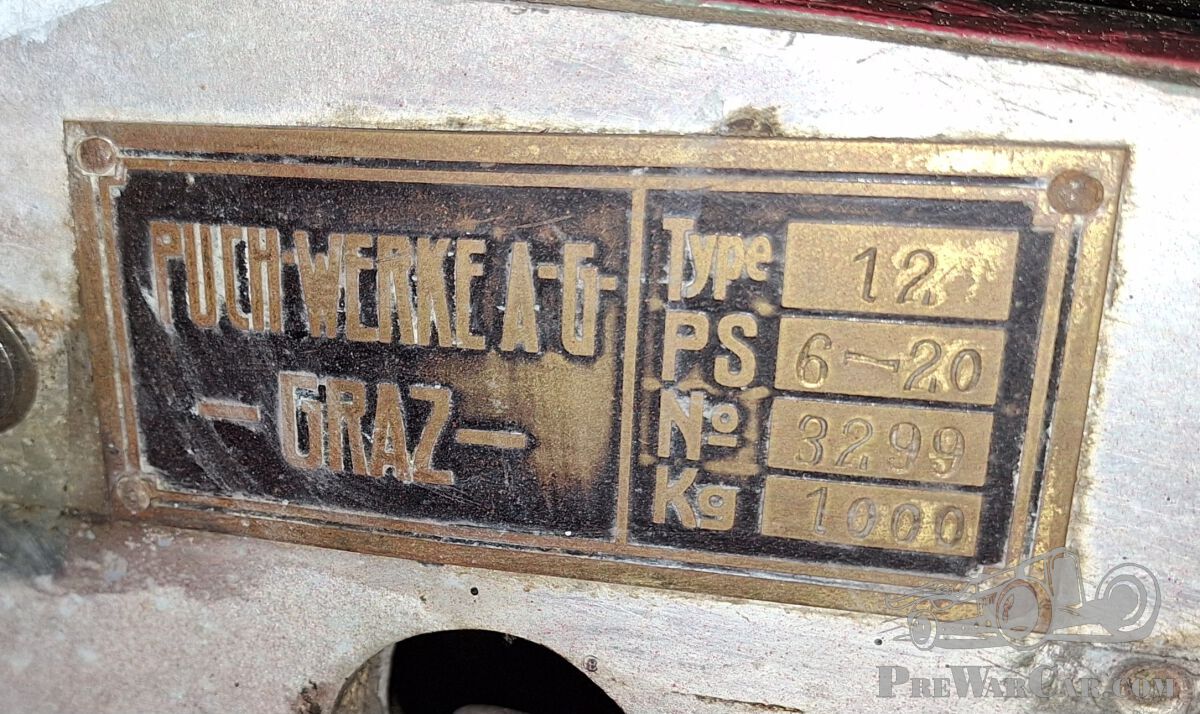
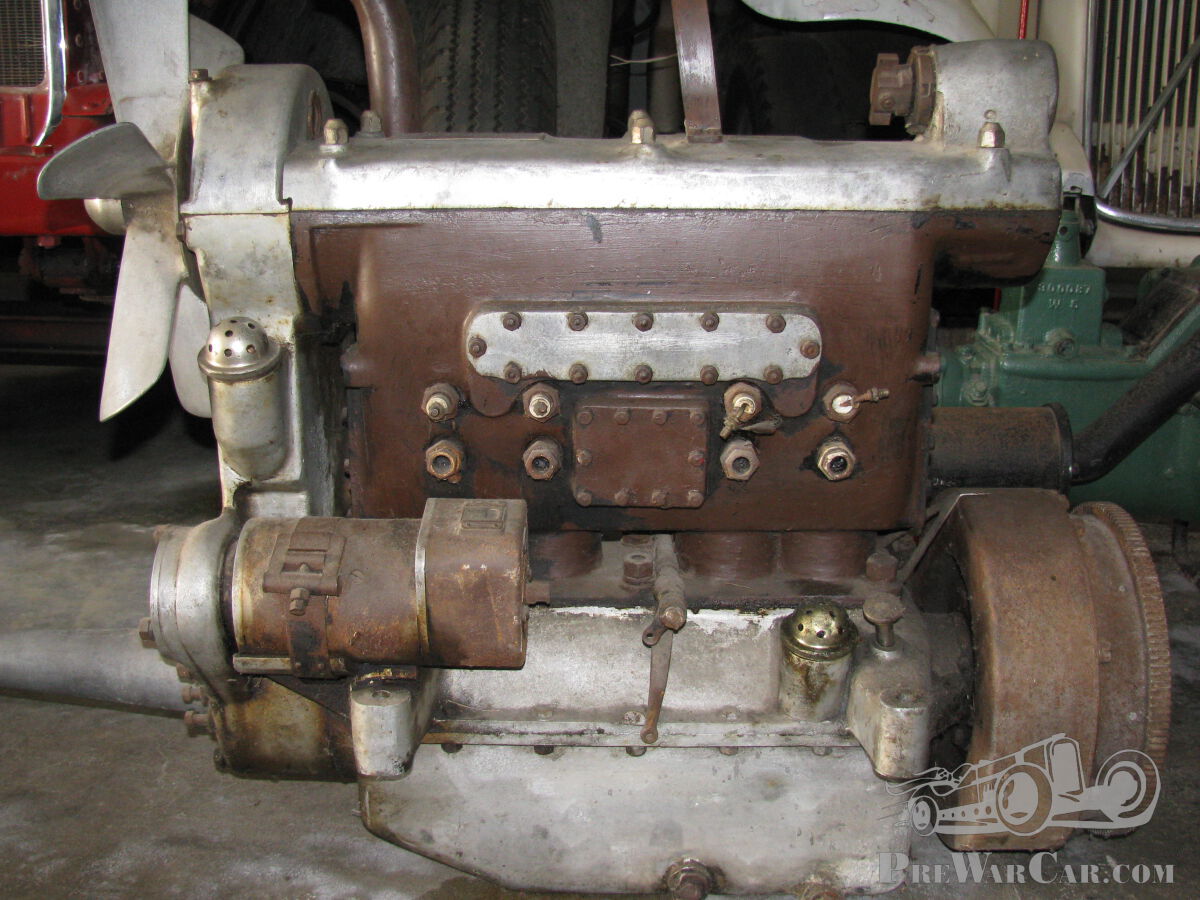
It is regrettable that so little is known about this extraordinarily original survivor, which carries chassis number 3299 and engine number 13557. Even the year of manufacture is unknown, as its Swedish registration certificate erroneously records it as a 1912 car. In 1955, it received the registration number X33133 in Gävle, Sweden, but it is thought that it was in the Svedinos Automobile and Aviation Museum in Ugglarp from 1965 to 2023, when the present owner acquired it.
We are sorry we can't tell you more about this fascinating machine, but we did think it was worth drawing attention both to its wonderful design and construction, and also its superb state of preservation. Of course, if anyone can tell us more about the model or even this very car, we'd encourage you to leave a comment.
Words: Zack Stiling
Publiziert:
Dienstag August 20th, 2024
Facebook
LinkedIn
Twitter
WhatsApp
Email
Copy
Kommentare
Laurent Zoller
21 August 2024, 17:41
Editor
21 August 2024, 18:54
That isn't quite correct. The new owner was kind enough to supply us with all the information and photographs used in the article.
Weiter lesen
Anthony Green
21 August 2024, 14:01
Short follow-up on my earlier post:
The registration of the car in Gävle (about 98 miles north of Stockholm) in 1955 could have been made either after importing the car (from Austria?) or because the owner, Per-Åke Larsson, had permanently moved from another county within Sweden. In the old Swedish registration system, motor vehicles changed registration numbers if the owner changed county, similar to the previous French département system. The prefix "X" of this car’s registration number corresponds to Gävleborg county. It still doesn’t explain 1912 instead of 1919 or 1920 unless a handwritten 1919 was mistaken for 1912 at some stage (not impossible) in which case the above Puch Type XII 6/20 PS would have been manufactured in 1919.
Weiter lesen
The registration of the car in Gävle (about 98 miles north of Stockholm) in 1955 could have been made either after importing the car (from Austria?) or because the owner, Per-Åke Larsson, had permanently moved from another county within Sweden. In the old Swedish registration system, motor vehicles changed registration numbers if the owner changed county, similar to the previous French département system. The prefix "X" of this car’s registration number corresponds to Gävleborg county. It still doesn’t explain 1912 instead of 1919 or 1920 unless a handwritten 1919 was mistaken for 1912 at some stage (not impossible) in which case the above Puch Type XII 6/20 PS would have been manufactured in 1919.
Laurent Zoller
21 August 2024, 17:47
I completely agree with you on the explanation of the date 1912 (instead of 1919).
----------------------
Je suis entièrement d'accord avec vous sur l'explication de la date 1912 (au lieu de 1919).
Weiter lesen
----------------------
Je suis entièrement d'accord avec vous sur l'explication de la date 1912 (au lieu de 1919).
Anthony Green
21 August 2024, 11:10
To fill in a couple of gaps, but not all, and to confirm other aspects:
The Swedish Historic Automobile Club (Automobilhistoriska Klubben) published a piece on its website in February, 2024, about the Puch Alpenwagen, where one can read that this particular Puch Type XII 6/20 PS with the old Swedish series registration X33133 is now in Austria after spending many years at Svedino’s Automobile and Aviation Museum in Ugglarp, not far from Falkenberg on the Swedish west coast. The museum was established by Lennart Svedfelt (1924-1993), a magician and illusionist with the artist name Svedino, as part of his tremendous enthusiasm for automobiles and aeroplanes.
He bought this particular Puch Type XII 6/20 PS in 1956 from a Per-Åke Larsson, who had registered the car in 1955 in Gävle. How and why it was registered as being manufactured in 1912 is not explained. According to the Swedish Historic Automobile Club, there were about 25 to 30 Puch cars registered in Sweden in the beginning of the 1920s, and about half of them were the Type XII 6/29 PS, and the other half mostly the Type VIII 14/38 PS.
Weiter lesen
The Swedish Historic Automobile Club (Automobilhistoriska Klubben) published a piece on its website in February, 2024, about the Puch Alpenwagen, where one can read that this particular Puch Type XII 6/20 PS with the old Swedish series registration X33133 is now in Austria after spending many years at Svedino’s Automobile and Aviation Museum in Ugglarp, not far from Falkenberg on the Swedish west coast. The museum was established by Lennart Svedfelt (1924-1993), a magician and illusionist with the artist name Svedino, as part of his tremendous enthusiasm for automobiles and aeroplanes.
He bought this particular Puch Type XII 6/20 PS in 1956 from a Per-Åke Larsson, who had registered the car in 1955 in Gävle. How and why it was registered as being manufactured in 1912 is not explained. According to the Swedish Historic Automobile Club, there were about 25 to 30 Puch cars registered in Sweden in the beginning of the 1920s, and about half of them were the Type XII 6/29 PS, and the other half mostly the Type VIII 14/38 PS.


Laurent Zoller
20 August 2024, 17:21
Hello.
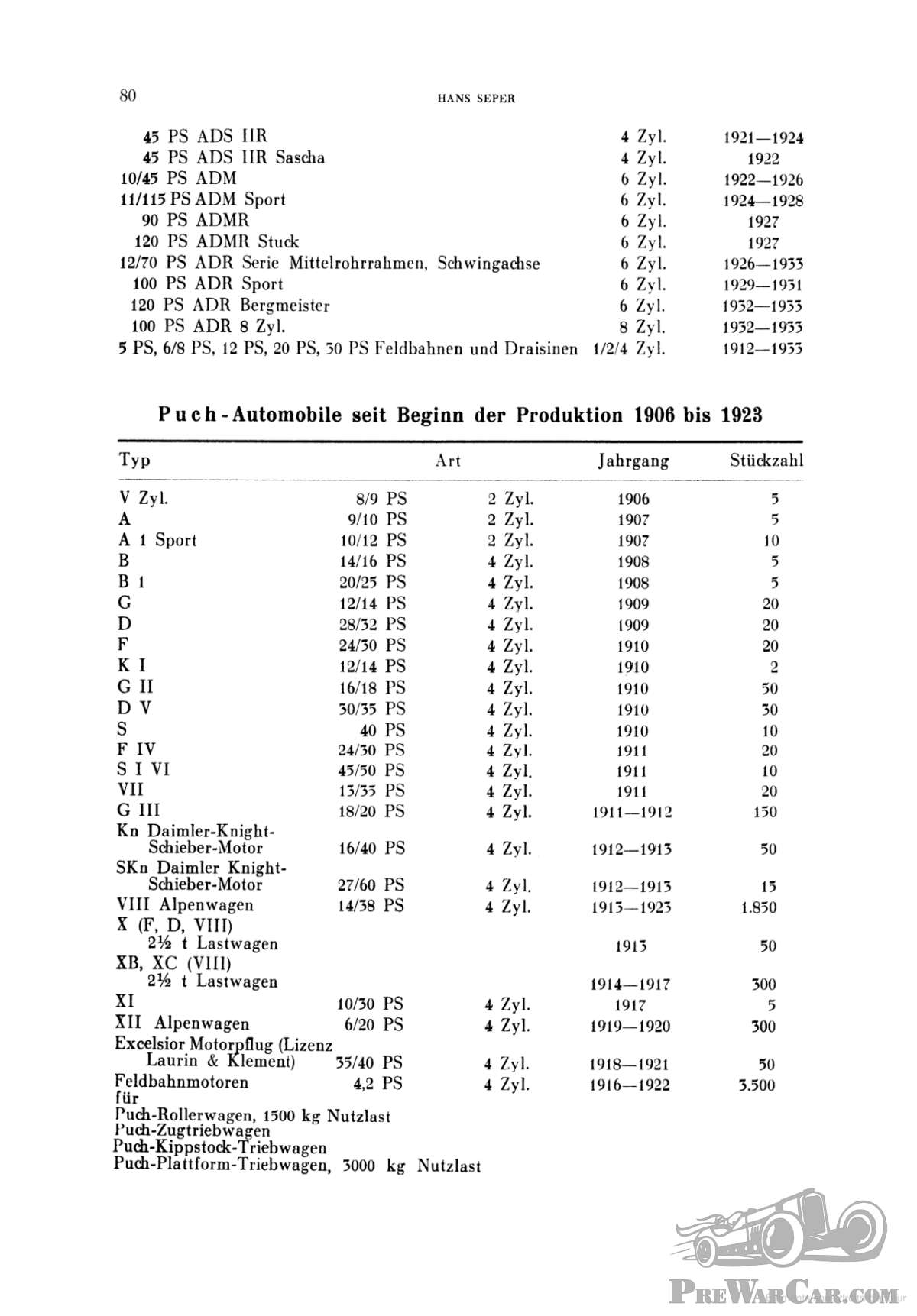
Here is a document by Hans Seper showing the dates of manufacture of Puch automobiles:
- The Alpenwagen Type VIII between 1913 and 1923
- The Alpenwagen Type XII from 1919 to 1920.
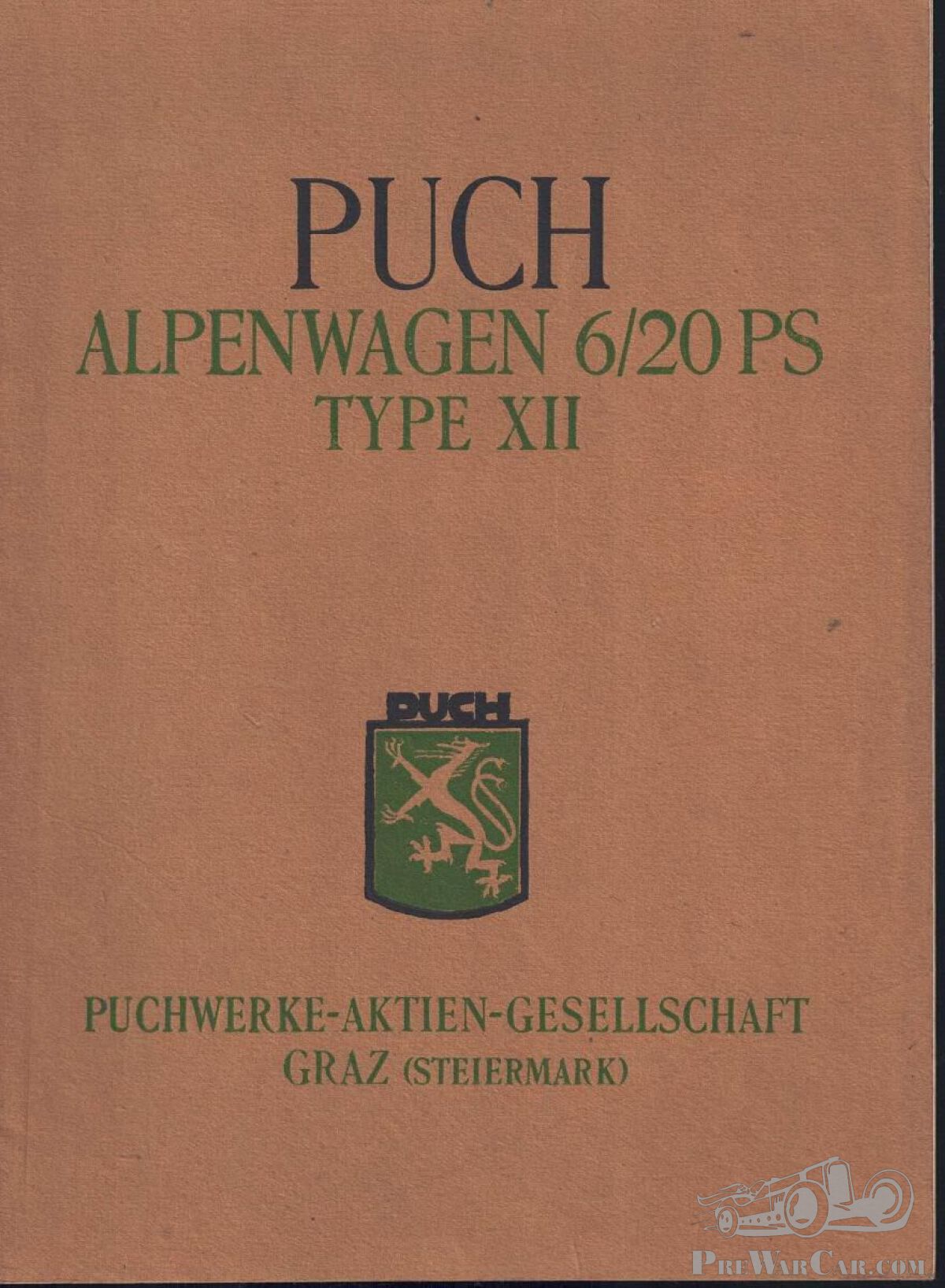
I am also attaching the first pages of the catalogue of the Puch Alpenwagen Type XII from 1919.
-------------------------------------------------------------------------------
Voici un document de Hans SEPER où figurent les dates de fabrication des automobiles PUCH :
-Les Alpenwagen type VIII entre 1913 et 1923
-Les Alpenwagen type XII de 1919 à 1920.
Je vous joins également les premières pages du catalogue de la PUCH Alpenwagen type XII de 1919.
Laurent ZOLLER
Weiter lesen
Here is a document by Hans Seper showing the dates of manufacture of Puch automobiles:
- The Alpenwagen Type VIII between 1913 and 1923
- The Alpenwagen Type XII from 1919 to 1920.
I am also attaching the first pages of the catalogue of the Puch Alpenwagen Type XII from 1919.
-------------------------------------------------------------------------------
Voici un document de Hans SEPER où figurent les dates de fabrication des automobiles PUCH :
-Les Alpenwagen type VIII entre 1913 et 1923
-Les Alpenwagen type XII de 1919 à 1920.
Je vous joins également les premières pages du catalogue de la PUCH Alpenwagen type XII de 1919.
Laurent ZOLLER
Ariejan Bos
20 August 2024, 09:55
According to the information in my archive the Type 12 (or XII) 6-20PS was listed for the years 1919-1920. The body also fits much better with that period.
Weiter lesen
Thank you for all these new details. I've just made enquiries in Austria. The vehicle is there but the new owner refuses to show it, even in photos! Thanks to Karl Haar, I learned that the Type VIII has wheels with 6 bolts and the Type XII wheels with 5 bolts.
-------------------------------
Merci pour ces toutes ces nouvelles précisions. .
Je viens de me renseigner en Autriche. Le véhicule y est bien mais le nouveau propriétaire refuse de la montrer, même en photo!
Grâce à Karl HAAR, j'ai appris que le type VIII possède des roues avec 6 boulons et le type XII des roues avec 5 boulons.
Laurent ZOLLER