Das weltweite Magazin und der Marktplatz für Oldtimer-Enthusiasten – von Enthusiasten.
Das weltweite Magazin und der Marktplatz für Oldtimer-Enthusiasten – von Enthusiasten.


Filter
Auswahl treffen
- Autos
-
Marke >>
-
Baujahr >>
-
-
Kategorie >>
-
Länder >>
- Motorräder
- Teile
-
Automarke >>
-
Hersteller >>
-
Kategorie >>
- Fahrräder
-
Baujahr >>
-
Länder



Will Tipo B Alfa P3 No. 46 find a lucky buyer?
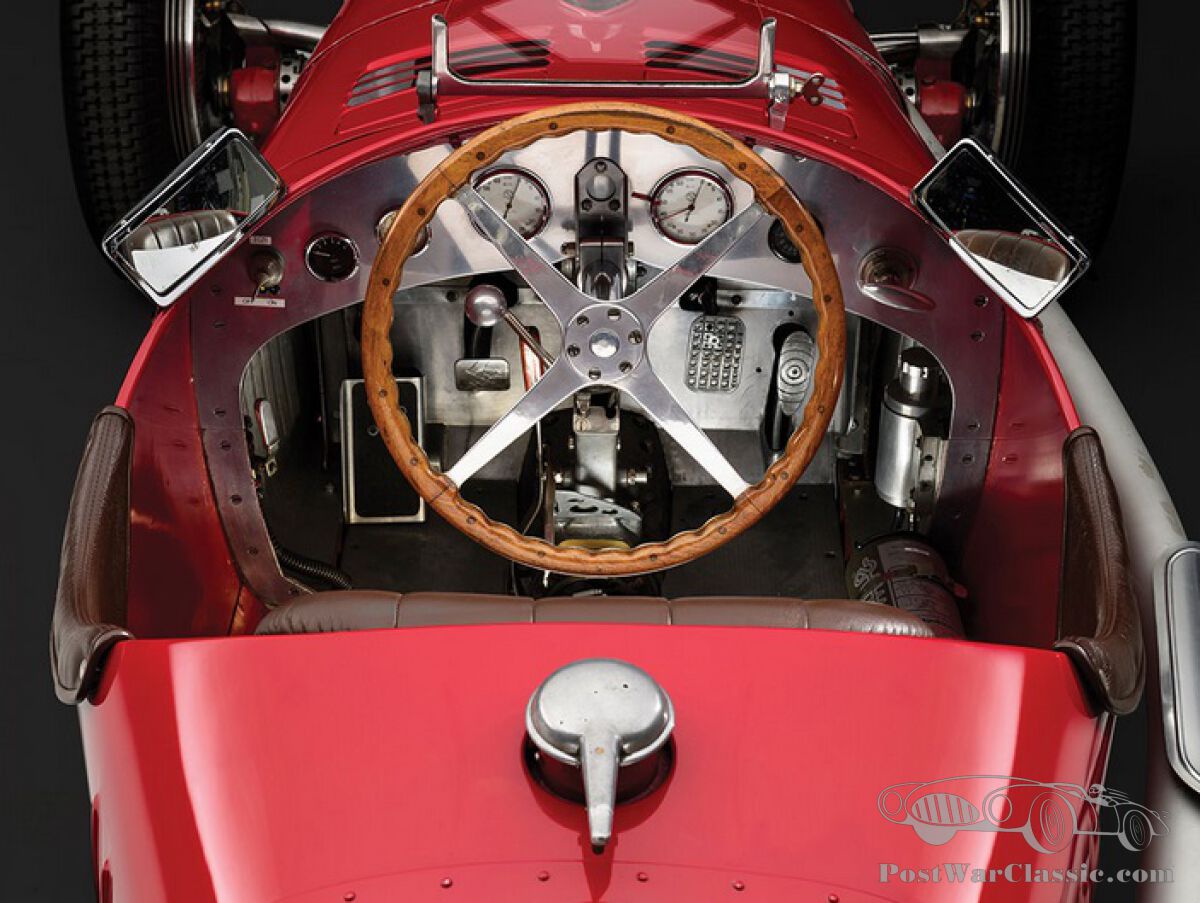


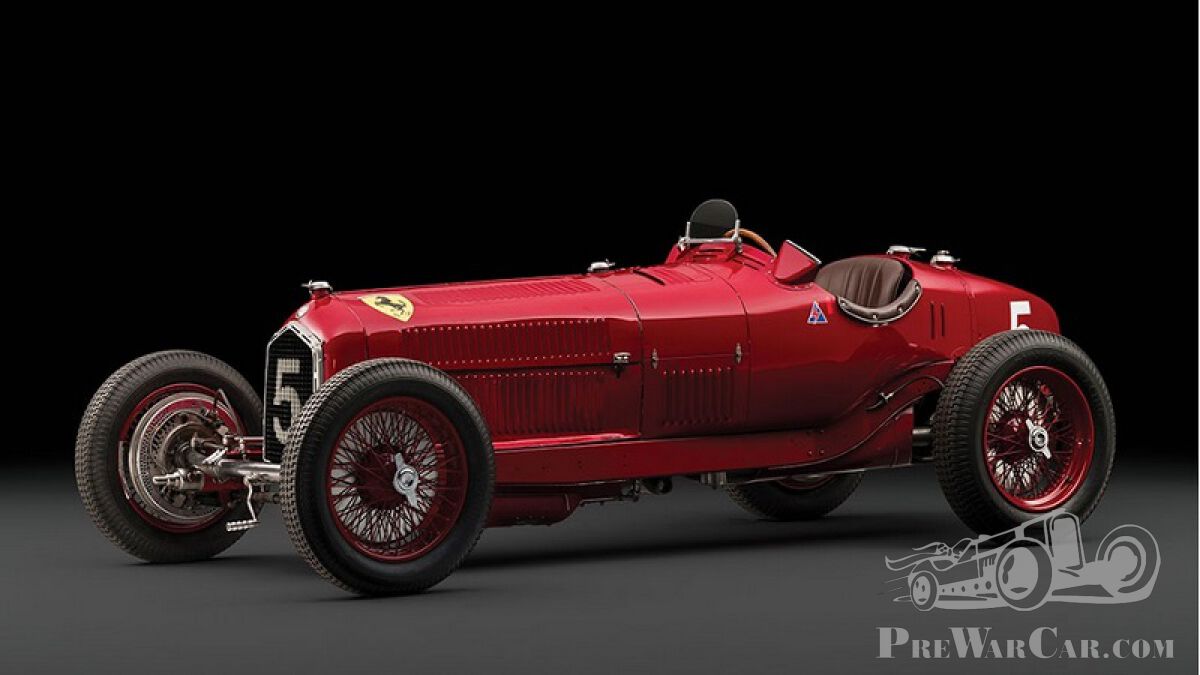
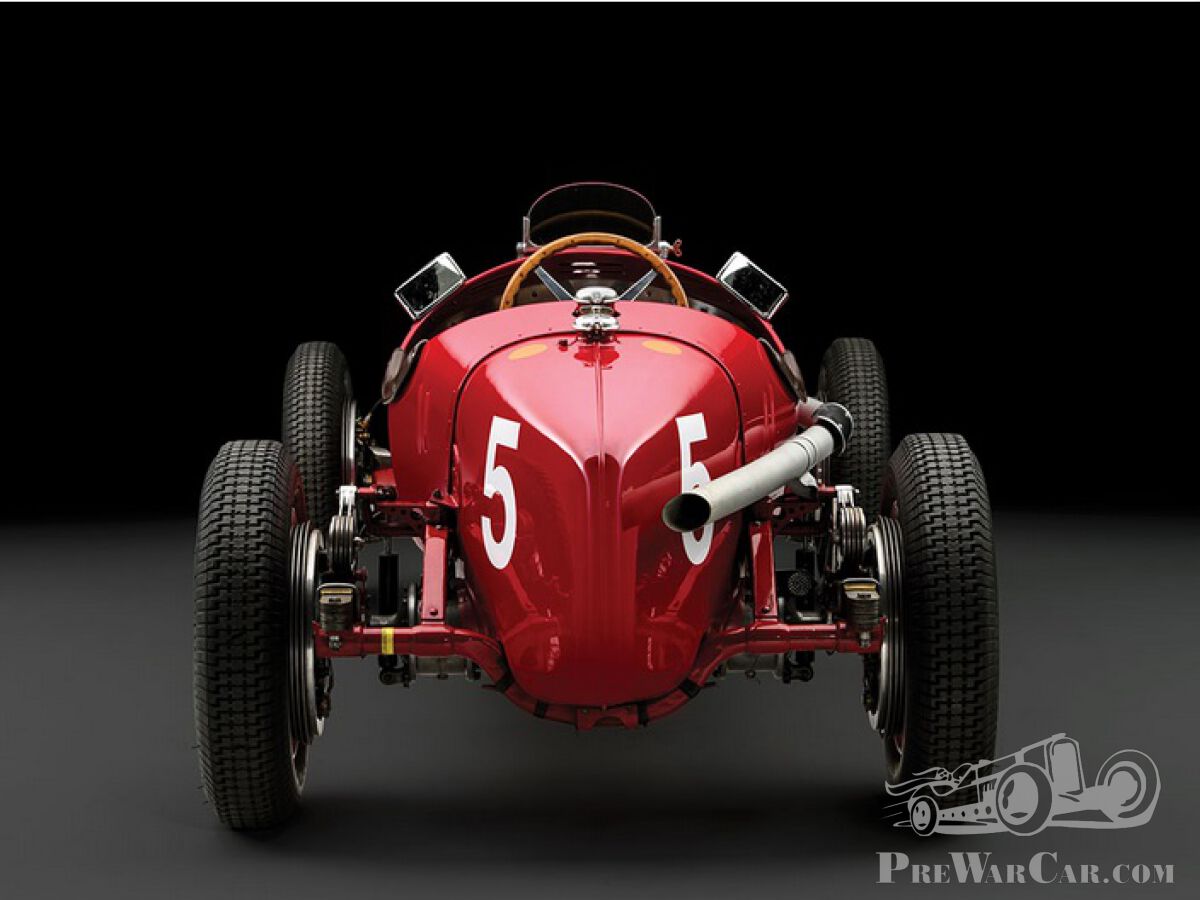
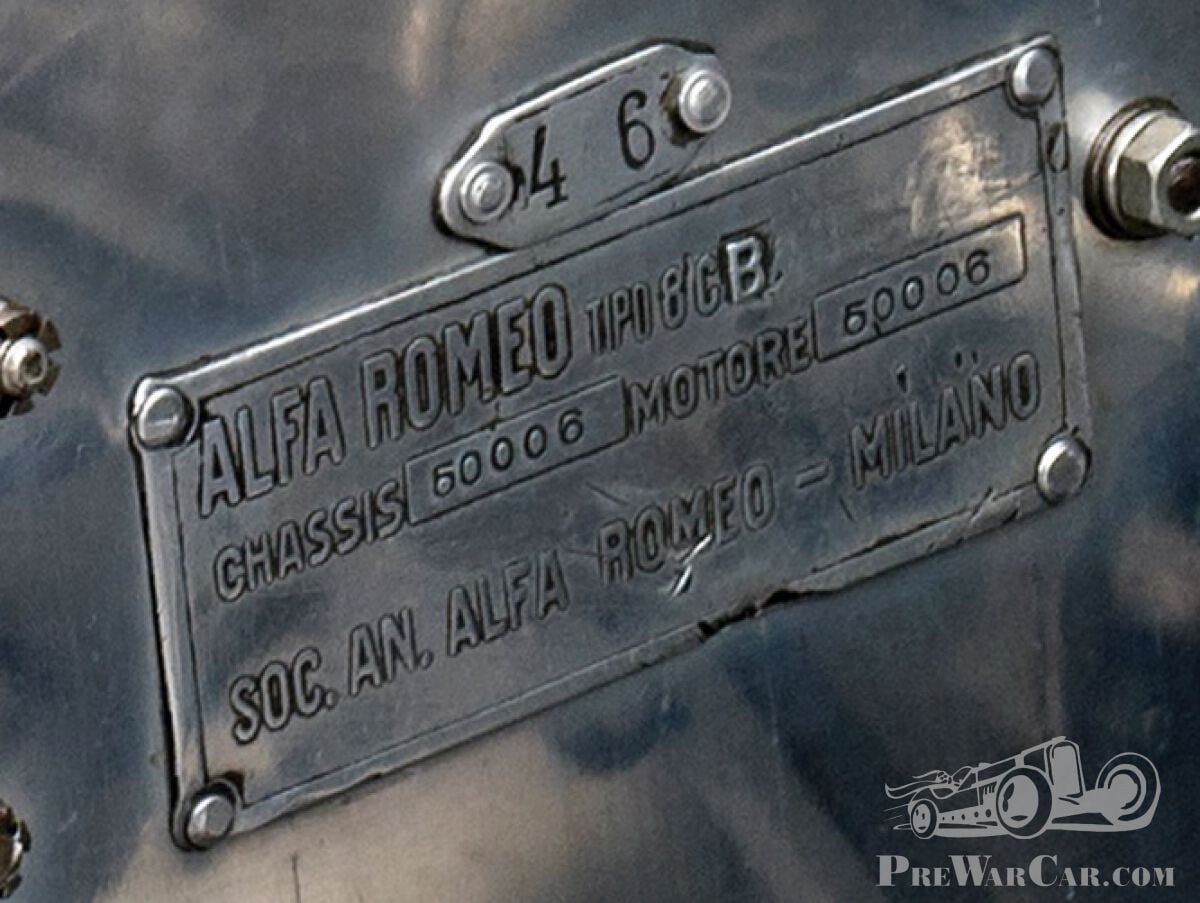
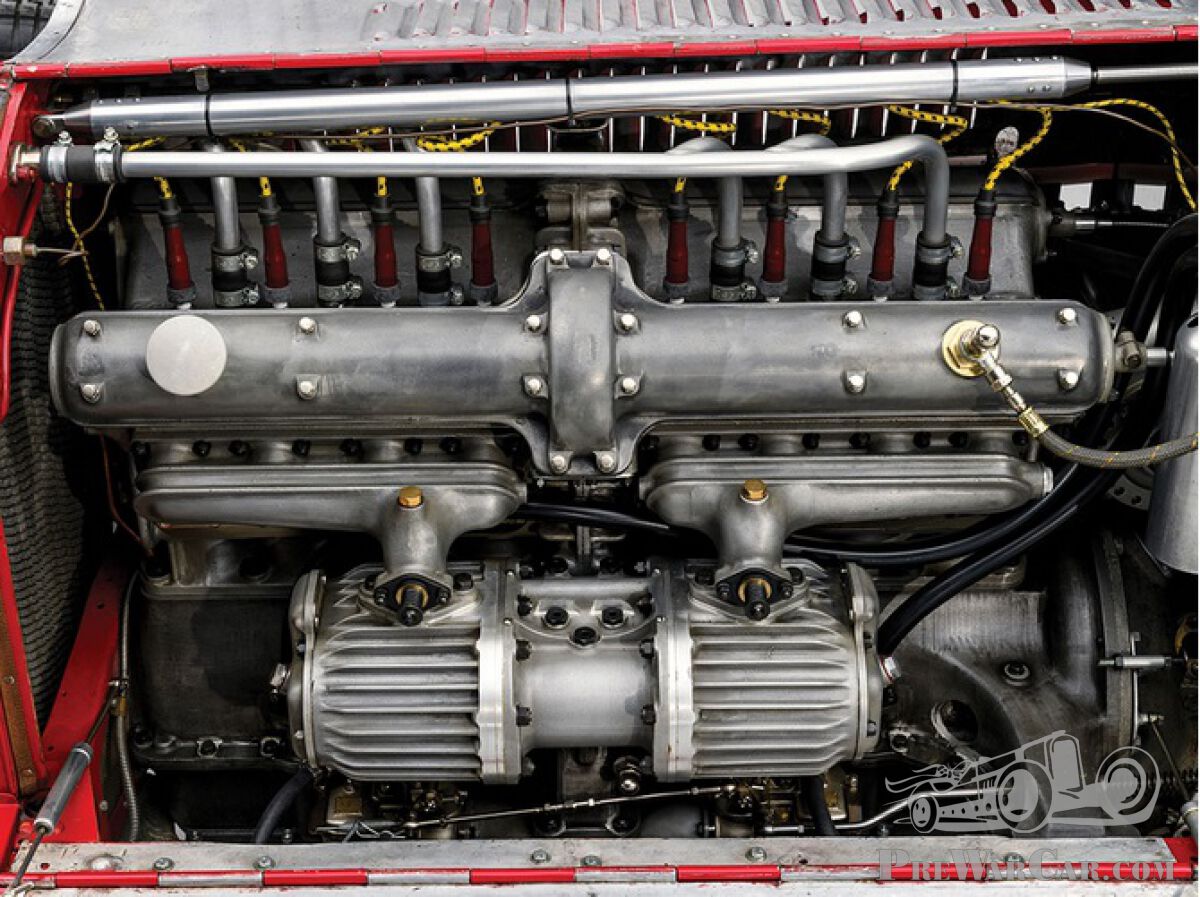
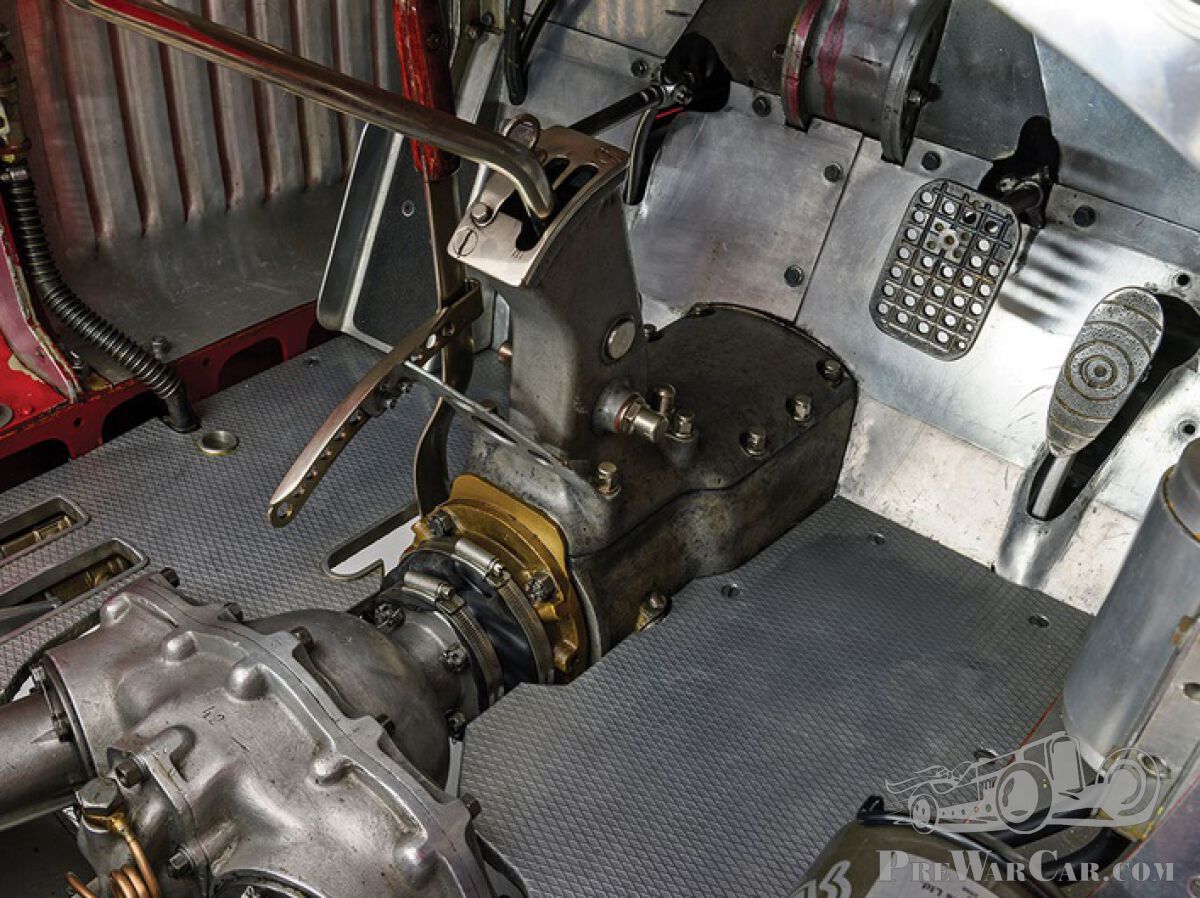
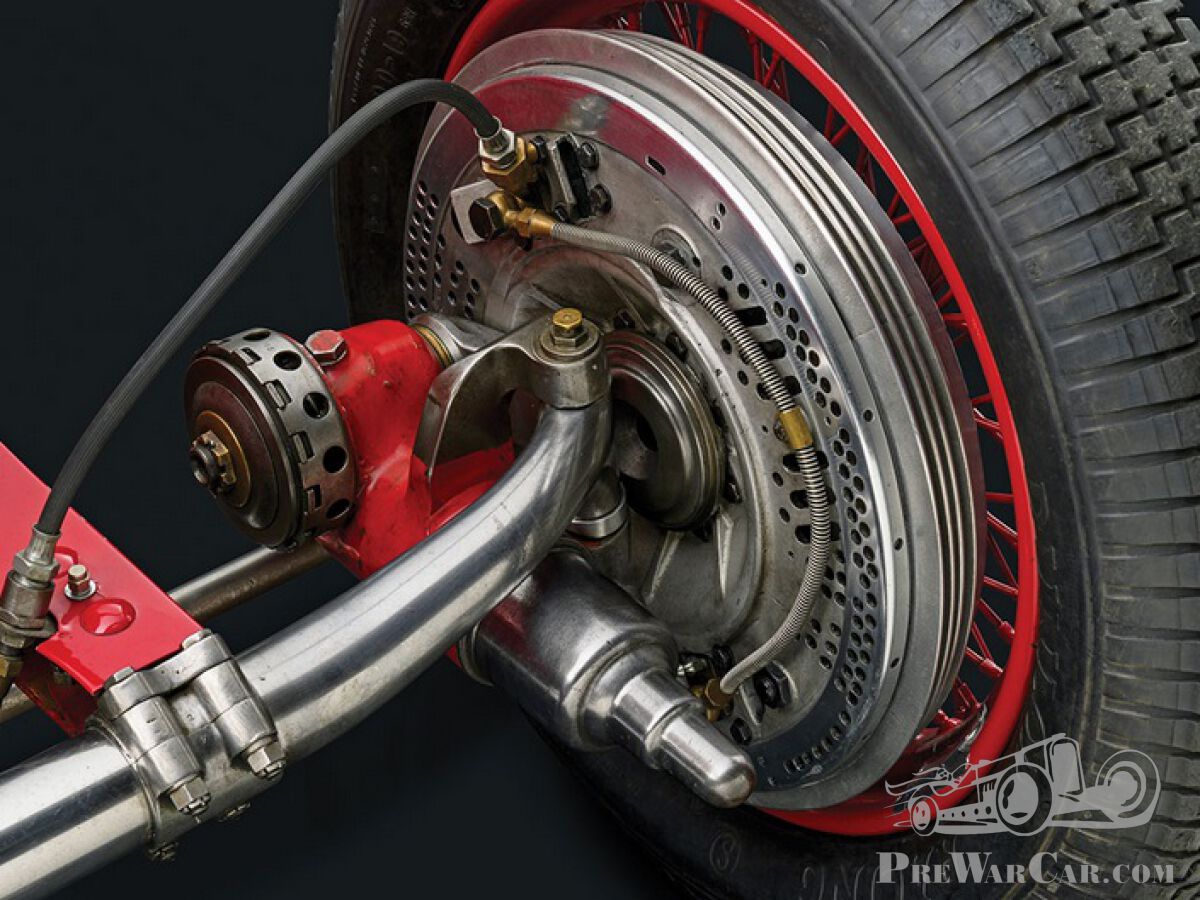


RMSothebys have assembled a delicious choice of cars for their auction on 8 February at Paris Retromobile and we seized upon a car with just 3 gears, one seat and no roof.
The very mention of the Tipo B P3 Alfa Romeo was sufficient to make us dive into the bookshelves and refresh our memory. Legendary names leap from the page - designer Jano, driver Nuvolari and of course Scuderia Ferrari.
The lines of this legendary car are perfect. The first 'monoposto' grand prix car and a successful one at that, winning races as soon as it appeared in 1932.
Jano's clever design kept the weight down to 700kg, making it a formidable racer in the right hands.
A new formula in 1934 demanded wider and heavier cars, and Alfa complied by widening the bodywork on the original five P3 cars. A batch of seven additional examples was then built to the newer specifications, and these cars received larger engines ( see below). Numbering sequentially from chassis number 50001, these wide-body cars were often identified by their Scuderia Ferrari number.
The weight increase was the perfect excuse to enlarge the engine capacity to 2.9 litres. Effectively two 4 cylinder blocks each with their own Roots supercharger which gave tremendous torque at low revs. Jano recognized that smaller superchargers put less stress on the engine, had less rotational inertia and were more thermally efficient.
The differential is behind the gearbox and the split drive train uses two short driveshafts running at angles to simple bevel gears just inside each rear wheel driving stub axles. The axle tube itself is very light and the centrally located driver sits low, between the two driveshafts.
Great attention was paid to the road-holding and lightness - keeping all masses low and unsprung weight to a minimum.
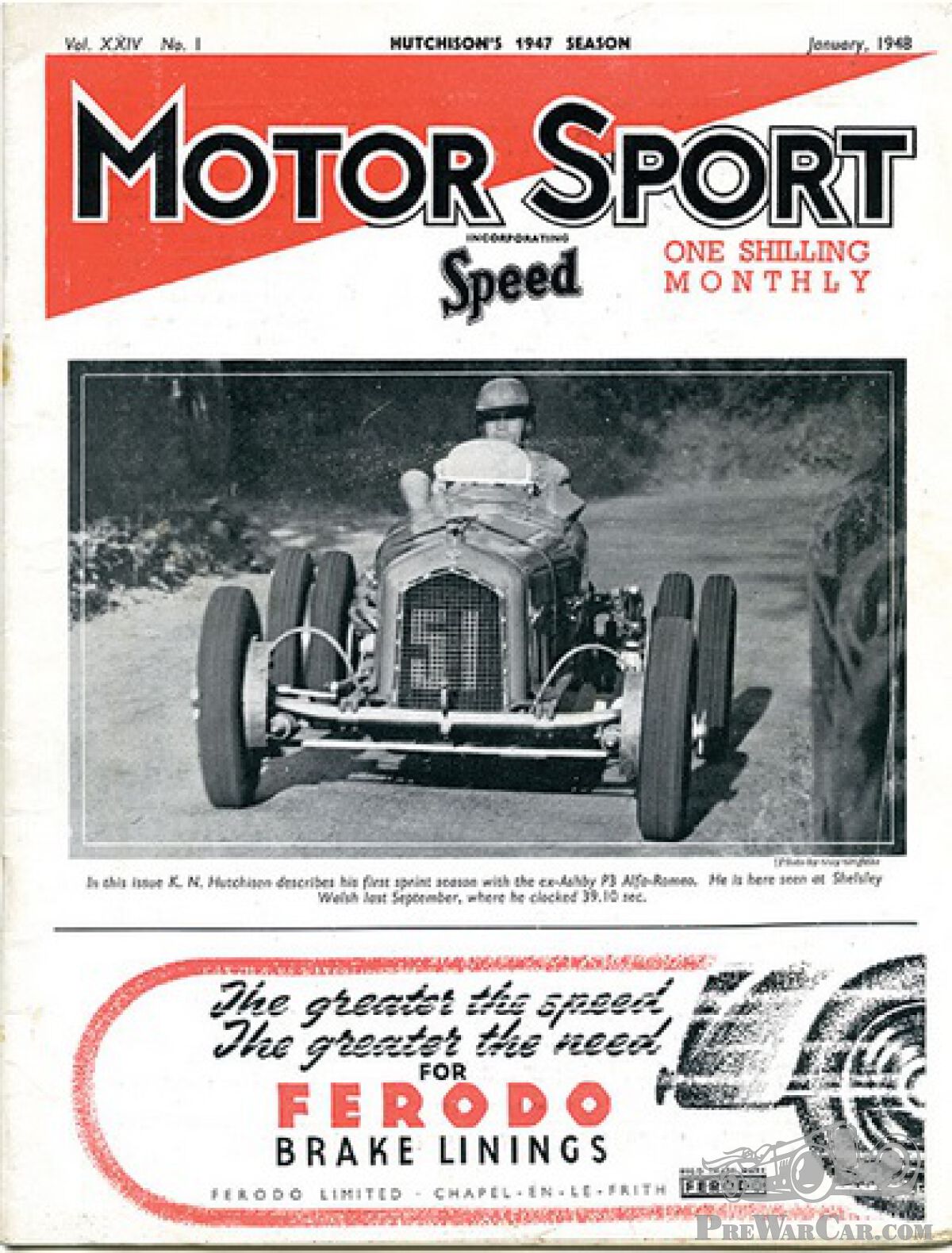
By 1935, The P3 was out-gunned by the superior German cars ( but we recommend you read about Nuvolari's victory at the German Grand Prix that year!) - so the car was sold in 1936 and by 1946 ended up with Ken Hutchison, a wealthy British enthusiast who wrote about his experiences with the car in an extended cover feature in the January 1948 issue of Motor Sport magazine.
It's a marvellous record of his enjoyment of this car and how he developed it with his mechanic (' The Great Man') - he fitted Lockheed brakes and described the Alfa-Romeo brakes as 'erratic and rather unsafe'.
Imagine youself at the wheel and read this quote from Hutchinson... "The maximum speeds and performances of the “2.9” have been somewhat loosely spoken of in the past, and it may interest readers to know that with a high axle ratio of 3.79 to 1 and 700 by 16 covers my car is capable of a maximum road speed of 152 m.p.h. at 6,500 r.p.m.—but you need a mighty long road to reach this and so far, at any rate, I have never exceeded 6,200 r.p.m. At Brighton Speed Trials we only attained 5,800 over the line at the end of the standing kilo".
We make that 135 mph !! He must have trusted his brakes.
-------------------------------------------------------------------------------------------------------
Ed. Reader William Hearne has sent us a picture of this Alfa P3 in New Zealand C 1955 at the
International G.P. at Ardmore, Auckland. ( Other pictures HERE.)
He has also identified the who, what & when of this picture
as British amateur Frank Ashby and team rebuilding 50006 after buying it from Scuderia Ferrari in 1936.
The sight of a Riley wheel behind the Alfa reminds us that Thompson and Taylor were building Brooklands Rileys before Rileys themselves. Food for thought....
Text Robin Batchelor, pictures courtesy RMSotheby's.
Publiziert:
Mittwoch Februar 1st, 2017
Facebook
LinkedIn
Twitter
WhatsApp
Email
Copy
Kommentare
Unbekannt
04 Februar 2017, 22:12
Unbekannt
04 Februar 2017, 20:05
Registering for the road in the USA is pretty easy or at least it is so in the State of SC, certainly a lot easier than the UK or Germany. You will need a log book from the country of origin and the correct importation papers showing all duties paid (details on the web). Then its a case of paying the State purchase tax and road registration fee. Pick your State wisely as tax varies significantly. If you have no log book then the chassis number and engine number will allow you to get plates via a police inspection to assure them its not made from stolen parts (formality in this case). Providence is very useful in this. You wil have to complete paper copies and the menues on the web will not have this car as an option. An historic vehicle will be expempt from US EPA emission regulations and in many states a road worthiness test is not needed either. But to be honest you'd be better off buying a replica for the road and only driving the real (very expensove) one on the track.
Weiter lesen
Unbekannt
04 Februar 2017, 17:10
Mr. Barker, it is as fabulous, and as desirable as any. But, the P3 "represents" the shift from 700Kg, to the "W".
(Can I get road plates for this in the U.S.?...)
Weiter lesen
(Can I get road plates for this in the U.S.?...)
Unbekannt
03 Februar 2017, 09:08
According to Peter Hull's book all the racing versions of the 2.6 and 2.9 had two blowers on opposite side to the sports cars. This car 50006 was extensively modified in Hutchinson's hands with newly designed blocks (& heads) and one blower feeding the four middle cylinders and the other the four outer ones, and a different exhaust arrangement as well.
The body was narrowed at the same time.It spent most of its later life in New Zealand and appears to have had most of Hutchinson's modifications done away with.
Weiter lesen
The body was narrowed at the same time.It spent most of its later life in New Zealand and appears to have had most of Hutchinson's modifications done away with.
Unbekannt
02 Februar 2017, 18:44
Chris, I believe your observation is correct for 8C 2300, but 8C 2900 appear to all be in this configuration. Now, I do not know enough about Alfa Romeo's to know why the difference. Despite other outward appearances, are they completely different engine designs? That I do not know.
Weiter lesen
Unbekannt
02 Februar 2017, 14:07
Beautiful beast this one. Now here is a general question for the readership and where I do not know the answer. Every 8C (and 6C) Alfa Romeo engine I've seen has the exhaust on the Left hand side, supercharger on the right. I wonder why they reversed this for the 2.9?
Weiter lesen
Unbekannt
02 Februar 2017, 11:14
In my eyes that is the most fabulous, desirable car in the world!
Just ................., sorry I'm lost for words!
Weiter lesen
Just ................., sorry I'm lost for words!
The Tipo B has a combined block/head casting like say a vintage Bentley so no head gasket to blow.
Basically the same Jano designed engine with detail differences for the various models/applications.