Das weltweite Magazin und der Marktplatz für Oldtimer-Enthusiasten – von Enthusiasten.
Das weltweite Magazin und der Marktplatz für Oldtimer-Enthusiasten – von Enthusiasten.


Filter
Auswahl treffen
- Autos
-
Marke >>
-
Baujahr >>
-
-
Kategorie >>
-
Länder >>
- Motorräder
- Teile
-
Automarke >>
-
Hersteller >>
-
Kategorie >>
- Fahrräder
-
Baujahr >>
-
Länder



Veteran Ladies - Part 1
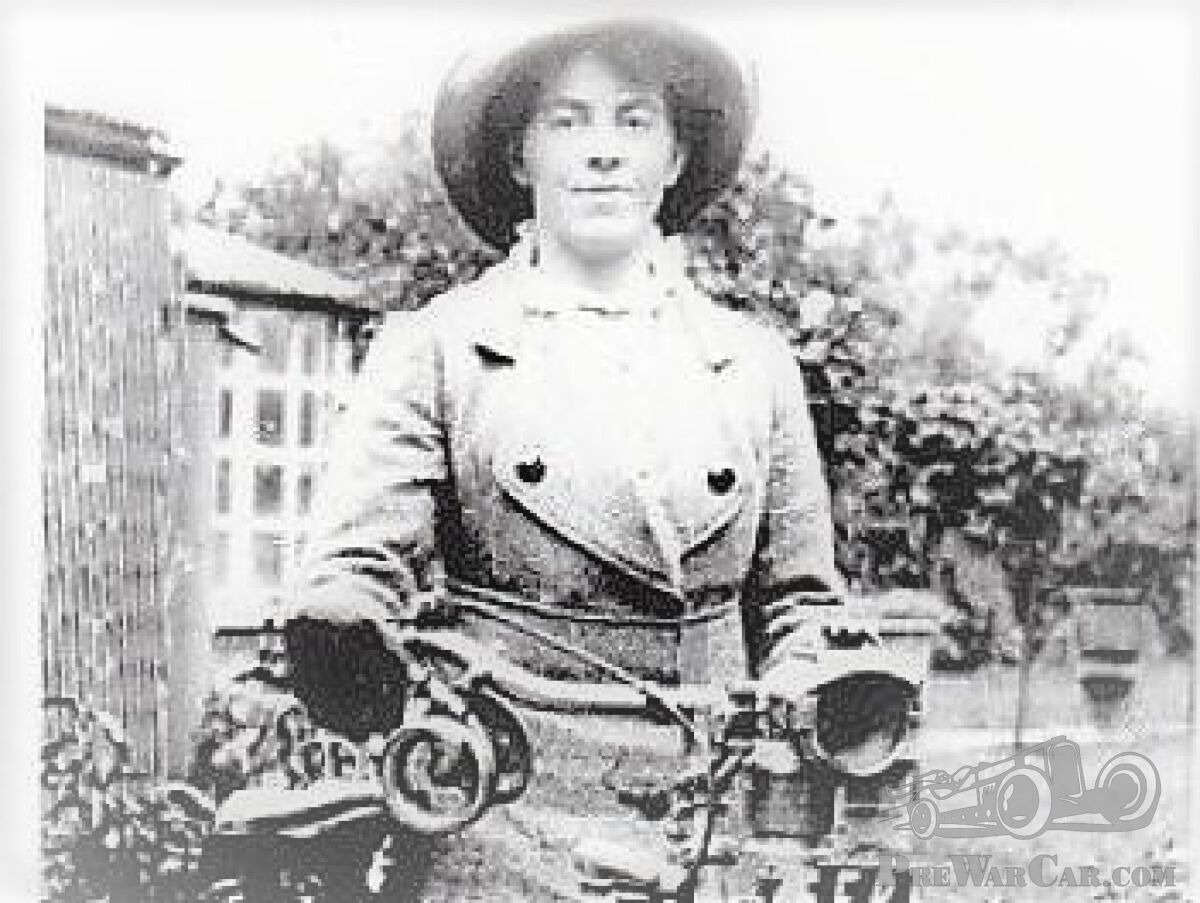
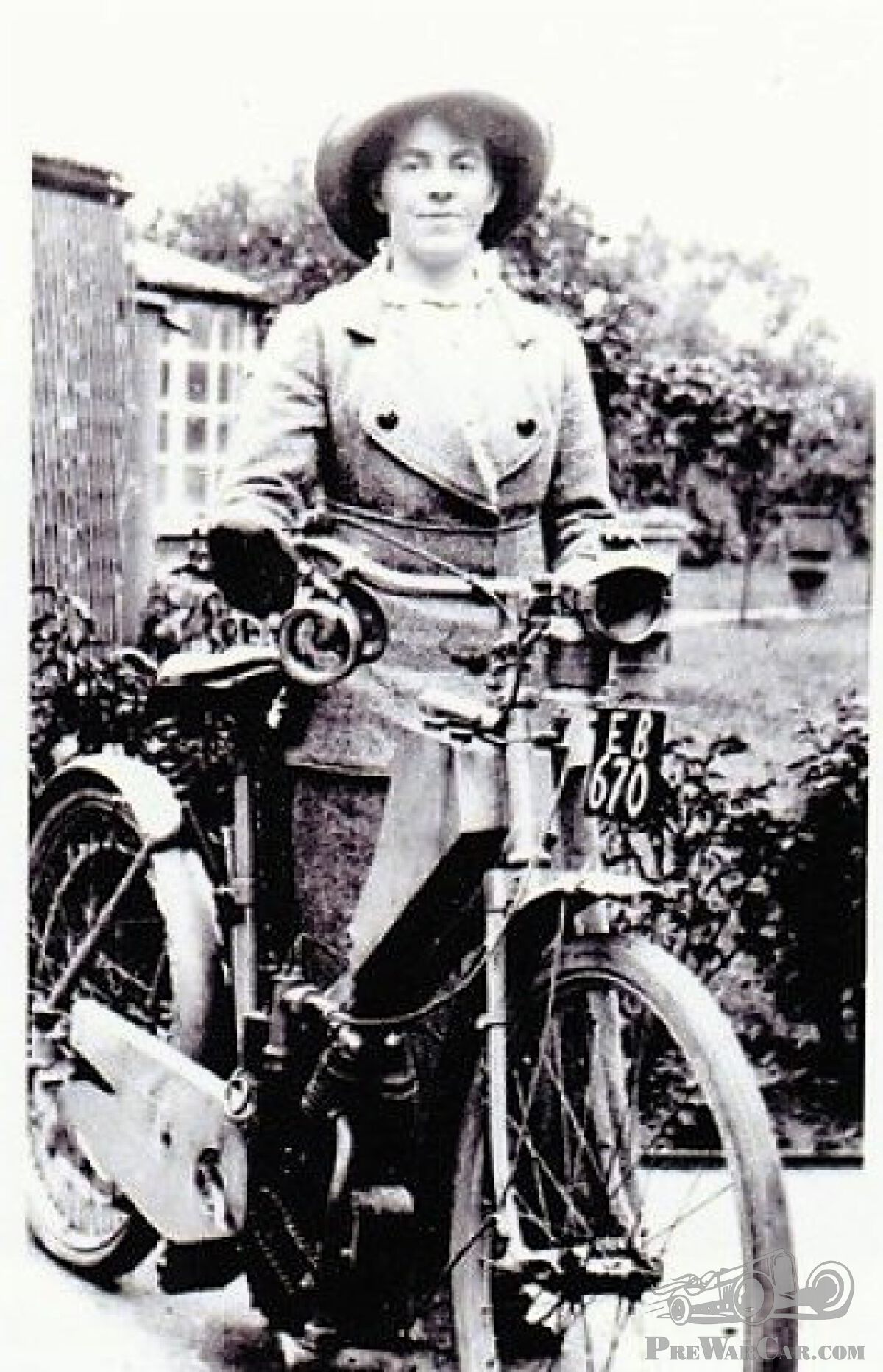
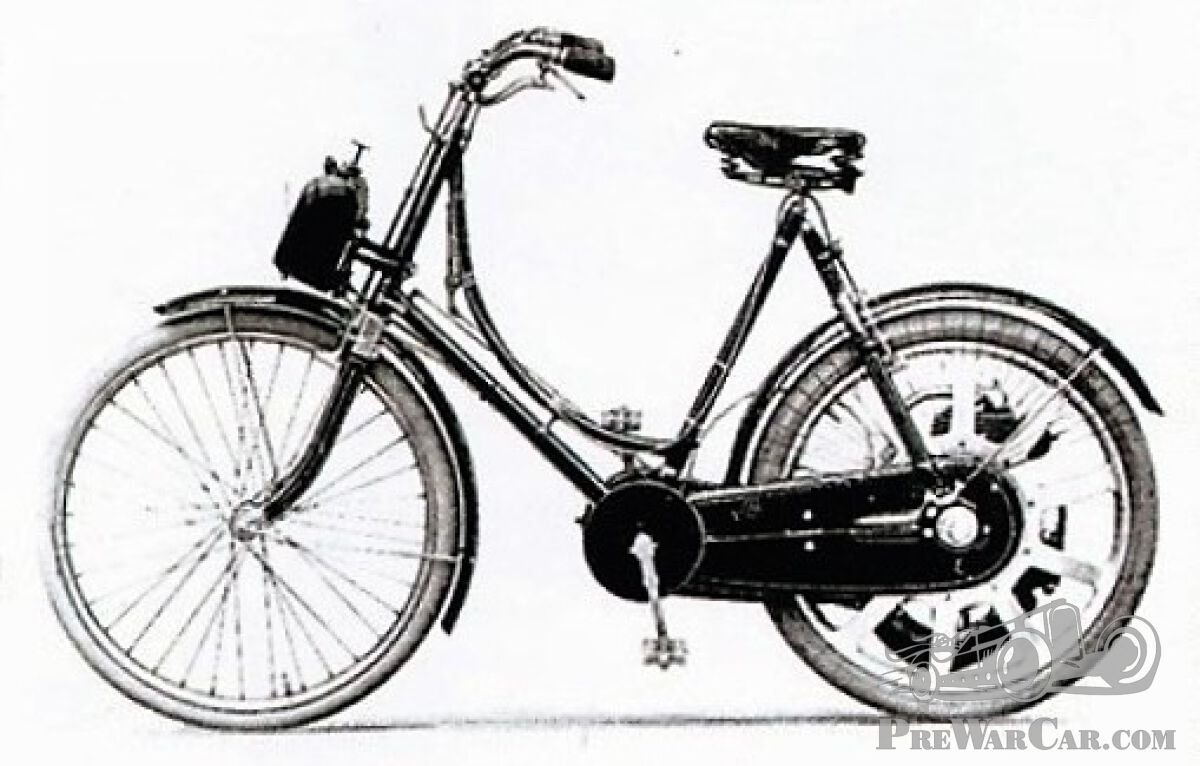


During the veteran period makers desperate to offer a wide range of models included at least one lady's model in their catalogues. Often illustrated using artist`s sketches, rather than photographs because some never intended making many, if any, machines for the motorcycling lady… and reading between the lines they weren't what some motorcycling ladies wanted either.
In the veteran period, ladies fell into two camps over the design of lady's model motorcycles. Many including the renowned reliability trails rider and hill climb specialist Muriel Hind favoured machines with dropped frames to accommodate the long skirts and coats of the period. Miss Hind penned in her motorcycling press columns she wanted none of the modern desire of some woman to ride in trousers and preferred motorcycling dresses in the lady's attire. Selected ladies wanted to ride the same models as men because they considered them sturdier for road and competition work, others for underlying political reasons.
While some press sectors welcomed lady's model motorcycles, others derided both ladies for wanting to ride these motorcycles often implying they weren't strong enough or condemned dropped framed models as 'too flimsy'. One assumes such observers were biased, had never tested a lady`s model and did not read the trails and hill climb results of the pre-WW1 period. If they had they'd have discovered ladies competed with success, notably Muriel Hind who was a contracted Rex “works” rider from 1908 – 1912 winning many gold medals in long-distance reliability trails of the period through all weathers in the UK and Ireland.
The development of the world's first production high-speed engine by Comte de Dion and George Bouton opened up the possibility of making lightweight tricycles and motorcycles for many. As well as supplying proprietary engines De Dion Bouton built tricycles from 1895 with a top trail for frame strength, but other engineers and engineering firms including Accles Ltd built proprietary engines into open lady's framed type tricycles, which suited either sex. Others followed this design when building or motorising 2-wheeled cycles including the Coventry Motor Company who developed the Coventry Motette and Beeston for their 1¾ hp machine.
Singer were amongst the first to offer lady's model motorcycles. After building around 200 motor wheels designers, patentees and makers Edwin Perks and Harold Birch sold in October 1900 their manufacturing rights to their main customer the Singer Cycle Co Ltd. This Coventry maker offered the self-contained motor wheel as a proprietary unit for replacement of the front or rear wheel of most sturdy adult's cycles. Additionally, they offered complete motorcycles with options of gent's or lady's dropped frames as well as tri-voiturettes, tiny light cars and even gent's or lady’s tricycles with small governess bodies sited between the rear wheels to accommodate one or two children. Very ambitious for their 2hp 198cc automatic inlet valve engines although they later offered a larger 3hp version.
Muriel Hind bought a complete Singer motor wheel powered motorcycle from her local Bournemouth agent. An independent lady of means.
Read next week how the story continues…
Words by Richard Rosenthal. Courtesy The Sunbeam Motor Cycle Club.
Publiziert:
Freitag März 22nd, 2019
Facebook
LinkedIn
Twitter
WhatsApp
Email
Copy