Das weltweite Magazin und der Marktplatz für Oldtimer-Enthusiasten – von Enthusiasten.
Das weltweite Magazin und der Marktplatz für Oldtimer-Enthusiasten – von Enthusiasten.


Filter
Auswahl treffen
- Autos
-
Marke >>
-
Baujahr >>
-
-
Kategorie >>
-
Länder >>
- Motorräder
-
Standort >>
- Teile
-
Automarke >>
-
Hersteller >>
-
Kategorie >>
- Fahrräder
-
Baujahr >>
-
Länder


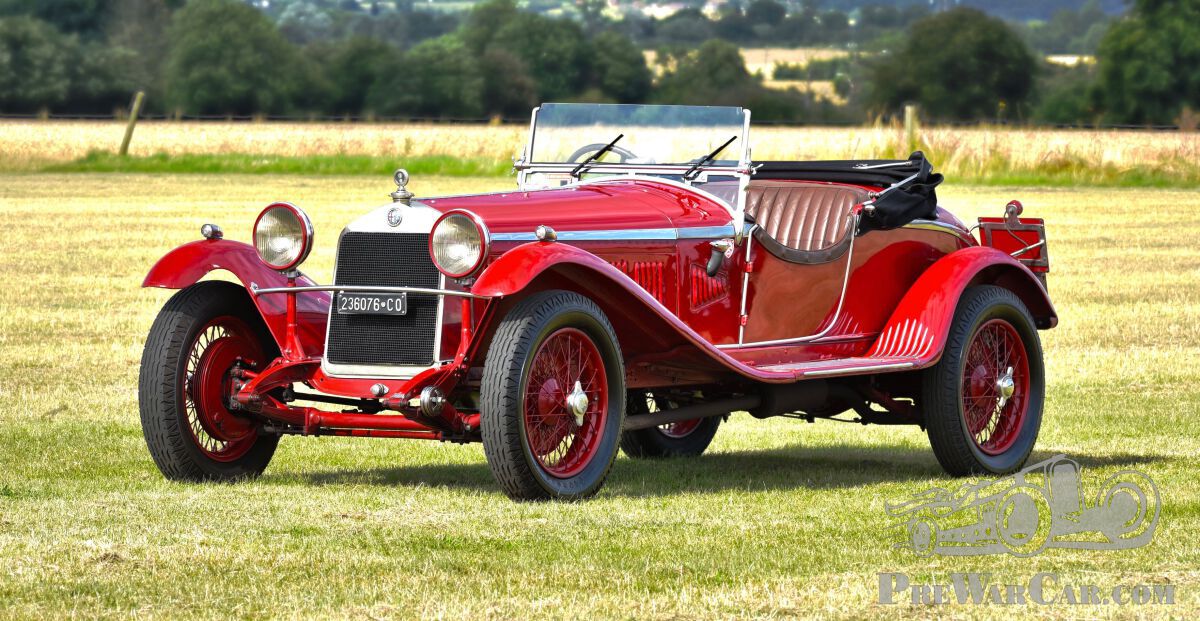
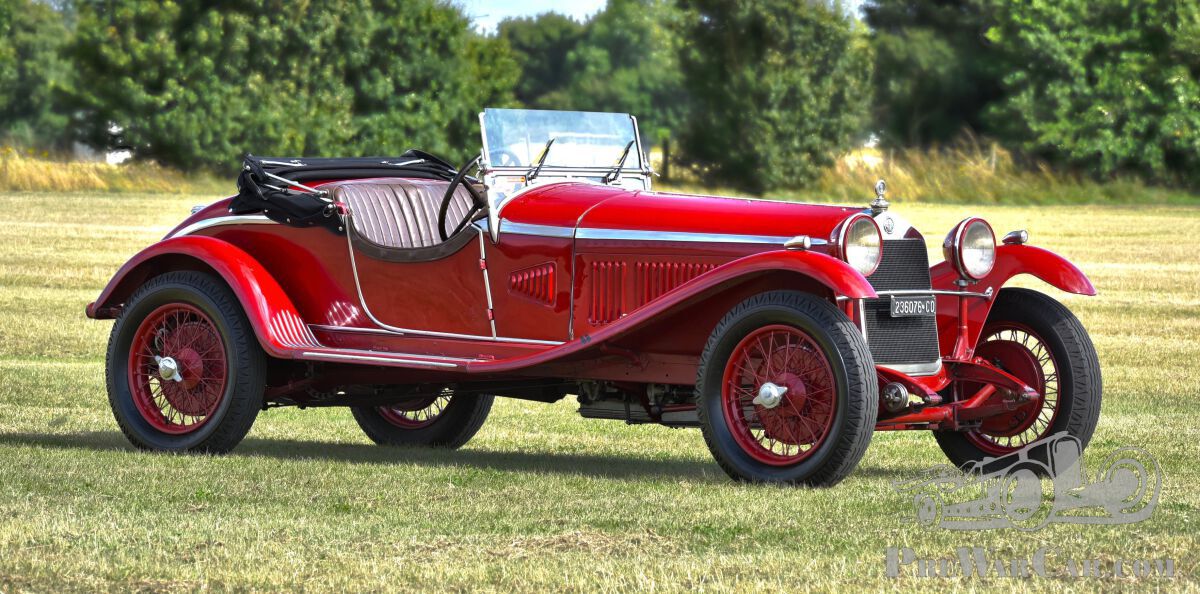
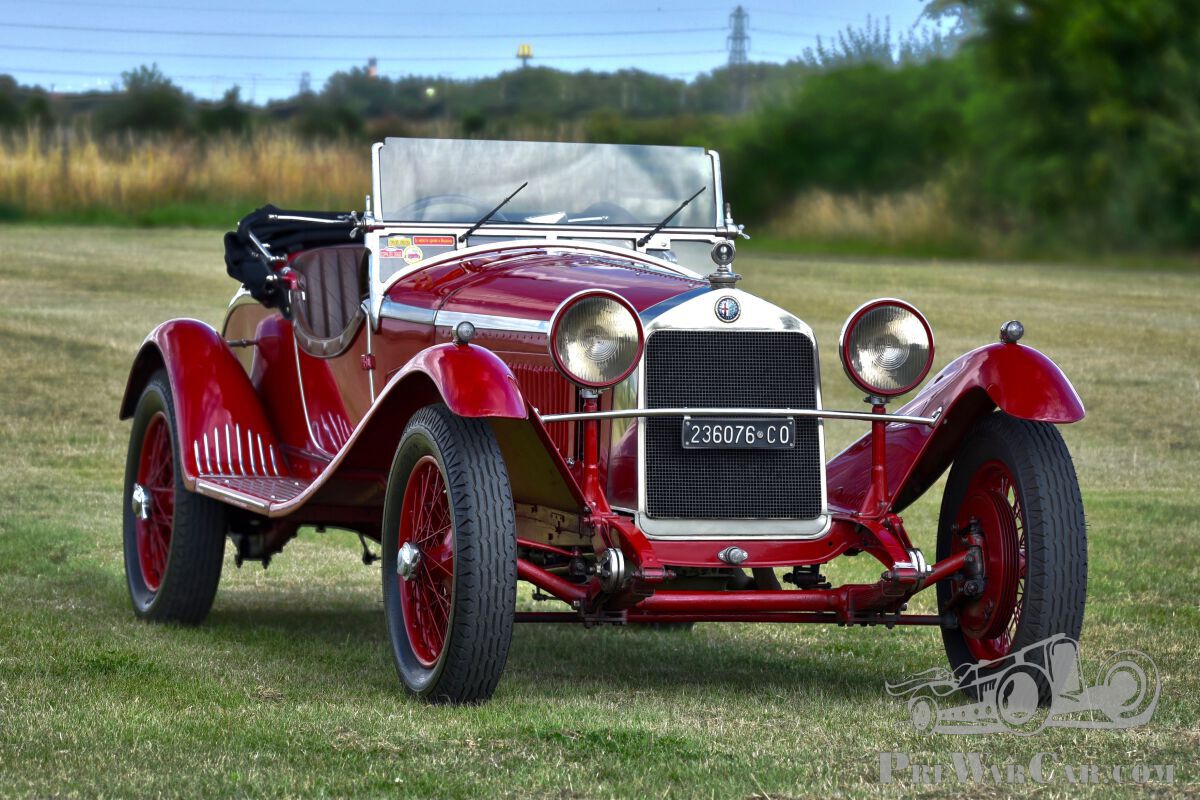
The racing driver's choice: Varzi's Alfa Romeo to star at Rétromobile

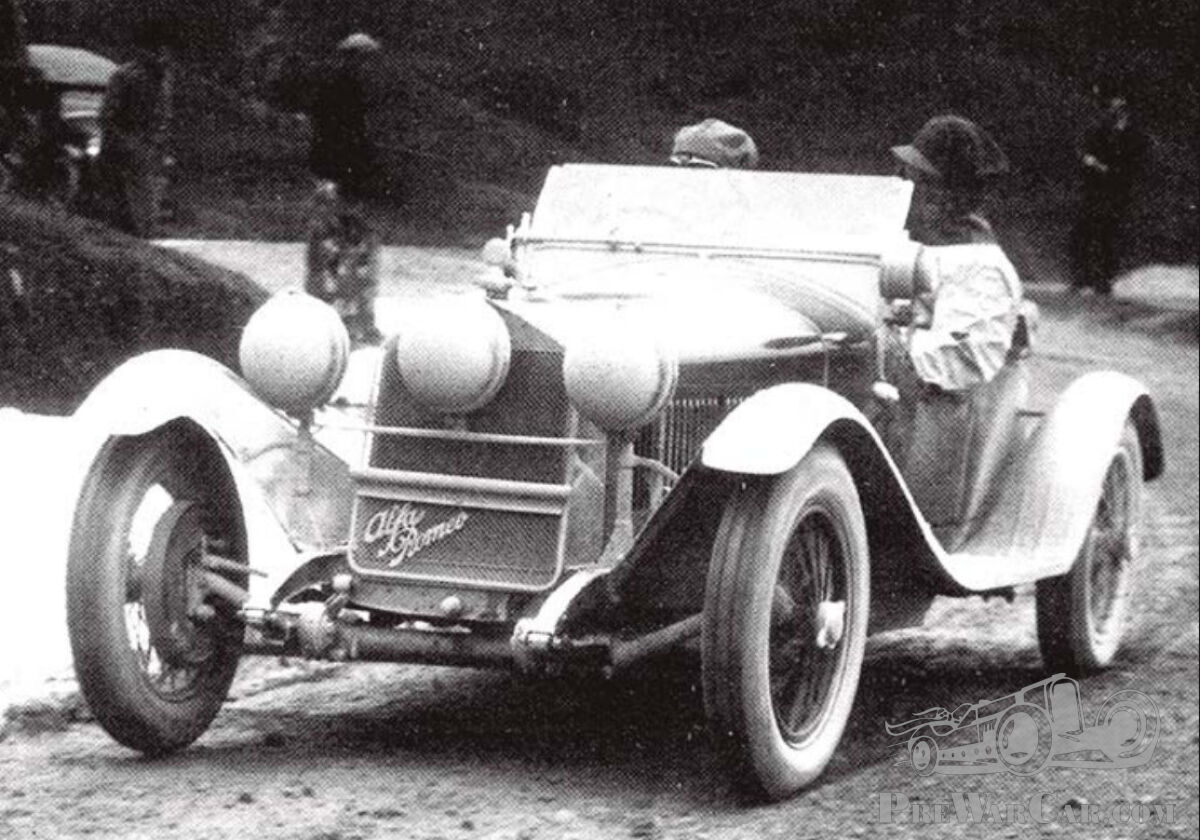
Varzi and Colombo in the 1929 Mille Miglia. It is not known if this car is 6C0312861
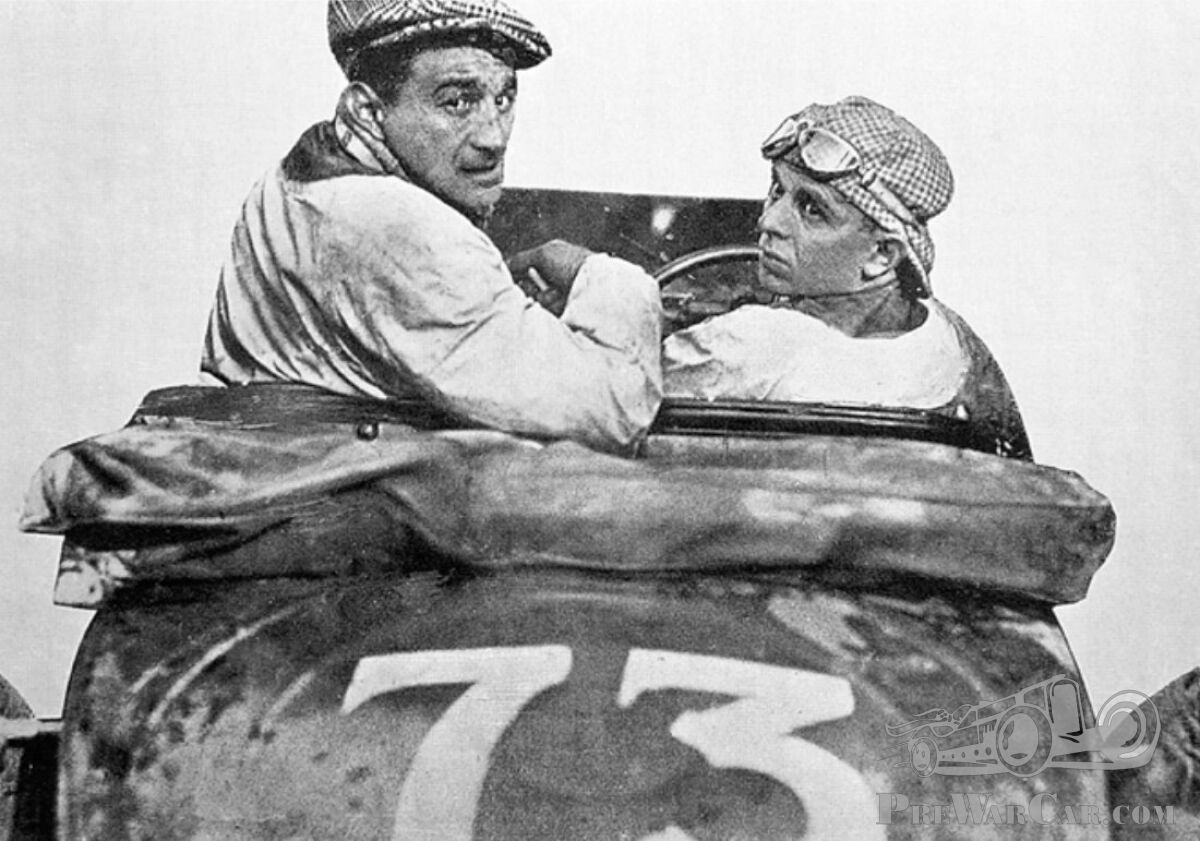
Colombo (left) and Varzi (right), probably after finishing the 1929 Mille Miglia
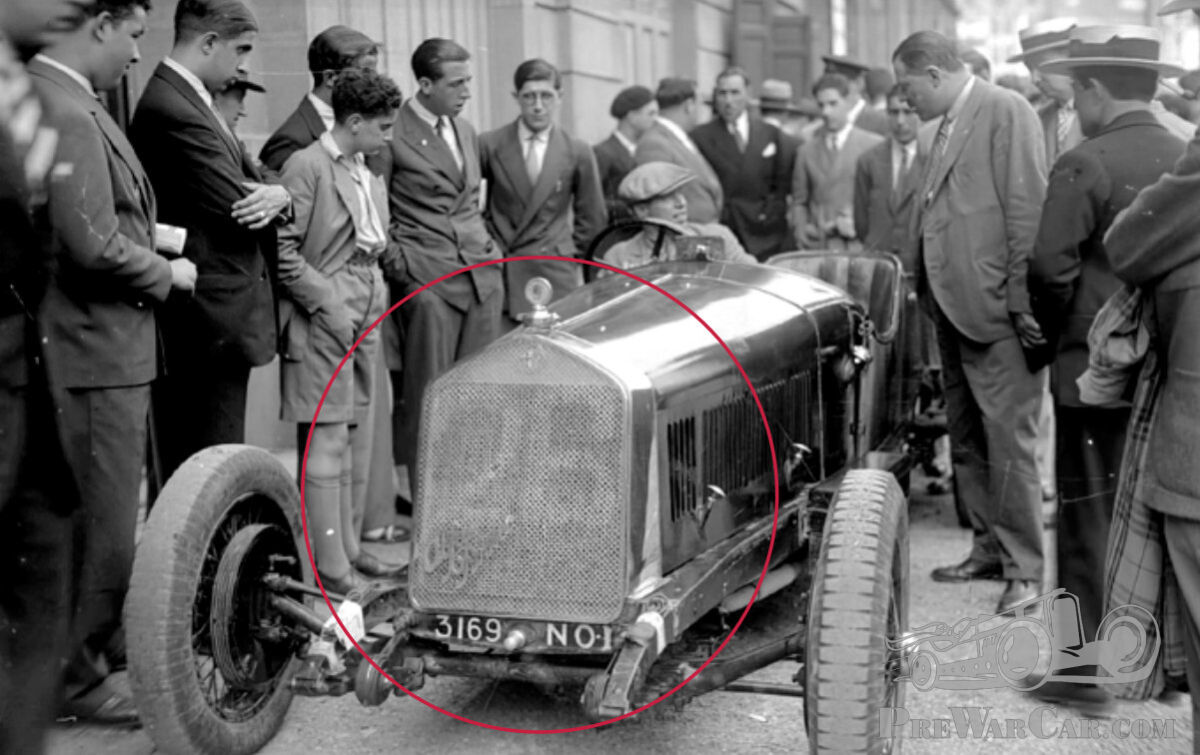
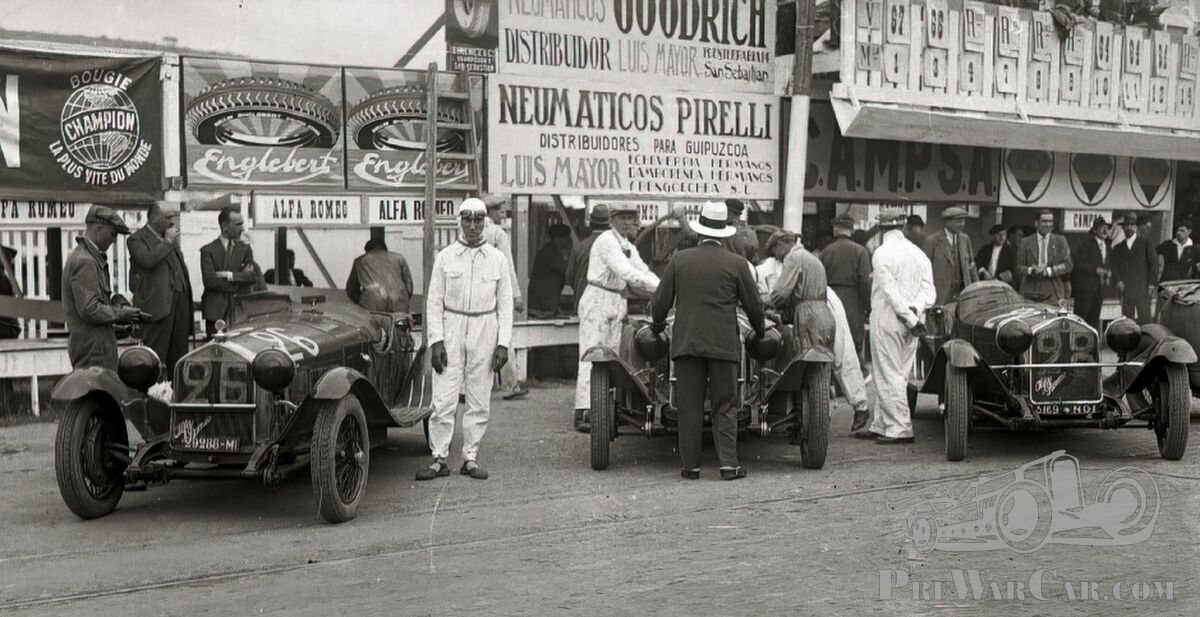
6C0312861 stripped and fitted with a bucket-style body for the San Sebastián Grand Prix on July 25th, 1929. The driver may be Louis Rigal
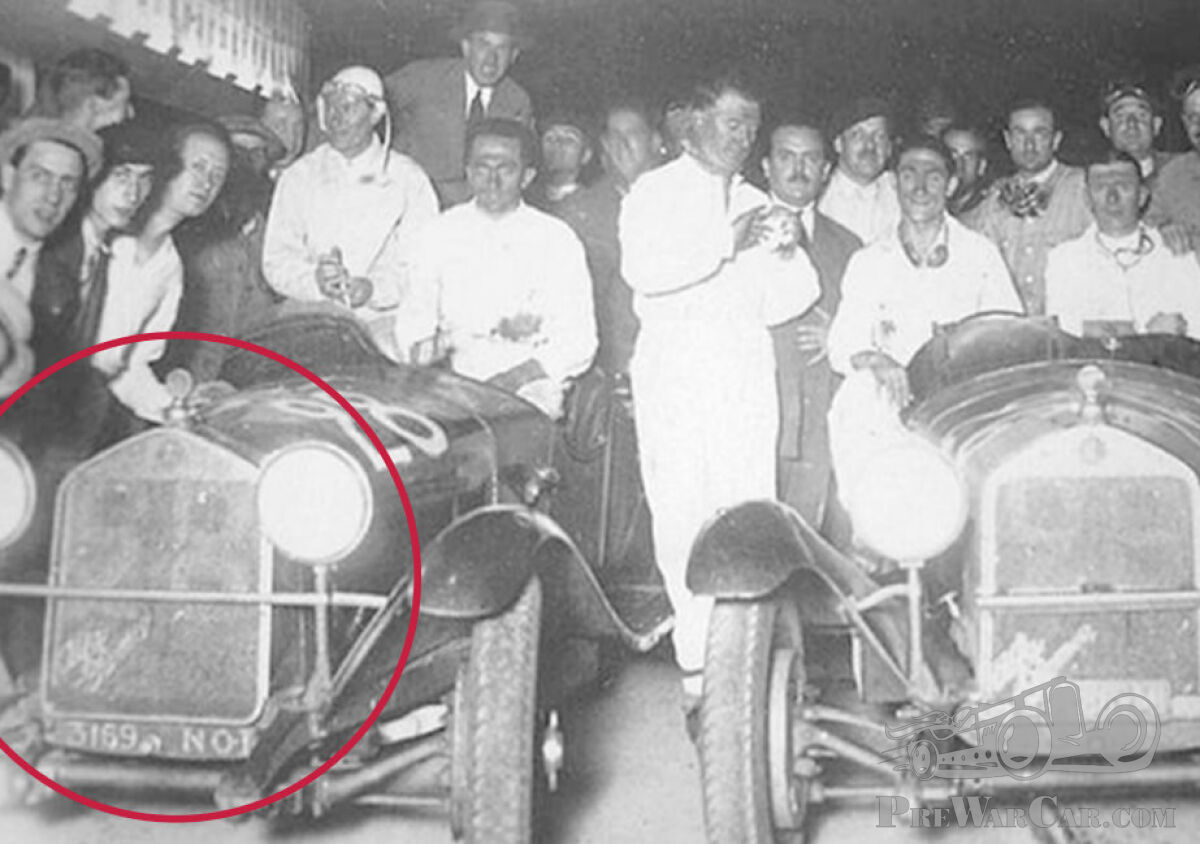
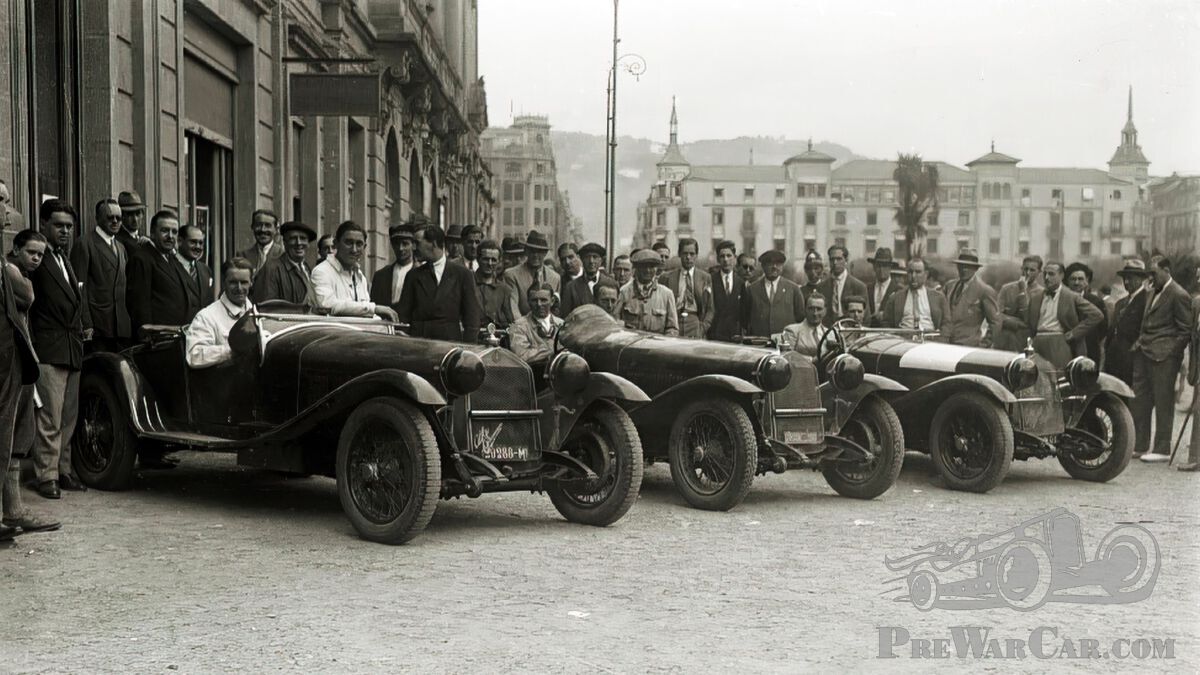
6C0312861 on finishing the San Sebastián race
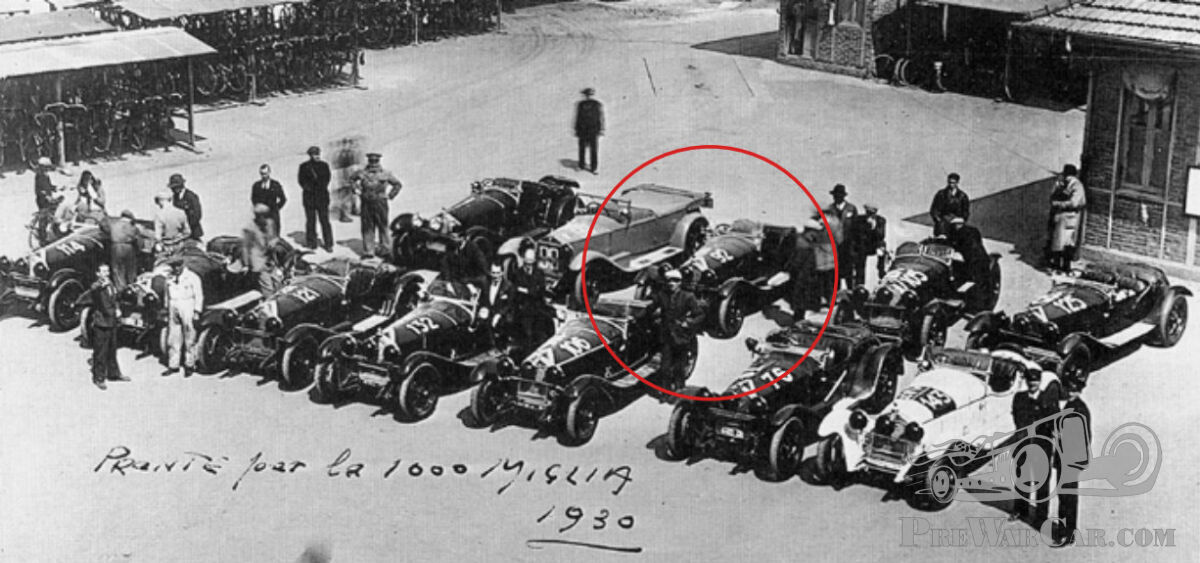
6C0312861 is highlighted among 11 other 6Cs which competed in the 1930 Mille Miglia
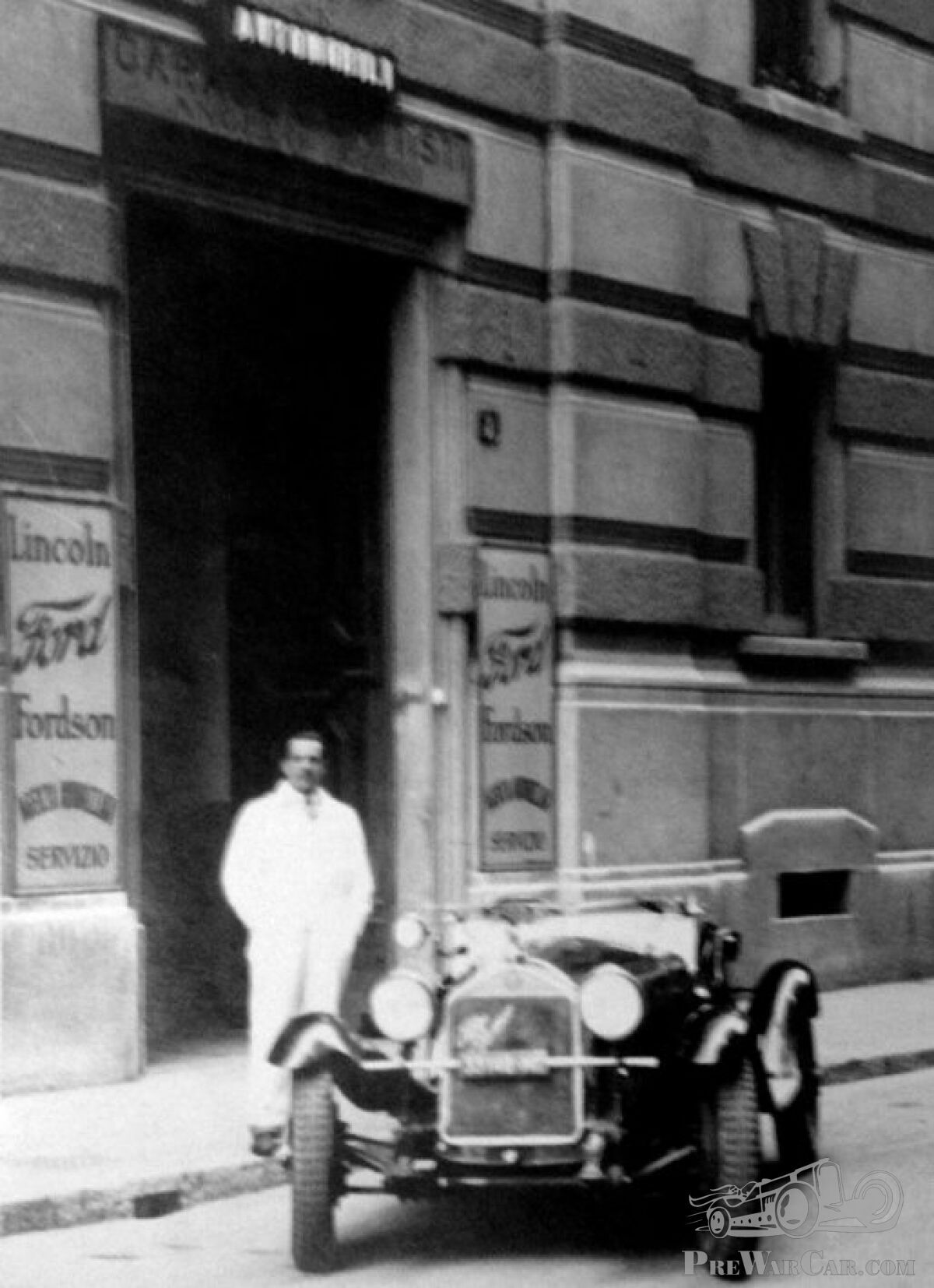
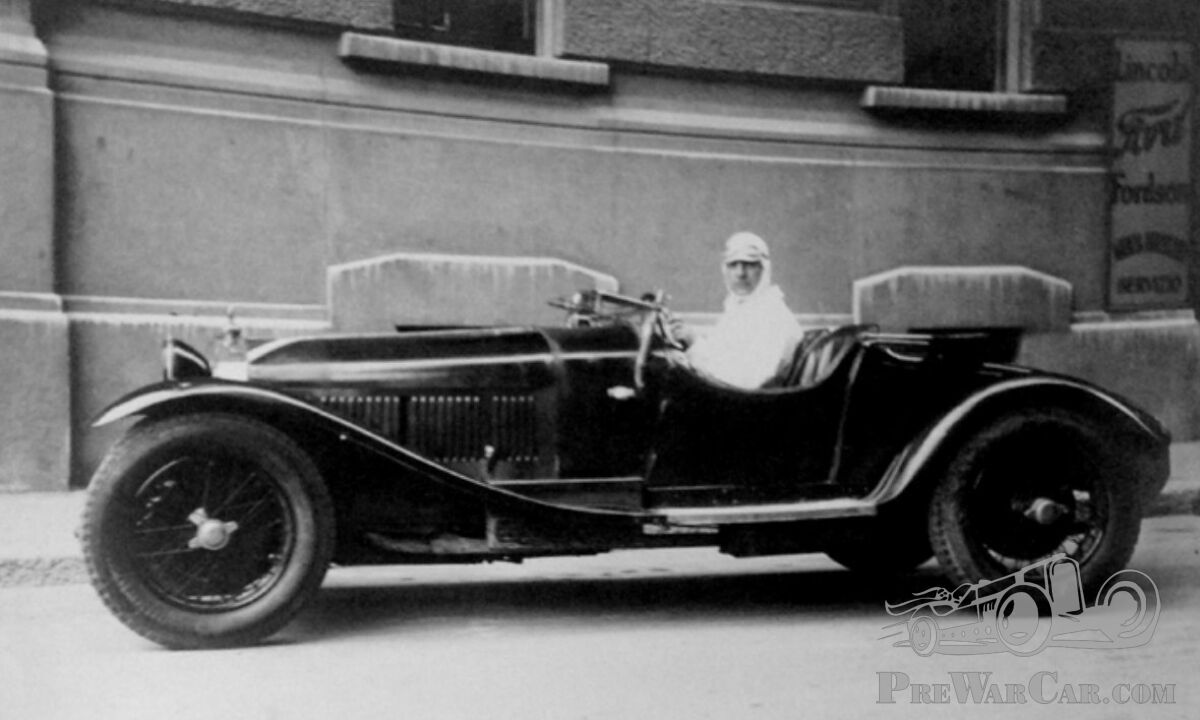
It is seen here with Angelo Cerri outside his garage on Milan's via Cesare Corrento


By 1930, no prestigious sports-car maker would have been without a six-cylinder in its catalogue, but manufacturers had very different ways of building them. Talbots, Lagondas, Sunbeams and Invictas characterised British efforts, being mostly between two and three litres and indisputably sporty though also rather upright. In Germany, the Mercedes-Benz SSK was low-slung and vivacious, but the fact that its six-cylinders amounted to more than seven litres meant there was a lot of weight to wrestle with. It was a heavy car in just about every respect, in fact, and not all drivers were quite up to the job of controlling it.
The Italians favoured something lighter and more delicate. Alfa Romeo was an early adopter of the sporting straight-six, with the ohv, three-litre RL model of 1922. In road trim, it made a fine sports tourer, but it also made a name for itself in racing, notably winning the 1923 Targa Florio. The celebrated Vittorio Jano arrived at Alfa Romeo in 1923 and set about designing a supercharged, dohc, two-litre straight-eight racing car, the P2, which made its competition début in 1924.
A car for the gentleman racer
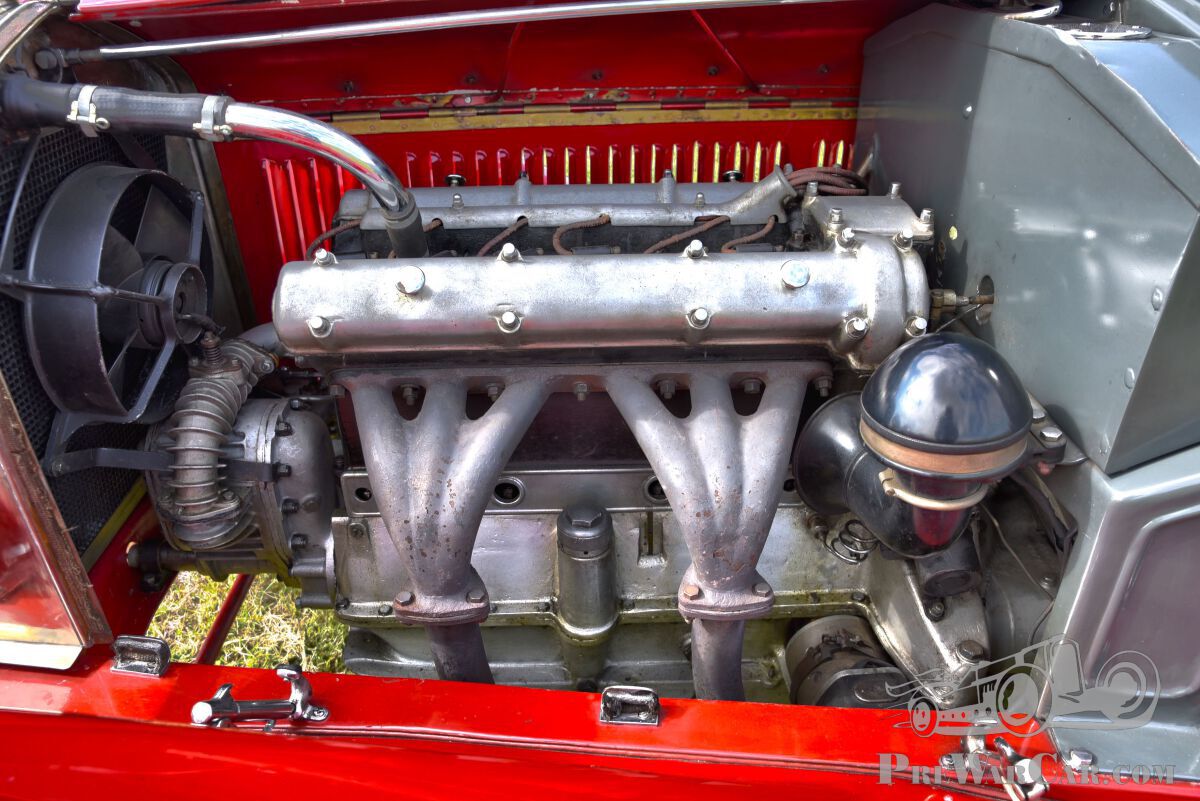
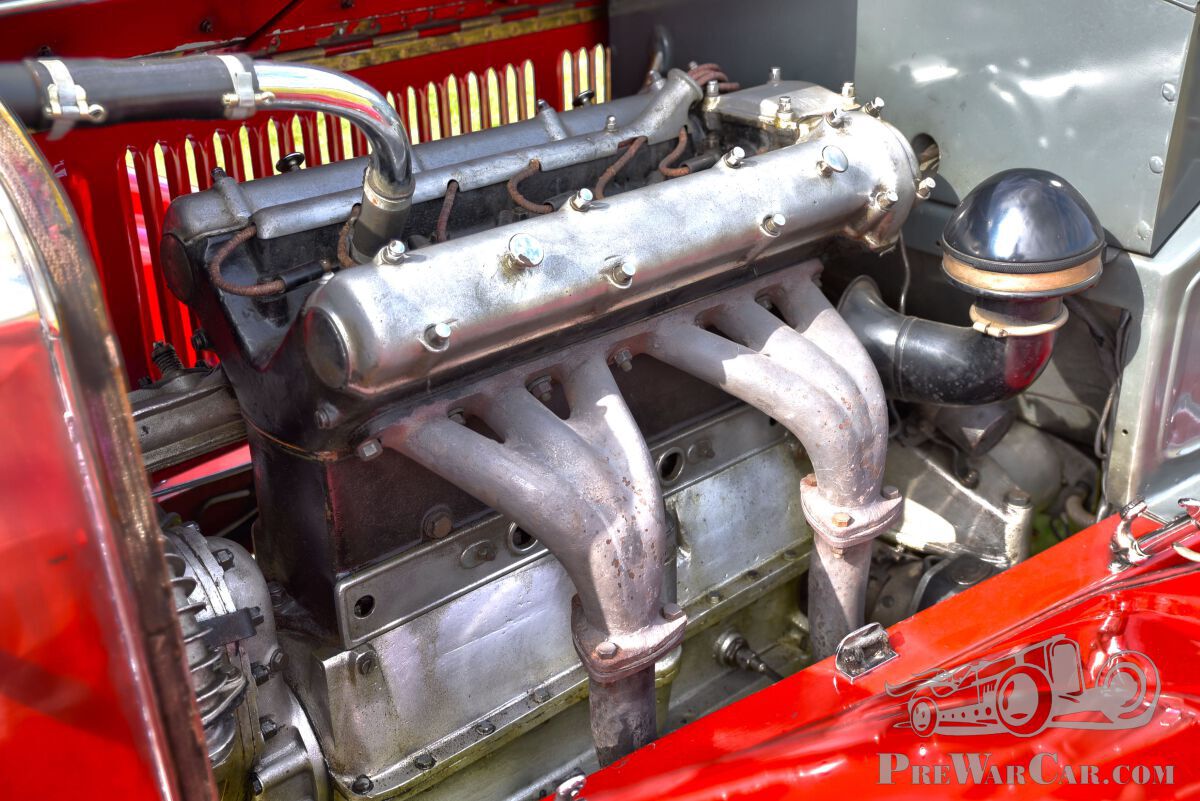
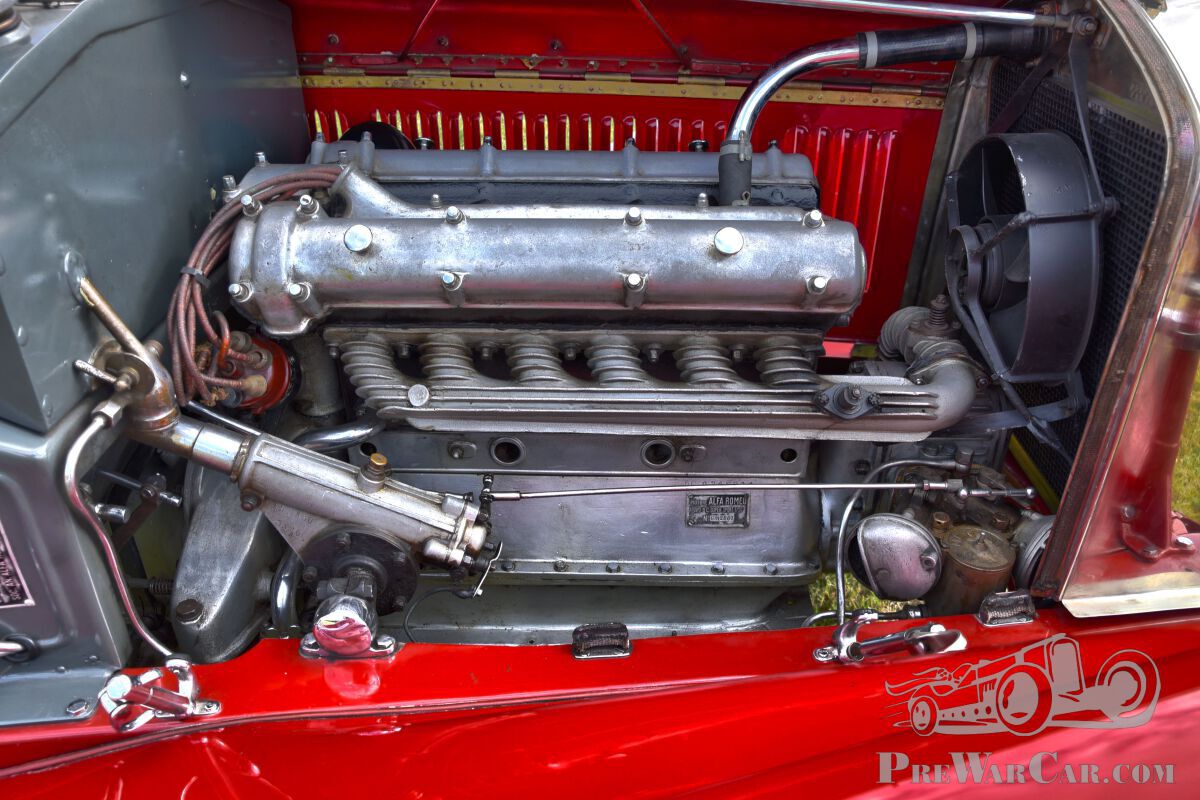
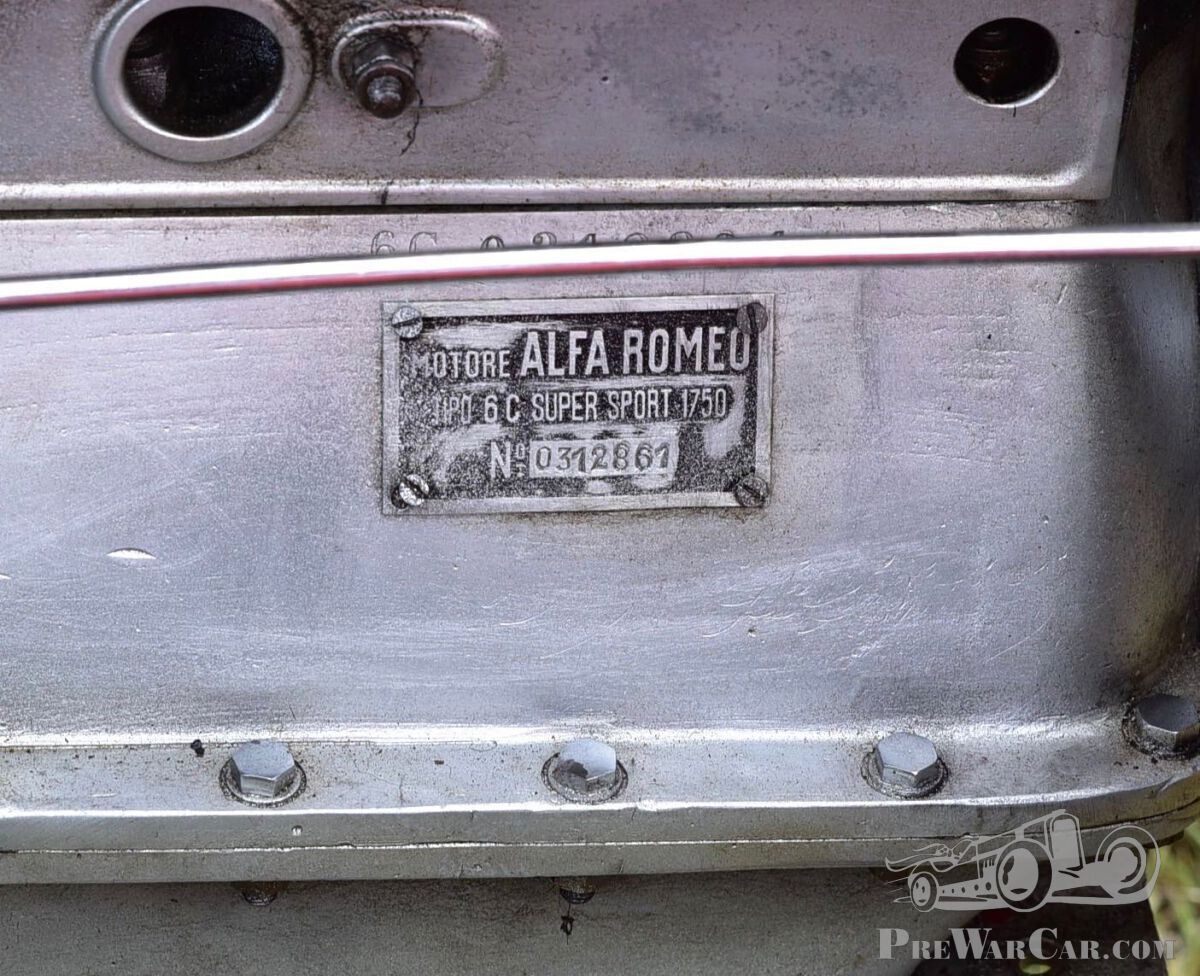
By 1925, Alfa Romeo was looking for a smaller, lighter model to compete in the 1½-litre bracket. The outcome was the 6C—sei cilindri—1500, with bore and stroke of 62 by 82 mm and displacement of 1,487 cc. Developed from the P2, a version was ready for the 1925 Milan Motor Show, but full-scale production did not commence until 1927. In unsupercharged, sohc Normale trim, it produced 44 bhp. It didn't take long for the engine to be developed and expanded, leading to the 6C 1750 superseding the 1500 in 1929. In its most basic form, it used a 1,752 cc (65 by 88 mm) sohc engine, but double overhead cams were used for the Super Sport and Gran Sport models, and a Roots-type supercharger was an option. To call the 6C 1750 a sensation would be an understatement; in its début year it won no fewer than four Grands Prix, the Brooklands Double-Twelve, Ulster TT and Mille Miglia.
Needless to say, there was only one car to own if you were a hot-blooded Italian racing driver, or motorcycle racer, as Achille Varzi had been until 1928, when he graduated to four wheels and a Bugatti Type 35. The young Italian continued to race Bugattis from time to time, but in 1929 he seized the opportunity to drive one of the new Alfa Romeo Super Sports, and he would make his name as a star driver of both Alfas and Maseratis until switching to Auto Unions in 1935.
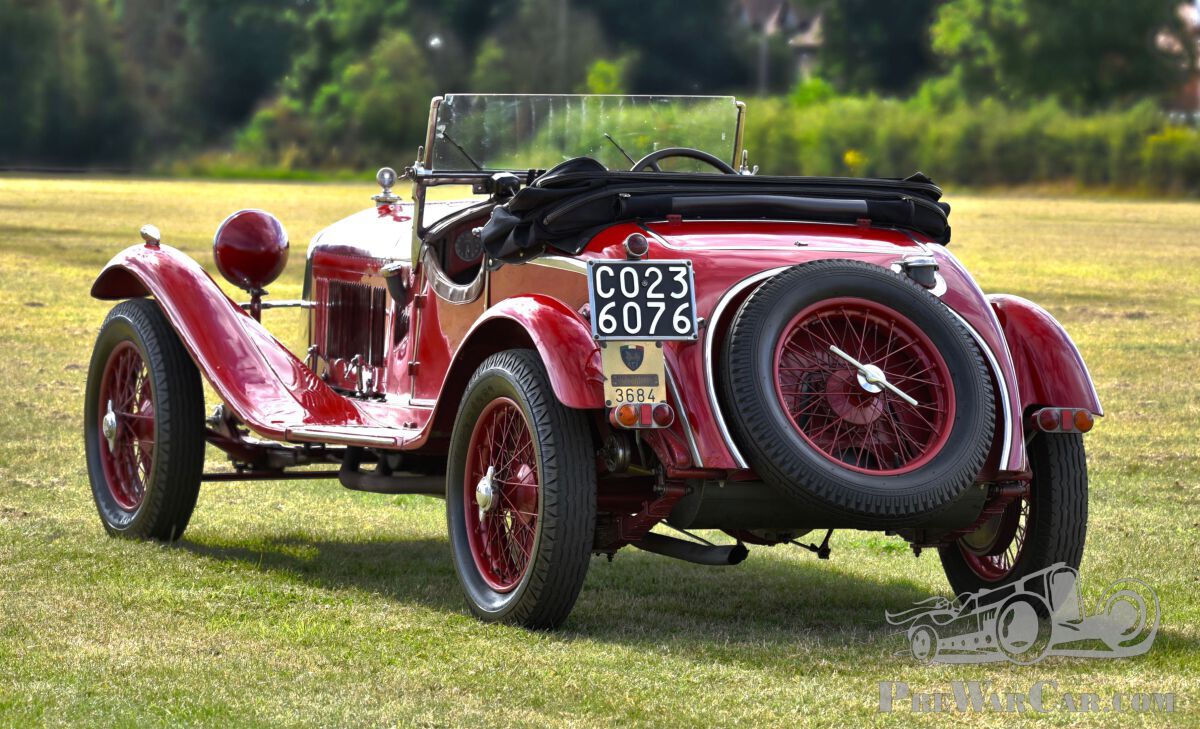
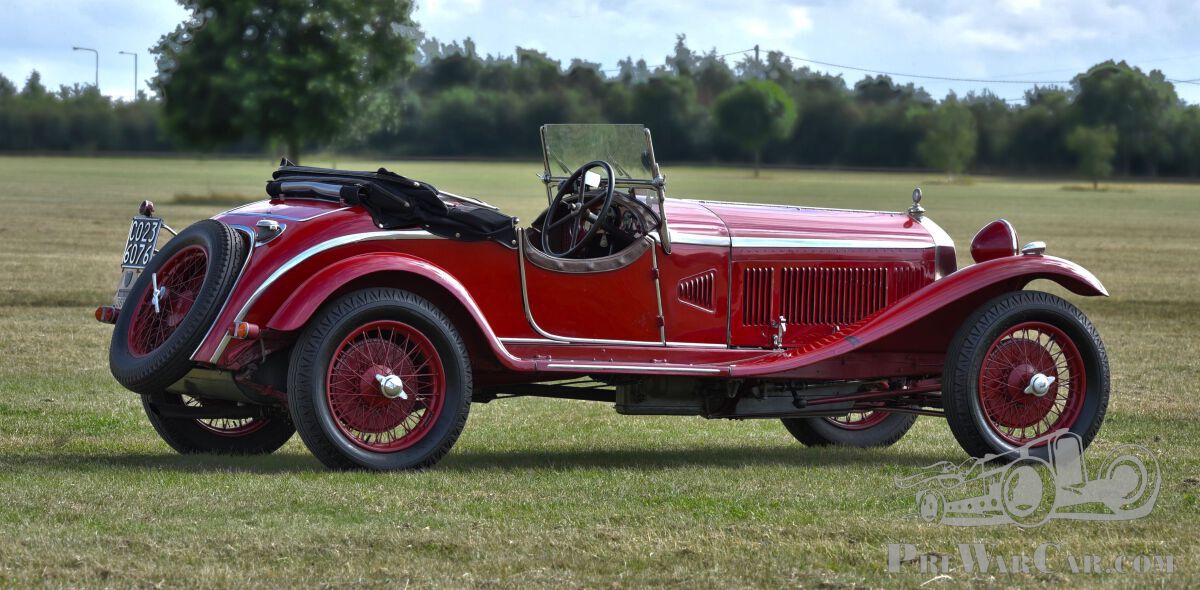
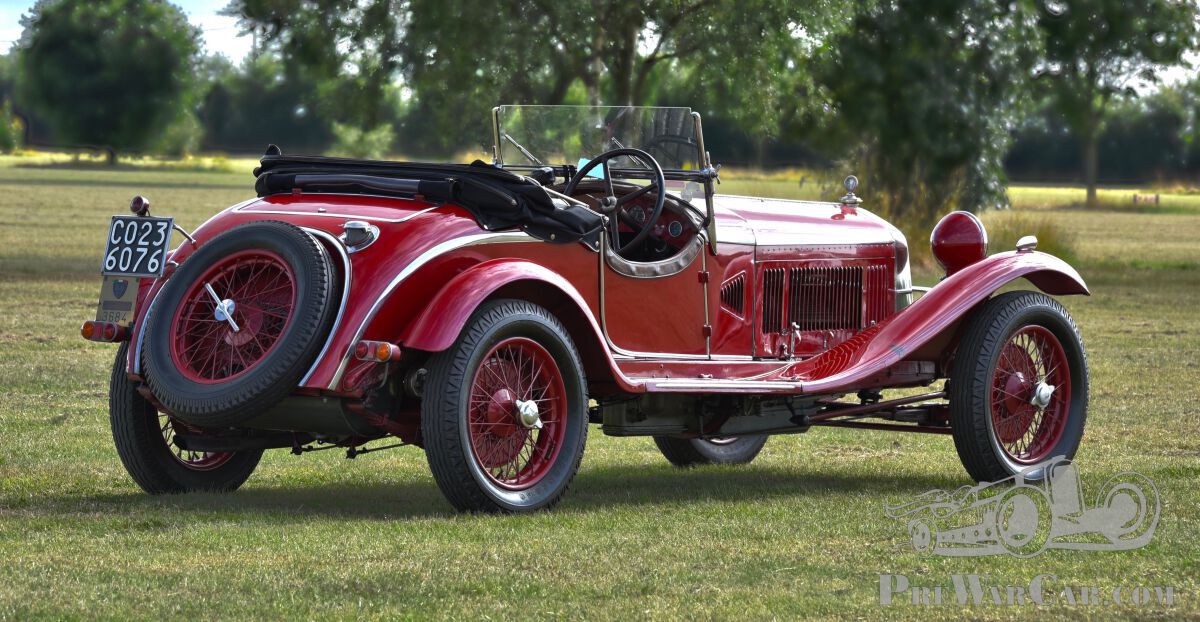
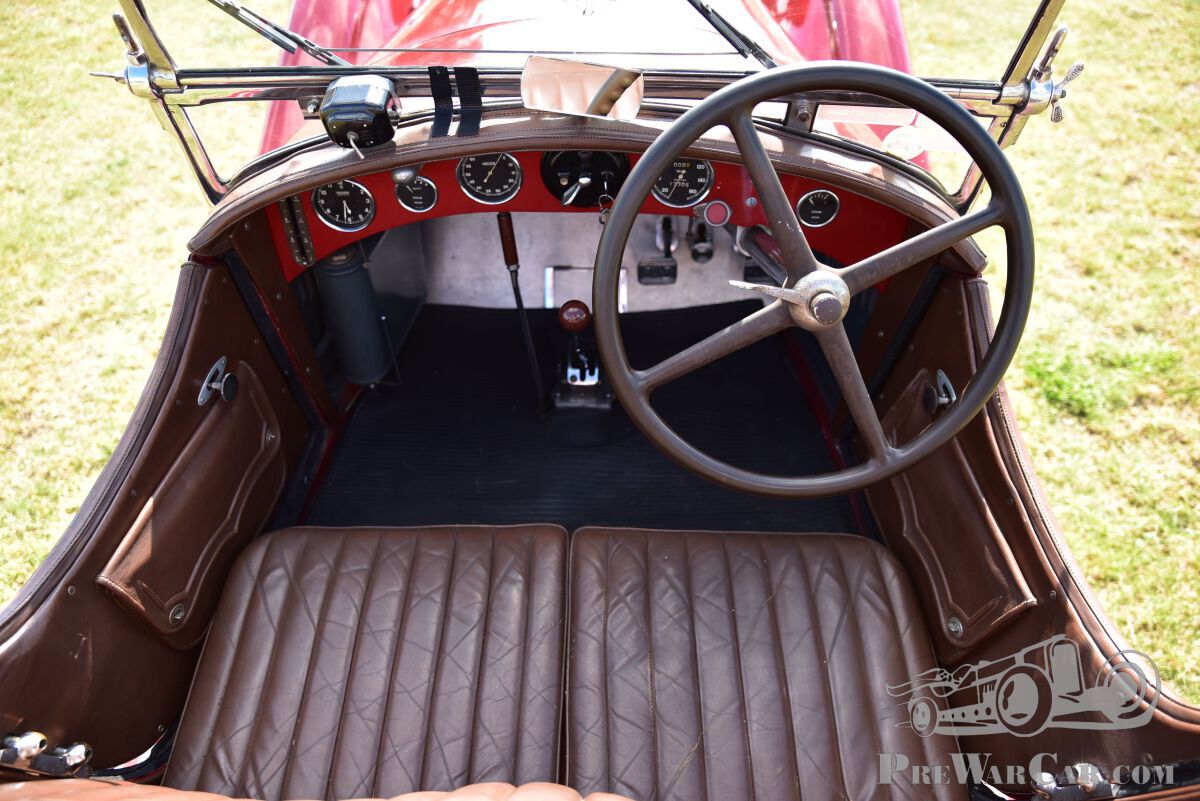
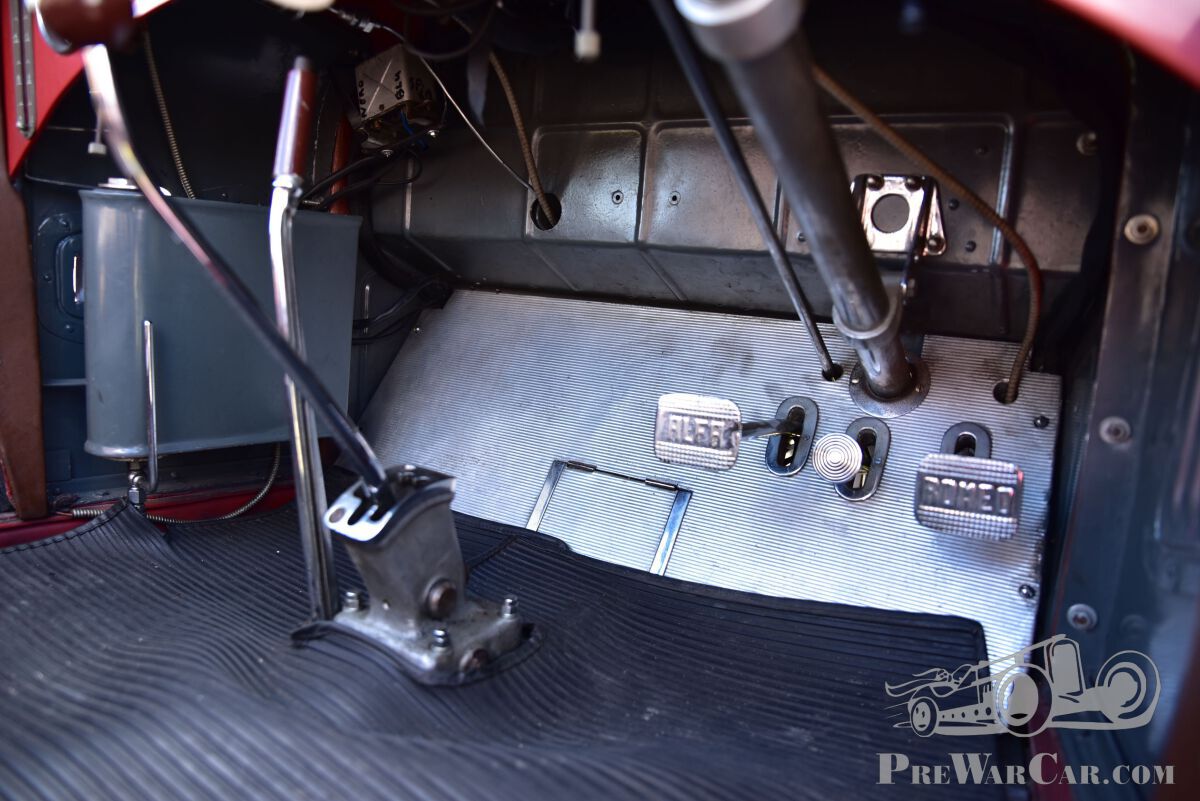
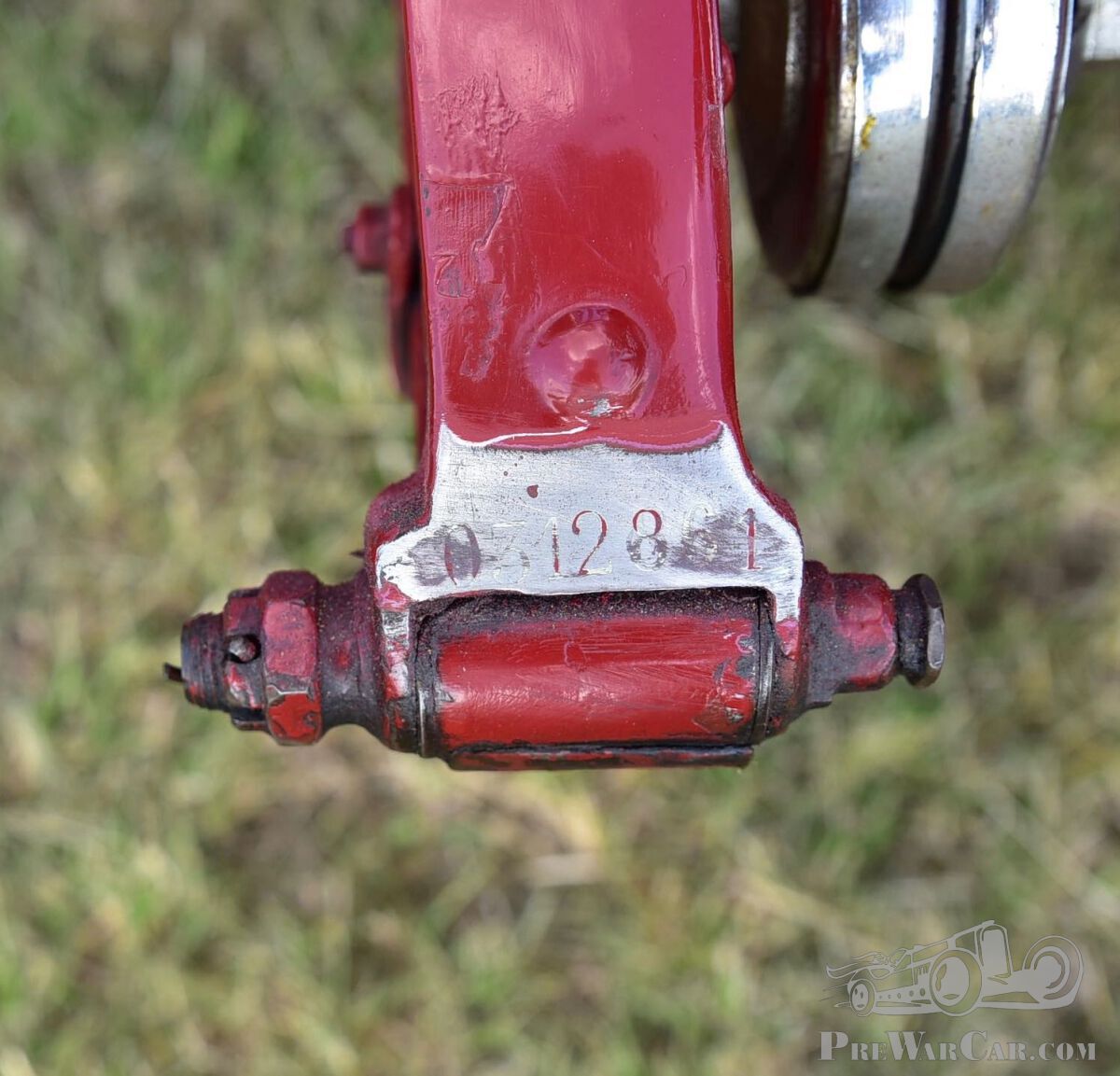
He was a lucky man, because there were not many 6C 1750s to go around. The SS was a 1929-only model, just 52 were produced with superchargers, and chassis 6C0312861, our featured car, was among them. Built to Super Sport specification and fitted with rakish Zagato Spider bodywork, it was also happened to be the very car which, on April 8th, 1929, Varzi bought for his personal enjoyment, forking out the considerable sum of 75,000 lire. He was living in Galliate at the time and the Alfa was registered with the Novara number NO3169. It is not inconceivable that it was his car for the 1929 Mille Miglia. With Gino Colombo, he drove an open two-seater 6C, number 73, in the race, which was run across April 13-14th, so it may be that he bought 6C0312861 expressly for the purpose. Many other racers apparently had the same idea—a total of 26 6C 1750s were entered, 25 finished and six were among the first 10 finishers. Varzi and Colombo finished third.
The road to San Sebastián
Later in the year, Varzi entered a 6C 1750 SS in the Giro di Sicilia over April 27-28th, but after running well in second place for much of the race, he failed to finish. A similar performance followed in the Targa Florio on May 5th, where he retired on lap four. In both instances, his car could very well have been 6C0312861. For the German Grand Prix of July 14th, Varzi's car was listed as a 6C 1500, and he then raced a P2 at the Coppa Ciano on July 21st. Photographic proof of 6C0312861 being raced does not appear, however, until July 25th, when the car was captured at the San Sebastián Grand Prix at the Circuito Lasarte in Spain. Curiously, it was now entered by another noted driver, the Paris-based Alfa Romeo salesman Luigi Chinetti. Visible on the radiator stone-guard is the faint outline of the number 26, suggesting it may have been raced previously, though it may simply have carried the stone-guard from a different car. Appearing in Grand Prix form, i.e. without wings or lights and with a simple, Spartan body, it is understood to have been driven by Luigi Platé, although some sources claim it was prepared for Louis Rigal. Platé's race number was not 26 but 9. It has never been proven that Platé started the race, but a photograph from the event shows somebody, not Platé but possibly Rigal, in the driver's seat.
The Spanish Grand Prix was run on July 28th, also at the Circuito Lasarte, but to sports-car regulations. Here again 6C0312861 was photographed, this time wearing both its Zagato sports-car bodywork and the number 9. Chinetti entered three 1750 SSs in the race, supposedly as a private entrant though he likely had works backing, and reports confirm that 6C0312861 was driven by Platé and Colombo to an impressive second-place finish. Reports are unclear as to Varzi's involvement, but it's thought he might have driven any or all of the cars at different stages of the 12-hour race. For the remainder of the year, Varzi seems to have raced exclusively in what was described as 'his' Alfa Romeo P2.
The Mille Miglia beckons
Unfortunately, nothing more is known about 6C0312681's use during 1929, until it was officially sold in November to Dante Marchese of via Aldo Manuzio, 19, Milan, and reregistered on December 11th as MI33148. Within days, it was sold again to Ezio Cattaneo of Milan's via Vivaio, 20, likely as a trade deal, for he would become a prominent Fiat dealer in the 1930s. Angelo Cerri, also of Milan, enters the picture in February, 1930. He was well-connected in Italian motorsport circles, having assisted Varzi with the purchase of his Bugatti in 1928. Varzi may have returned the favour by helping to negotiate Cerri's purchase of the Alfa Romeo, and his entry with it for the 1930 Mille Miglia, run over April 12-13th. Cerri ran a garage at via Cesare Correnti, 6, a licensed service centre for Lincoln, Ford and Fordson cars and tractors, and legally the Alfa was owned by 'Ditta Angelo Cerri', i.e. the Angelo Cerri Company. It ran as car number 92 in the Mille Miglia, but Cerri and co-driver Curti failed to finish.
In August, 1930, 6C0312861 was sold to Auto S.A., a well-established Alfa Romeo dealer on Milan's Foro Bonaparte which had it for almost a year. This marked the beginning of a long chapter in the 6C's life which would see it passed from pillar to post by multiple owners for no obvious reason. It can only be guessed that its appeal was enormous to rakish young man who had a passionate longing to live like Varzi, but not the money. A brief summary of its subsequent owners is best, as follows:
- July, 1931. Sold for 35,000 lire to Guido Castagnino of Genoa
- Late July, 1931. Sold to G. B. Clarena of Genoa
- November, 1933. Sold to Giovan Battista Penna of Genoa
- August, 1934. Sold to Gabriele Genoino of Lanciano
- June, 1935. Sold for 10,500 lire to Francesco Rossi of Cologna, Teramo
- March, 1937. Sold to Mario Ciarelli of Teramo
- April, 1937. Sold to Salvatore Molinari of Rome
- May, 1937. Sold to Aldo Palma of Rome
- November, 1937. Sold to Alessandro Amerighi of Pieve a Nievole
- May, 1939. Sold to Enrico Zamerino of Voghera
- November, 1944. Sold to Marcello Venturi of Rome
- Late November, 1944. Sold to Antonio Tato of Rome
- March, 1945. Sold back to Signor Venturi and sold again on the same day to Achille Mesolella of Naples
- May, 1949. Sold to Achille Vetroni of Montoro Inferiore
- June, 1949. Sold to Mario Tarantino of Avellino
- July, 1958. Sold to Mario Marzocchi of Bologna
- January, 1962. Sold to Vittorio Zanon of Pollone
- September, 1968. Sold to Rinaldo Villa of Casatenovo and issued with its present number plates
- Possibly sold back to Signor Zanon in Turin at an unspecified date
- Sold in 2001 to Antonio Milanesi of Cremona
- Purchased by the present owner, an Argentine collector, in 2016.
A car for concours and tours
To add to the above history, we find that from some time in late 1944 or 1945 until December, 1947, the Alfa Romeo was officially classified as a 'commercial light truck'. One can only wonder that this change was made in order to secure a greater fuel allowance during years of rationing, but how this might have been approved without the car being rebodied is anyone's guess.
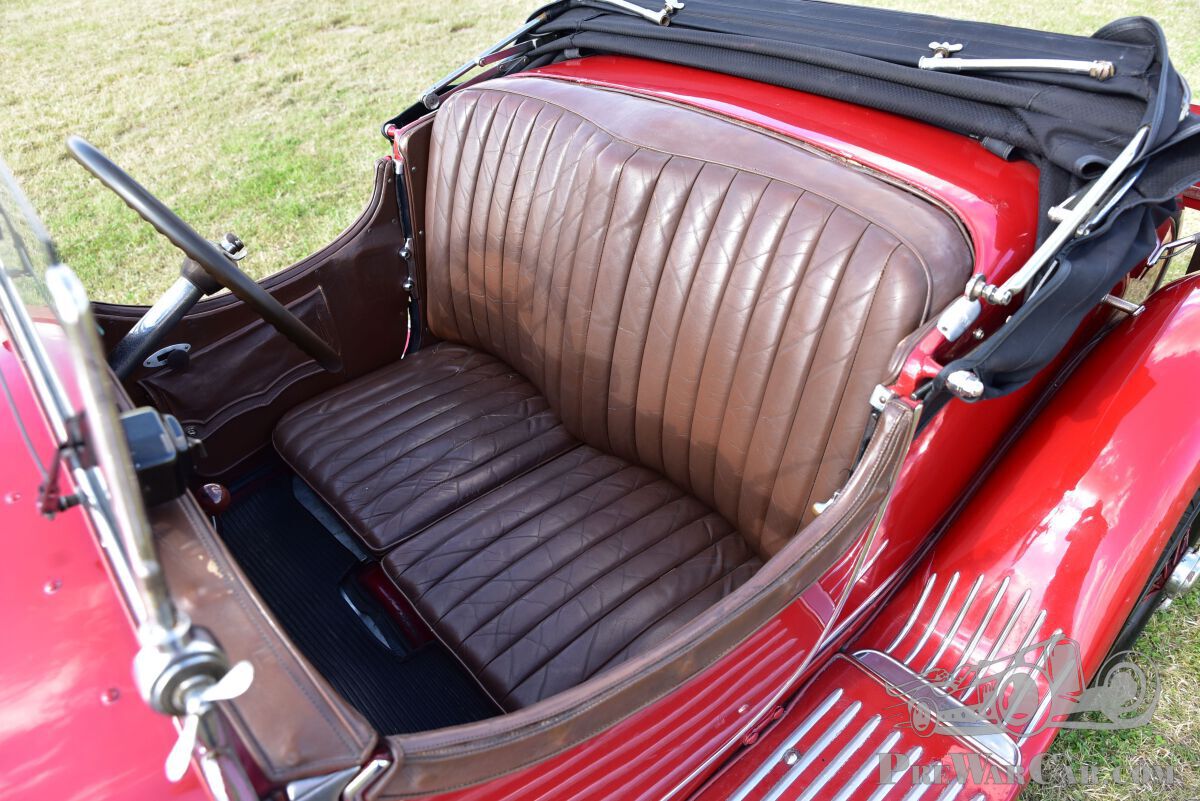
What with being passed around so much, the 6C must have been extremely tired by the 1950s, but as the character of modern motoring changed, it came to be appreciated once again. It may be presumed that Signor Villa was very much an enthusiast, for while in his ownership the car was featured in the 1968 book The 6C 1750 Alfa Romeo by Luigi Fusi and Roy Slater. At some point in the latter half of the 20th century, it evidently received a sympathetic restoration, for it starred in the 1986 Concorso d'Eleganza di Villa d'Este and won the Trofeo Max Meyer.
Since then, little has changed. The restoration it wore at the time has been allowed to mellow, and it appears today as a beautiful survivor with much of its original Zagato bodywork intact, and a very pleasing character enhanced by some light patina. It's a real treat for the eyes and visitors to Salon Rétromobile will be able to see it in person. It will form part of a superb selection of cars on the PreWarCar.com stand in Hall 1, stand number P-014), so be sure to come and find us and have a good look. It will also be for sale, so if you fancy a car for historic tours and rallies such as the Mille Miglia, what could be better than one with proven Mille Miglia provenance?
Salon Rétromobile runs from January 31st to February 4th and will play host to dozens of first-class pre-war cars. To buy tickets, click here.
Words: Zack Stiling
Publiziert:
Montag Januar 22nd, 2024
Facebook
LinkedIn
Twitter
WhatsApp
Email
Copy