Das weltweite Magazin und der Marktplatz für Oldtimer-Enthusiasten – von Enthusiasten.
Das weltweite Magazin und der Marktplatz für Oldtimer-Enthusiasten – von Enthusiasten.


Filter
Auswahl treffen
- Autos
-
Marke >>
-
Baujahr >>
-
-
Kategorie >>
-
Länder >>
- Motorräder
- Teile
-
Automarke >>
-
Hersteller >>
-
Kategorie >>
- Fahrräder
-
Baujahr >>
-
Länder



The Race from Paris to Amsterdam in 1898 - Part 2

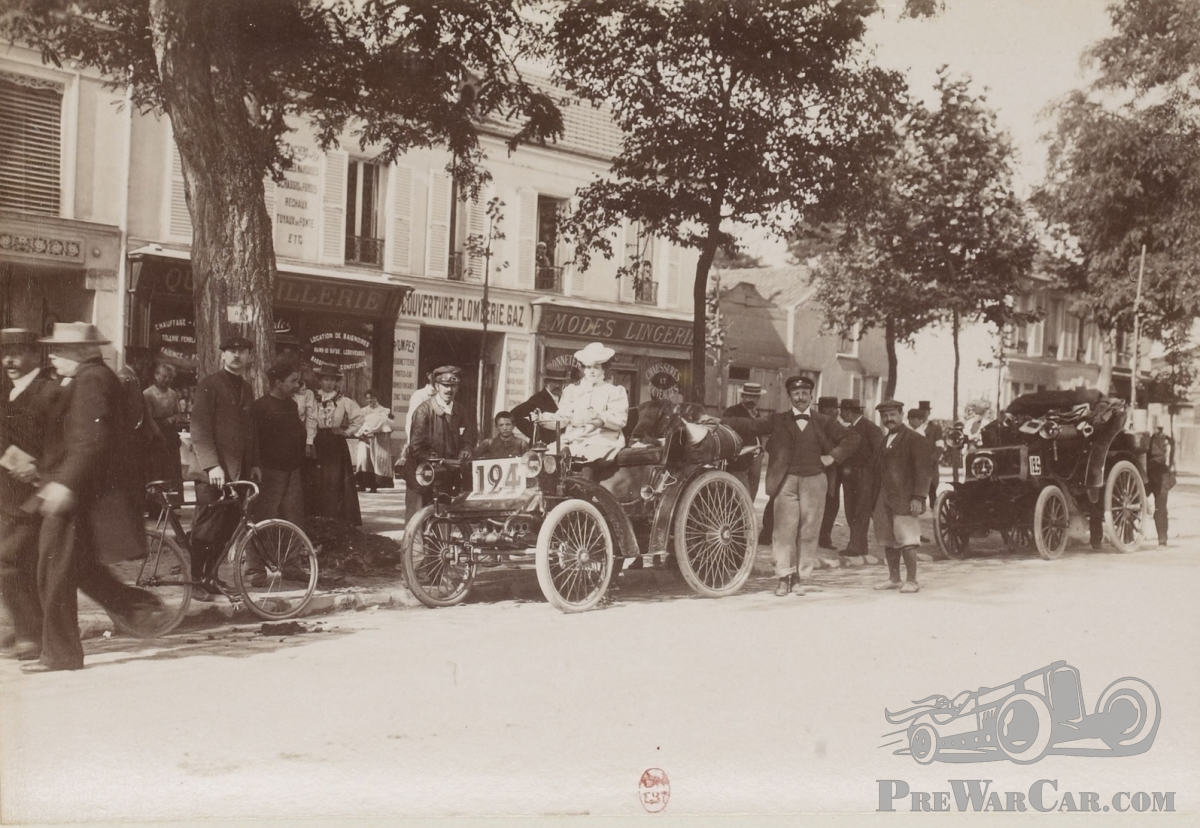
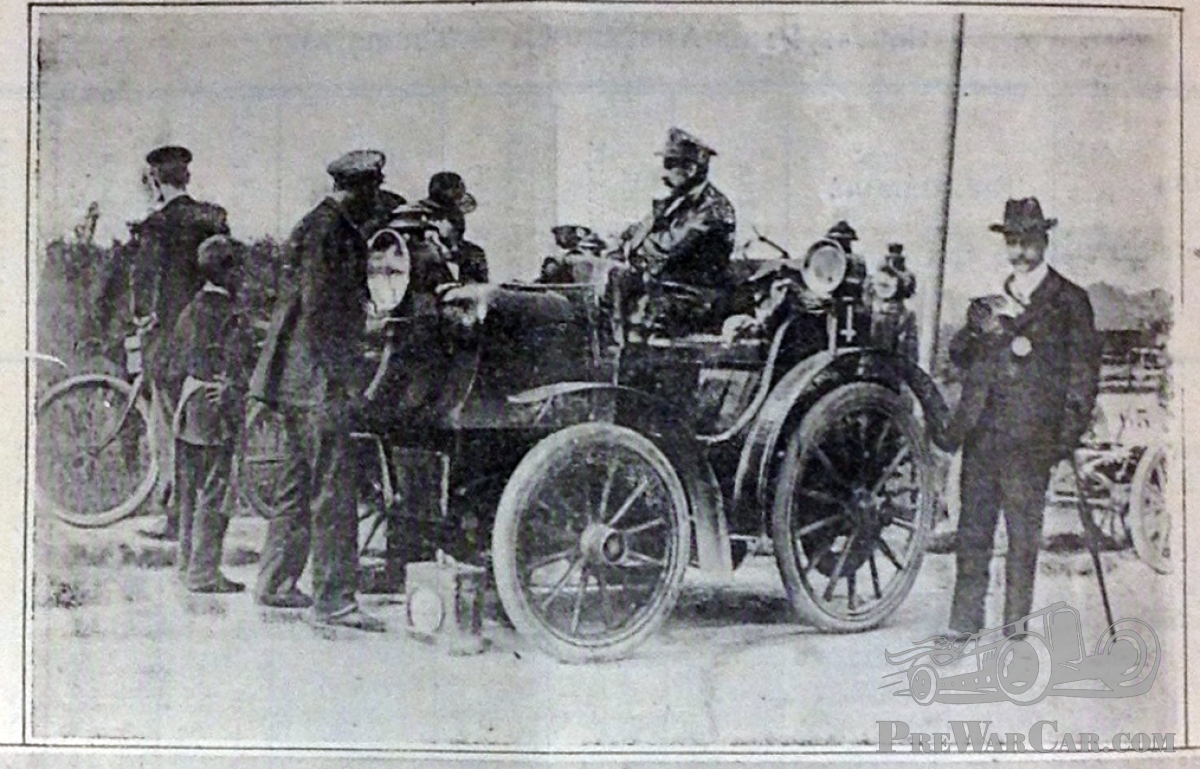


The decision for Amsterdam as a destination for the first international race of the Automobile Club de France, the ACF, was not a unanimous one from the start. Many cities had been put forward, including Vienna and St. Petersburg. And although the Russian option was a serious one, it was finally postponed to 1899 because of the short period to make all necessary preparations. Amsterdam was, therefore, the best alternative, the roads were good as were the contacts. Moreover, the demonstration value of the race could be enormous, as many people in The Netherlands had never seen a car before.
Because Amsterdam was relatively close to Paris, it was decided to include the return trip to Paris, making a total distance of 1430 kilometers. The race was divided into 3 stages both ways with stopping places in Château Ardenne, Nijmegen and Amsterdam way up and Liège, Verdun and Paris again on the return. The tourists used 5 stages with Nijmegen and Amsterdam as simultaneous stopping place with the racing section. During the return trip, the tourists would make a small detour via Luxembourg. The rest day (on July 10th) included, the race would last therefore 7 days, the tourists would take 11 days: the latter started two days earlier and finished two days later.
The organizational part with respect to customs formalities and other arrangements with the foreign authorities was all settled in time. Serious problems arose however after the tourists had already departed. M. Bochet, Prefect of the Police in Paris, apparently had the feeling he was losing control to the ACF with respect to the organization of the race. Therefore, he demanded all racing cars to be examined by him to receive a 'certificat de réception', indicating that the vehicle was safe for use on the public roads in Paris. This certificate had become obsolete already for some time, so everybody was alarmed. It became a real issue when on the day before the race M. Bochet refused the racing Bollées, followed by many others. It ended in that they refused participants smuggled their cars during the night by train from Champigny to Villiers, outside the reach of M. Bochet. In a brave action, Amédée Bollée regained the petrol stores guarded by Bochet's Hussars pretending to return them to a safer place in Paris.
The next morning all vehicles which had been approved by M. Bochet drove from Paris to Villiers-sur-Marne, where they were joined by the other cars. At 8.37 am Charron was the first to start, followed by the others at 30 seconds intervals. The total number of participants starting is not fully certain: Gerald Rose mentions a number of 48, but La France Automobile at first 47 and later only 43. We know of course from an earlier post (June 19th, 2017) that Roch-Brault's Vincke already suffered a broken steering gear at the start. Probably La France Automobile had not counted him as a starter and maybe also some of the other cars, which had broken down already very soon after departure. Anyway, the race was on and the story continues next week!
On the lead photo the Amédée Bollée of Vinet at Château Ardenne, on the second photo (by Jules Beau; courtesy Gallica-BnF) the start of the tourists at Champigny with the Peugeot of Ricard (no.124) followed by the Panhard & Levassor of Lapanne (no.125) and finally the unfortunate Roch-Brault with his Vincke at the start in Villiers.
You can read more about the 2018 run and its participants on www.parijsamsterdam.nl.
Words by Ariejan Bos.
Publiziert:
Dienstag April 10th, 2018
Facebook
LinkedIn
Twitter
WhatsApp
Email
Copy