Das weltweite Magazin und der Marktplatz für Oldtimer-Enthusiasten – von Enthusiasten.
Das weltweite Magazin und der Marktplatz für Oldtimer-Enthusiasten – von Enthusiasten.


Filter
Auswahl treffen
- Autos
-
Marke >>
-
Baujahr >>
-
-
Kategorie >>
-
Länder >>
- Motorräder
-
Standort >>
- Teile
-
Automarke >>
-
Hersteller >>
-
Kategorie >>
- Fahrräder
-
Baujahr >>
-
Länder



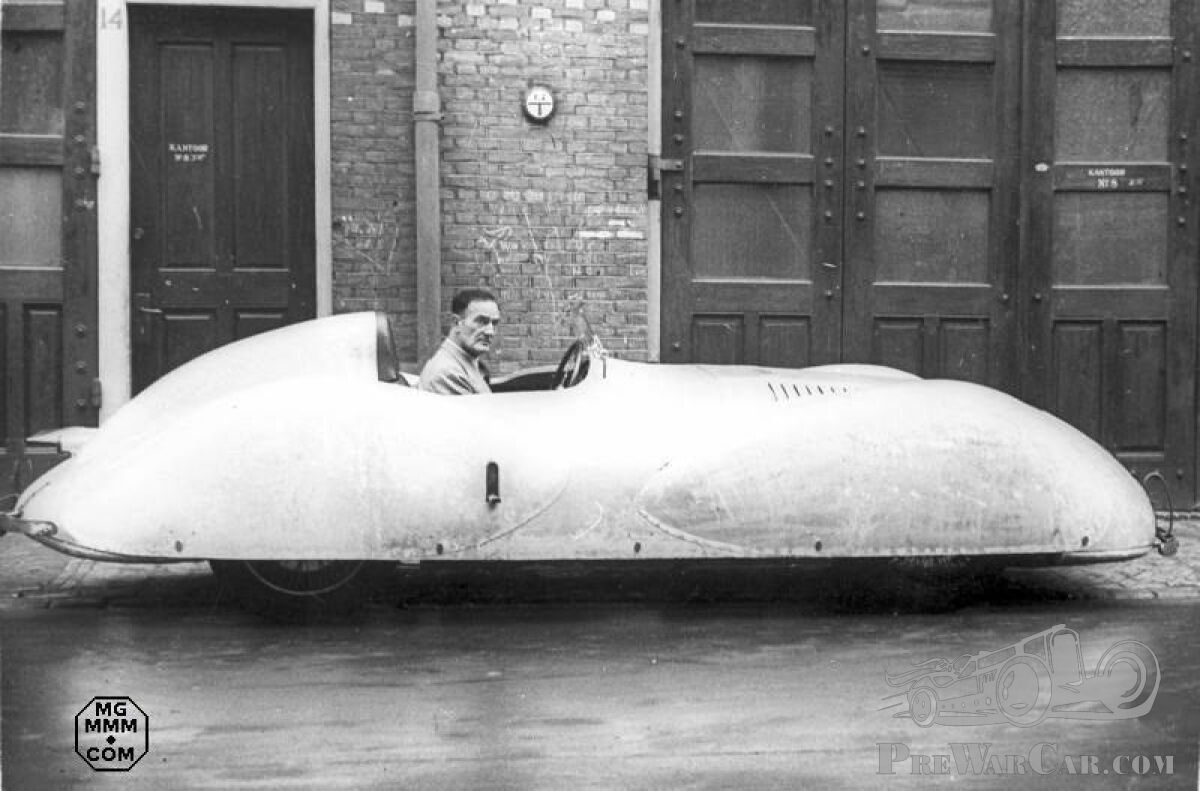
The mystery of the Netherlands' lost MG streamliner


MG enthusiasts, look at this! When you think of an MG streamliner many of you will think of the radical EX181 land speed record car with its bubble top, as driven by Stirling Moss on the Bonneville Salt Flats. With a supercharged twin-cam four-cylinder engine plus a highly toxic mixture of flammable fluids, it managed to produce a whopping 290bhp with a capacity of just 1½ litres, reaching almost 250mph (400km/h) and easily taking the land speed record for its class from the previous record holder. It was quite incredible, certainly, but all that took place in 1957.
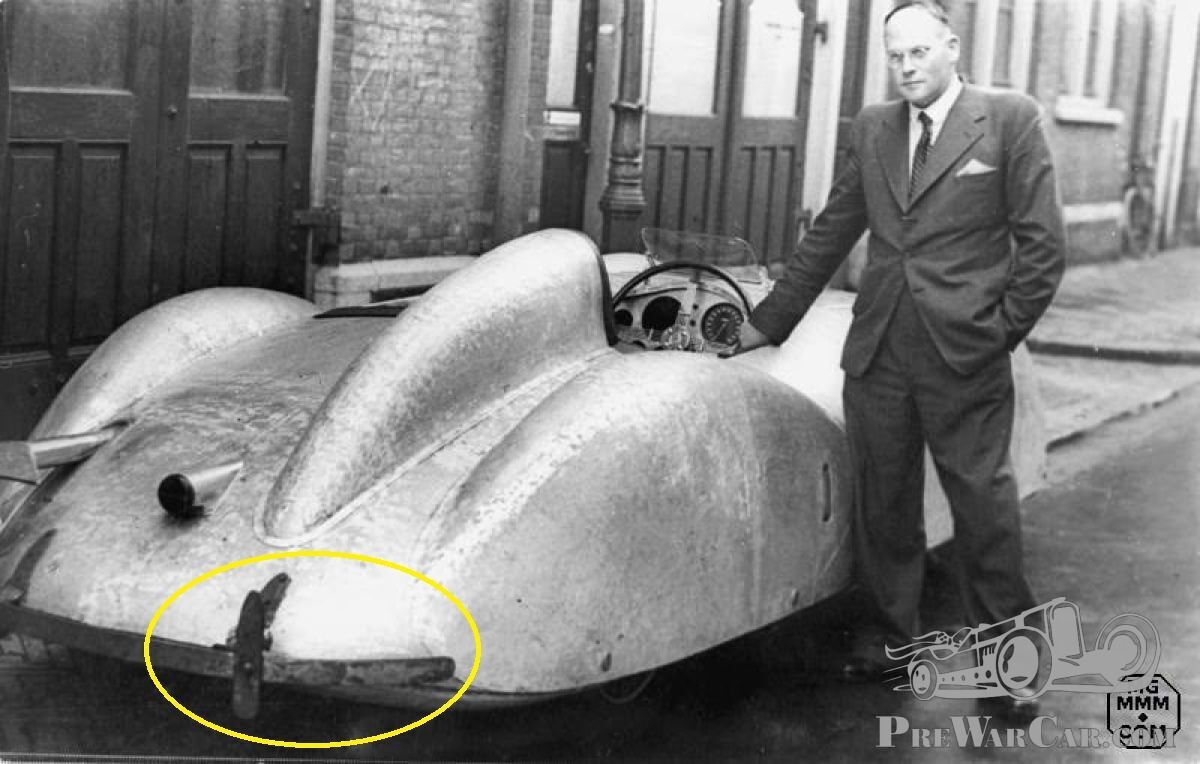
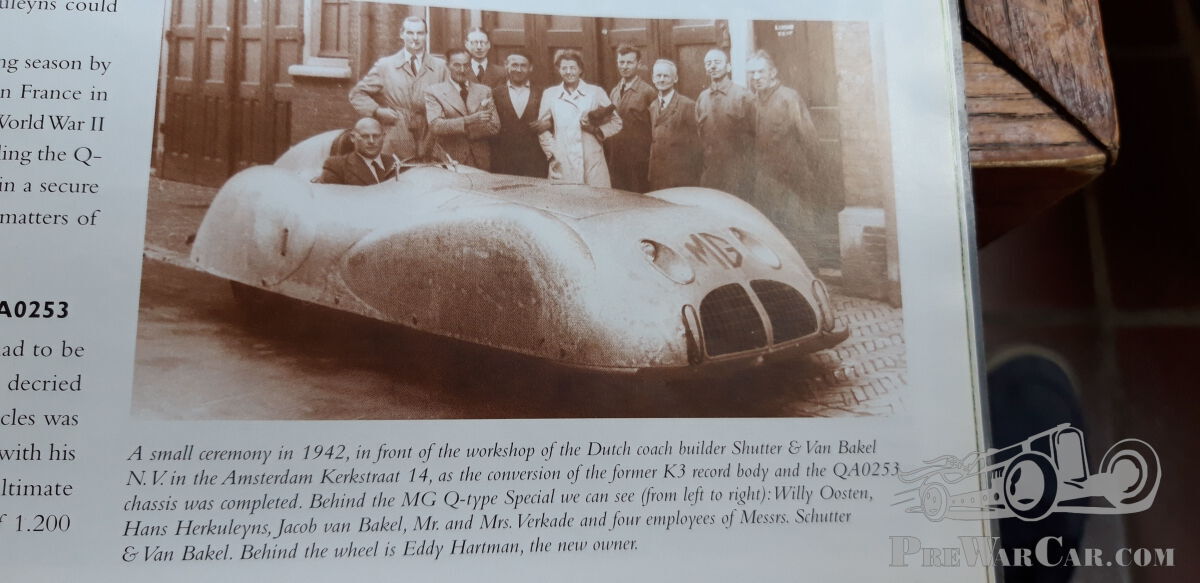
This picture is said to date from 1934 - no less then 23 years earlier, with the MG supposedly being either a Q-type or a K3. The aluminium body was made by the coachbuilders of Schutter and van Bakel, the photograph being taken outside their workshop in central Amsterdam. Dutch textile heir and sports fanatic Eddie Hertzberger, a keen boxer, yachtsman, skier as well as motorsport enthusiast, is said to be the man behind the wheel here. However, a comment from one Colin Butchers tells us: ‘The body was fitted to Hertzberger's K3031 for the 1937 season and although it was removed from the K3 when it was sold in 1938, it was included in the sale.’
Things get even more confusing as he continues: ‘In 1941 the Q-type was sold to E. Hartmann and the special body was fitted to the Q and was used in this form on the road. It has been suggested that the photograph was taken at the time of the purchase of the car by Hartmann after the body had been fitted to the Q-type and that the proud new owner could be the tall chap standing behind the car.”
So, does this MG streamliner actually date from later than 1934? It does indeed seem very early for a body as aerodynamic as this one. Furthermore, what exactly happened to it? Surely there must be more pictures of this creation in existence?
Words: Jeroen Booij; picture: Museum Van Loon
Publiziert:
Montag September 25th, 2023
Facebook
LinkedIn
Twitter
WhatsApp
Email
Copy
Kommentare
David ten Hoonte
03 September 2024, 19:20
In the magazine "Het Automobiel", No. 25, April, 1982, there is an article about Mr. Hascher finding this streamliner under a tarpaulin in the Netherlands.
Weiter lesen


Pork Pie
30 September 2023, 01:54
all clear like mud....
1942 sound much better than 1934....
seeing the quality from that shop in 1934, see attachment...
and the 1942...slightly different...in 1942 they actually had only body repair shop, the coachbuilder shop was closed before WW II,
so that was a one of kind job
asking about Mercedes, the W 25R - the first known full body streamliner for record attempts - run in 1936 367 km/h (228 mph). The first
W 125R version from 1937 didn't work as well as the 1936 - this 1937 had the issue to lift the front at highspeed...not the best idea...so Auto Union could set a new mark without competition.
and talking about salt flats...on the 5th October it will be 11 years that I joined the Bonneville 200 Mile Club.....:-)
Weiter lesen
1942 sound much better than 1934....
seeing the quality from that shop in 1934, see attachment...
and the 1942...slightly different...in 1942 they actually had only body repair shop, the coachbuilder shop was closed before WW II,
so that was a one of kind job
asking about Mercedes, the W 25R - the first known full body streamliner for record attempts - run in 1936 367 km/h (228 mph). The first
W 125R version from 1937 didn't work as well as the 1936 - this 1937 had the issue to lift the front at highspeed...not the best idea...so Auto Union could set a new mark without competition.
and talking about salt flats...on the 5th October it will be 11 years that I joined the Bonneville 200 Mile Club.....:-)


Jeroen Booij
29 September 2023, 11:29
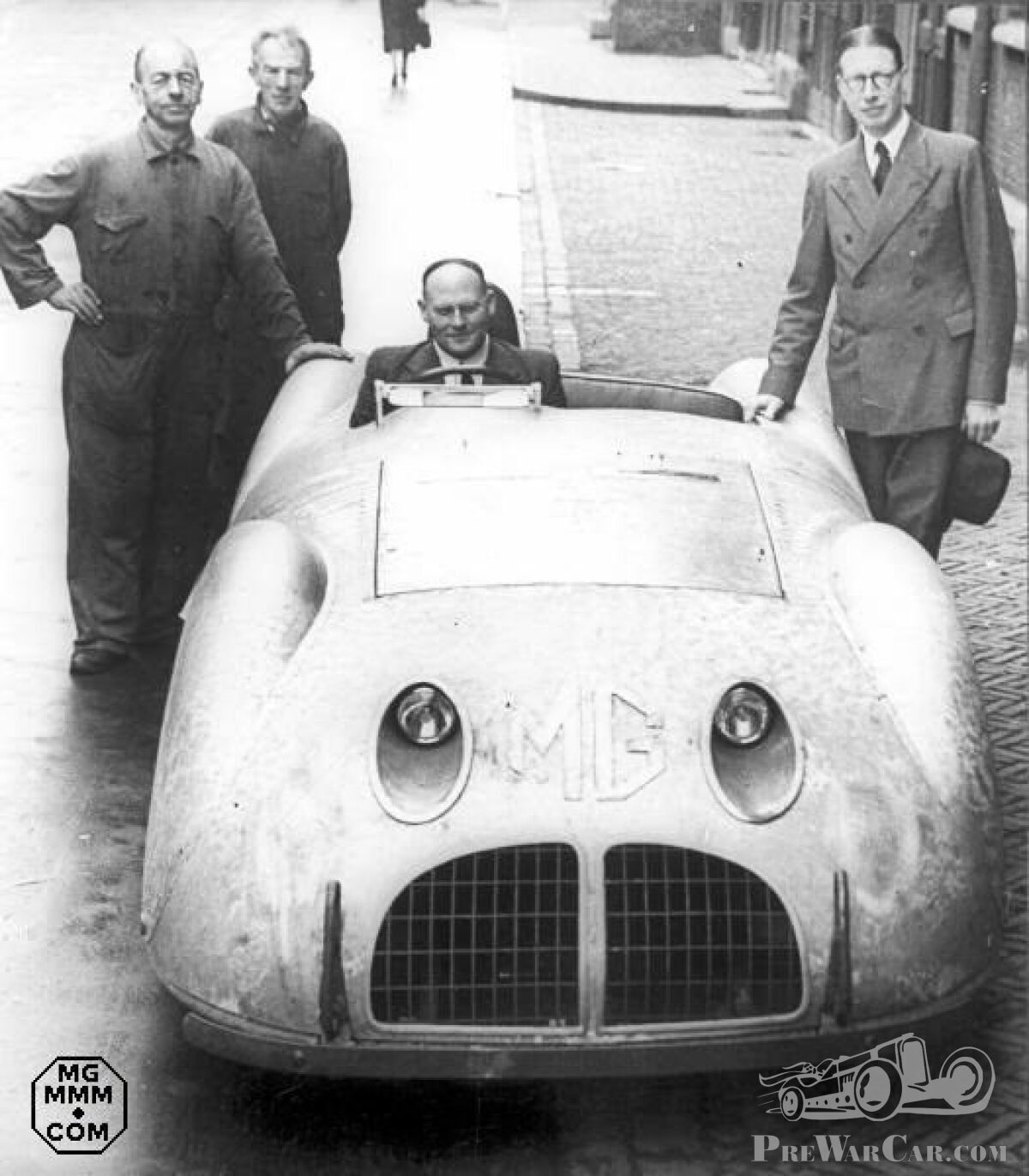
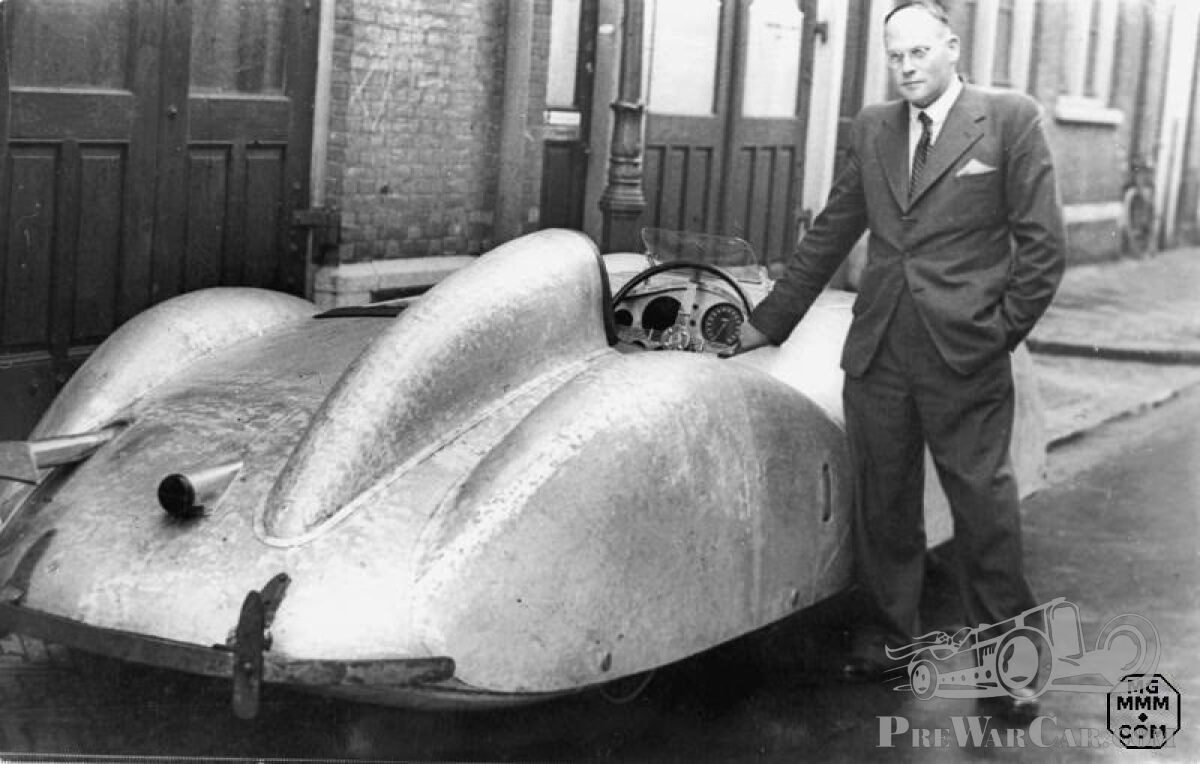
Three 'new' photos of the MG streamliner, via the MG Triple M register.
The bald man in it is reportedly E. Hartmann.
Weiter lesen
The bald man in it is reportedly E. Hartmann.
Erik van Hardeveld
01 Oktober 2023, 20:51
Correction: the person in the 3rd photo is Hans Herkuleyns!
Weiter lesen
Erik van Hardeveld
28 September 2023, 11:23
According to Wiard Krook in his 8-page article in the 2004 MG Triple-M Yearbook on Hans Herkuleyns, (an in my opinion underestimated prewar Dutch racingdriver) the chassis of this car is MG QA 0253, a car newly bought by Hans Herkuleyns in 1934.
The man behind the wheel is Mr Hartman, not Eddy Hertzenberger.
Weiter lesen
The man behind the wheel is Mr Hartman, not Eddy Hertzenberger.
Herman van oldeneel
29 September 2023, 08:04
According to Willem van Bakel (magazine "Het Automobiel", vierde episode) the body was built by Jan Gelink and Jan Bakker and Herzberger behind the wheel.
My remark: Maybe he mentioned a fenderless streamlined MG, raced by Herzberger & Herkuleyns?
Weiter lesen
My remark: Maybe he mentioned a fenderless streamlined MG, raced by Herzberger & Herkuleyns?
Pork Pie
27 September 2023, 13:44
More information.
The coachbuilder has listed one MG K3 for 1934 in his contract list...but as a cabriolet....this kind of bodywork would have run under sportscar(!).
a other point...the headlights...they are very small...in mid 30's there was some experimental and prototypes of smaller headlights...but the standard was still huge.....the WW II changed that, as during WW II we had a big improvement in the design of lights of all kind....and so the headlights......
Weiter lesen
The coachbuilder has listed one MG K3 for 1934 in his contract list...but as a cabriolet....this kind of bodywork would have run under sportscar(!).
a other point...the headlights...they are very small...in mid 30's there was some experimental and prototypes of smaller headlights...but the standard was still huge.....the WW II changed that, as during WW II we had a big improvement in the design of lights of all kind....and so the headlights......
David ten Hoonte
02 Oktober 2023, 00:18
This is getting quite interesting. Is this information in an archive? please let me (us) know how you got to this vital part of information. Could be something to get deeper into and rebuilt this car...
Weiter lesen
Pork Pie
26 September 2023, 15:16
the whole story sounds strange....the project himself maybe starts in 1934....
but not the shown shell....means bodywork....
if this bodywork was done in 1934, it would have been before Auto Union, Mercedes has their streamliner and also some well known British
competitor.....
what also confuse....the body works looks just finished in his base panelbeating job...finish to get over to the paintshop....
but the people behind the car....they wearing not the 1934 fashion....they wearing fashion which was popular in 1954....except the older chap on the right side...his suit was still popular ins 1947/48....so he had them for a while....
and this style of bodywork, you could see everywhere in the beginning of the 50's......there were hundreds of homemade racer and cars to that time.....
it's typical for that time that older project became new life with a new body....following the historic before and after WW II....you can see lots of example where cars became complete new "faces"....
Weiter lesen
but not the shown shell....means bodywork....
if this bodywork was done in 1934, it would have been before Auto Union, Mercedes has their streamliner and also some well known British
competitor.....
what also confuse....the body works looks just finished in his base panelbeating job...finish to get over to the paintshop....
but the people behind the car....they wearing not the 1934 fashion....they wearing fashion which was popular in 1954....except the older chap on the right side...his suit was still popular ins 1947/48....so he had them for a while....
and this style of bodywork, you could see everywhere in the beginning of the 50's......there were hundreds of homemade racer and cars to that time.....
it's typical for that time that older project became new life with a new body....following the historic before and after WW II....you can see lots of example where cars became complete new "faces"....
Jeremy Hawke
25 September 2023, 20:12
It's not a Q Type. It's the car sold "as" K3003, which was in all probability actually built up on a spare chassis. Broken up afte a road accident all the best MG sleuths could find of the remains was the blower & gearbox remote.....
Weiter lesen
David ten Hoonte
03 September 2024, 20:00
Hi, Jeremy, I would like to get in contact with you about this chassis. I'm easy to find on Facebook please send me message or contact me on [email protected]
Weiter lesen