Das weltweite Magazin und der Marktplatz für Oldtimer-Enthusiasten – von Enthusiasten.
Das weltweite Magazin und der Marktplatz für Oldtimer-Enthusiasten – von Enthusiasten.


Filter
Auswahl treffen
- Autos
-
Marke >>
-
Baujahr >>
-
-
Kategorie >>
-
Länder >>
- Motorräder
- Teile
-
Automarke >>
-
Hersteller >>
-
Kategorie >>
- Fahrräder
-
Baujahr >>
-
Länder



The British motor tricycle and quadricycle production
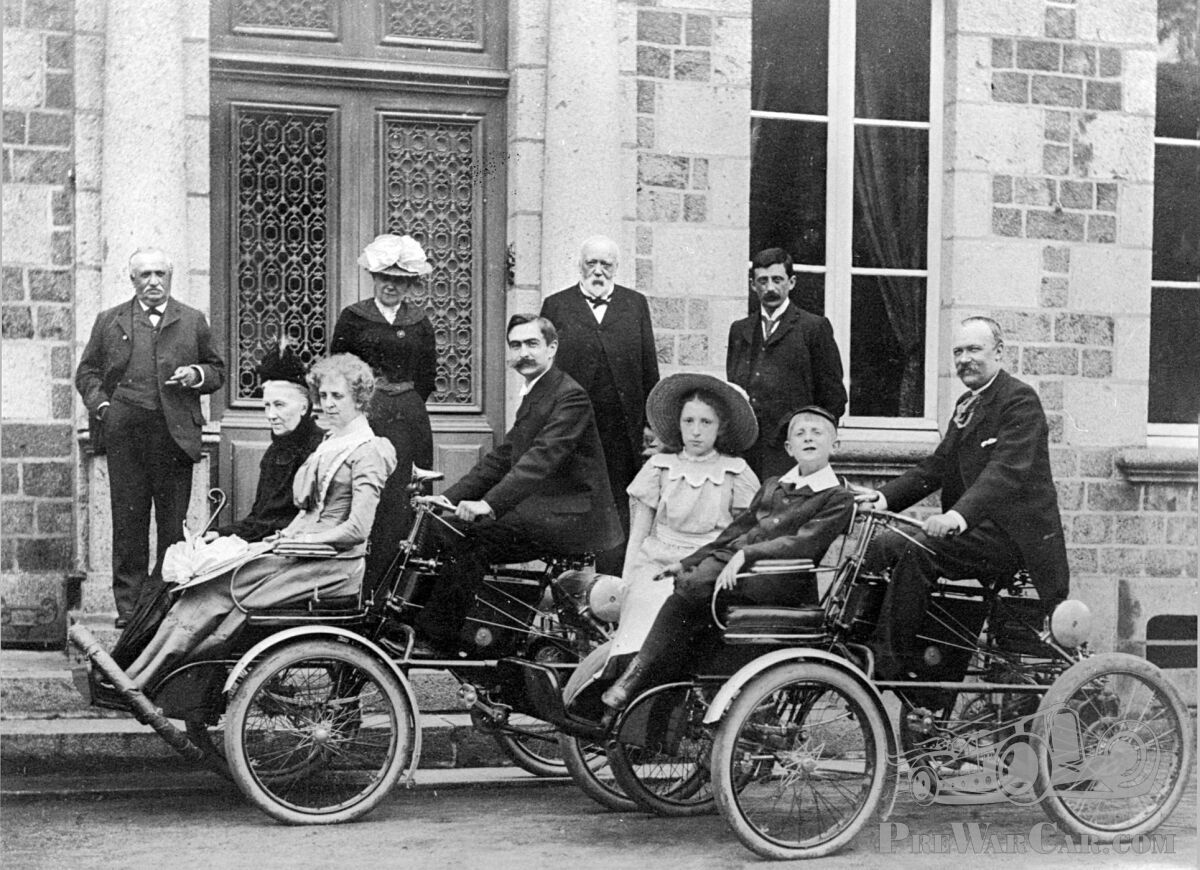


The pattern of development of the motor industry in Great Britain, even with the obstacles of restrictive legislation, devotion to the horse, poor petrol engine knowledge and patent uncertainty, was generally similar to that in France, where these issues did not exist. In both countries, the majority of the motorised tricycle manufacturers had previously been successful in producing pedal cycles; the industry gathered momentum from the existence of a single supplier of engines (De Dion Bouton in France and the Motor Manufacturing Co. in Great Britain). The British individuals who had been involved in the purchase of the Darracq and Clément firms in Paris (a transaction also involving the brands of Gladiator and Phébus), and the subsequent creation of the Clément-Gladiator concern in 1896, were the very same people who set about consolidating the British industry. Over-capitalisation was an all-round characteristic, but whereas the French industry could depend upon De Dion Bouton to provide the all-important motor for the tricycles from the end of 1895, its British neighbours had to wait three years for the same level of supply, during which time precious working capital had been diverted into the pockets of the original company promoters, shareholder appetites had waned and, most critically, the market opportunities had somewhat evaporated, as the motor car began to represent a better long term bet.
After a faltering start, British motor tricycle and quadricycle production began in earnest in 1899, achieved success in 1900, and was largely over by the end of 1901, as motorcycles and motor cars replaced them. The production time was short, but the quality of some of the machines made, by companies such as Ariel and Humber, was unrivalled anywhere in Europe. The event that reflected the progress that had been made in motorised transport and perhaps acted as a catalyst for further development was the Thousand Mile Trial of 1900. Amongst the entries, there were four motor tricycles, two quadricycles and two motorcycles. Of these, five were of British manufacture: two Ariel tricycles, one Ariel quadricycle, one MMC tricycle and an Enfield quadricycle. More powerful engines provided fresh impetus to sales of tricycles and quadricycles in 1900, but the advent of the motorcycle had arrived by this time.
With more than 100 line drawing and 400 photographs, The Tricycle Book, 1895 -1902, Part Two will be of interest to all motoring enthusiasts keen to understand the formative years of the British motor industry, the brands that emerged and the personalities who shaped the future.
Also this year Michael Edwards - the expert in the field tricycles and quadricycles - will be present at the PreWarCar.com & PostWarClassic.com stand at Salon Retromobile. You can find us from the 5 - 9 February 2020 in Hall 1 - spot D 084. Michael will be selling The Tricycle Book, 1895 -1902, Part Two. If you do not have Part 1 yet, there is also the possibility to purchase The Tricycle Book, 1895 -1902, Part One to complete your collection. Any questions you might have regarding his books or other questions you have with reference to the early days of the British motor industry, he is happy to answer. Also, if you have found a trike somewhere in an old barn, Michael is all ears!
We hope to see you all in Paris.
Publiziert:
Freitag Januar 31st, 2020
Facebook
LinkedIn
Twitter
WhatsApp
Email
Copy