Das weltweite Magazin und der Marktplatz für Oldtimer-Enthusiasten – von Enthusiasten.
Das weltweite Magazin und der Marktplatz für Oldtimer-Enthusiasten – von Enthusiasten.


Filter
Auswahl treffen
- Autos
-
Marke >>
-
Baujahr >>
-
-
Kategorie >>
-
Länder >>
- Motorräder
- Teile
-
Automarke >>
-
Hersteller >>
-
Kategorie >>
- Fahrräder
-
Baujahr >>
-
Länder



So You Want To Build a Perkolilli Car?
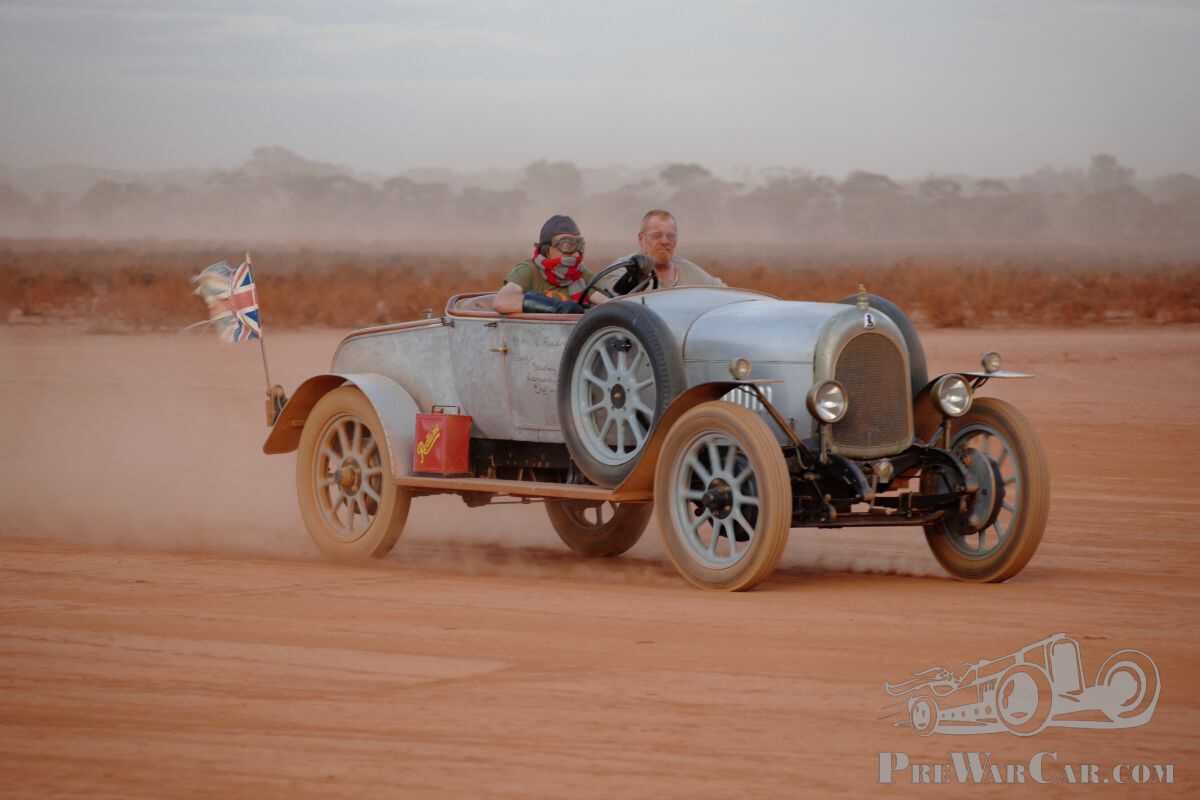
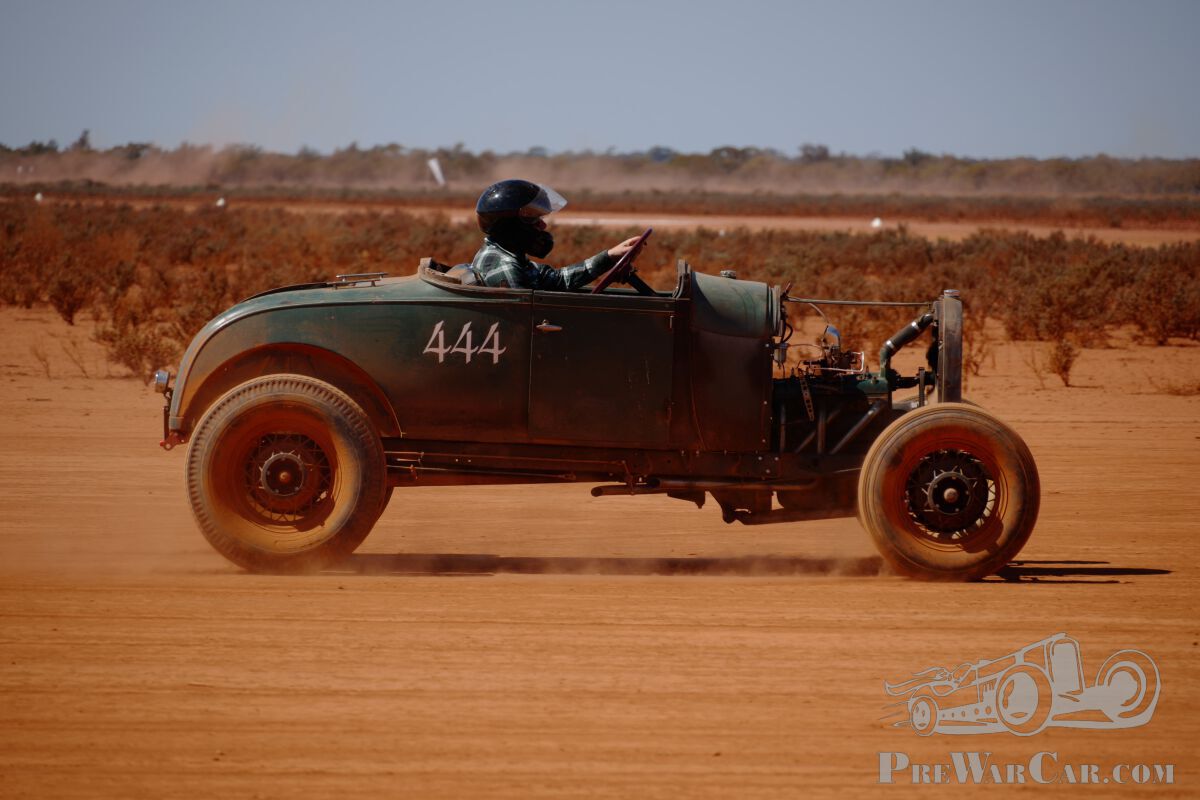
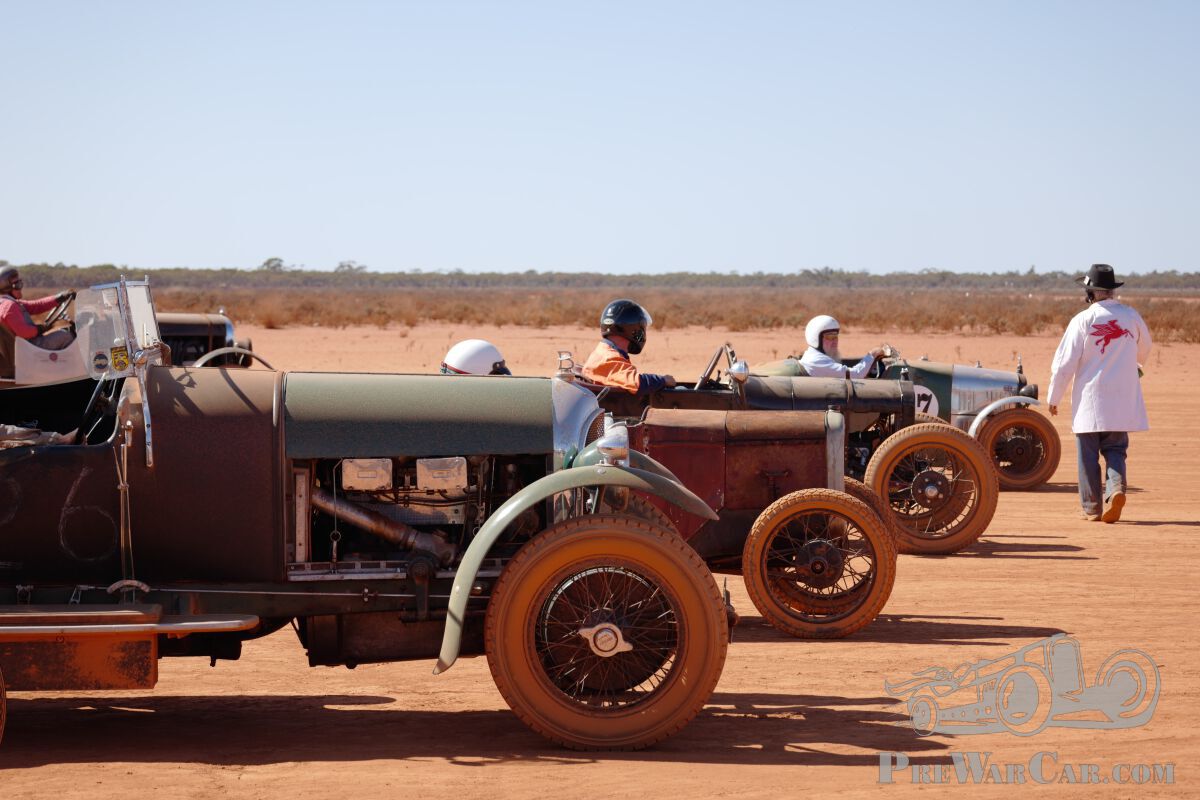
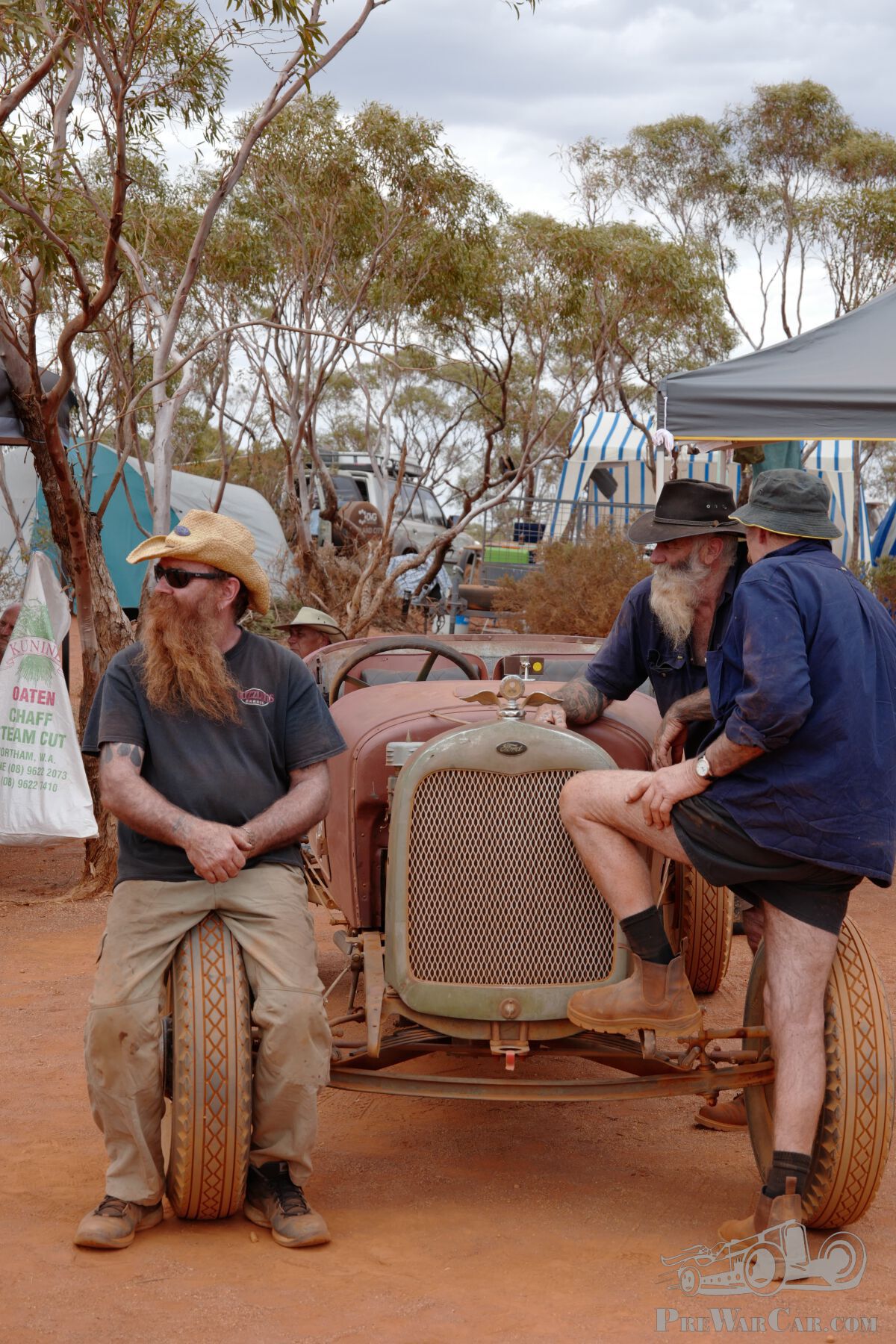
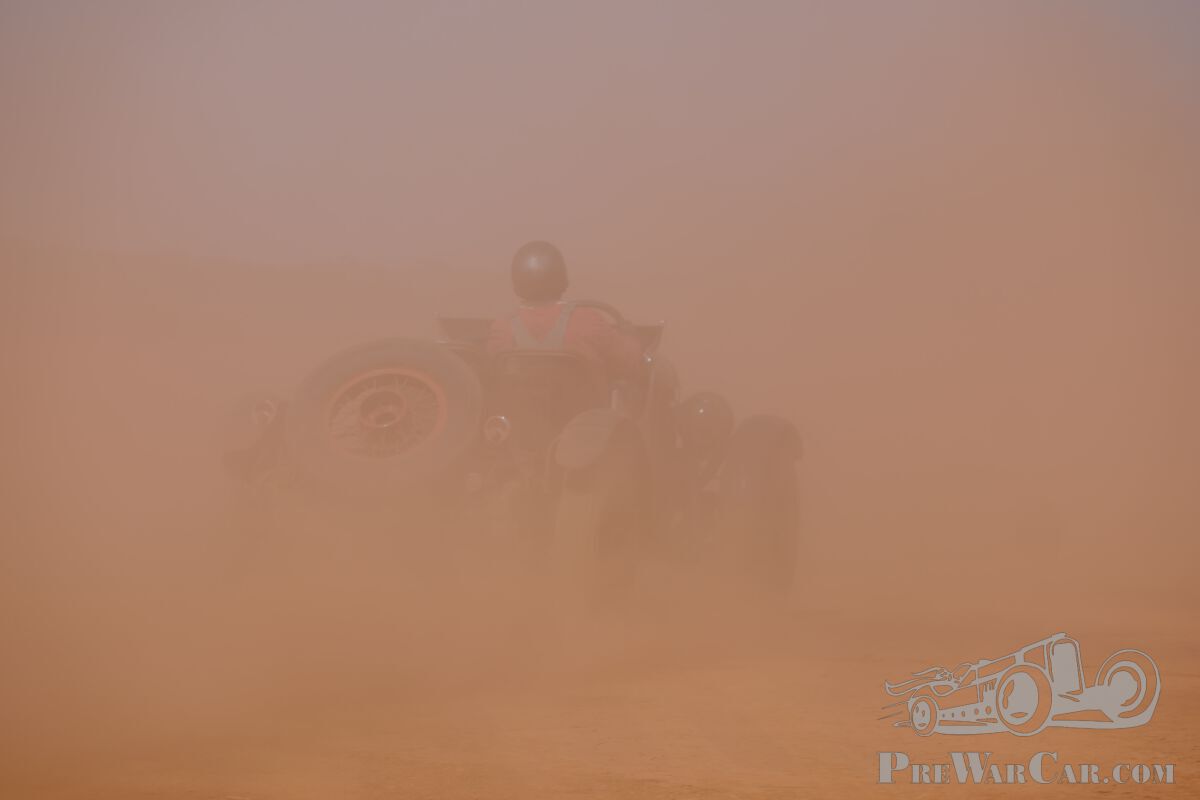
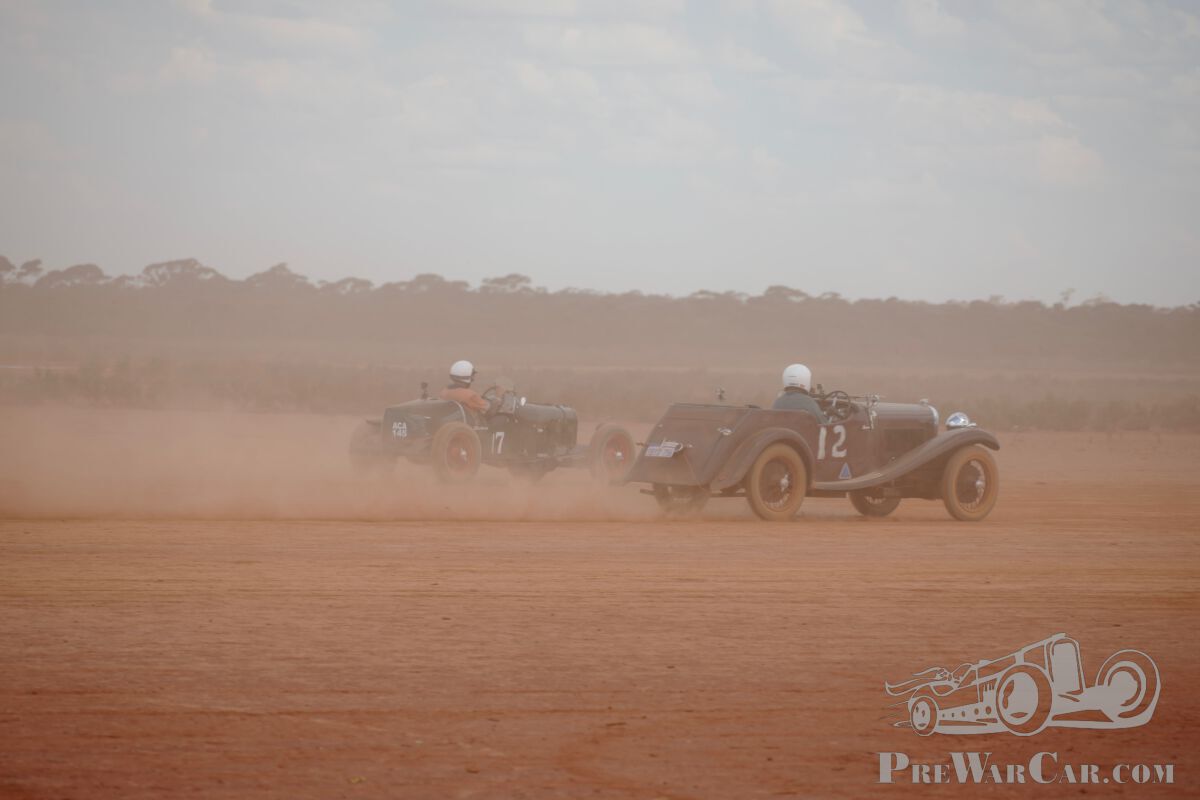
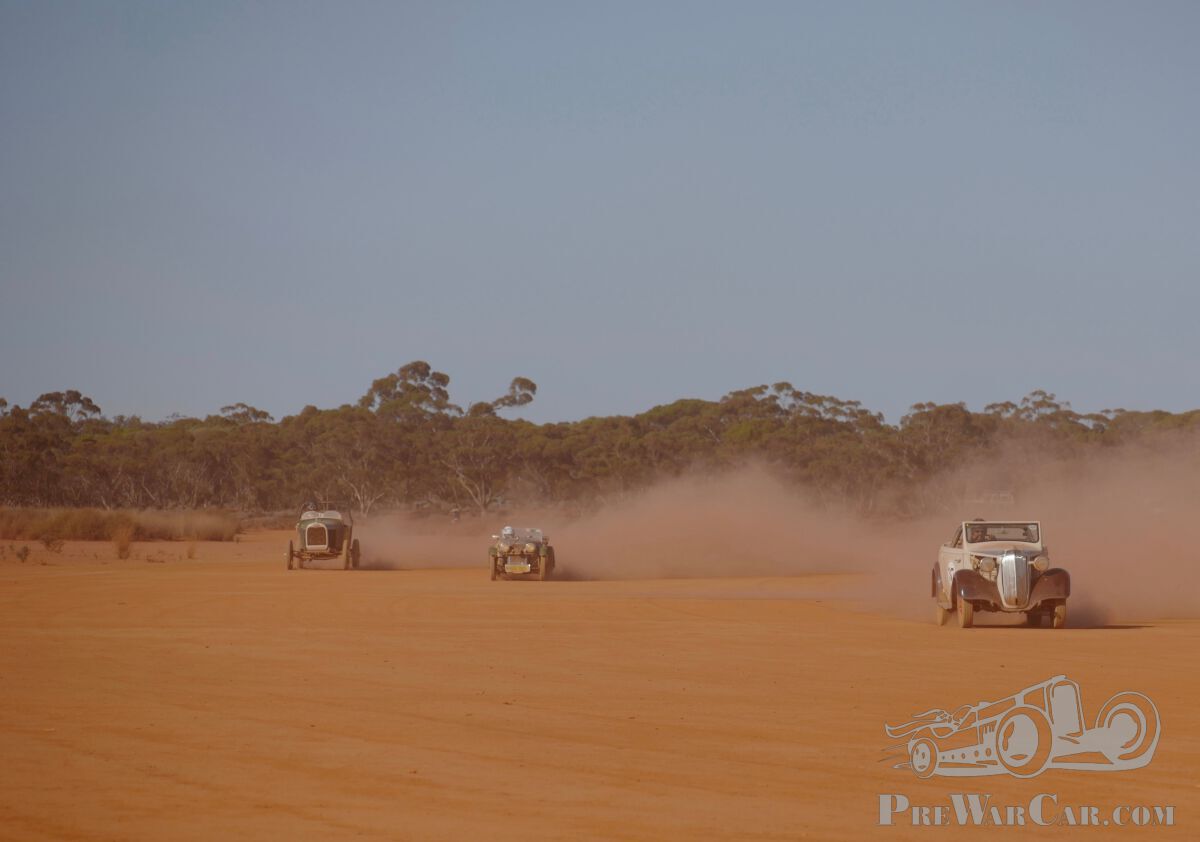


Thousands of people from across the world gathered in outback Western Australia in 2019 to experience the thrill of pre-war cars and bikes roaring around the claypan circuit at Lake Perkolilli. It was an absolute blast for drivers, riders and spectators. Dates have been announced for the next event (19 – 25 September 2022), so you can start planning how you will get there and preparing for being part of the thrill and excitement of claypan racing.
Several people have been inspired by the Lake Perkolilli Red Dust Revival and are now in the process of building cars for the next event! It’s probably the right time to summarise what type of car is acceptable at the Perkolilli revival events.
Racecar construction guidelines
The Lake Perkolilli Red Dust Revival celebrates the golden years of racing at Lake Perkolilli from 1914 to 1939, and cars built in this era are acceptable for the event. This provides an enormous range of possibilities without having to revert to modern, post-1939 engines, chassis or bodywork. The cars suitable for Perkolilli have to look like the cars which people put together in those days. It was a very creative period so it opens up an enormous range of possibilities without having to make cars look like modern rat rods.
The Red Dust Revival is not for post-war hot rods such as T-buckets. In Australia during the 1930s it was not common to put a Ford flathead V8 engine into a Ford Model A or Model T chassis. This is more like post-war hot rod practice.
Where to start?
It starts with the chassis. During the 1930s, racing cars were often built using a chassis scrounged from an old Chev Four, Rugby, Whippet or other American car, because they were so plentiful. Of course, the ever-reliable Ford Model A chassis was the basis for many home-built racing cars. Other cars such as Ford Model Ts and Austin Sevens make great fun racers. It is bad karma to rip apart a restored car to make a racer so find an unrestored rolling chassis.
The Ford range of T, Model A and V8 models from 1909 to 1939 were all entered at Perko events during the period and several cars were made from the rolling chassis which remained after the steel body was removed to make a hot rod. Make a Perko racer from these old chassis is a great way to get a fun use from these parts.
The engine is the heart of the Perko car, and as long as it is an engine built in the pre-war period or the same as a pre-war engine then it’s good to go. Things like alternators and SU carbs are OK but modern carbs just don’t look right. No GM blowers or fuel injection please. Remember, it’s not about beating someone else’s time but re-creating the era and having fun.
Wheels and tyres should be 16 inch and above and must not have modern rims. Radials are OK on cars from the late 1930s but don’t look right on earlier cars.
The body is where your creative imagination can run riot. Cars that raced at Perkolilli had everything from just a cowl and two seats to beautifully made aluminium boat-tail bodies that wouldn’t look out of place at the Indy 500. There were bodies made with wooden frames like a boat with fabric stretched over them. Many cars were roadsters or tourers stripped down for the job. The best way to choose a body is to look at lots of old motor racing photographs to get inspiration.
Once the Red Dust Revival date gets closer it is worth talking to other competitors about their experiences at the clay pan. Perko is the great red dyno! It finds out all the niggling little problems your car may have had which don’t show up when you drive round the block. Just like everywhere else, with that red dust, 90% of carbs problems are electrical! While oil and water catch tanks aren't required, a water overflow tank is a good idea at Perko because it can get very hot. Carburettors need two return springs for safety and the electrics need a cut-out switch.
There are a lot of different ideas for air filters. They are a necessity at Perko where the dust can be thick and gets everywhere, including into your engine. Either paper filters or oiled foam filters seem to be preferred. Roll bars aren’t required. If you need to know something specific, it would be best to ask in advance.
The rules are made to ensure cars that are as safe as is practical for a pre-war car, to provide a field of cars that looks right and cars without a modern car's speed and performance. The scrutineers will turn away cars that they think aren’t safe. More detailed rules can be found here.
Remember, for the Red Dust Revival, it is all about re-creating the era and having fun. It is not about speed. Nobody cares who is the fastest, but we love to see cars which look as if they just came of Perko 80 or 90 years ago.
See you at Perkolilli in 2022!
Words by Graeme Cocks, writer of the book Red Dust Racers, which has hundreds of photographs of cars that raced at Lake Perkolilli during the golden era. There are still copies available, you can order them here.
Pictures Red Dust Revival 2019 by James Nicholls.
Publiziert:
Donnerstag April 15th, 2021
Facebook
LinkedIn
Twitter
WhatsApp
Email
Copy
Kommentare
James Nicholls
24 April 2021, 10:38
I cannot wait to get back out there in the dirt and dust. What a fab event!
Weiter lesen