Das weltweite Magazin und der Marktplatz für Oldtimer-Enthusiasten – von Enthusiasten.
Das weltweite Magazin und der Marktplatz für Oldtimer-Enthusiasten – von Enthusiasten.


Filter
Auswahl treffen
- Autos
-
Marke >>
-
Baujahr >>
-
-
Kategorie >>
-
Länder >>
- Motorräder
-
Standort >>
- Teile
-
Automarke >>
-
Hersteller >>
-
Kategorie >>
- Fahrräder
-
Baujahr >>
-
Länder



Royal Enfield revived: how the motorcycle-maker resurrected one of its earliest machines

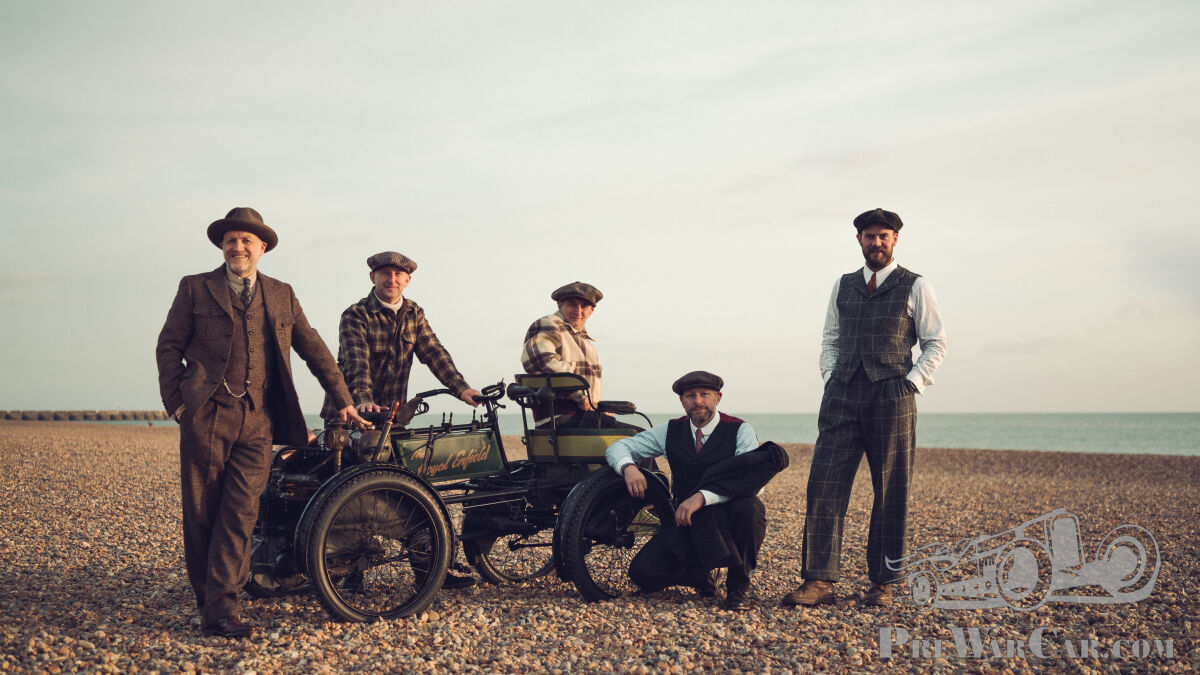
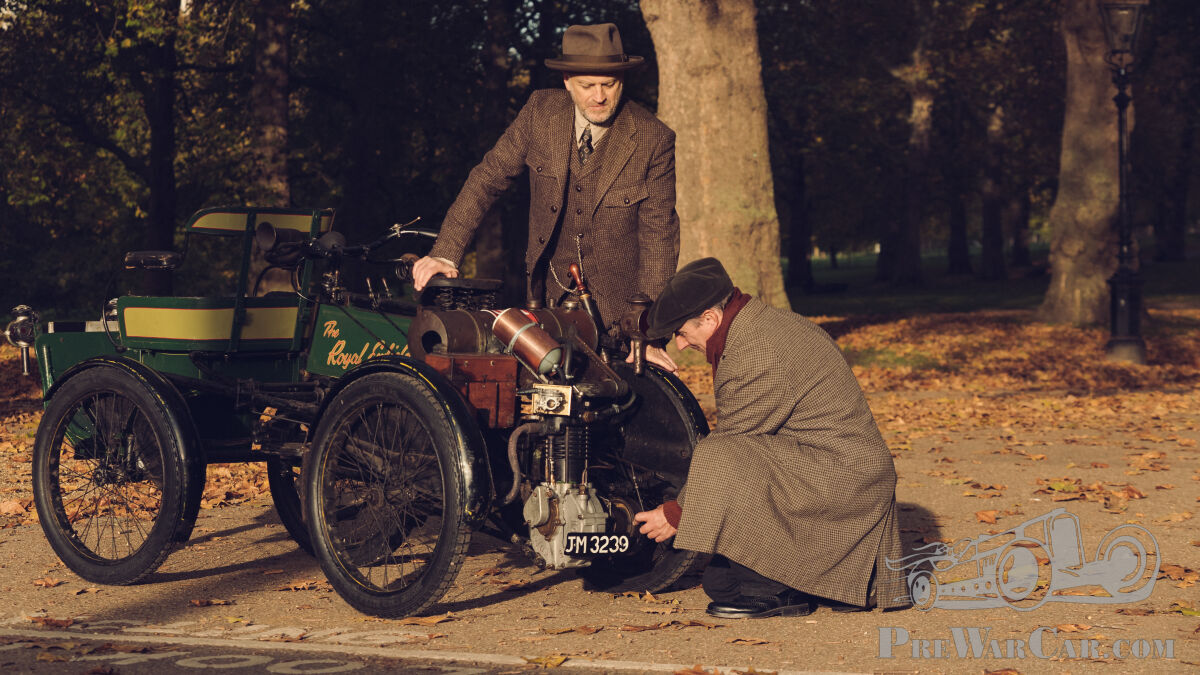





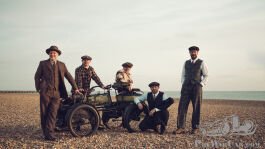
Royal Enfield should know a thing or two about heritage; the company's popularity today owes very much to the Bullet, a model introduced in 1931 and which has been in continuous production since 1948. Its evolution has been gradual and sympathetic, and today it is probably the closest thing one can get to buying a 1940s motorcycle brand-new. It is reassuring to find out that Royal Enfield does, indeed, have great respect for its history, as evidenced by its renovation of one of its very first motorised machines, a 1901 quadricycle.
The Enfield Cycle Co. of Hunt End, Redditch, Worcestershire, started to explore the possibilities of automobilism soon after the 1896 Locomotives on Highways Act made it a viable and appealing possibility for those who could afford it. Messrs. de Dion and Bouton had been busy popularising the tricycle in France and abroad, and Bob Walker Smith, one of the company's founders, started to design a four-wheeled equivalent. His quadricycle was ready for production by 1899, priced at £105 and powered by a 2¼hp De Dion-Bouton engine. The arrival of the "very handsome" machine was announced in The Autocar in September, 1899.
A thousand miles and a silver medal
To promote its new creation, Enfield entered an example in the gruelling Thousand Miles Trial of 1900, which saw participants drive from London to Edinburgh and back, starting from Hyde Park on April 23rd. The Autocar evidently had great confidence in the quadricycle, for the rider was none other than its publisher, Edward Iliffe, with Walter Grew, head of Enfield's motorcycle department, travelling as passenger.
The quad was one of 63 cars to commence the drive, which headed first of all for Birmingham and Manchester and the Lake District, including a 1,180ft. climb up Shap Fell, before reaching Edinburgh and returning viâ Newcastle and Nottingham, arriving back in London on May 13th. Although it only had a small engine, the Enfield scrambled up some of the worst hills and complete the course to receive a silver medal.
The model was updated in 1901 with the improvement of a 2¾hp water-cooled engine, the water being stored in two three-gallon copper tanks fixed behind the saddle. A second speed was introduced as a 15-guinea option. Production is thought to have ended in 1905.
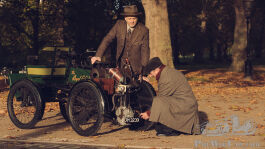
A most unusual museum piece
As one of the cheaper vehicles on sale at the time, the Enfield quadricycle enjoyed some degree of popularity and it stayed in production for several years, with a handful surviving today, including the earliest known example at Beaulieu. The featured single-speed 1901 machine was bought by Gordon May, Royal Enfield's company historian, for the company at a Bonhams sale in 2017, but prior to that it had led an interesting life. Following the introduction of mandatory vehicle registrations, it was registered in 1904 to Mr. Edward Boyd Hargreaves of Kendal, Westmorland, with the number EC 32. By 1954, it had moved only a few towns to Milnthorpe, where it was kept by Richard Hodgson. It was then owned by A. E. Reynolds of Liverpool and subsequently moved a long way south in the hands of F. H. Babcock of St. Albans, who kept it at least until the early 1970s.
The quad was evidently in use during some of the post-war period, since it was restored, it is thought, in the 1950s. It received its V.C.C. Dating Certificate in 1957, when it still had its original registration number. However, it some stage it left these shores and took an extended holiday in Italy, where it was kept in the Museo del Sidecar in Cingoli, understood to be the world's only dedicated sidecar museum. It was repatriated in 2007 but did not run again until Royal Enfield bought it and commenced much-needed surgery. All the while, they showed a commendably sympathetic approach in preserving its 1950s restoration, which by then, of course, had mellowed most attractively.
The project was spearheaded by Dean Coxson, who has had a taste for older vehicles since he started to restore a 1954 Triumph Tiger 100 in 1984, when he was just 14. He still owns the Triumph and has amassed other interesting vehicles since, but now he says, "I find myself drifting further into vintage and Pioneer vehicles after taking my first ride on a flat-tank Sunbeam in the V.M.C.C.'s Banbury Run. I joined Royal Enfield seven years ago and the quadricycle was on static display in our reception area. I thought it was a shame for it just to be sitting there, with few people to see it, so I asked if it would be okay to get the thing running and use it."
Investigations into an unknown engine
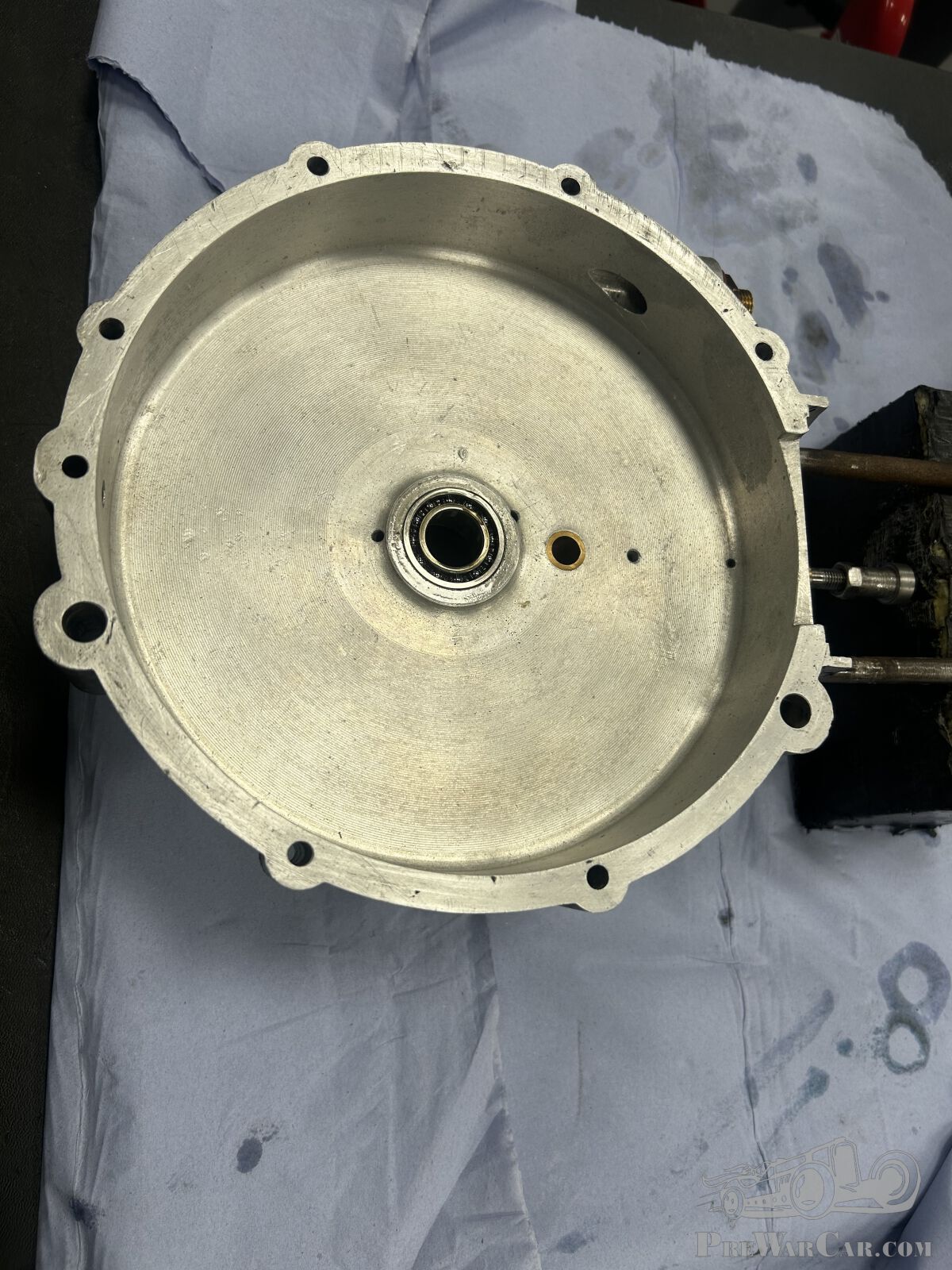
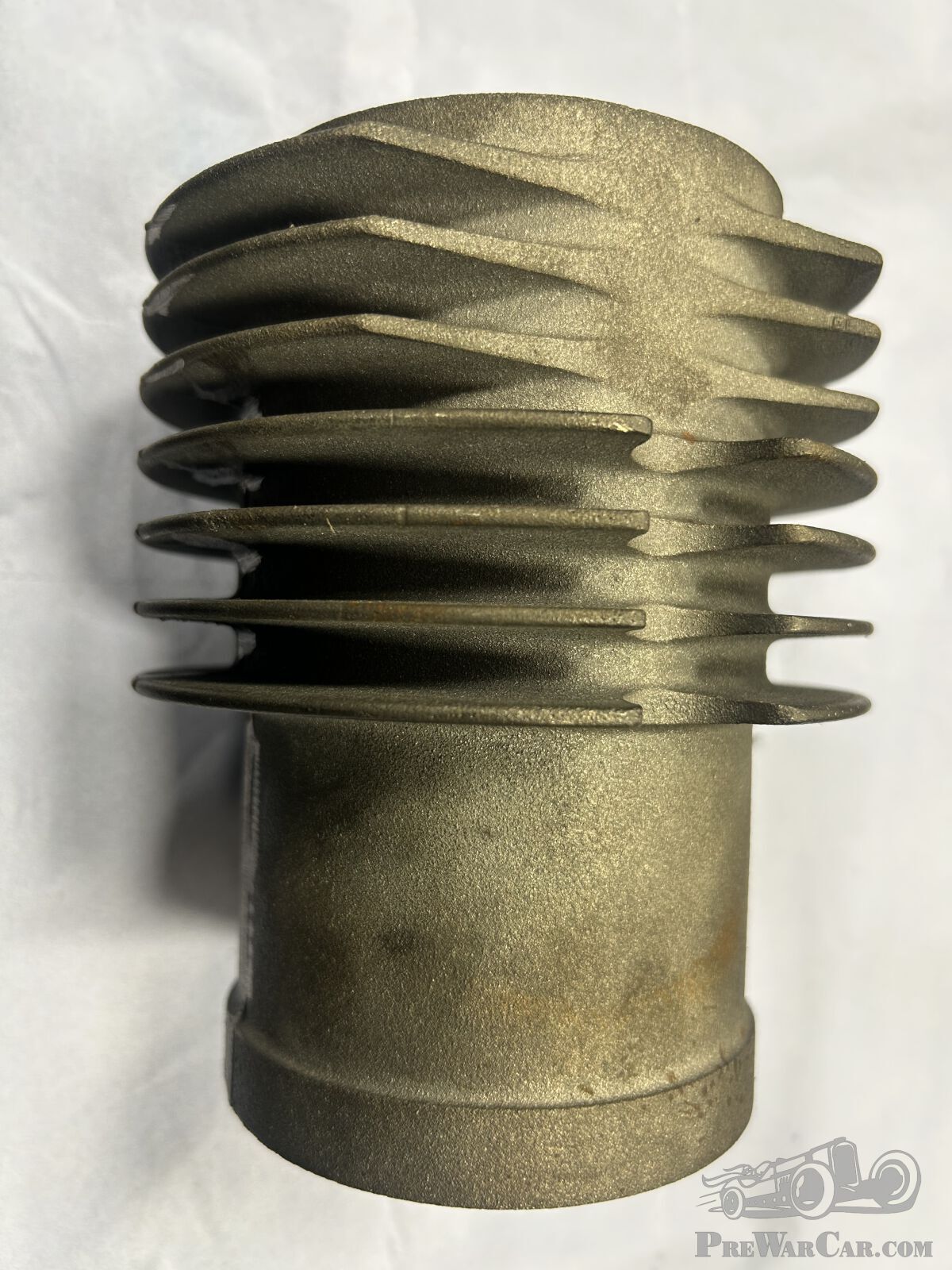
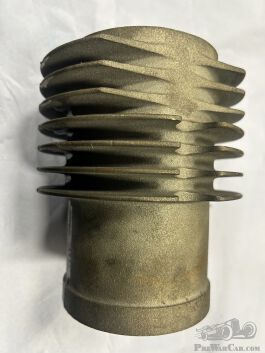
Royal Enfield, to its great credit, said yes. "The initial discussion," Dean continues, "was whether to restore it or recommission it. Recommissioning was the only answer because there was so much history and patina, it would have been a shame to lose it. The engine was stripped because we knew nothing about its history or what it would be like inside. We then found that the cylinder capacity was not as it left the De Dion factory, at least according to records, but it in fact came to 511cc. The cylinder barrel was cracked, and we didn't know what the piston or con-rod were from, so we had no option other than to take a pattern from the barrel and have several recast, so we were able to retain the piston and con-rod.
"The main, big-end and little-end bearings were of the phosphor bronze type, and all showed signs of ovality and scoring, so again they were remanufactured but later became a big issue. Other than these few minor issues, the internal components were in excellent condition, and still wearing the same serial number as that of the crankcase.
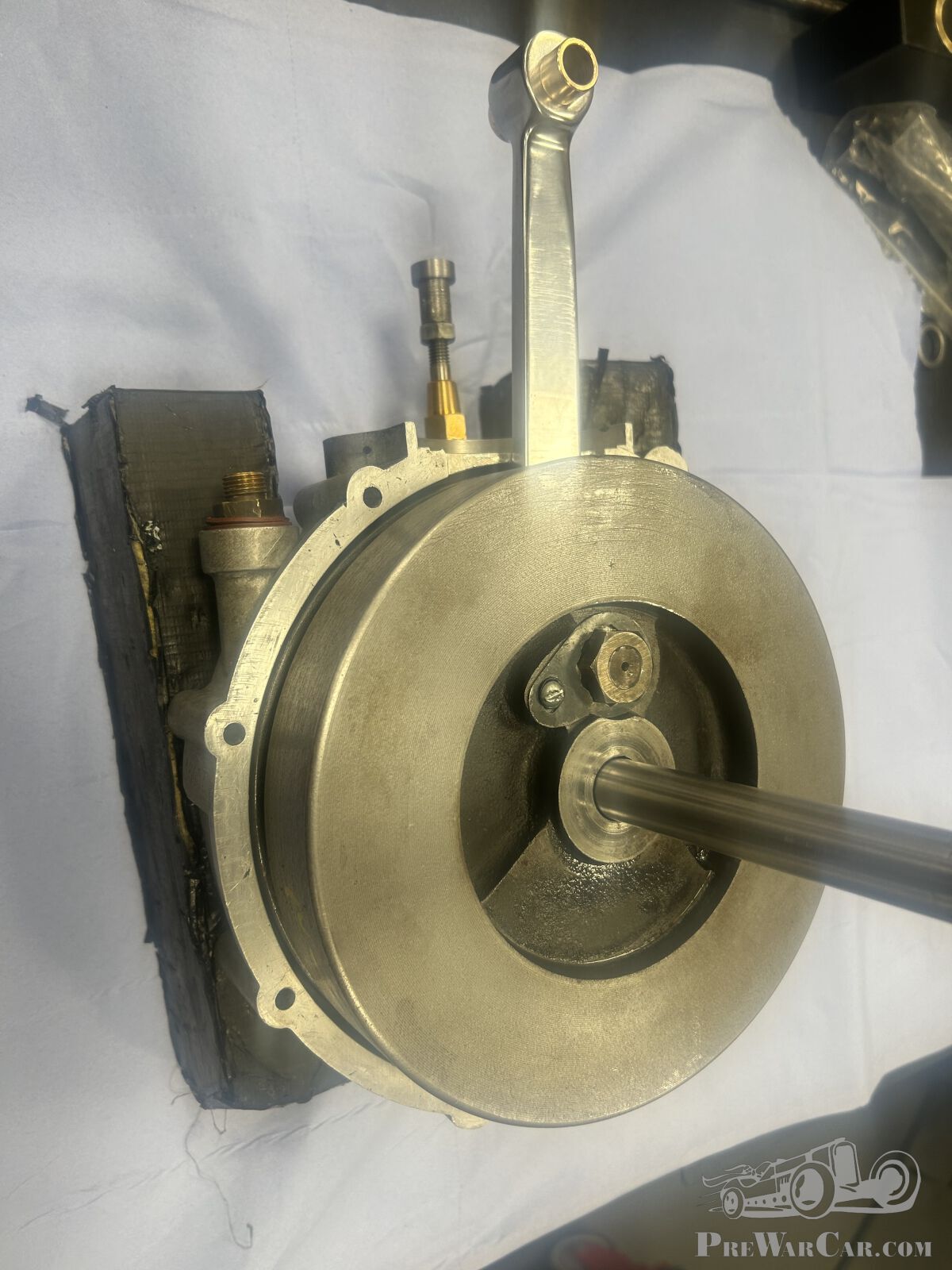
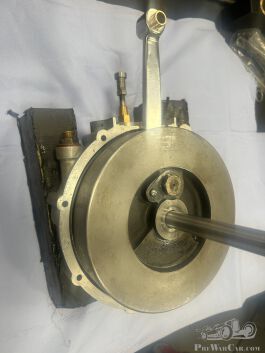
"There was a problem with the differential, which is mounted on the engine's main shaft and acts to engage or disengage the drive, so we had no clutch. This was held in position by a large, screw-ended cap, but it had been insecure for some time and resulted in the differential teeth becoming damaged. Not having the budget available at the time, we had no option but to stone and blue the gears until a useable mesh was achieved. That lasted for three years, until we had a differential failure on this year's Banbury Run, which left us with no alternative but to have a new differential manufactured by a local company.
"Carburetion was a problem. Despite the original surface carburetter being there, there was a key internal component missing, and having heard stories about them, we opted to run a 1920s motorcycle carburetter. I then fitted a twin-slide carburetter so as not to detract too far from the era, but that in turn raised problems. What size jet do you use? What float height? We fitted a smaller jet to see how it ran, then mentally drilled it out until we found it to be running too rich, and so went back a size. All of that was carried out in conjunction with raising and lowering the float. Another issue, as we had a 2¾hp head, was which intake valve spring to use, a light one as per the original 2¾hp or a slightly higher-rated one."
Brighton or bust
The project was completed in time for the Veteran Car Run of 2021. Since then, the Enfield has returned every year, but Dean sends his apologies to those who have waited for it in Brighton, for it has never quite made the finish yet. "The first year's attempt failed," Dean recalls, "when I rode it to our start slot in Hyde Park, where the woodruff key holding the drive pinion for the differential sheared—I wasn't that surprised because the Friday before the event was the first time the bike had run for 50 years or more. The second year, things were going well, despite the biblical rain that resulted in us taking a lot of water into the carburetter, but leather brake pads onto a rubber tyre did not make for a good combination in London traffic, so the decision was made to abort the attempt and preserve the vehicle. Last year saw us reach our furthest yet. Having covered 30 miles in around two hours and been running really well, there was an instant failure. The barrel and head were removed at the roadside only for us to find that the big-end had snapped, putting paid to our event.
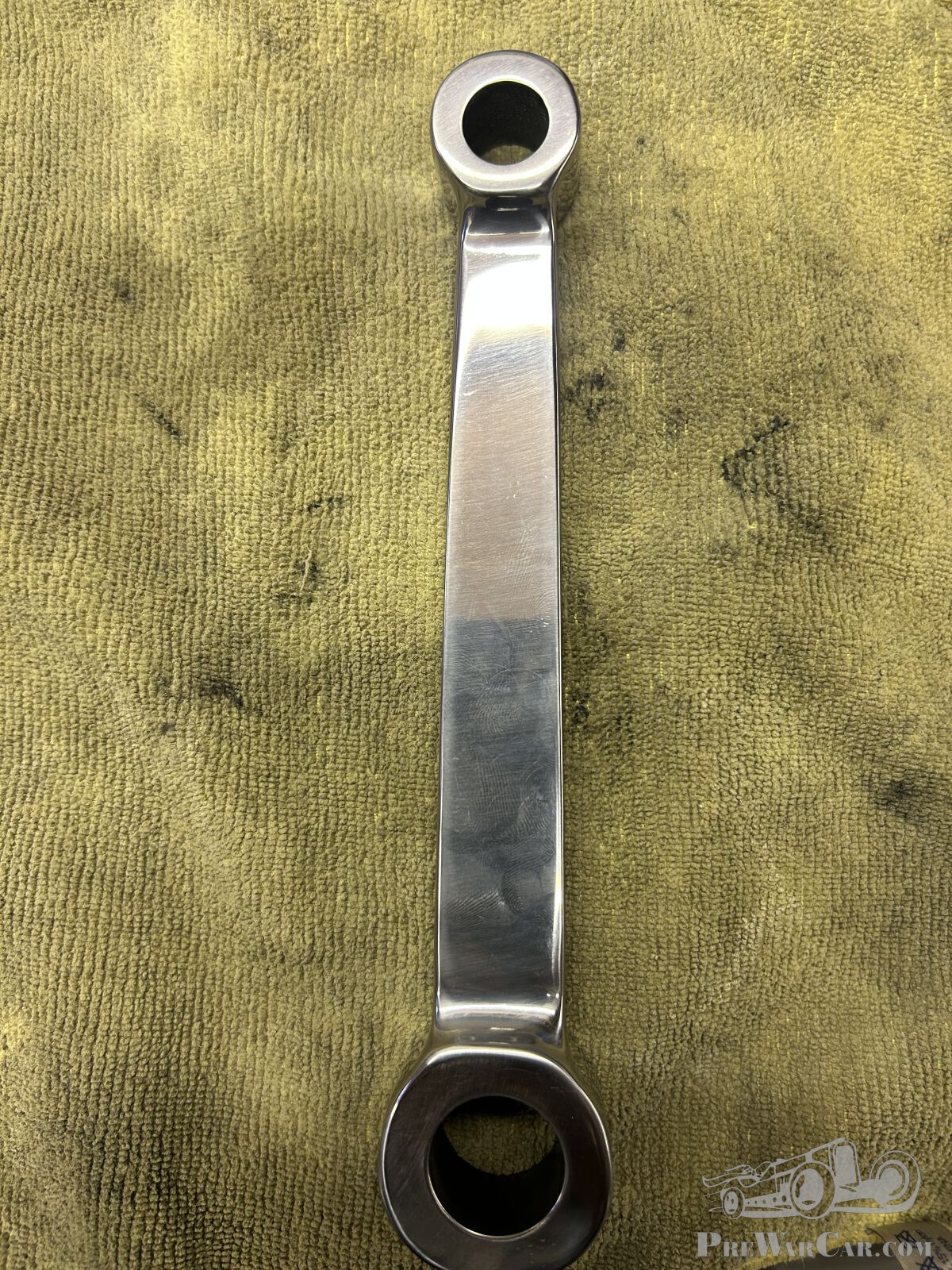
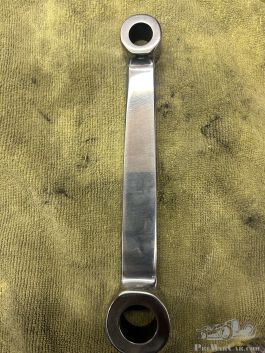
"On further investigation, it looked like the phosphor bronze bushes were made from a sub-standard grade and the material had work-hardened, causing the failure. As we'd observed, the cylinder was not the same size as that which left the factory, the con-rod centres were not a match for any of those offered by the De Dion-Bouton Club. We took several measurements from the remains of the con-rod and came to a decision about what the centres should be. A new con-rod was machined and hand-shaped from EN24, but this time with a lot more material round the big-end housing. This allowed us to use a roller-bearing big-end, allowing for less friction and a little more forgiving to less oil being pumped round the engine. With this in mind, the main bearings were also replaced with the ball-race type. Although this is a deviation from standard, we believe it's a worthy upgrade to ensure reliability and keep the quadricycle running. Since these modifications, the initial impression has been of a real improvement in smoothness, but only time will tell."
An intrepid kind of motoring
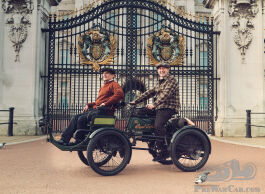
The experience of riding the quad will be familiar to those who have ridden a tricycle. It's challenging in congested modern traffic, of course, but the sort of challenge that gives one great satisfaction, as Dean well knows: "It's hard work—she's a heavy old girl and, although she has an engine, you do a lot of pedalling when pulling away from junctions and traffic lights. You have to pedal until you have enough speed to engage the differential, but it has to be done smoothly, as sudden engagement will make the engine stall. Whilst engaging the drive, continue to pedal until you no longer feel like you're having input, then you can rest your feet on the pedals as the sprag clutch engages and enjoy the ride. Braking involves a lot of forward planning and the assumption that everyone's going to pull out on you, and starting is a job in itself. Fuel on, tickle the carburetter until you see fuel pouring into the venturi, open the decompressor, turn the ignition on, open the throttle a little and then start pedalling, or get a bystander to push, as getting it over compression is hard due to the gearing. For all that, once out on the open road it's a quiet and pleasurable ride and it's a joy to see the look on people's faces as they behold such a rare piece of history in action.
"The whole experience of the London to Brighton should be experienced by everyone, whether as a competitor or spectator. To see so many vehicles of that age in one place... the sounds and the camaraderie just has to be experienced, and it's inspired me to seek a motorcycle of that era of my own."
Since Dean and the quadricycle seem to make it a little further each year, we hope 2024 will be the year that the they finally put-put onto Madeira Drive. Cheer them on if you see them fly past, and give them a push if they need it...
With thanks to Royal Enfield.
Words: Zack Stiling
Photographs: Dean Coxson
Publiziert:
Dienstag Oktober 29th, 2024
Facebook
LinkedIn
Twitter
WhatsApp
Email
Copy
Kommentare
Michael Coxson
29 Oktober 2024, 20:27
I know how much work has been put into this and hope it and the crew can make it this year. Good luck.
Weiter lesen