Das weltweite Magazin und der Marktplatz für Oldtimer-Enthusiasten – von Enthusiasten.
Das weltweite Magazin und der Marktplatz für Oldtimer-Enthusiasten – von Enthusiasten.


Filter
Auswahl treffen
- Autos
-
Marke >>
-
Baujahr >>
-
-
Kategorie >>
-
Länder >>
- Motorräder
- Teile
-
Automarke >>
-
Hersteller >>
-
Kategorie >>
- Fahrräder
-
Baujahr >>
-
Länder



Driving a 1902 Columbia: the quiet and environmentally friendly way to Brighton


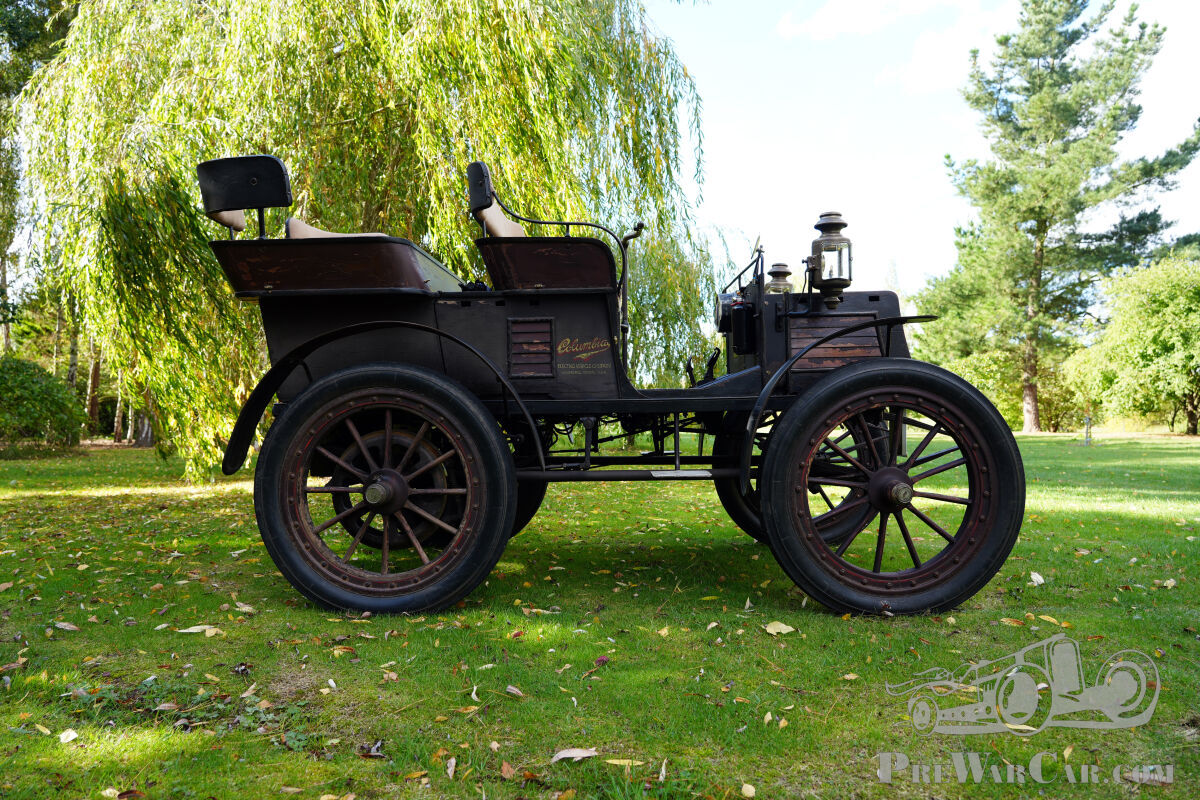
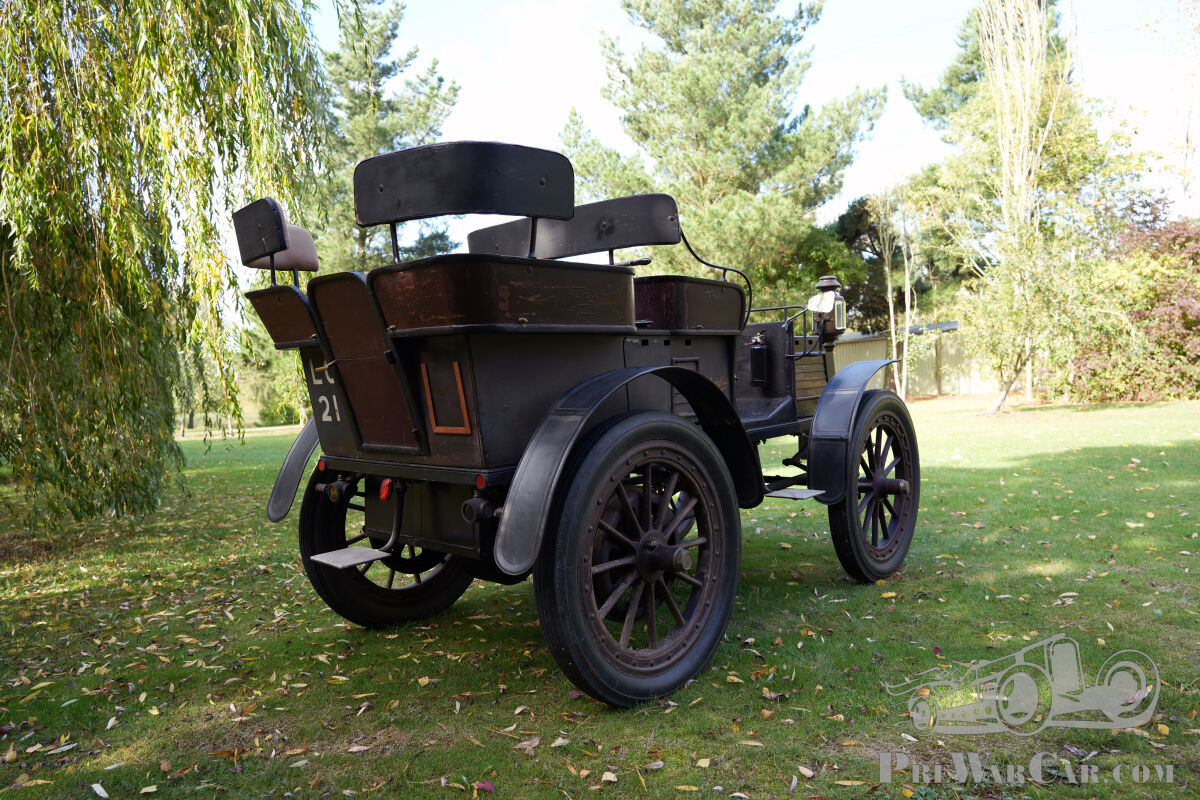
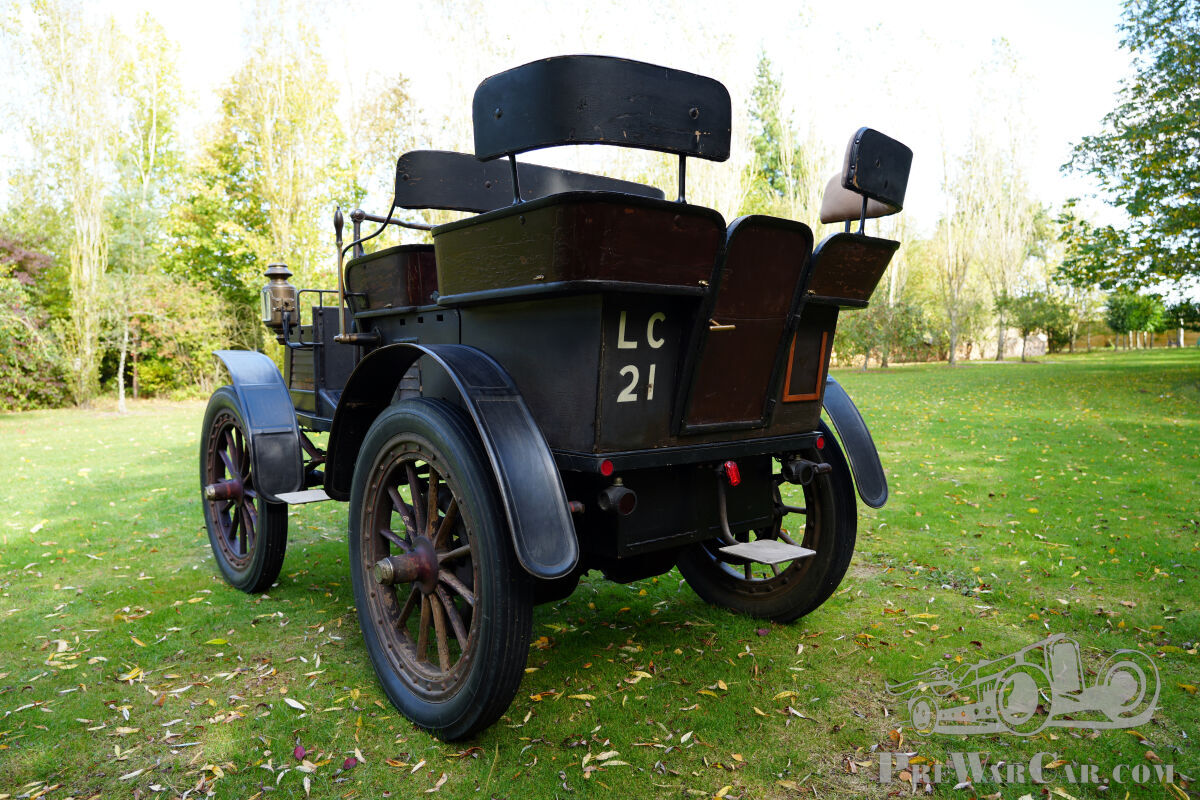






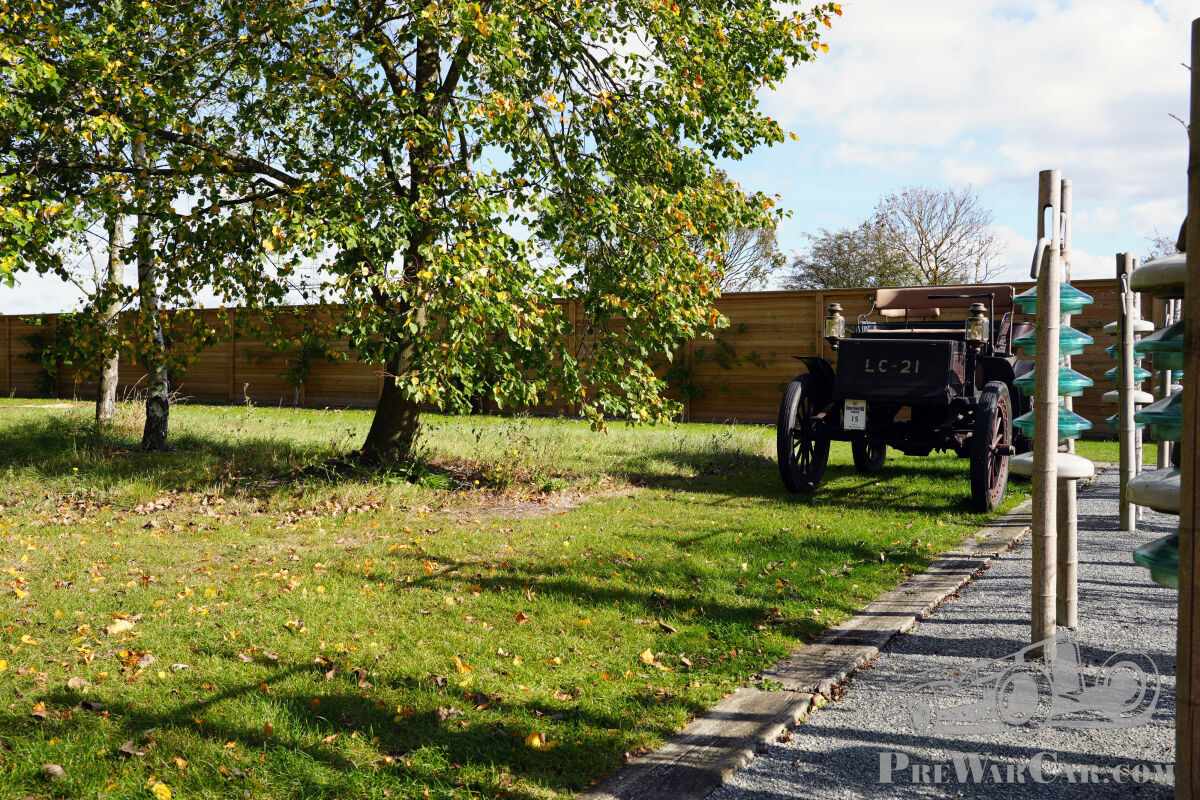
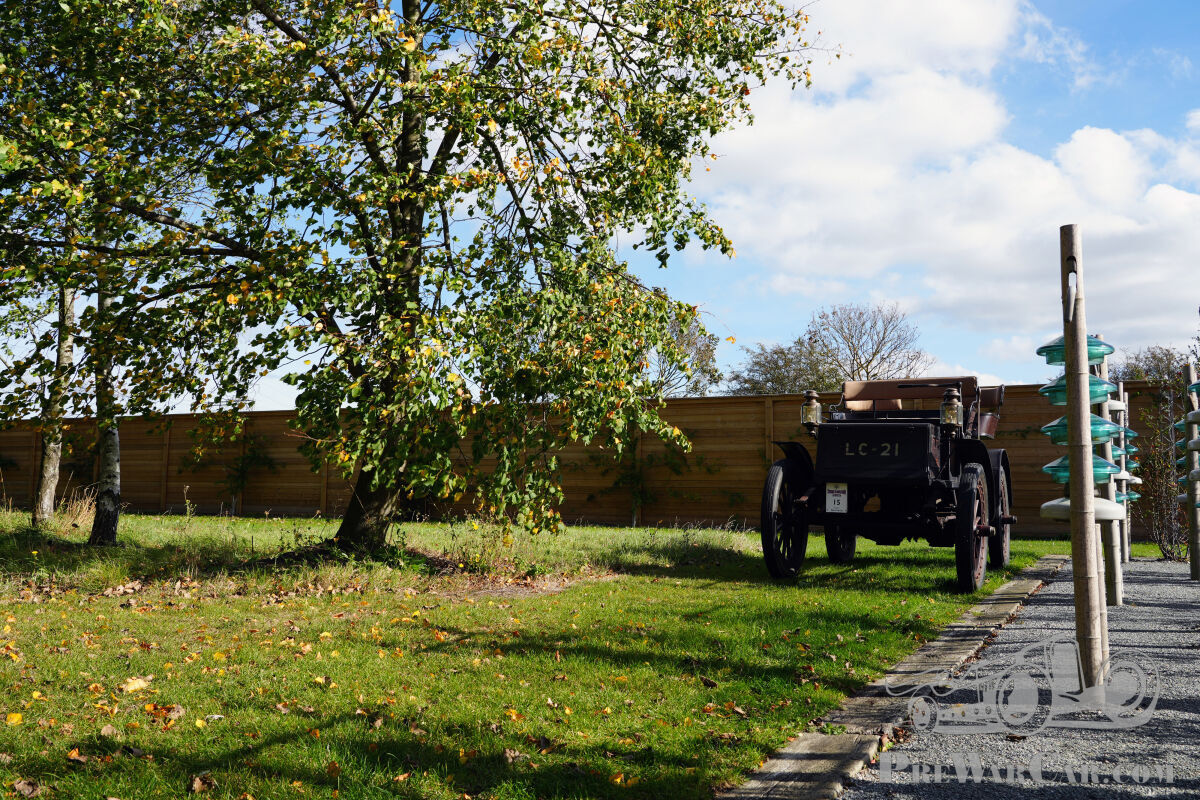


Anyone who drives their car around cities in Europe knows the challenges of meeting environmental zone criteria. With a veteran or vintage car, this is even more difficult, although most cities make an exception. With the London to Brighton Veteran Car Run fast approaching, this raises the question of how long vintage cars will be allowed in central London. However, this year the PreWarCar.com team is using a vehicle that can last for years to come in London traffic, as the car is electric.
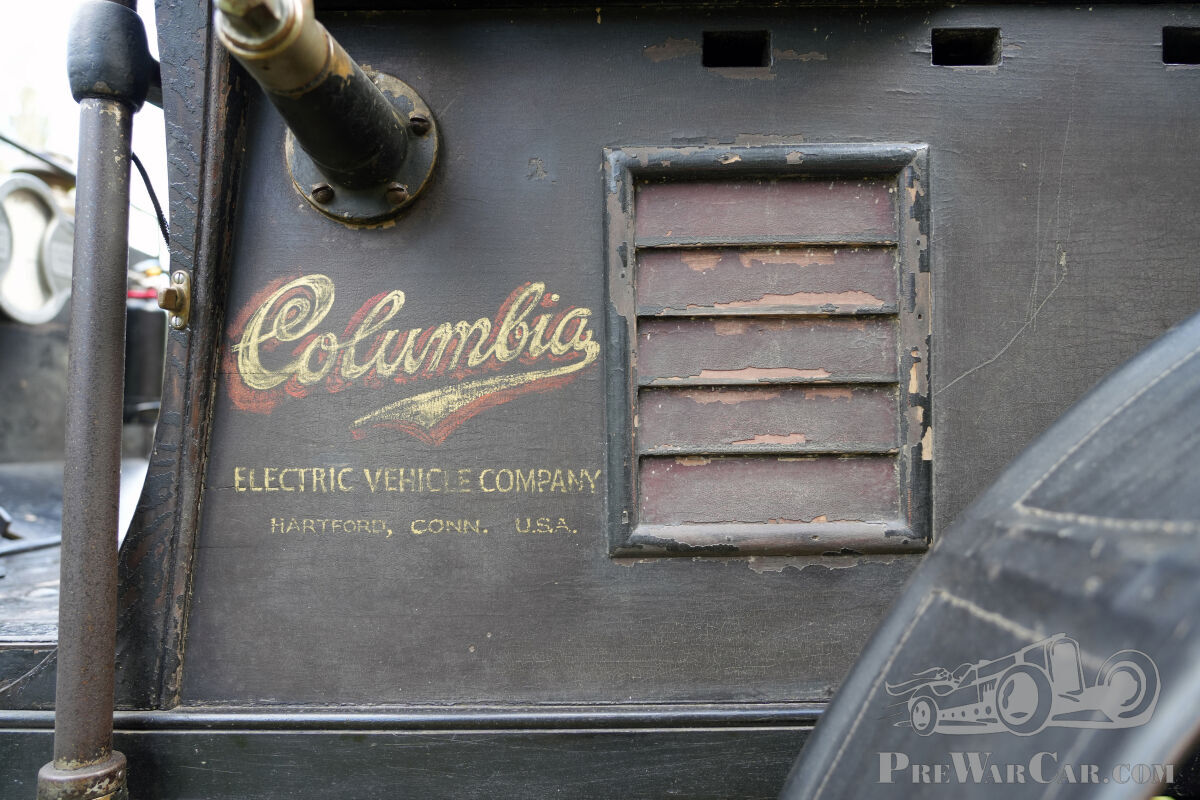
The Pope Manufacturing Company of Hartford, Connecticut
The car we are talking about is a familiar one on the Brighton Run. It is LC 21, a 1902 Columbia, the first owner of which seems to have been a certain Mr. Thomas Edison.
The Pope Manufacturing Co. had been founded in 1876 and focussed on importing and selling English bicycles. A little while later, the company started selling its own bicycles (although, actually, through another manufacturer) under the name Columbia. Fun fact: a number of Columbia bicycles are also taking part in this year's Veteran Car Run.
In 1897, Pope started producing electric automobiles and after a few years, in 1899, the electric division continued independently as the Columbia Automobile Co. It was soon renamed the Columbia & Electric Vehicle Co., and then the Electric Vehicle Co. Many models were produced, of which this is one.
After Edison's ownership, this Columbia entered the Henry Ford Museum in Dearborn in 1936. In late 1975, it was sold to two friends, from England and America. They took the Columbia to Brighton many times on the first Sunday of November, to celebrate the abolition of the Locomotives Act 1865 - the so-called Red Flag Act. In 2017, LC 21 was sold to its current owner. It is fully functional and in regular use, and has remained largely original, except for the batteries and charging system (which has been updated for safety). That, of course, is exactly what we love!
Veteran Car WeekThis Sunday, the world's longest-running motoring event, the London to Brighton Veteran Car Run, will return when, at dawn, almost 400 cars built before 1905 will drive from the capital city to the coast. To celebrate this, we are highlighting motoring's pioneering age in our online magazine all this week with a selection of fascinating articles: 1. What to expect? The full entry list for the 2023 London to Brighton Veteran Car Run 2. Driving a 1902 Columbia: the quiet and environmentally friendly way to Brighton (Tuesday) 3. A petrol pump mystery with a Victorian voiturette (Wednesday) 4. Mexican majesty: the sole-surviving 1904 Decauville double phaeton (Thursday) 5. 'Twas the night before Brighton... (Friday) 6. Live from the St. James's International Concours (Saturday) 6. Live from the London to Brighton Veteran Car Run 2023 (Sunday) |
An electrifying experience
Sitting behind the tiller on a high-wheeled veteran car is always an exciting feeling. Lifting your foot from the clutch would normally result in a lot of shaking and mechanical noises, however, with the Columbia, you miss all those tuf-tuf sounds and the exhaust fumes wafting up your nose. You just glide off in a quiet and relaxed way.
Well, it's not a clutch that we're using, nor do we have a throttle. Also, you don’t need to crank start the engine and exhaust yourself if the engine doesn’t fire. No, you just step aboard, turn the main switch on, depress the foot switch and push the speed lever forward.
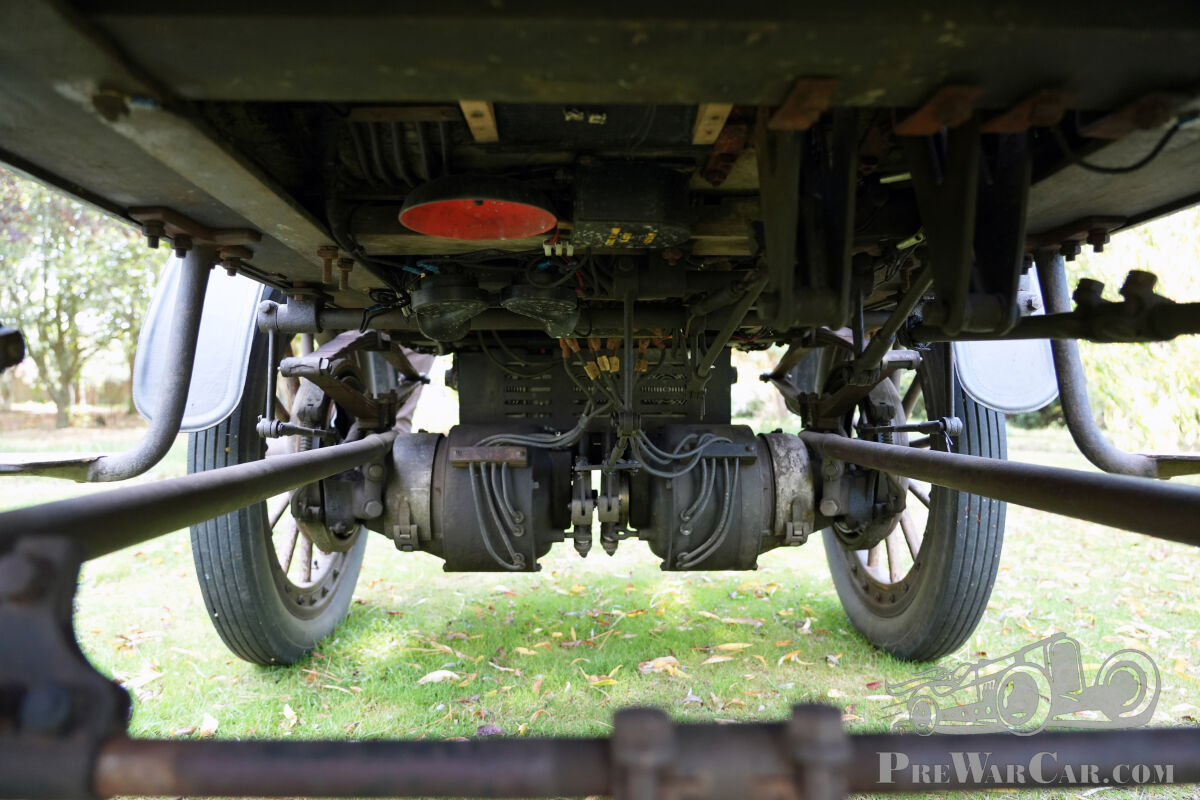
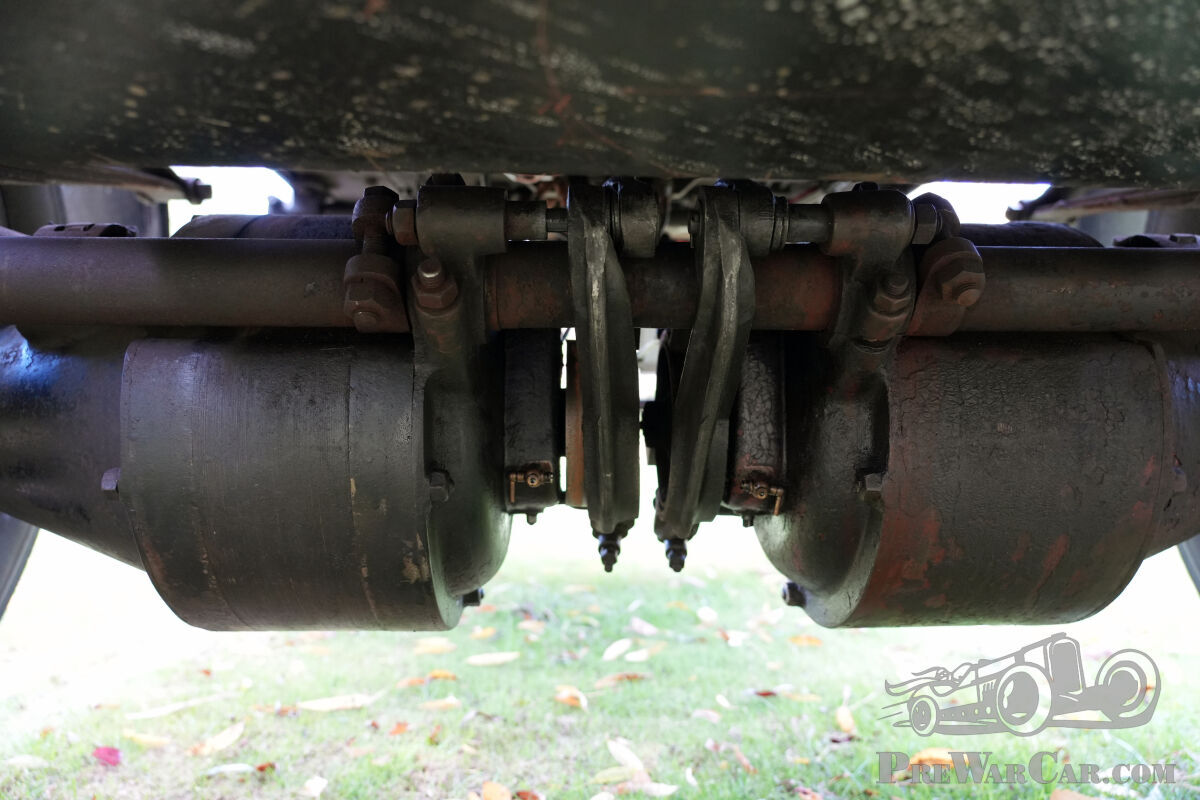
The Columbia has three forward speeds and two reverse speeds. The “gearbox” is quite something, as it is not a gearbox with gears as we are used to, but an electrical series-parallel switch, using the four sets of 25-volt batteries in 25-, 50- and 100-volt configurations to generate the three different speeds
After selecting the speed setting you release the foot switch, the power goes to the motors and you take off slowly. Quickly, once you're rolling, you switch the foot switch back on and put the car in second gear, and then the same to go into third. This is the touring speed, with which you can drive comfortably at 20 mph (30 km/h). However, when you go uphill you don't change down. You leave it in top gear because then most of the power goes to the motors. The car almost always makes it up (as long as the batteries are full), although sometimes at no faster speed than 3 mph (5 km/h).
There are no adjustments for throttle, it just drives at the speed of the voltage setting you select. The foot switch is useful for safe driving in traffic, though. As mentioned, it is used when changing gear but also to control power while driving. This is because it switches the power to the motors on and off.
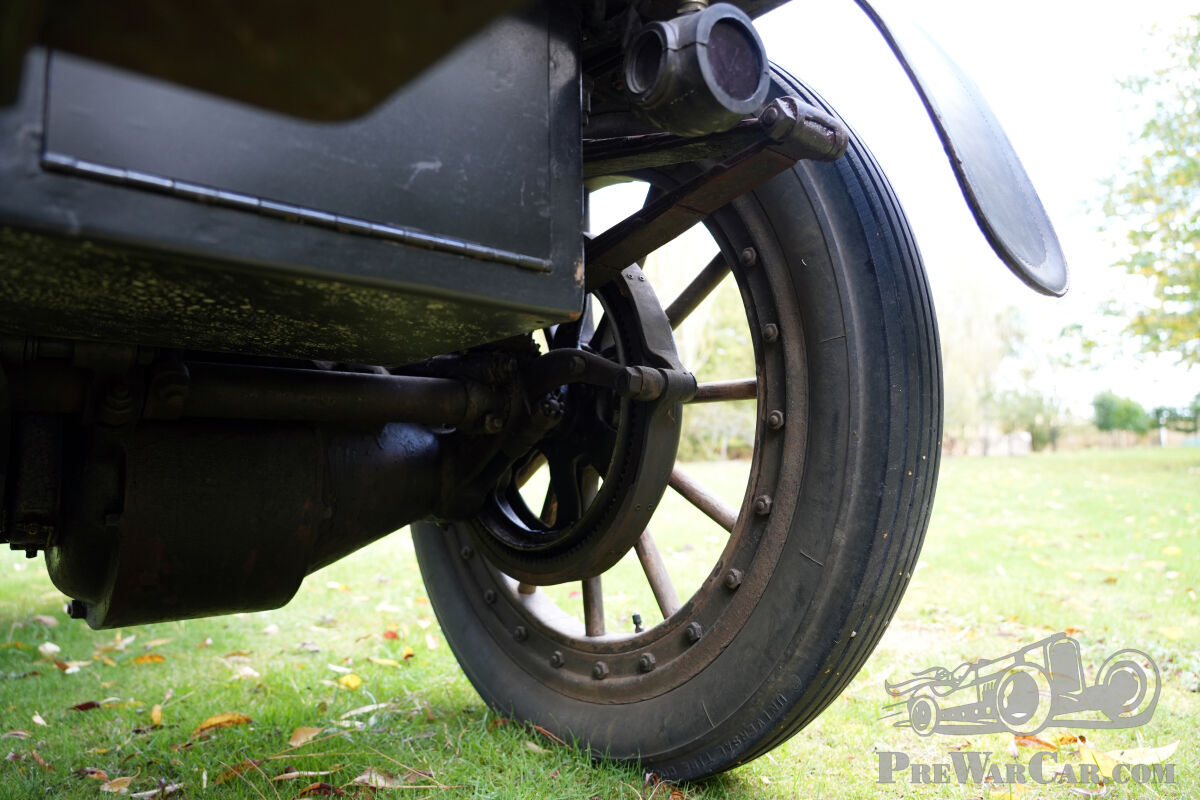
When braking, you cannot brake on the engine as with most cars, however, there are two braking options on it with two pedals. The left pedal is a small brake on the prop-shaft, the right pedal is a large brake on the rear wheels. Here you have to watch out that the brake returns properly, because there is a ratchet on it to engage it as a handbrake.
On the dashboard, there is a beautiful instrument that gives you the amperages you are using when driving or charging, and shows how full the battery charge is.
With modern batteries, the range is far enough to get us to Brighton easily, so we expect a pleasant drive. However, as with all old cars, you never know.
If you want to see the car, we will be at the St. James’s International Concours on Saturday, November 4th, from 10.30 to 15.00. Then, of course, we will be at the start of the 2023 London to Brighton Veteran Car Run on Sunday, November 5th, at 7.00 (start number 87) and hopefully in Brighton before 16.30! See you there.
Publiziert:
Dienstag Oktober 31st, 2023
Facebook
LinkedIn
Twitter
WhatsApp
Email
Copy
Kommentare
Paul Badré
25 Juli 2025, 12:43
I have watched the 2024 Run. Something was lacking I could not immediatly identifie. Then another car overtook the Columbia and it was there: the NOISE !
Weiter lesen
Chris Pickering
06 November 2023, 12:09
Loved the live stream on Sunday. I checked back in a couple of times to see how you were getting on!
Weiter lesen
Leo Schildkamp
02 November 2023, 11:28
What a beautiful means of transportation.
The state in which he or she has been or still is.
I enjoyed the photos of the technology.
I wish you fun on this beautiful ride.
The weather forecast for Sunday is favourable.
Is there no extra place available?
Weiter lesen
The state in which he or she has been or still is.
I enjoyed the photos of the technology.
I wish you fun on this beautiful ride.
The weather forecast for Sunday is favourable.
Is there no extra place available?
Bernard Holmes
01 November 2023, 00:29
We wish the PreWarCar team a great and electrifying run to Brighton.
The Barnards Farm Collection
Weiter lesen
The Barnards Farm Collection