Das weltweite Magazin und der Marktplatz für Oldtimer-Enthusiasten – von Enthusiasten.
Das weltweite Magazin und der Marktplatz für Oldtimer-Enthusiasten – von Enthusiasten.


Filter
Auswahl treffen
- Autos
-
Marke >>
-
Baujahr >>
-
-
Kategorie >>
-
Länder >>
- Motorräder
-
Standort >>
- Teile
-
Automarke >>
-
Hersteller >>
-
Kategorie >>
- Fahrräder
-
Baujahr >>
-
Länder



Restored specials début at 2023 Goodwood Revival

The aerodynamic Pycroft Jaguar won the first ever Goodwood race meeting
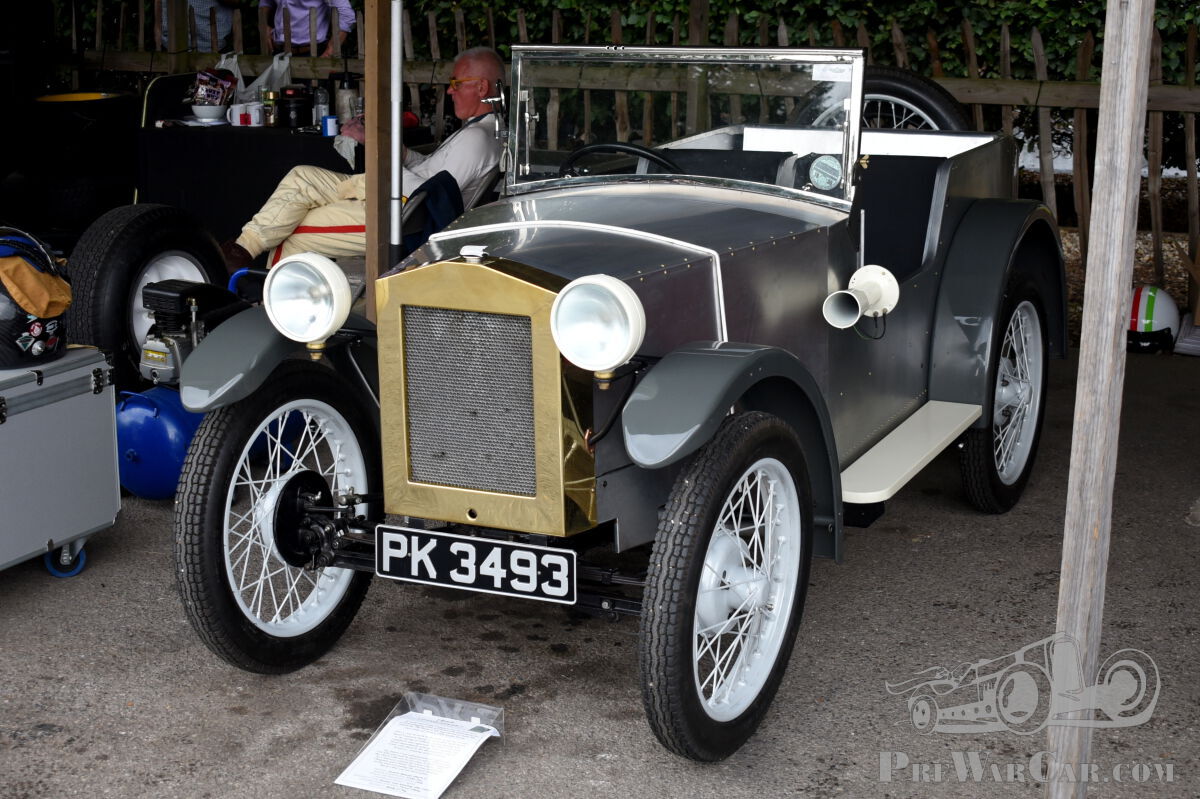
The newly unveiled replica of the first Lotus was a pleasing sight

The Lotus Mk. II looked wonderful in its unrestored state

The Austin Seven-engined Lotus Mk. III won its first race at Castle Combe
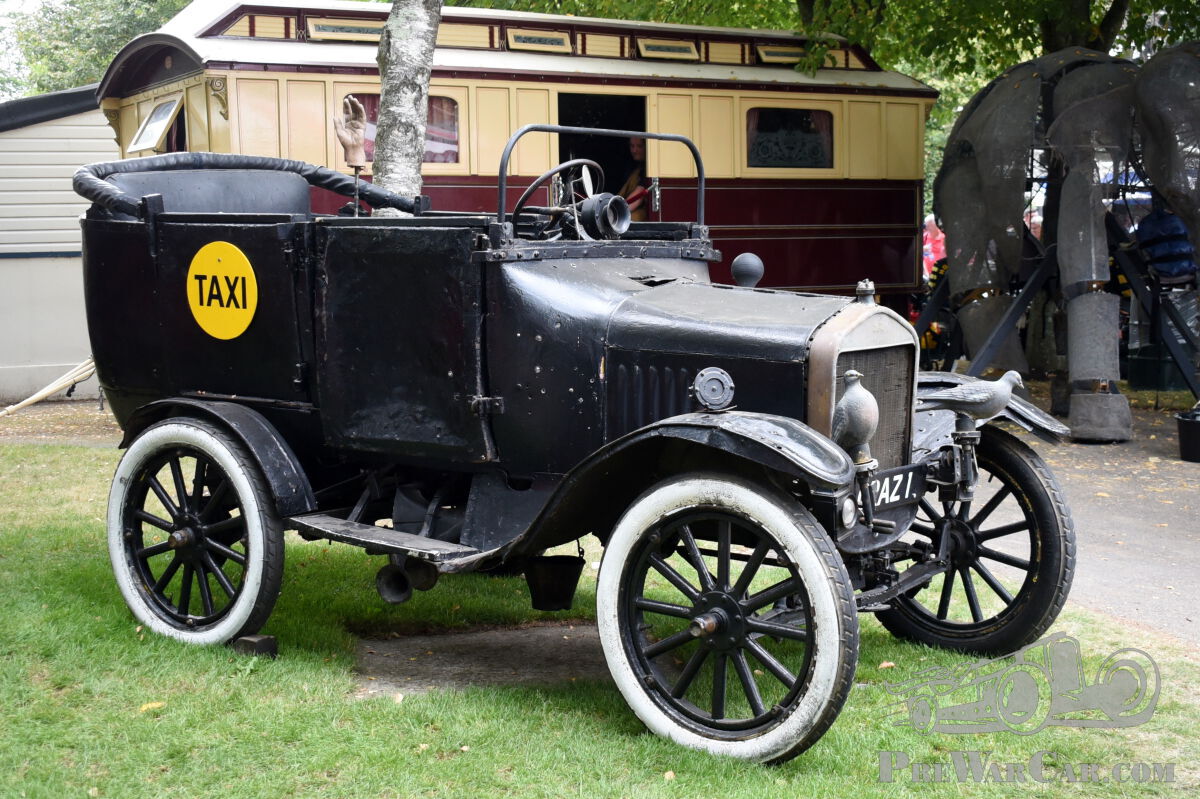
Pierre Picton's comical Model T was one of the most historic cars at Goodwood, although a world apart from the top-tier racing
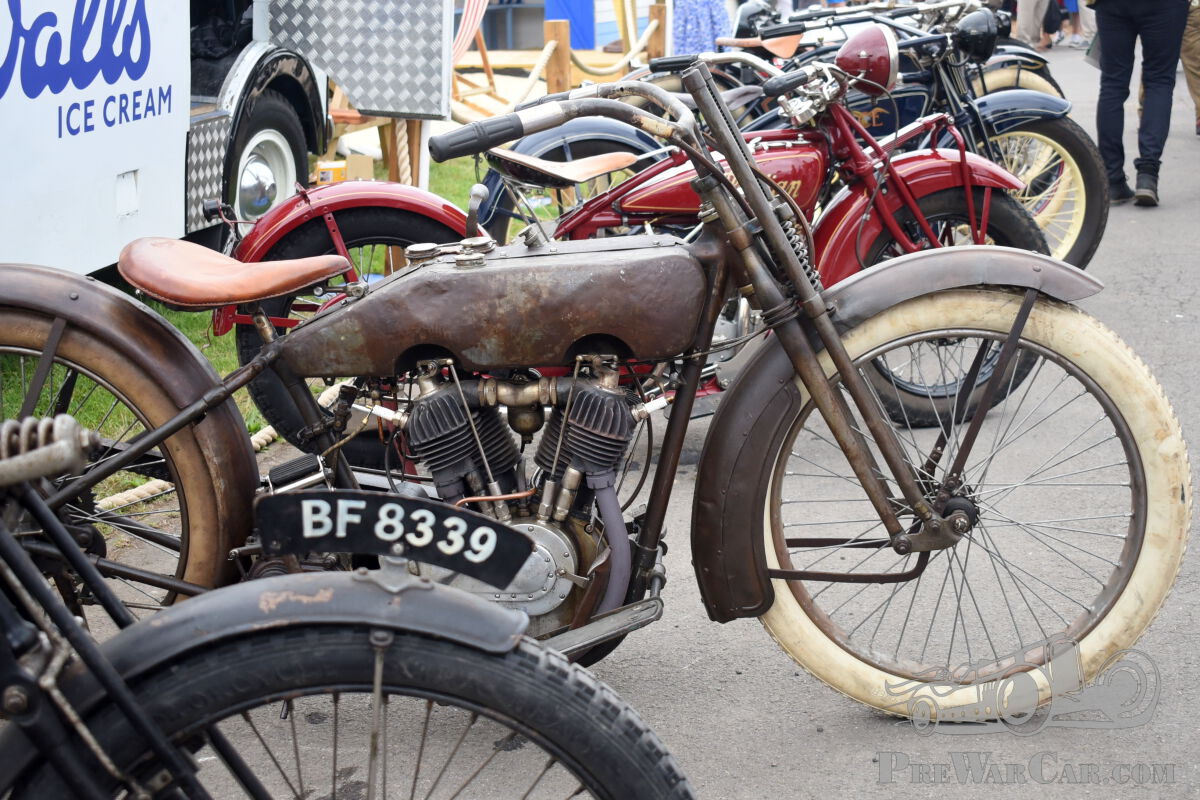
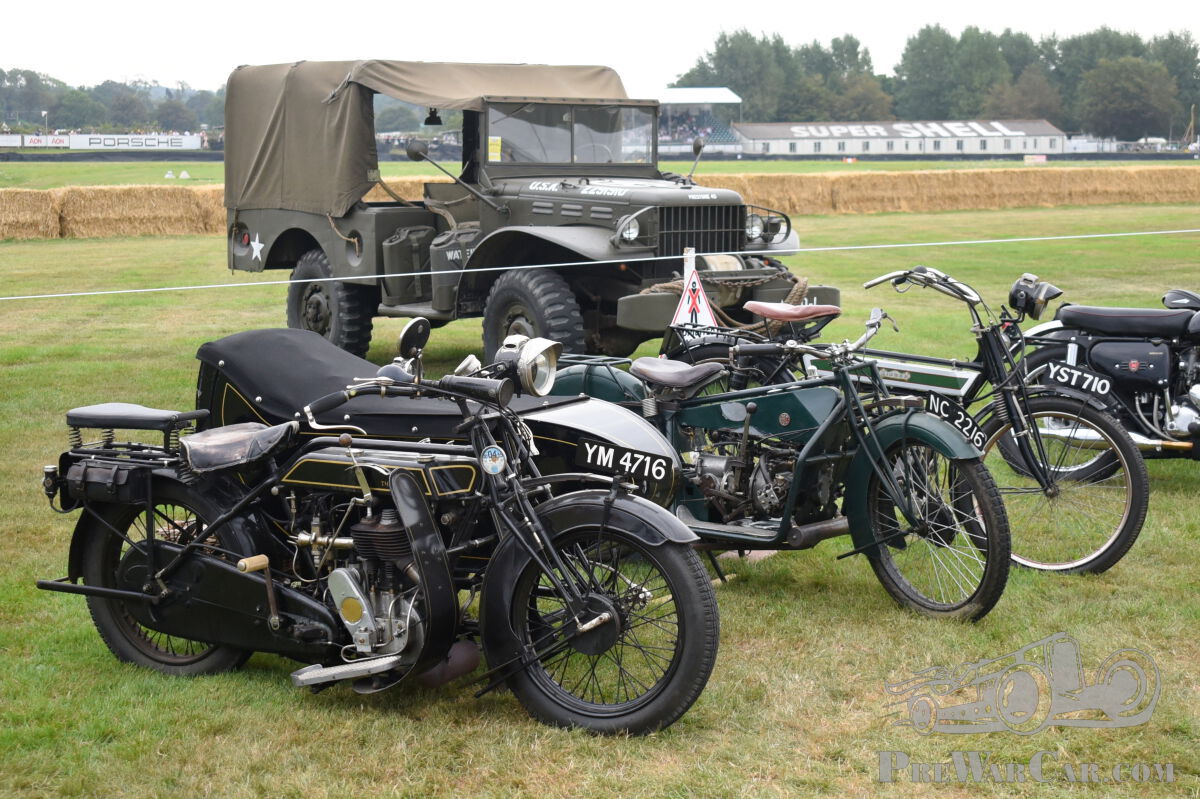
There were various American motorcycles from the pre-war era

One of the most unusual was the vee-twin Thor from 1913
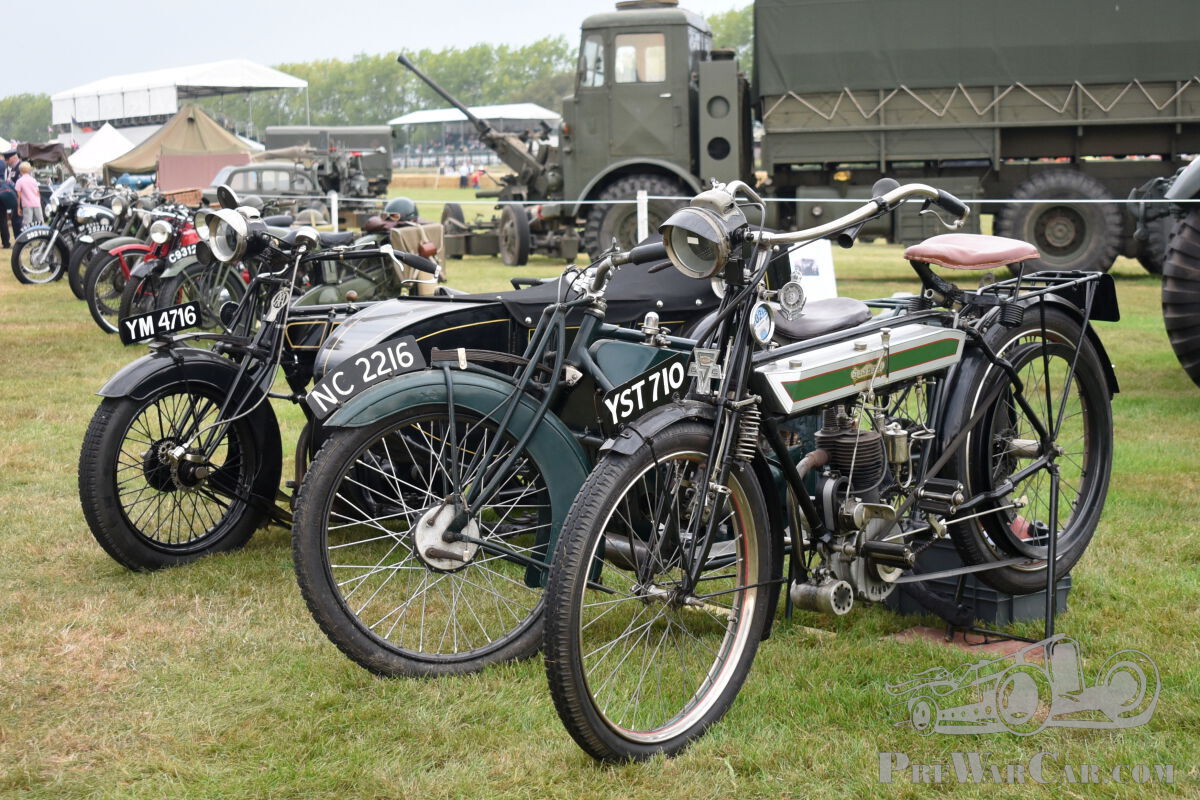
Singer, ABC and Sunbeam were among the early motorcycles on show
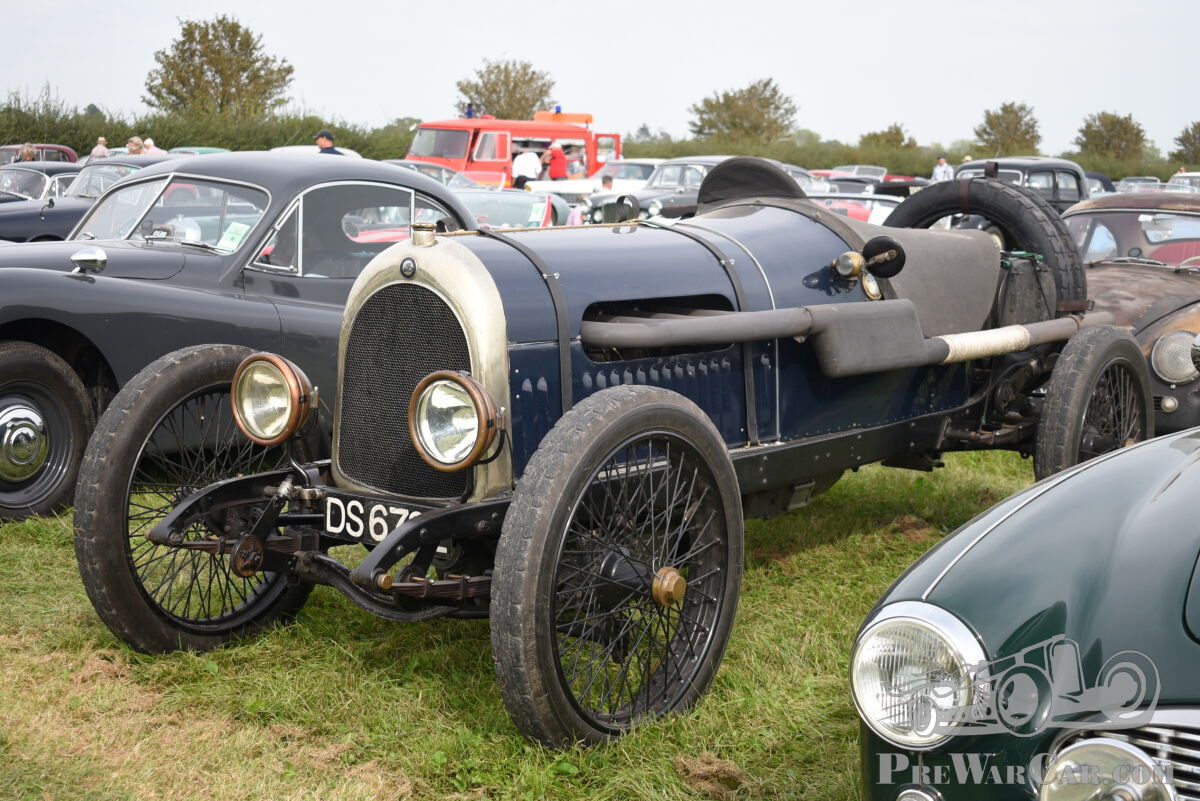
1913 Théophile Schneider aero-engined racer hid behind a Bean radiator
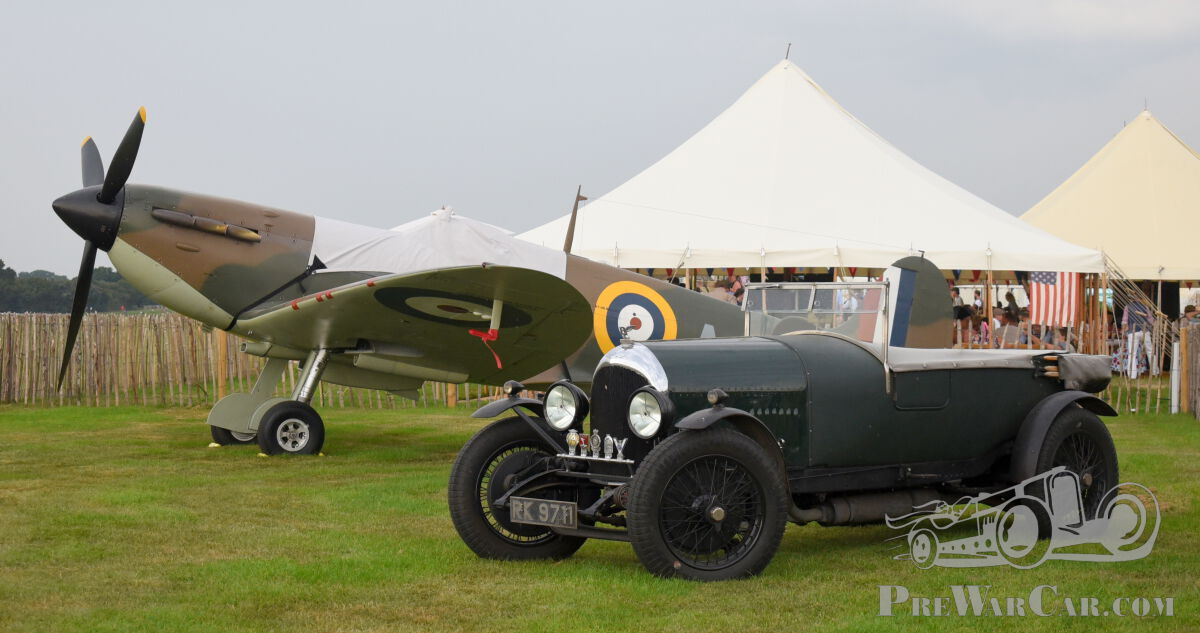
Ex-Michael Hay 1926 Bentley Three Litre looked handsome next to a Supermarine Spitfire at the R.A.F. Westhampnett display
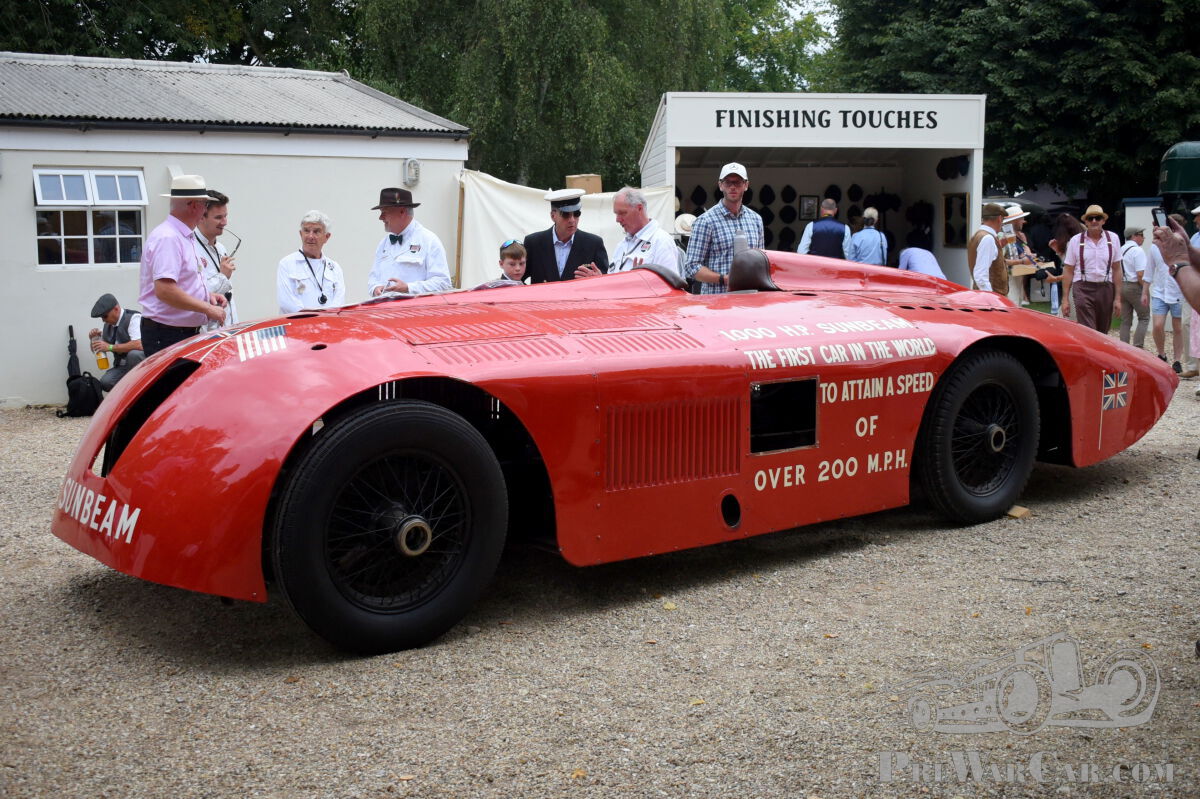
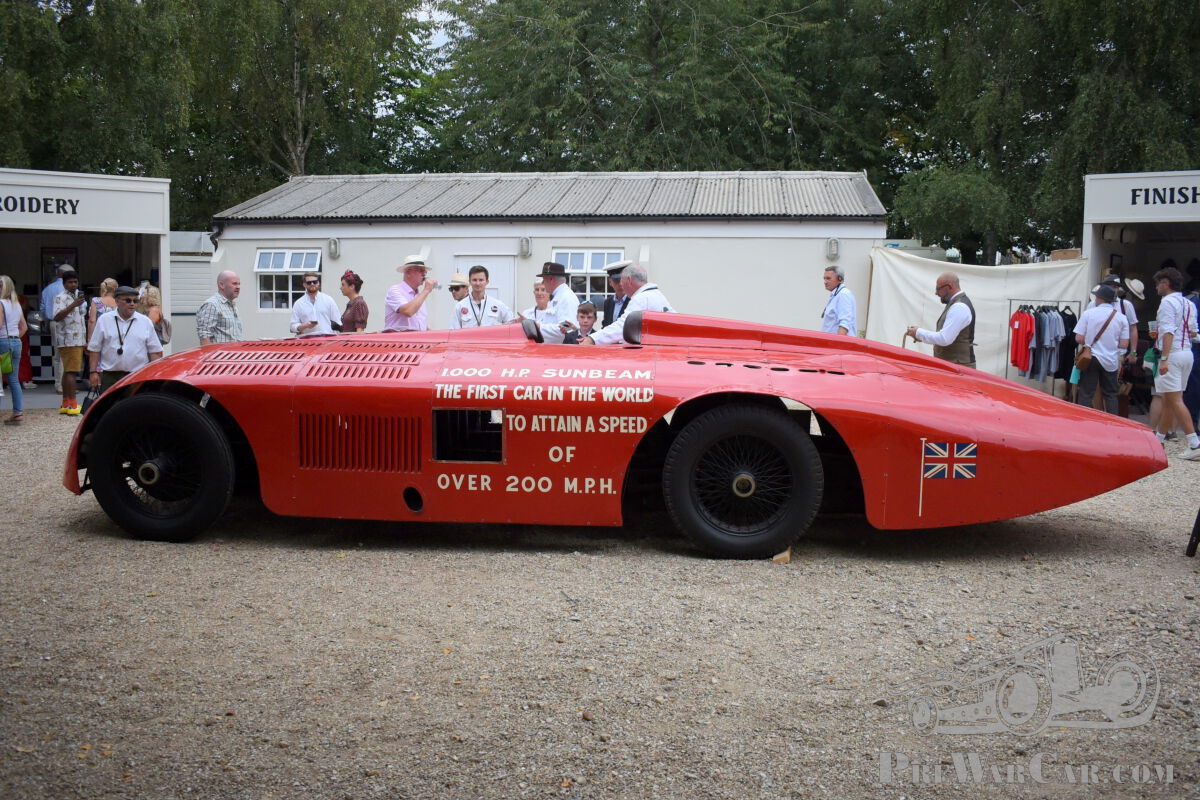
The 200mph Sunbeam 1000hp generated interest in the National Motor Museum Trust
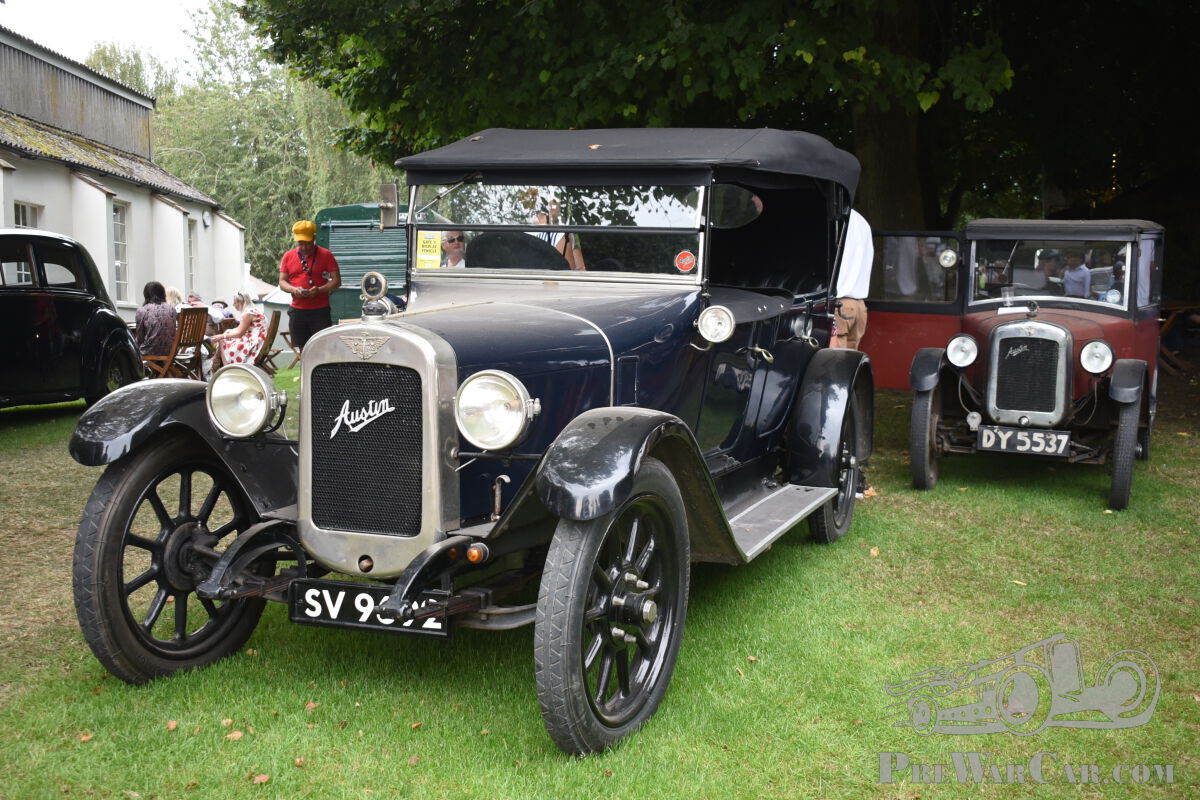
Old Austins were scattered around the site
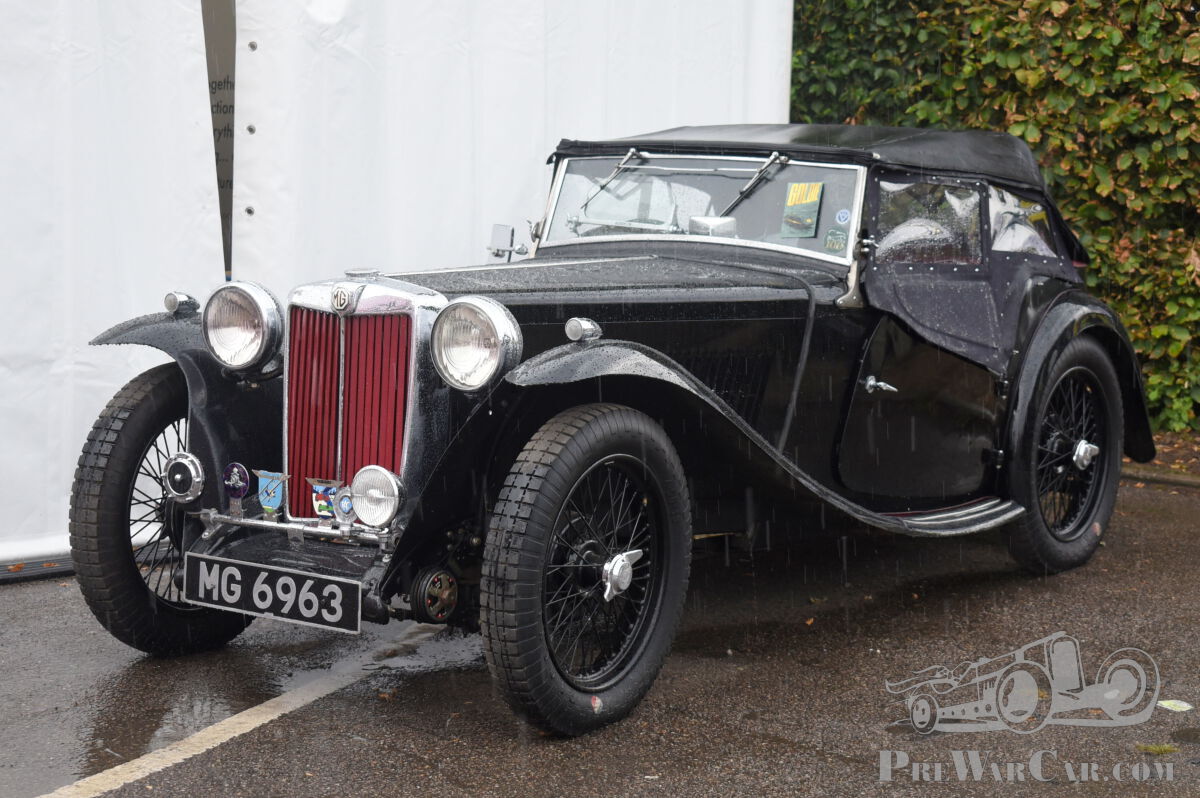
Goldie Gardner's MG TC was easily missed but deserving of attention
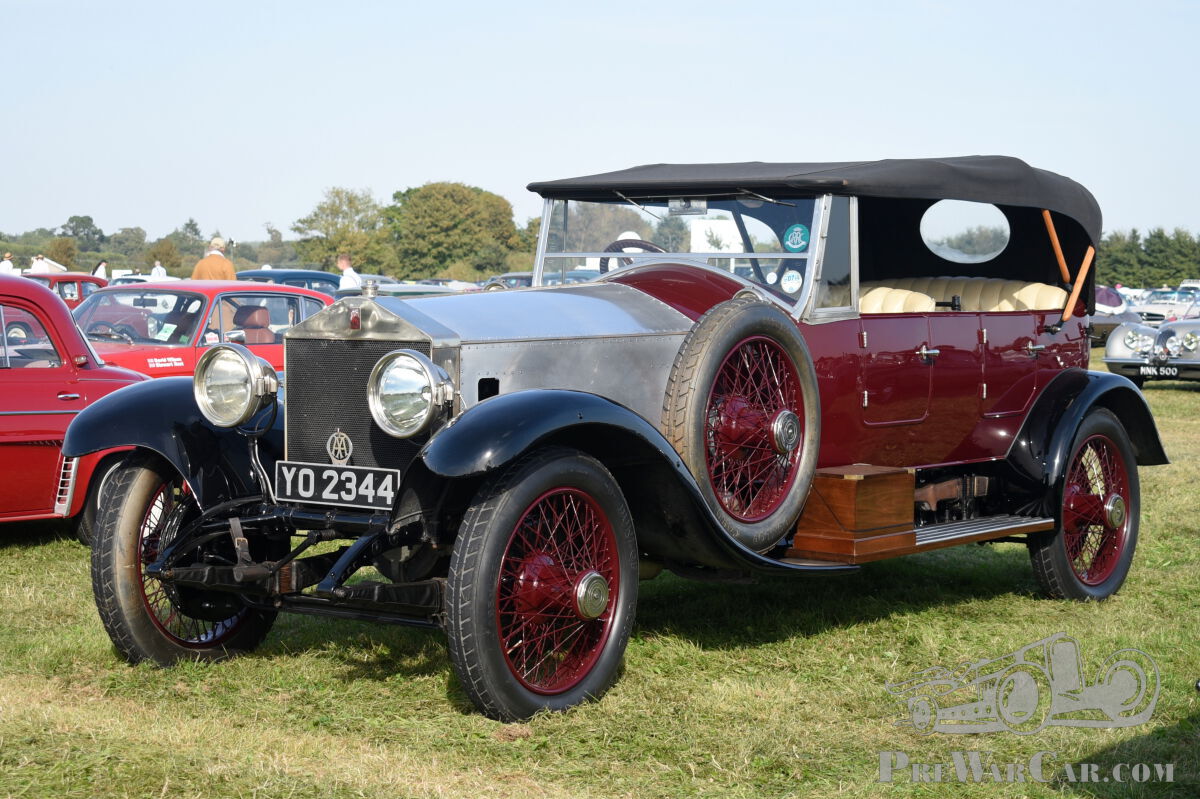
Imposing 1926 Rolls-Royce Silver Ghost stood out in the car park
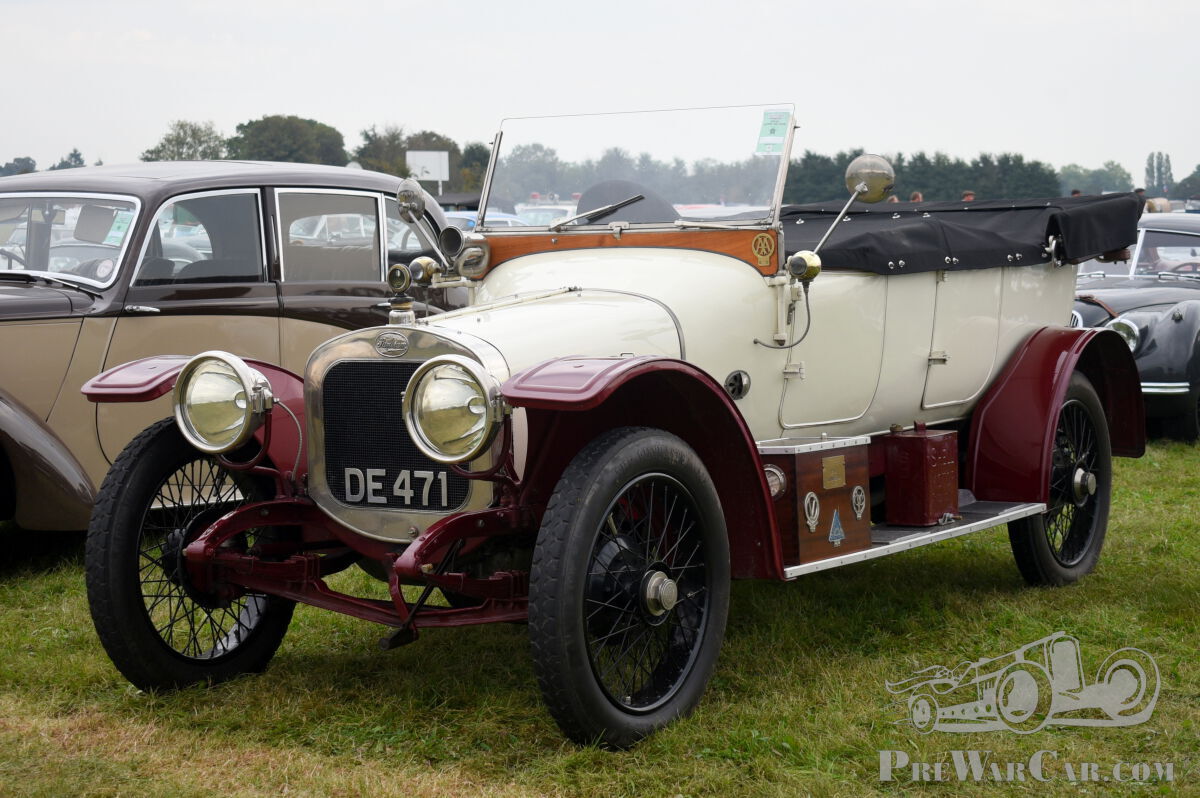
1913 Sunbeam 12/16hp tourer braved Sunday's rainy weather
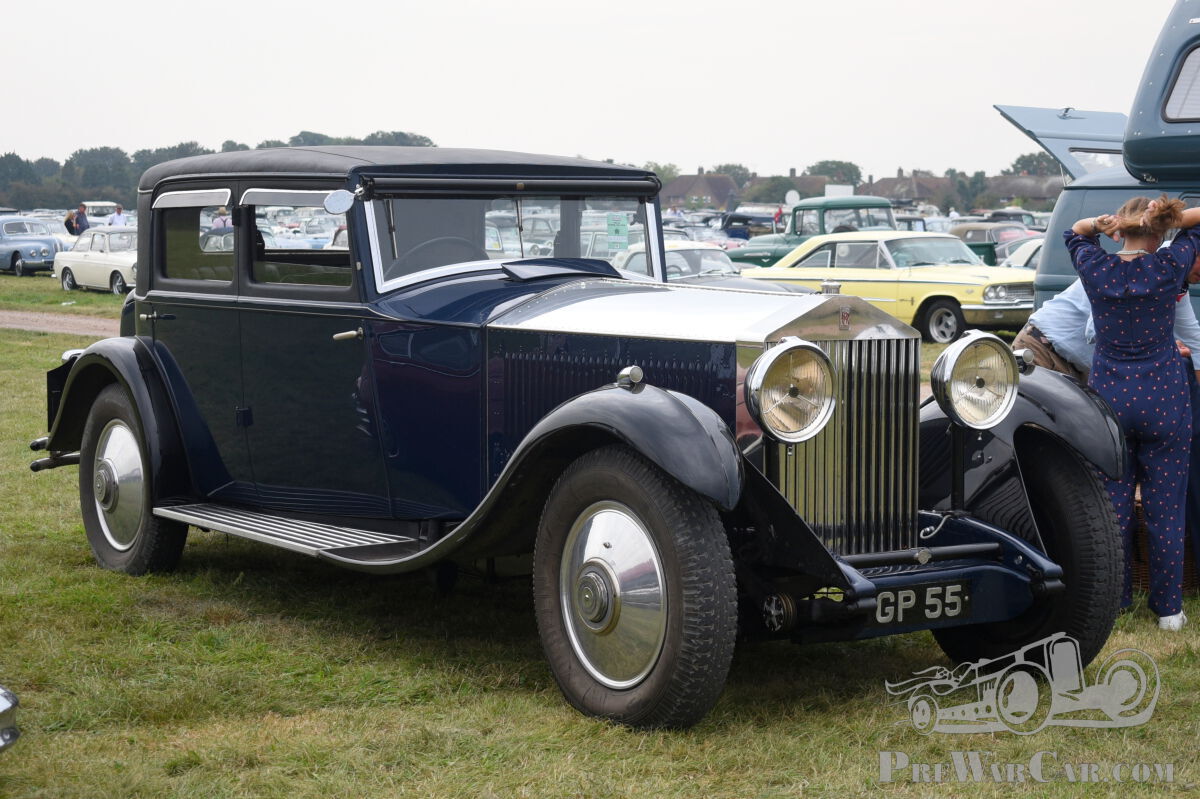
The 1931 Rolls-Royce Continental II sports saloon by H. J. Mulliner featured some of the most impressive coachwork, having been built for a wealthy couple domiciled just off Sloane Square
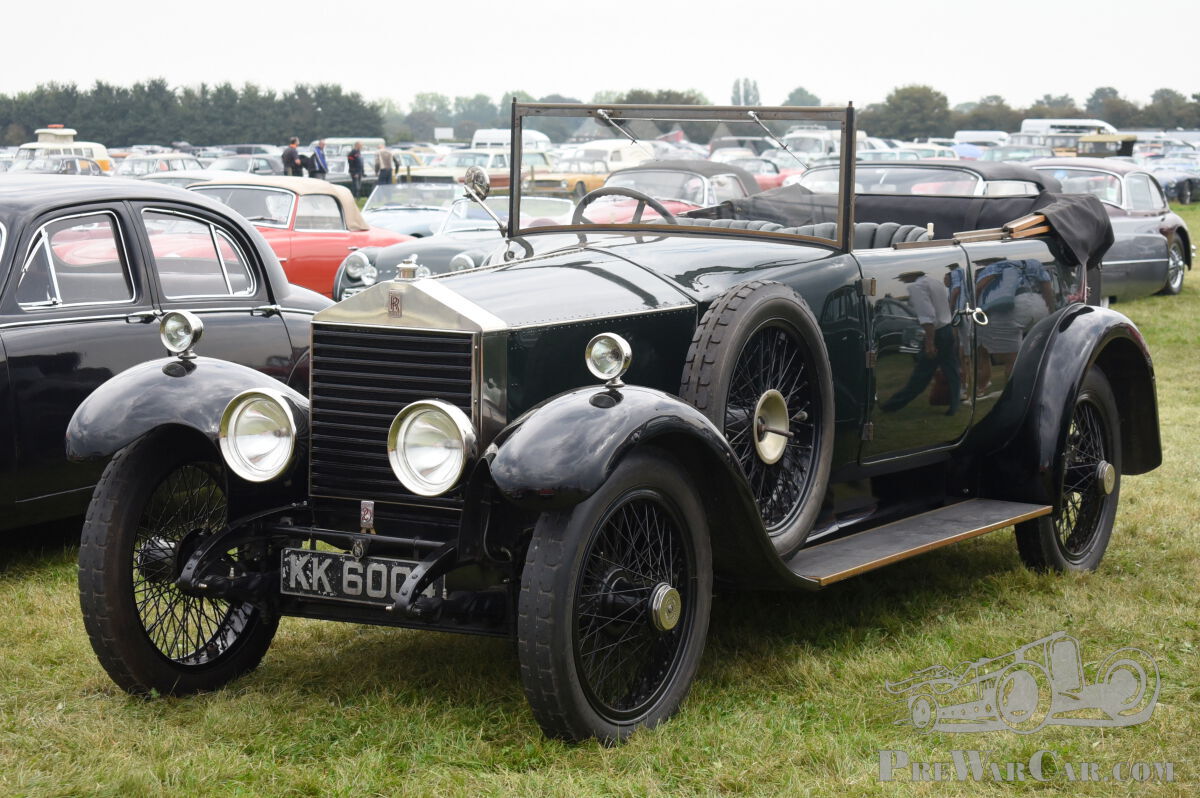
Handsome 1923 Rolls-Royce 20hp all-weather tourer by H. J. Mulliner looked like the sort of thing an enthusiast might have driven to Goodwood in period
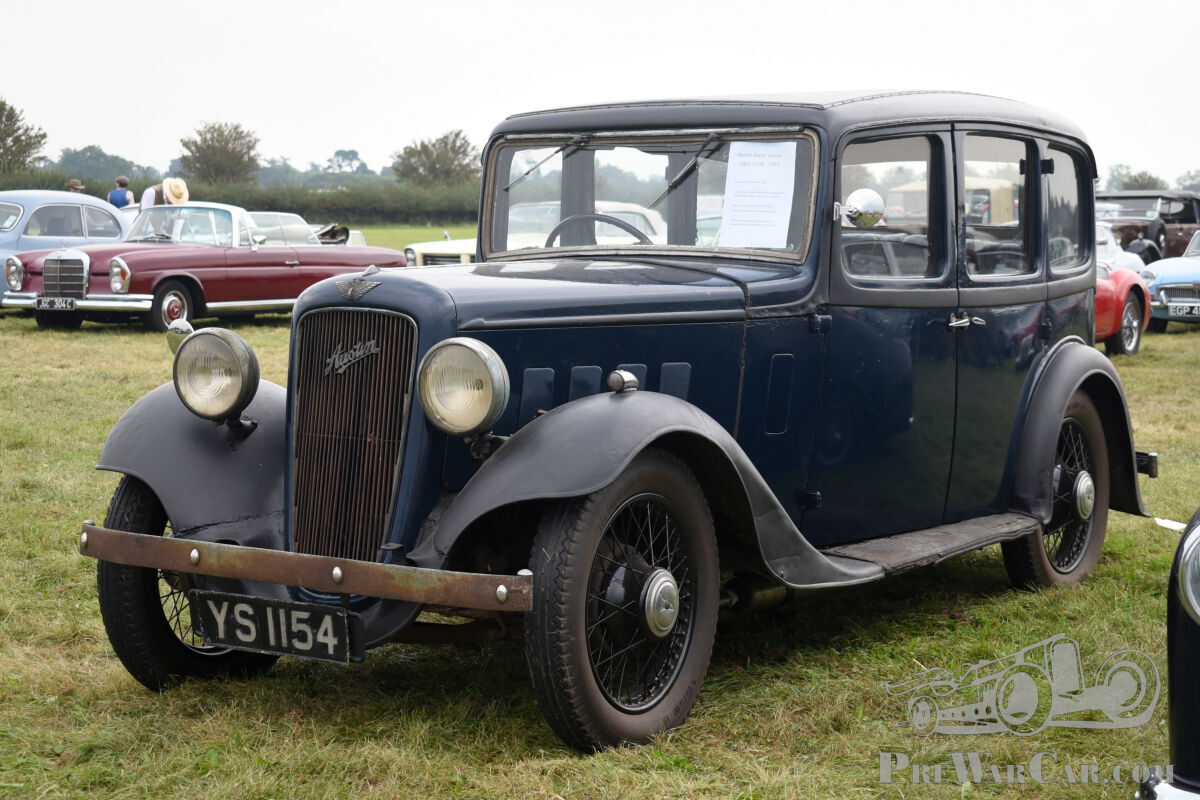
Charming oily-rag 1934 Austin 12/4 Ascot had been family-owned since 1953 but was recently recomissioned after being laid up in 1970
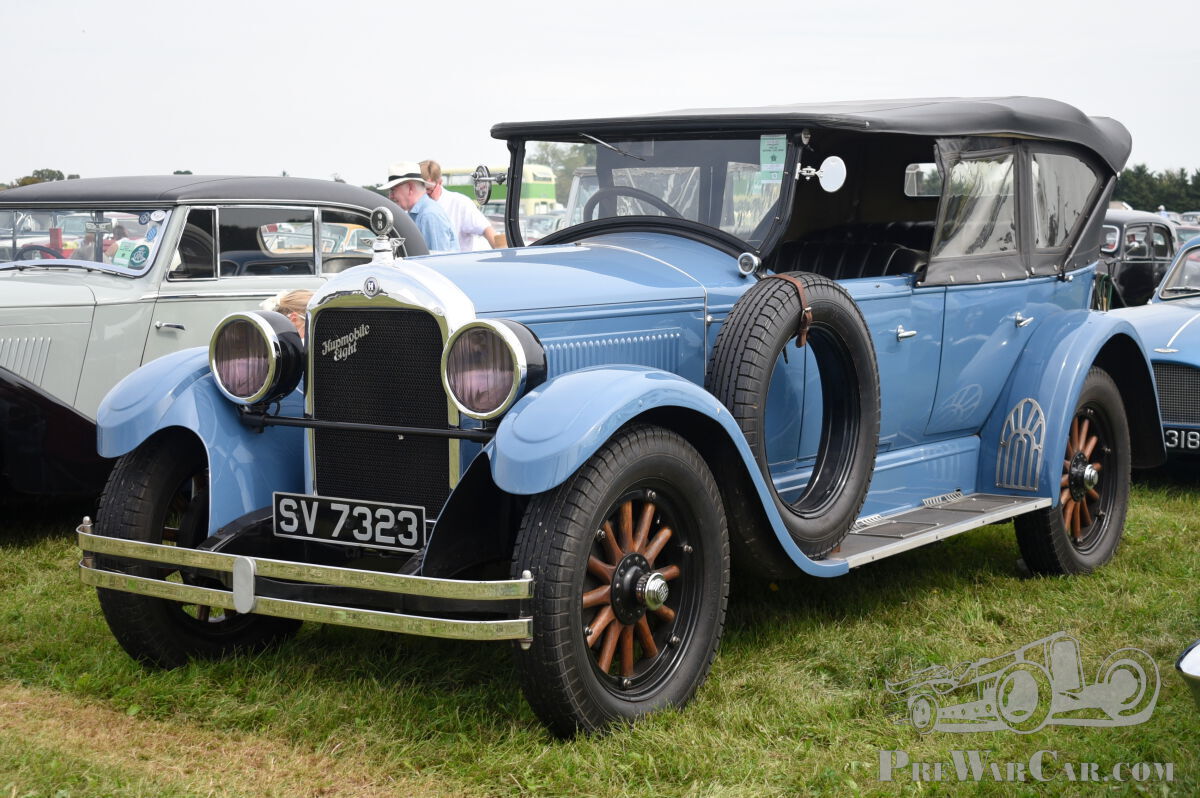
1925 Hupmobile Eight was among the vintage Americana...
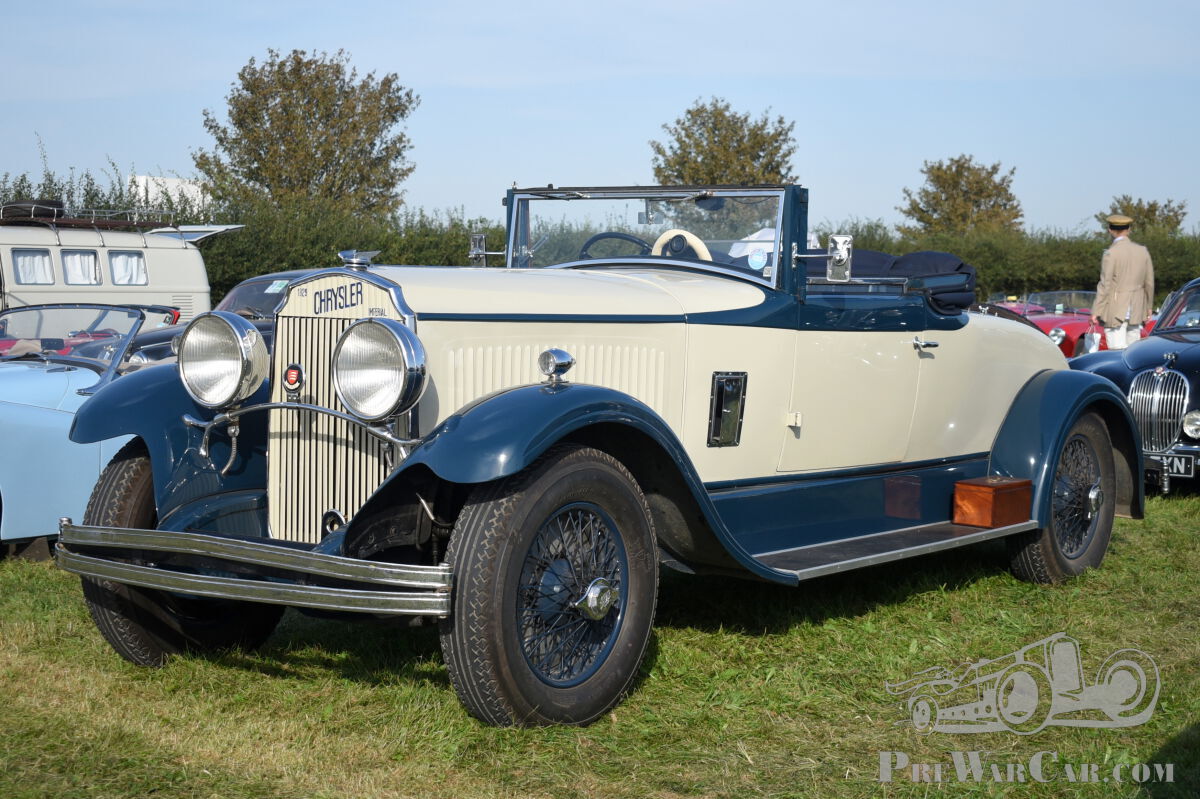
As was this Déco-influenced 1929 Chrysler Imperial convertible coupé
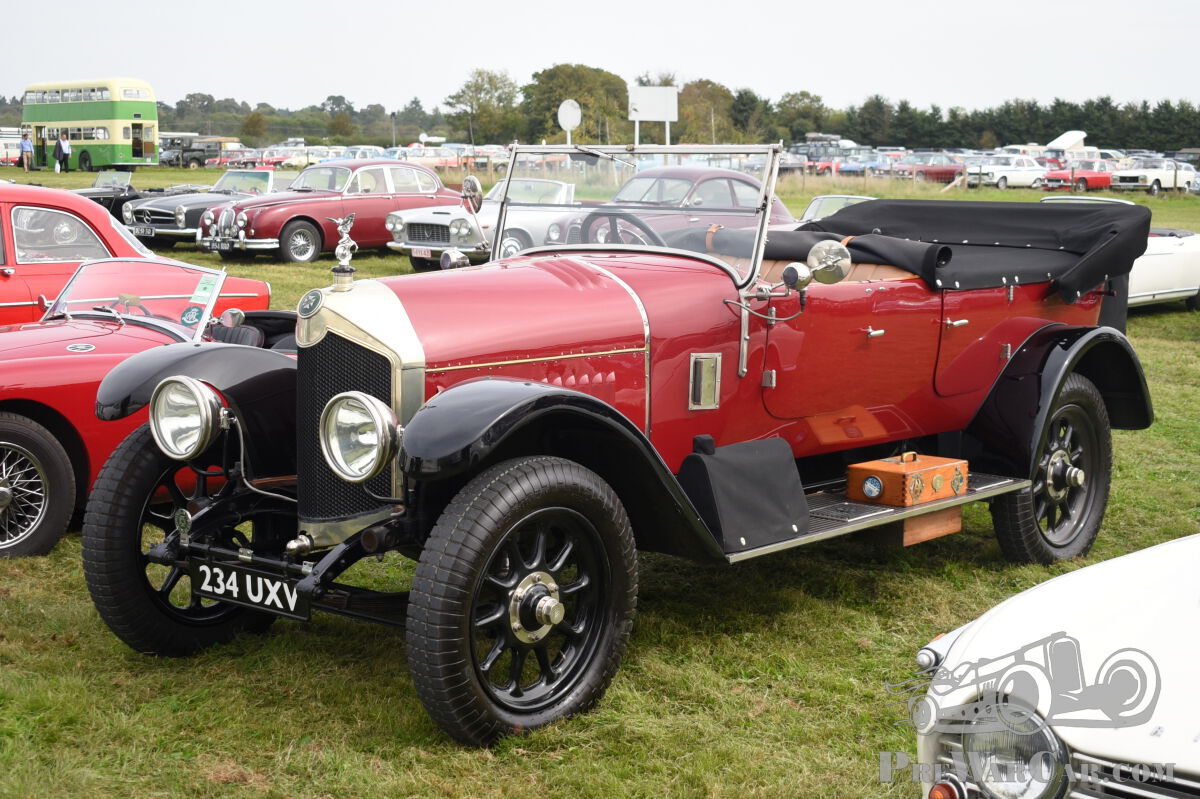
This well turned-out 1923 Crossley tourer was an unexpected find in the car park
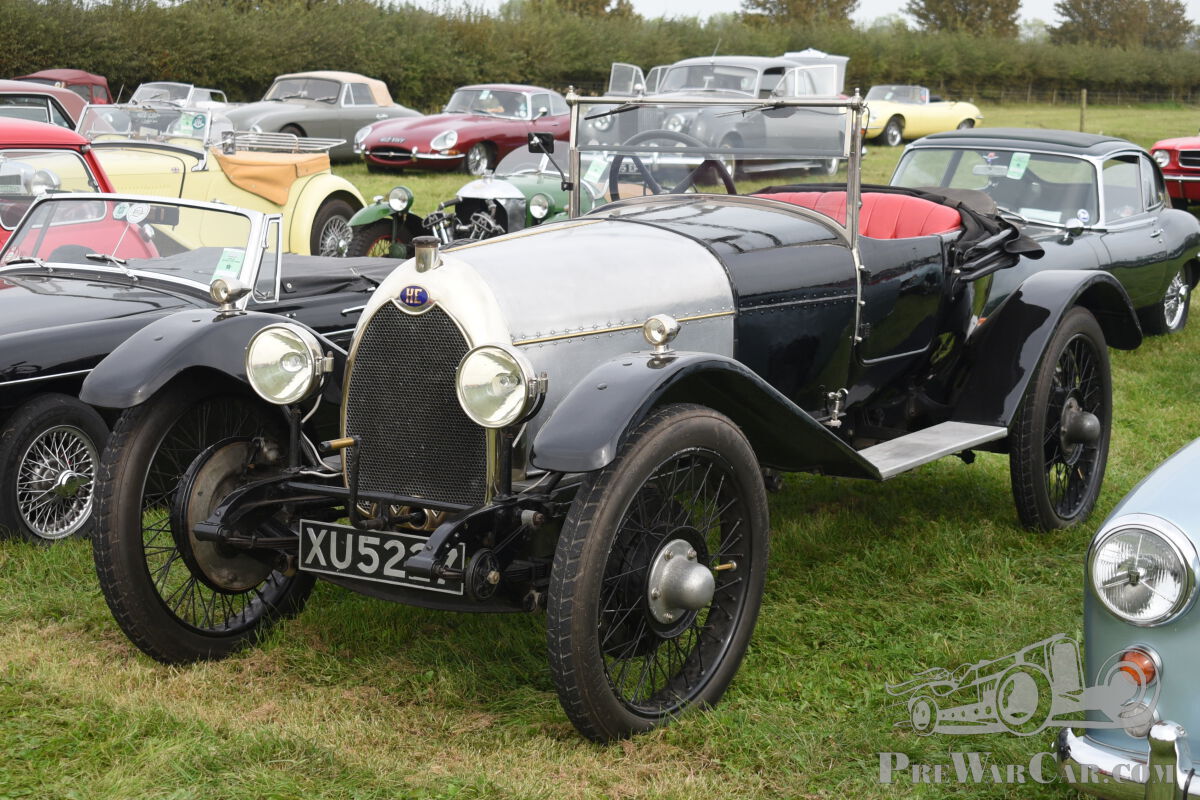
1924 HE was a very fine example of a vintage sports-car
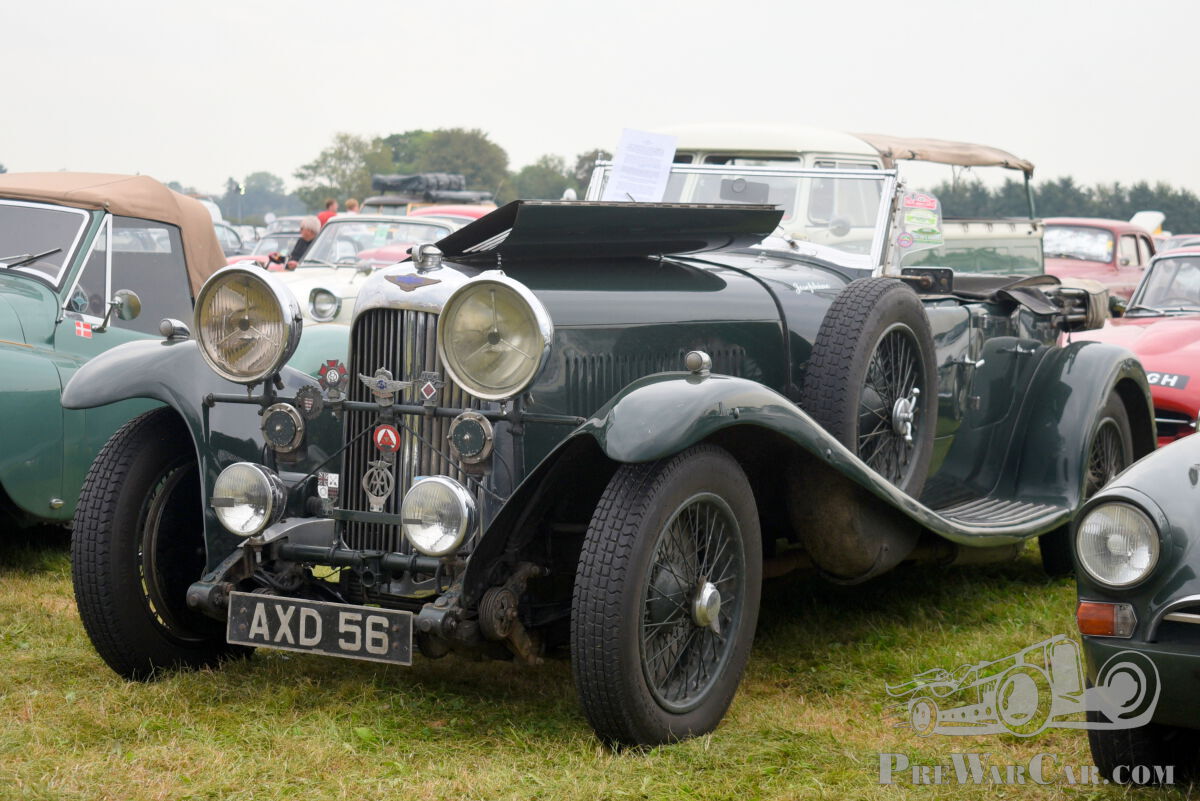
Among multiple Lagondas, few could match this scruffy 1933 M45 with the T5 body. Family-owned from new, its first owner was T. C. 'Conrad' Mann, who used it for four Monte Carlos and two RAC Rallies, as well as commuting from Hampshire to London
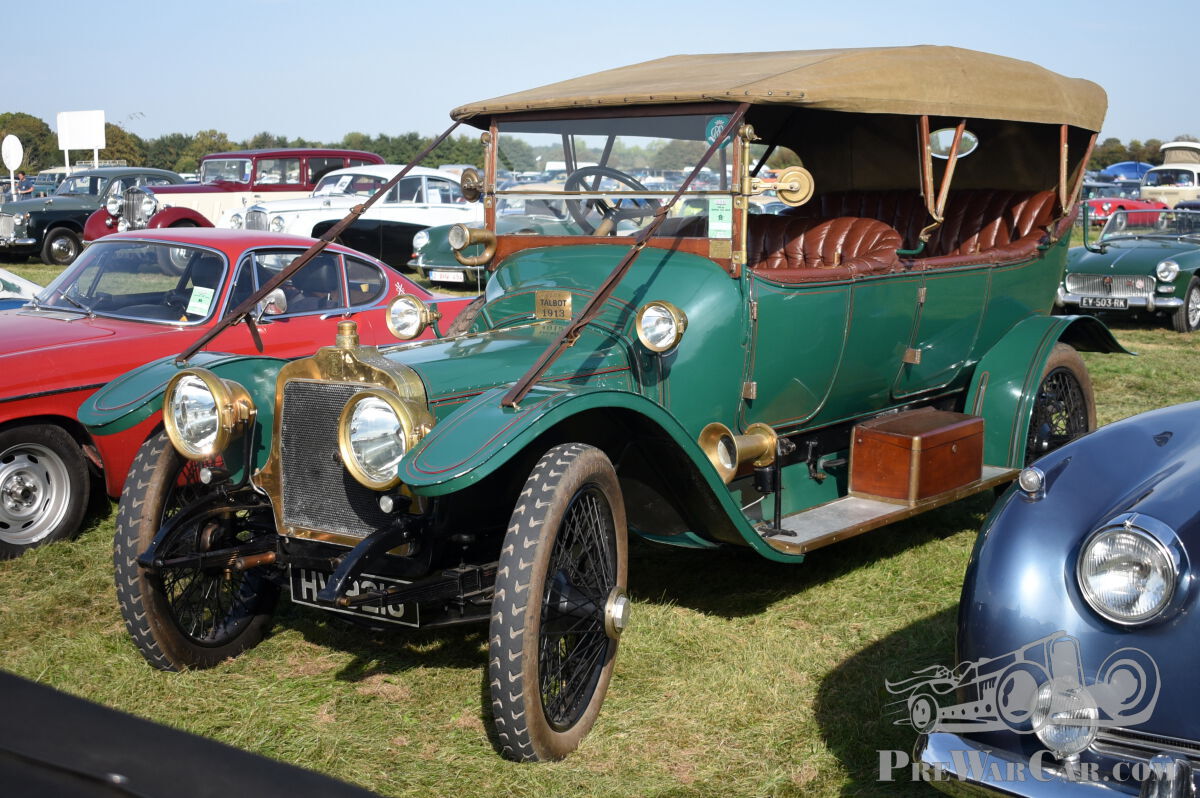
The 1913 Talbot did well to visit on the Saturday, when the bright sun brought its brass to life
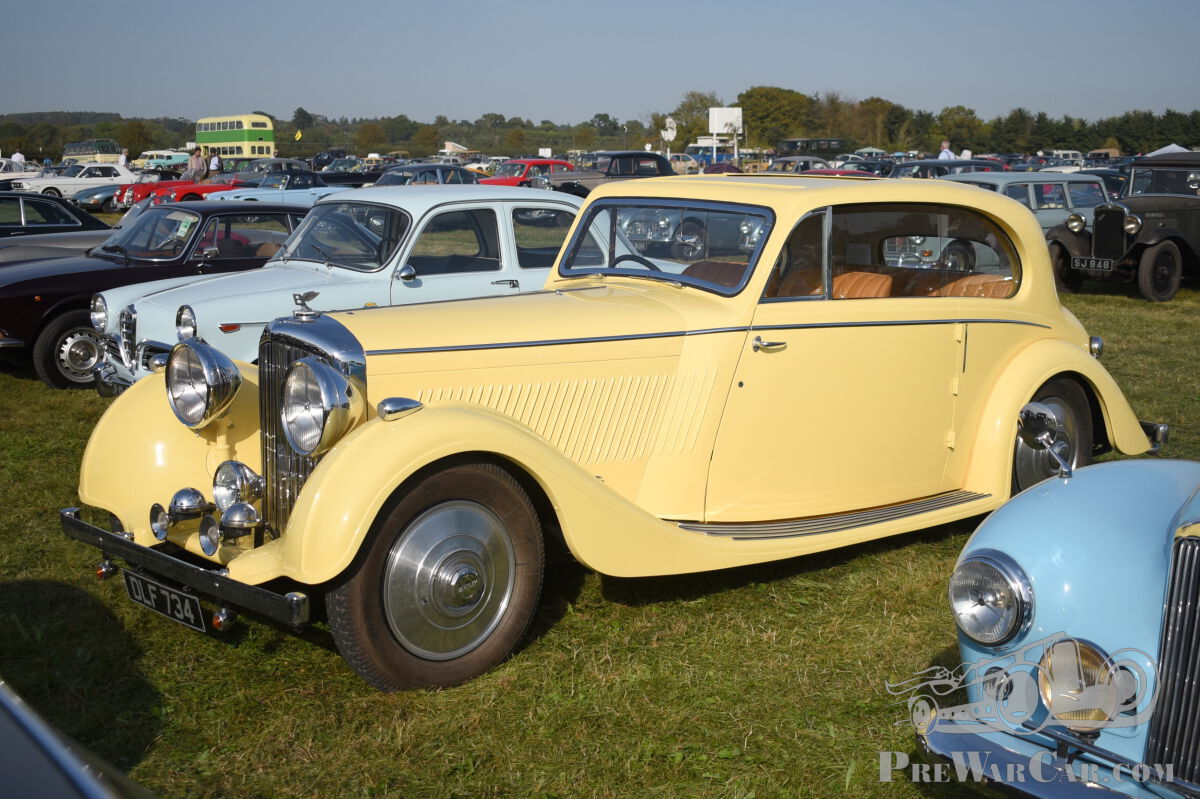
Among numerous Derby Bentleys, the most spectacular was this 4¼-Litre pillarless sports saloon by Barker
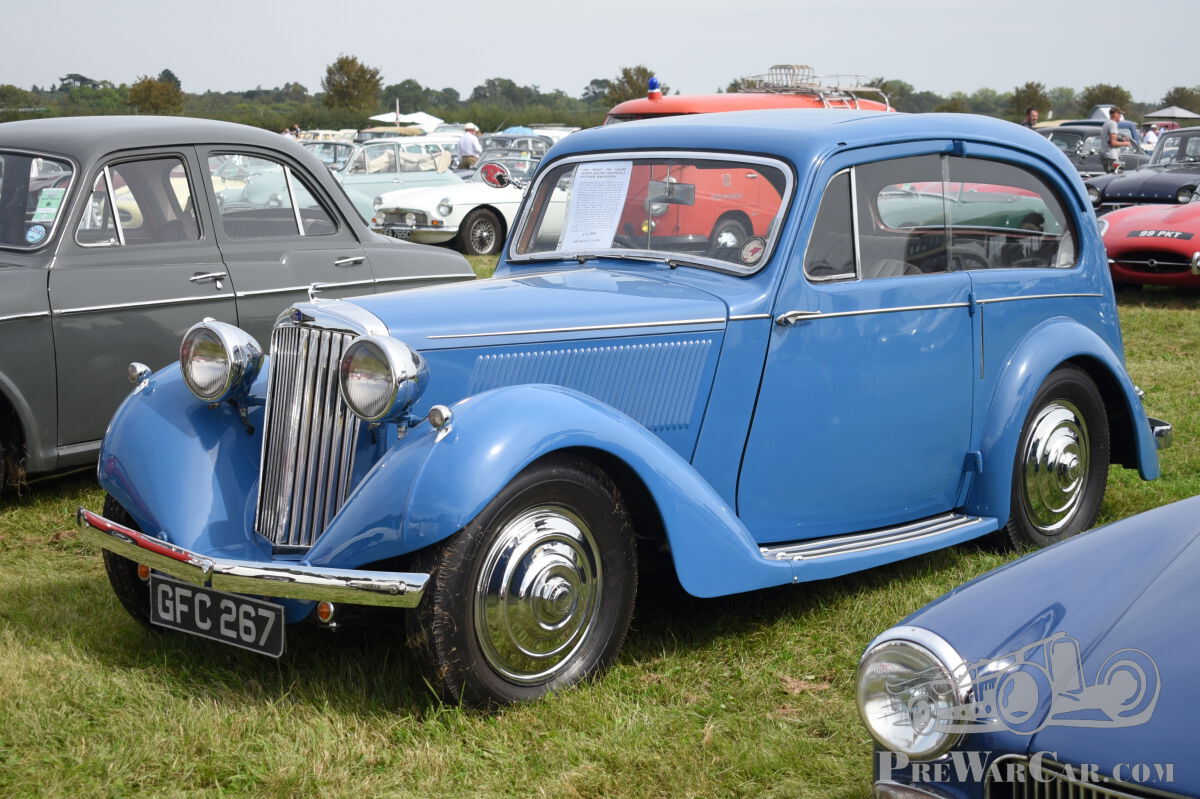
1938 Talbot 10 Airline exhibited similar style on a smaller scale
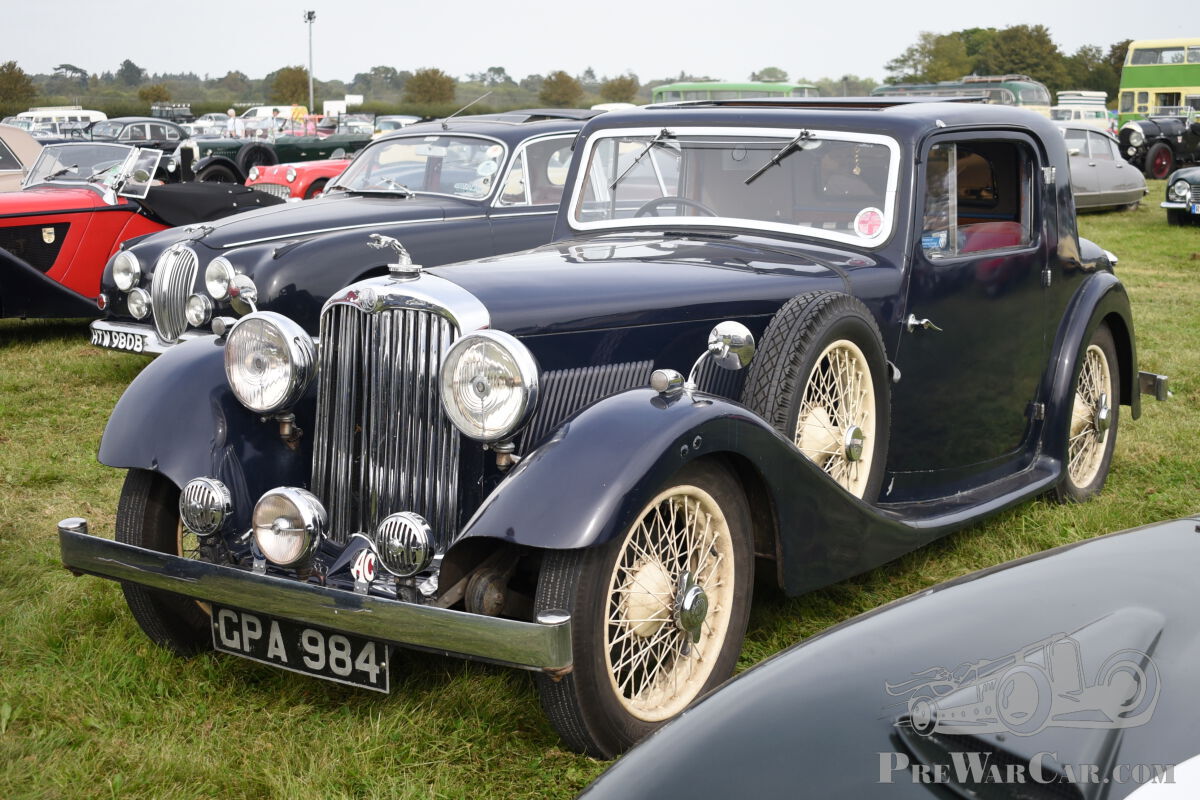
1937 AC coupé was an unexpected find


Although primarily a post-war event, the Goodwood Revival always yields some fascinating pre-war gems among the scores of 1950s and '60s sports and Grand Prix racers. There were two pre-war races this year, the Goodwood Trophy for Grand Prix and Voiturette cars of the 1930s and '40s, and the Rudge-Whitworth Cup, a special addition to the schedule in honour of the Le Mans centenary, for 1920s sports-cars of a type that raced at Le Mans in period.
Streamlined Jaguar resurfaces
The most exciting news, for at us, at least, concerned the débuts of two specials, one a recreation, built on pre-war chassis. The Jaguar Pycroft Special was possibly the most important car of the whole weekend, with 2023 marking 75 years since racing started at Goodwood in 1948. Paul Pycroft rebodied a 2½-litre S.S.100 with aerodynamic coachwork, entered it in the first ever Goodwood race meeting and proceeded to cross the finish line in first place. It was later restored as a standard S.S.100, before being rebuilt again in its race-winning guise. It was only ever shown topless over the weekend, but in period it had an unconventional metal hood with curved plastic rear window.
The other débutante was an Austin Seven special now better-known as the Lotus Mk. I. Built in 1948 around a 1928 chassis, Colin and Hazel Chapman immediately set about entering trials with it, before experimenting with other specials which would eventually culminate in the successful Lotus Mk. VI. The original car no longer exists and, while an unofficial replica has been made before, this example was the result of a project spearheaded by Clive Chapman and Classic Team Lotus and completed in 2023 in time for its 75th anniversary. With this anniversary being a major feature of the Revival, it was joined by the unrestored 1949 Lotus Mk. II, built with Ford 10 mechanicals around an Austin Seven chassis, and the Seven-engined 1951 Lotus Mk. III, which won its first race at Castle Combe.
Goldie's MG and Coco's Model T
The National Motor Museum Trust generated a lot of attention for itself with the prominent display Henry Segrave's 1927 Sunbeam 1000hp land speed record car minus its engine, which is currently undergoing restoration, but it also exhibited a 1946 MG TC by the pedestrian footbridge. Generally obscured by the sea of punters passing by, it was easily missed but merited a look, being none other than the personal car of Lt. Col. 'Goldie' Gardner.
This year's theatrical centrepiece, bemusing as it was, was themed around the circus and presented an opportunity to admire some 19th-century circus wagons which, with their ornate paintwork and decorative carvings, represented a valuable insight into one of the more specialized examples of the body-builder's craft. More within our scope, however, was a Ford Model T laden with tricks. Believed to have been built for the Keystone Cops silent comedy films of 1912-1917 and then used by Coco the Clown in the Bertram Mills Circus, who imported it from America. Nicolai Poliakoff - Coco - sold it to Pierre Picton, another clown who made frequent appearances in British children's television of the 1960s and '70s and who in turn sold it to Nick Mason. The intelligently engineered Tin Lizzie featured collapsing panels, a tipping rear seat and ejector seat, and will have delighted thousands of circus-goers over its working life.
They were just a few highlights from a packed event, which also contained a large variety of Pioneer, vintage and post-vintage motorcycles, and the ever-eclectic pre-1966 parking, which included a different Edwardian for each day of the event: on Friday a 1913 Théophile Schneider Hall-Scott-engined racer, on Saturday a 1913 Talbot tourer and on Sunday a 1913 Sunbeam 12/16hp. Have a look through the photographs to see more.
Words and photographs: Zack Stiling
Publiziert:
Donnerstag September 14th, 2023
Facebook
LinkedIn
Twitter
WhatsApp
Email
Copy
Kommentare


David Baldock
20 September 2023, 18:38
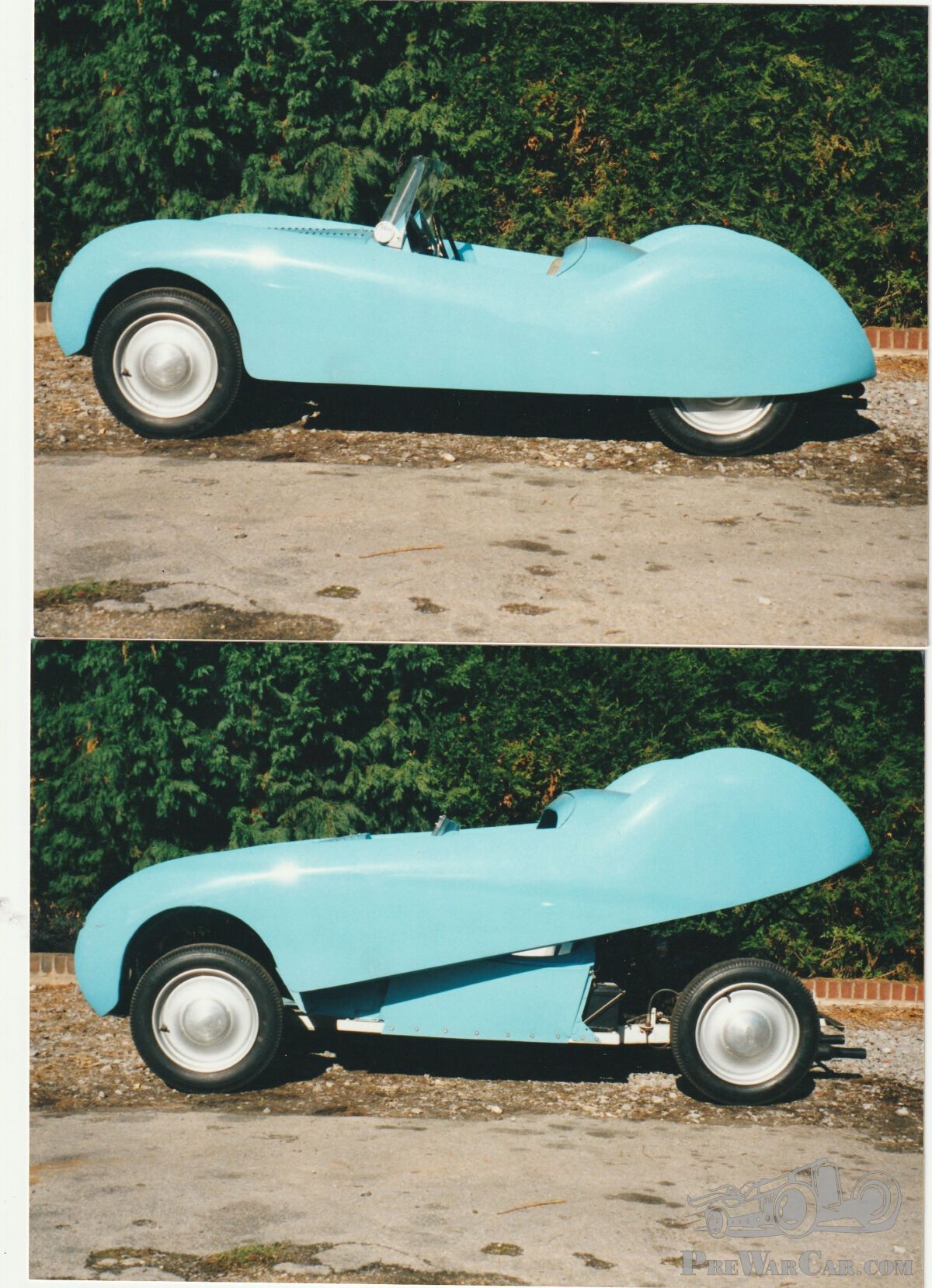
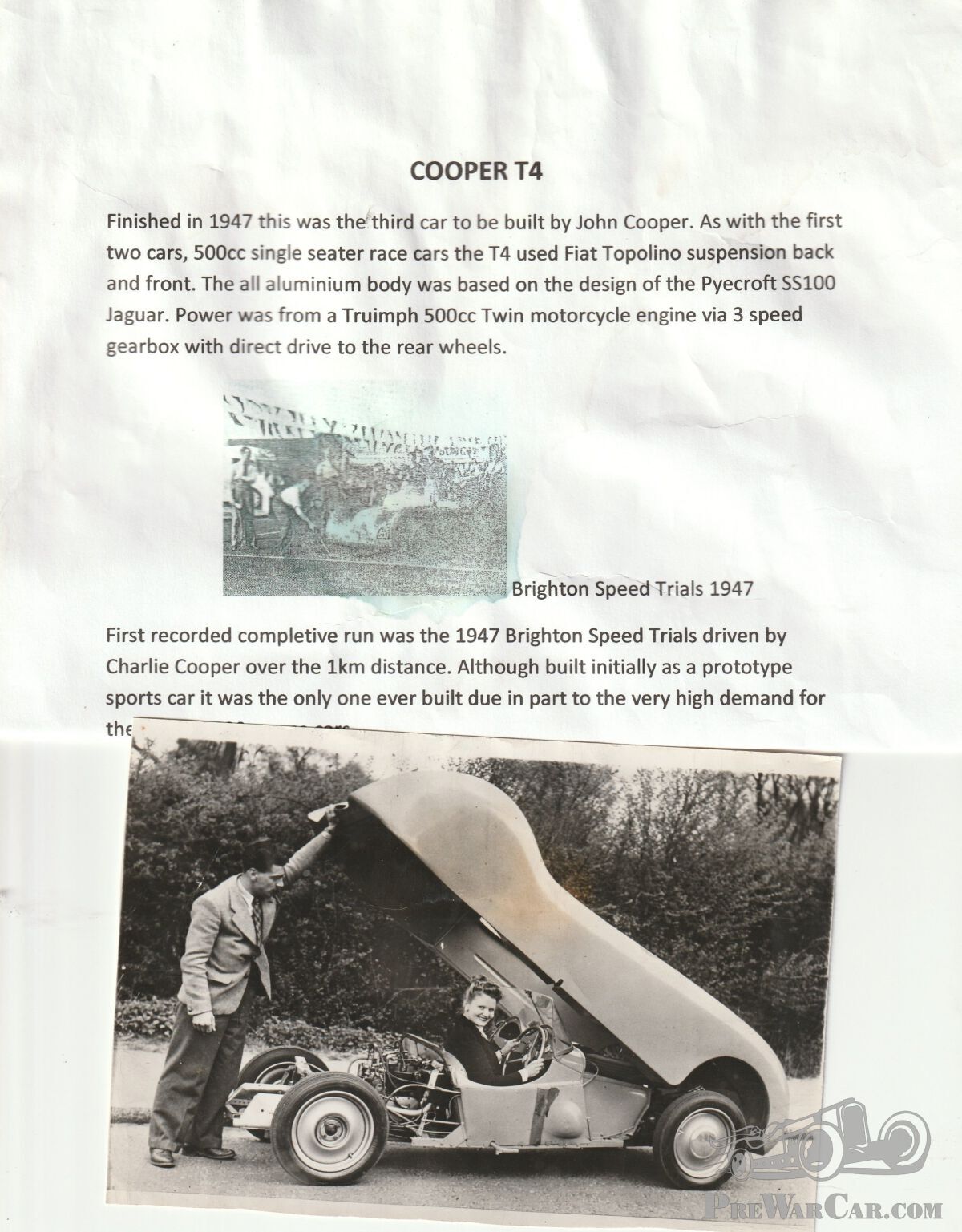
On seeing the Rupert Pycroft SS100 Specia lin 1946/7 John Cooper who had just finished his first two Cooper 500 racing cars decided to ask Charles Robinson to build him a body with similar aerodynamic lines to his third car. This car became the Cooper T4 with registration number LPC500. Pictures attached.
Weiter lesen