Das weltweite Magazin und der Marktplatz für Oldtimer-Enthusiasten – von Enthusiasten.
Das weltweite Magazin und der Marktplatz für Oldtimer-Enthusiasten – von Enthusiasten.


Filter
Auswahl treffen
- Autos
-
Marke >>
-
Baujahr >>
-
-
Kategorie >>
-
Länder >>
- Motorräder
- Teile
-
Automarke >>
-
Hersteller >>
-
Kategorie >>
- Fahrräder
-
Baujahr >>
-
Länder



Restoration 1912 Renault - Part 2



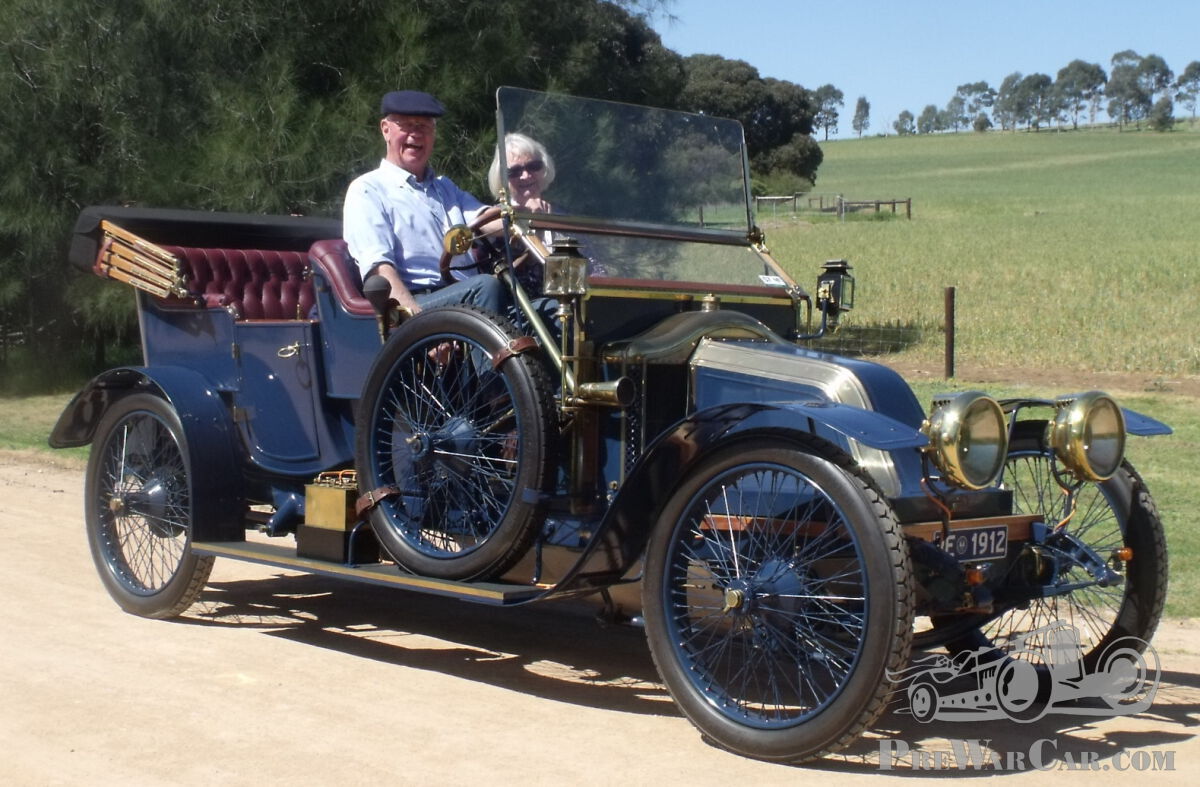


To continue yesterday’s story about the restoration of the 1912 CB Renault…
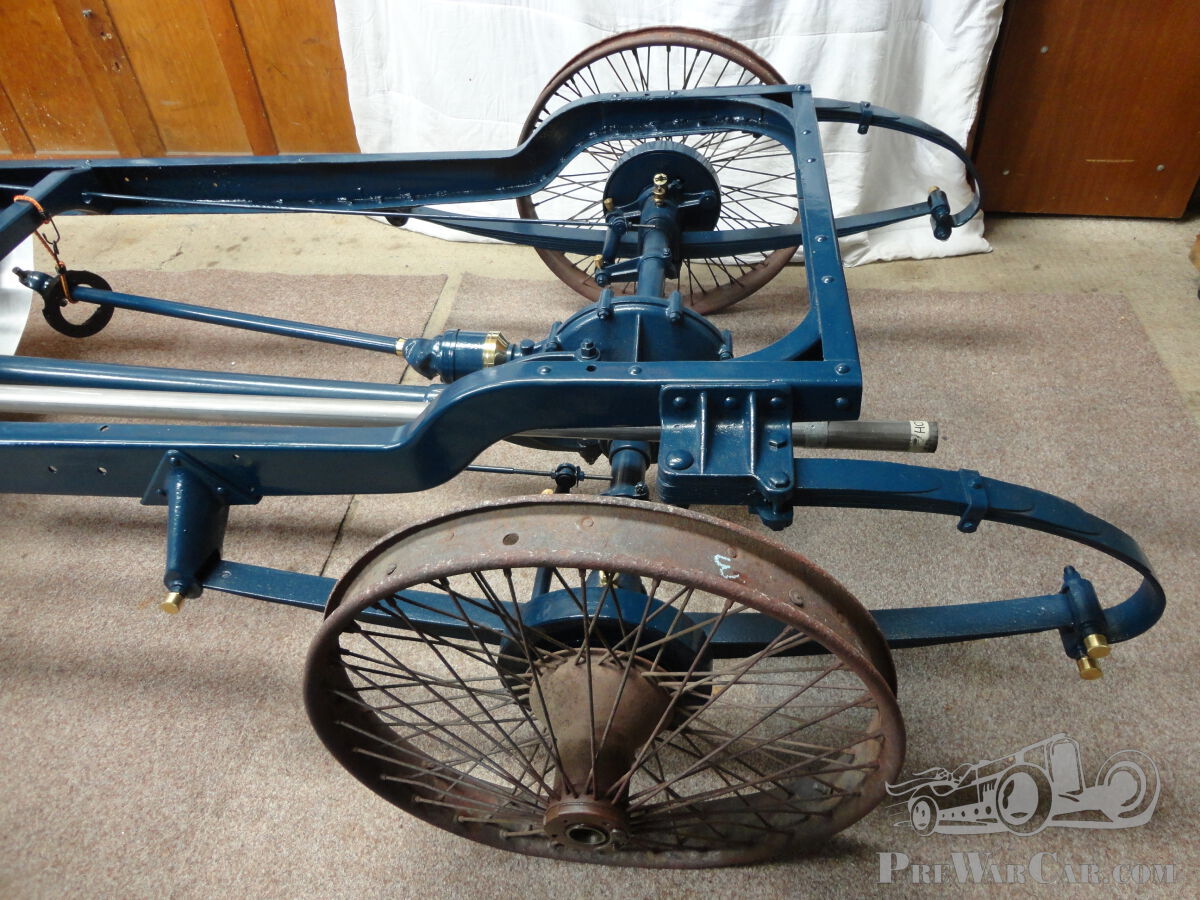
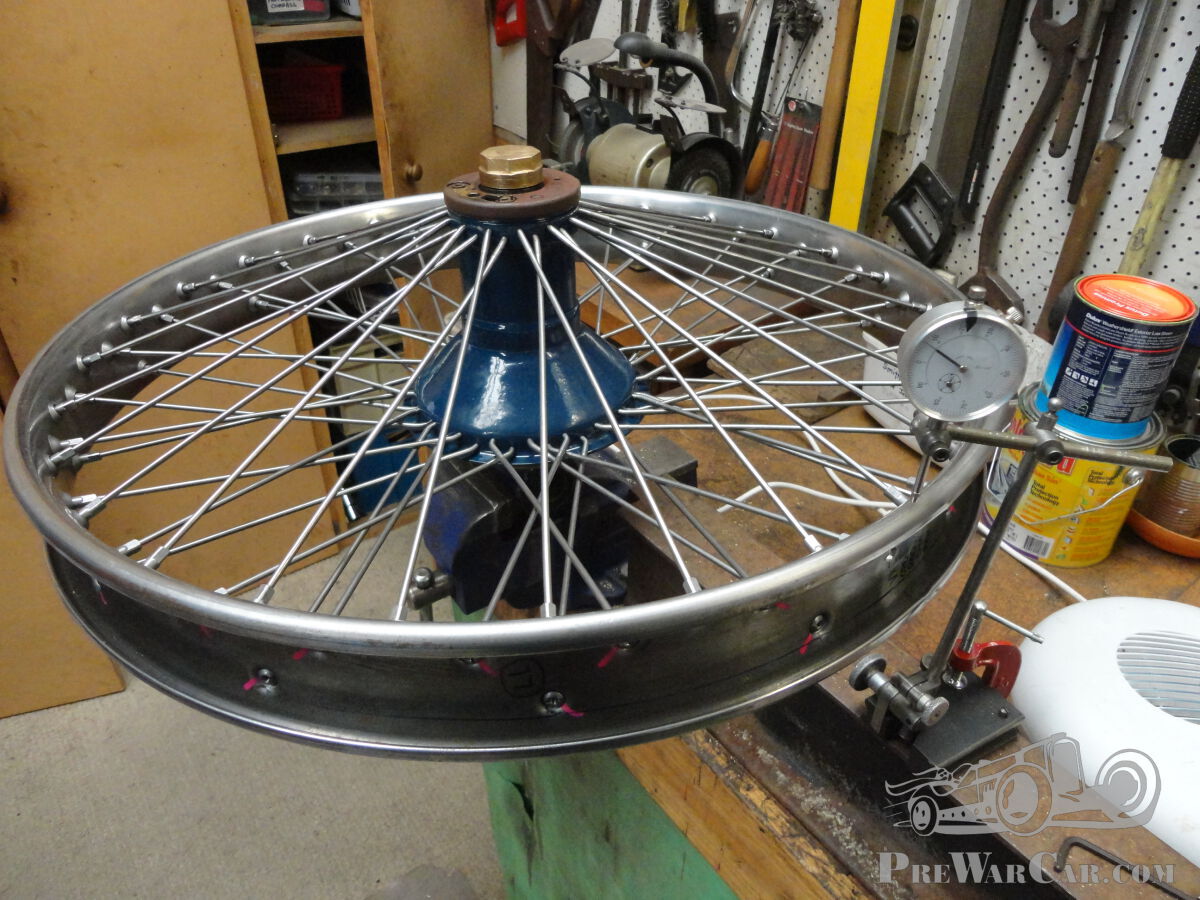
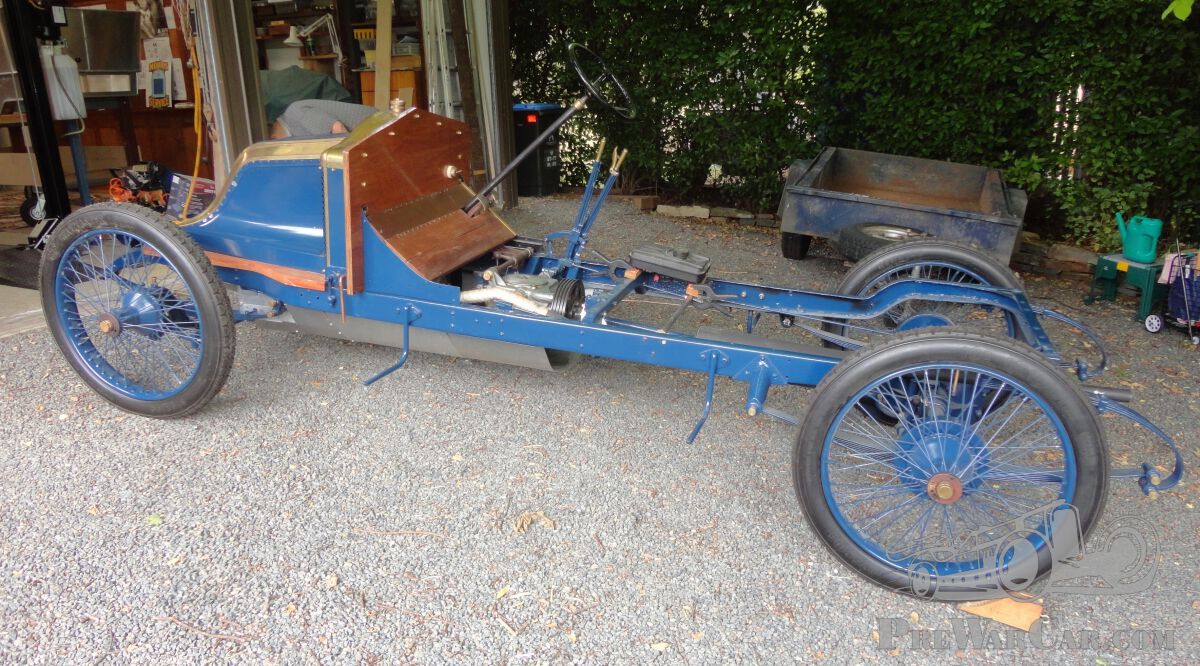
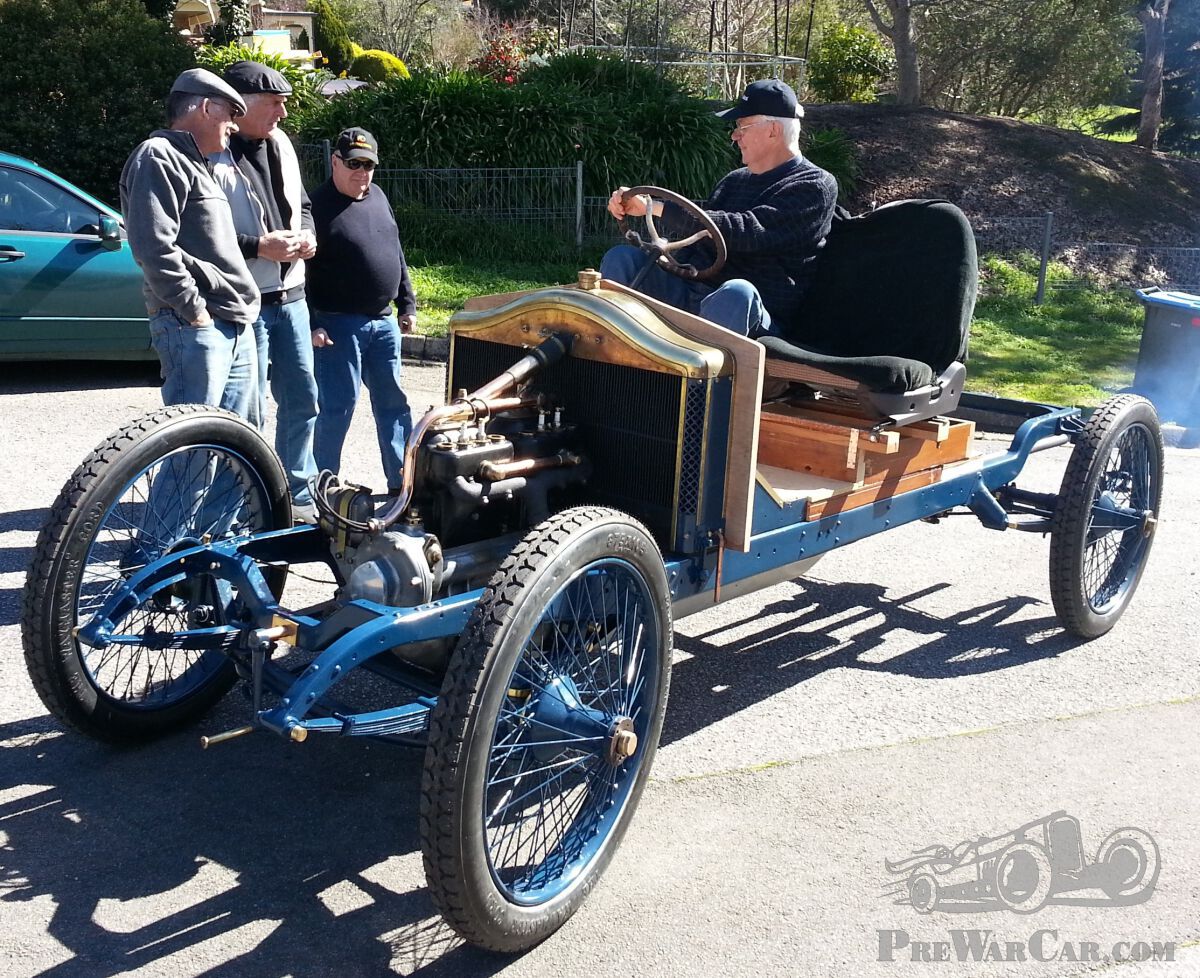
Over the next two years, Darryl stripped all the parts and repaired and replaced as necessary, including the chassis, steering, suspension and brakes. He undertook all the work himself or with the help of friends, apart from those welding, machining and specialist tasks (such as the re-tempering of the springs) that were beyond his equipment or experience. The wire wheels were unusable apart from the centres so he refurbished them and rebuilt the wheels with new spokes and rims from the UK.
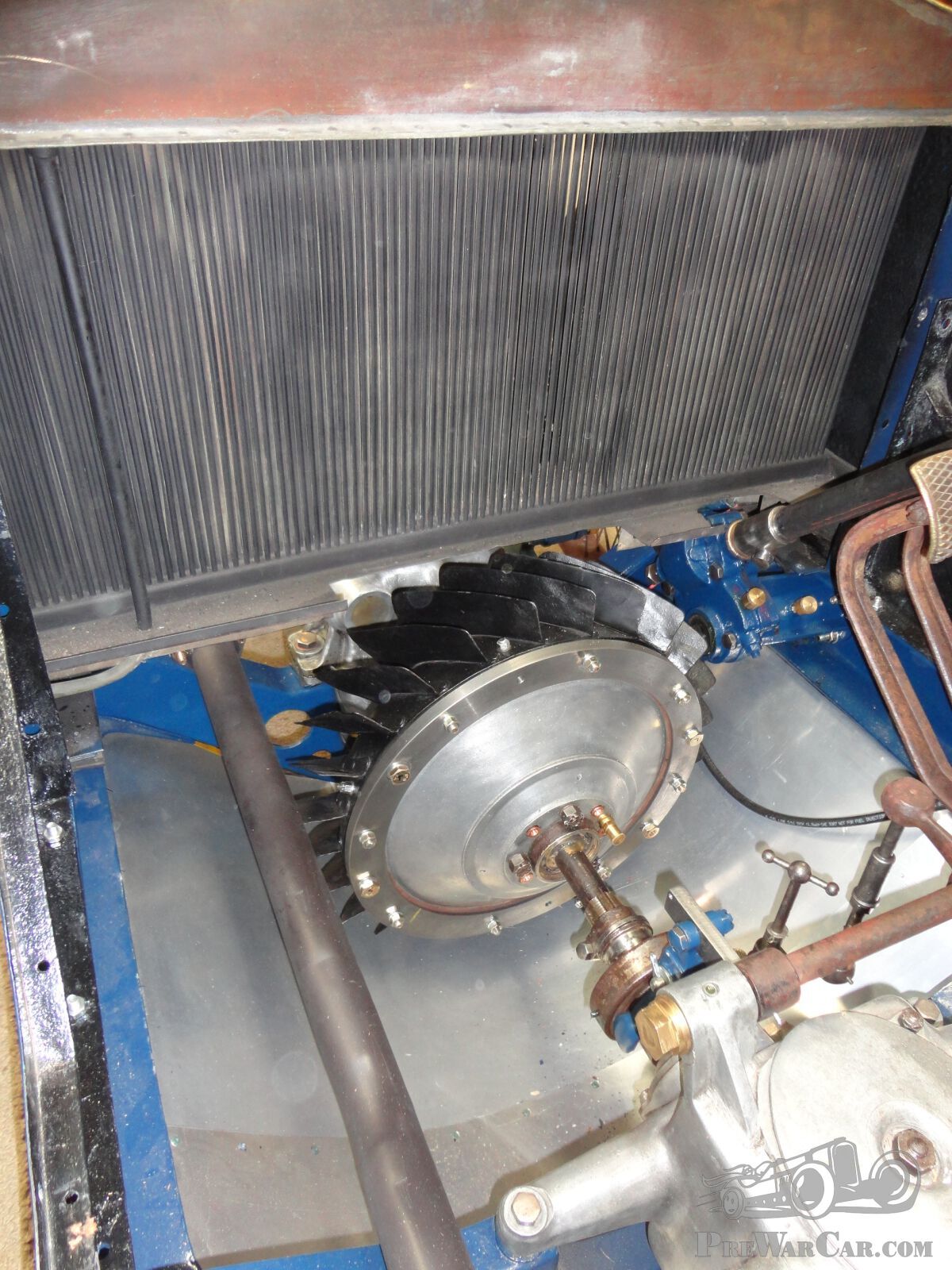
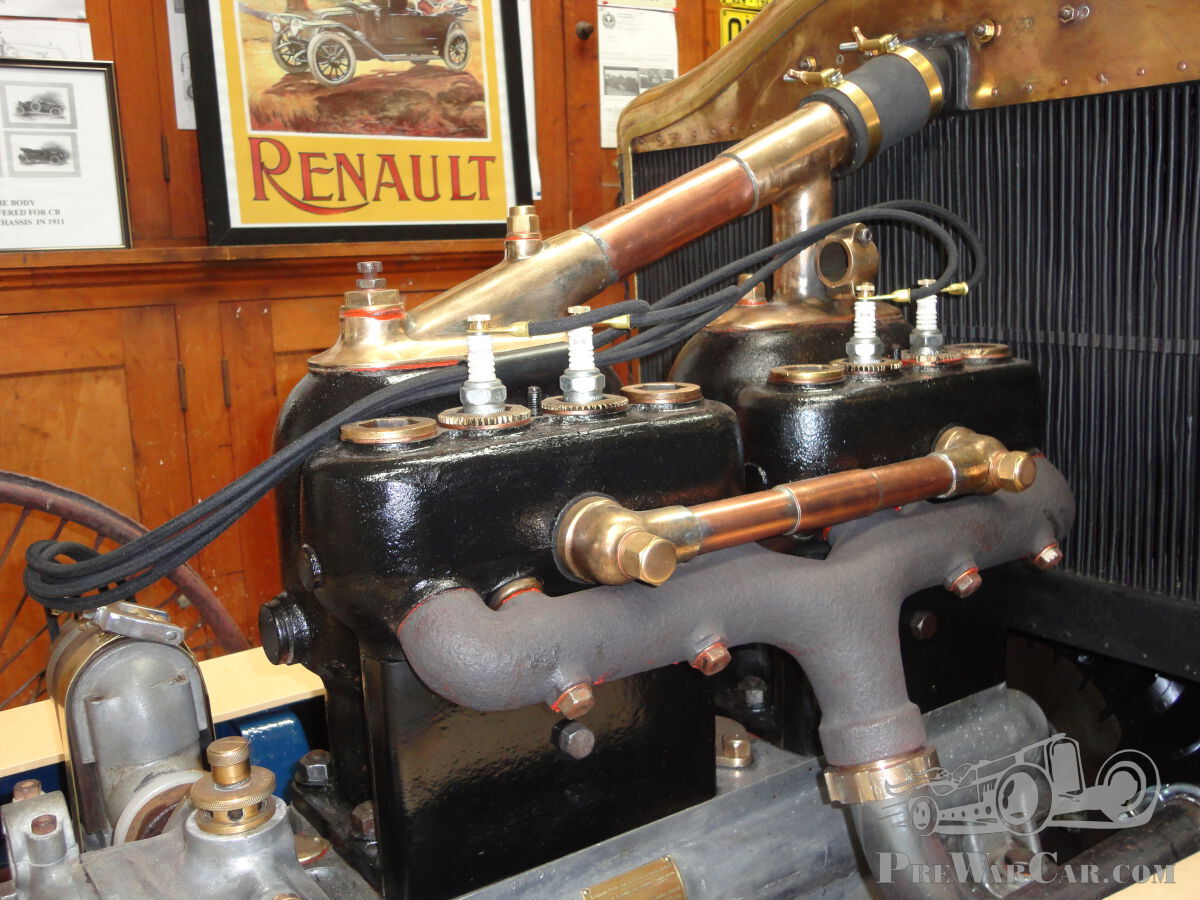
The differential and gearbox were both missing the odd small part and were damaged from storage but were in remarkably good internal condition. The engine was also battered but internally the (substantial) bearings were sound, and although the pistons and bores were worn, were still usable. The inlet manifold was rebuilt and an Australian-made ‘Koala’ carburettor fitted in lieu of the missing Renault original. While another suitable single-spark magneto could have been sourced the Bakelite distributor panel at the front of the camshaft was missing and proved impossible to find. Although copying an original would have been difficult but not impossible, Darryl decided to substitute a four-spark magneto in the interim.
The original radiator was in remarkably good condition and only required some cosmetic repairs. A little after the car’s 101st birthday the engine was fired up and the rolling chassis was driven (briefly) for the first time in at least 70 years.
.jpg)
.jpg)
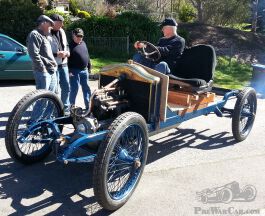
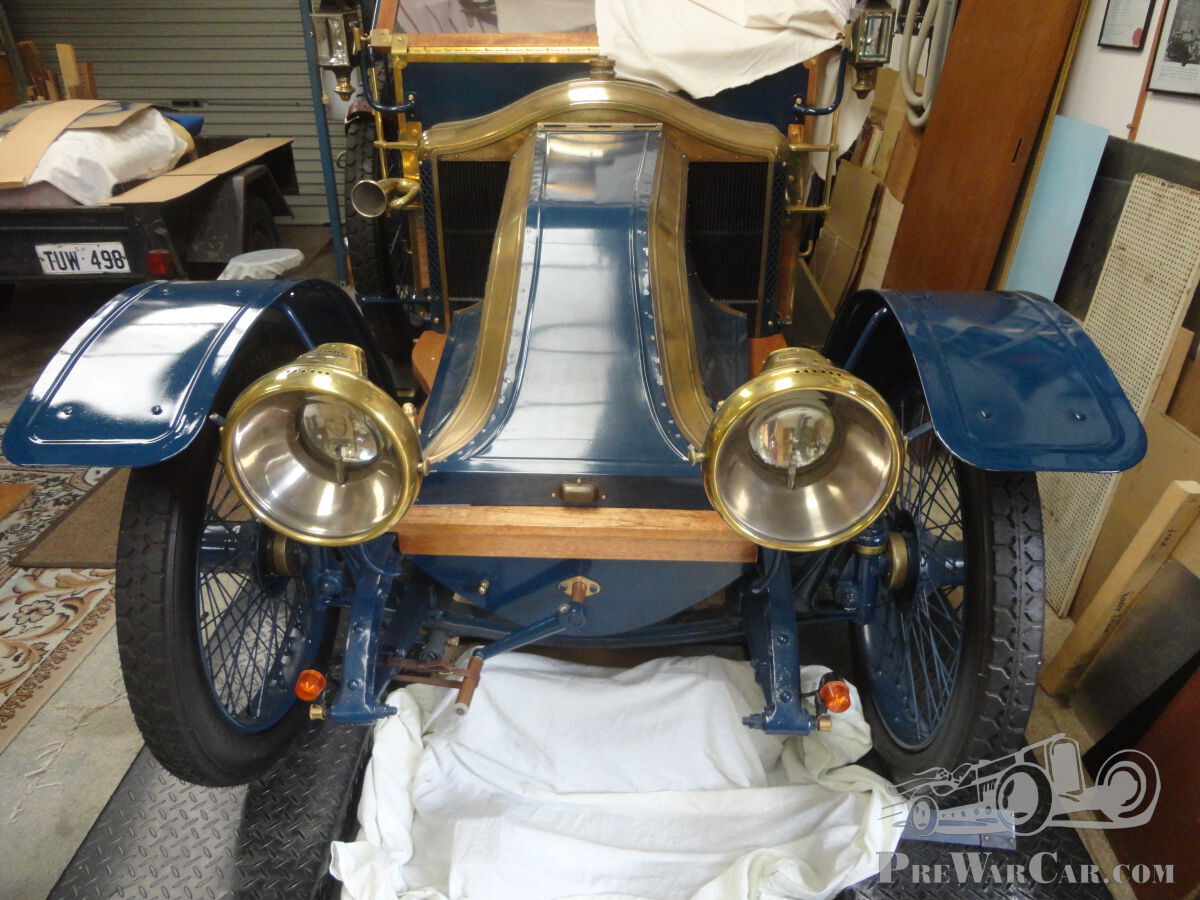
The bonnet that came with the car was not the original and needed resizing by a professional sheet metalworker, while Darryl completed the sealing of the engine compartment by fabricating the undertray.
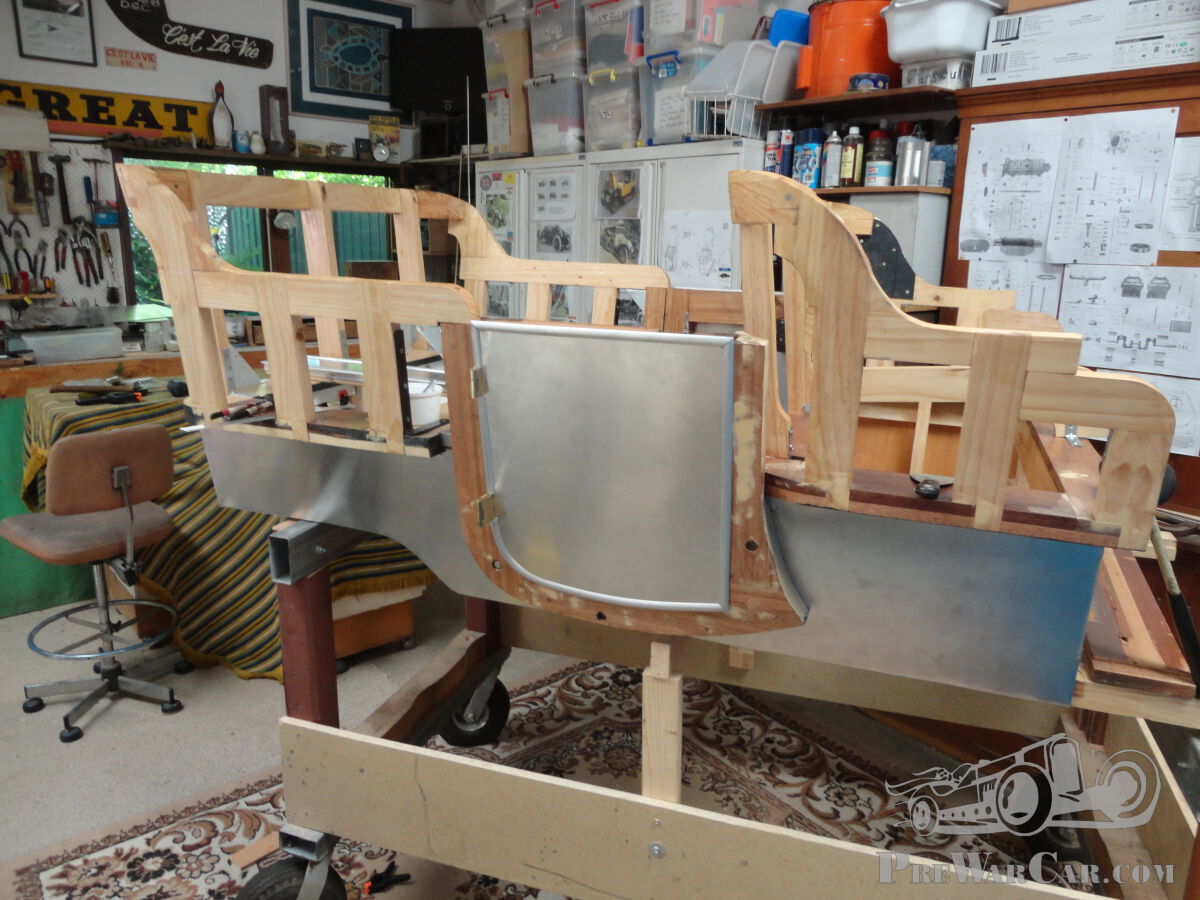
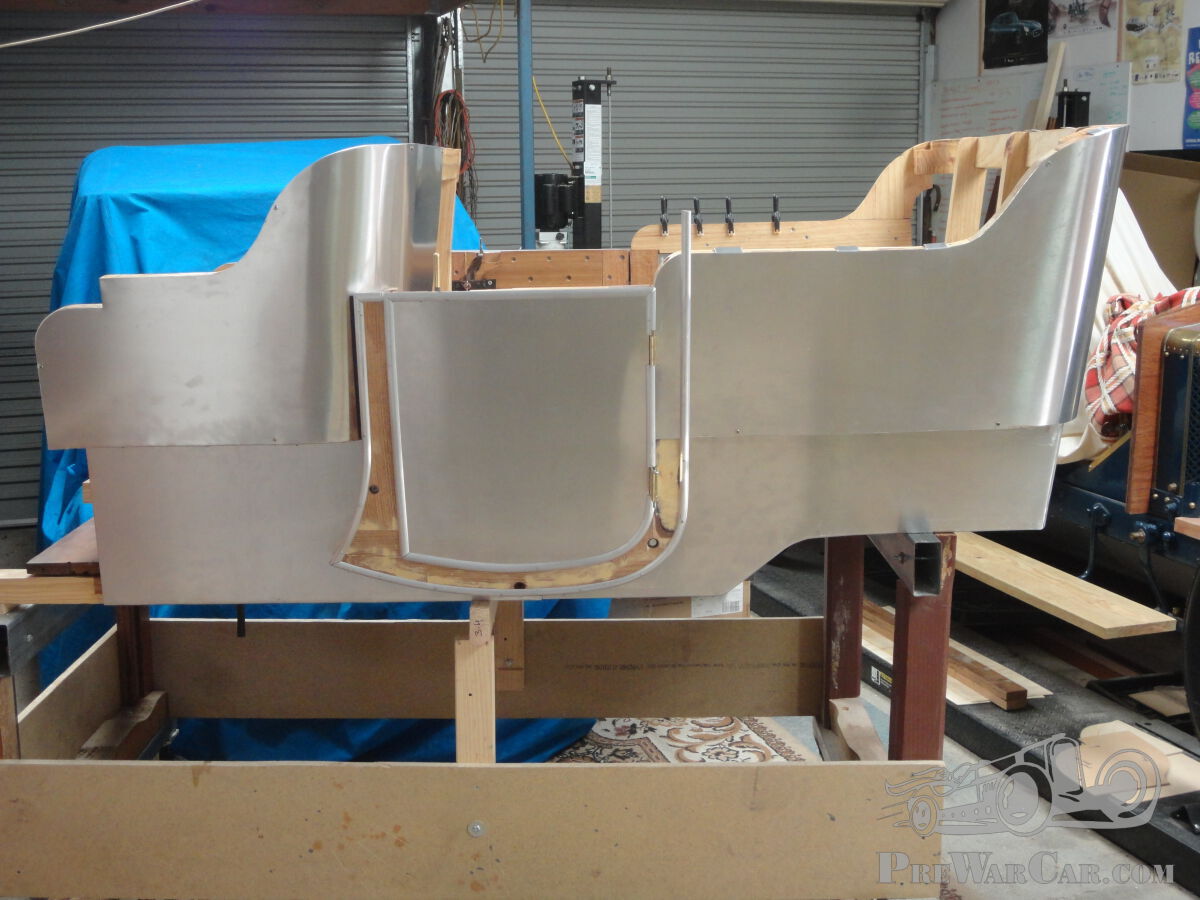
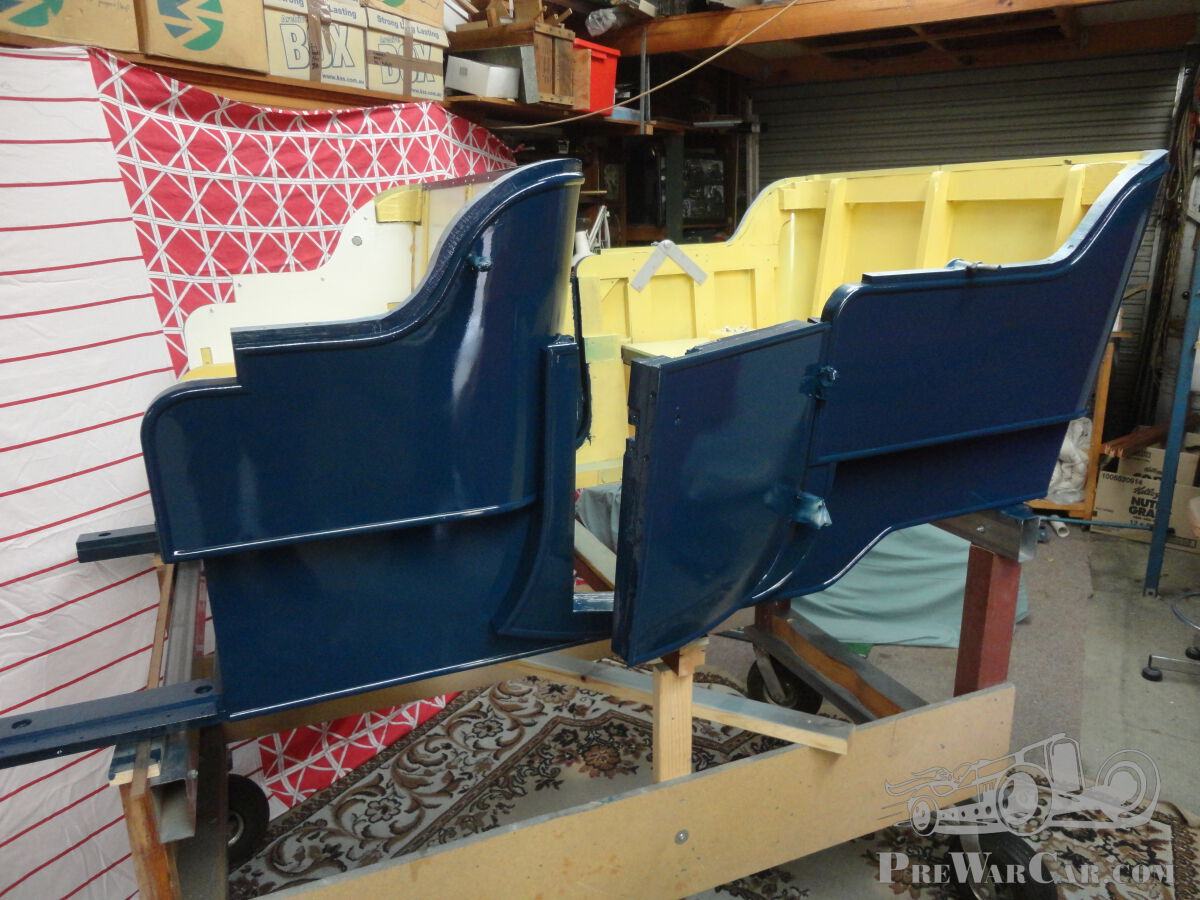
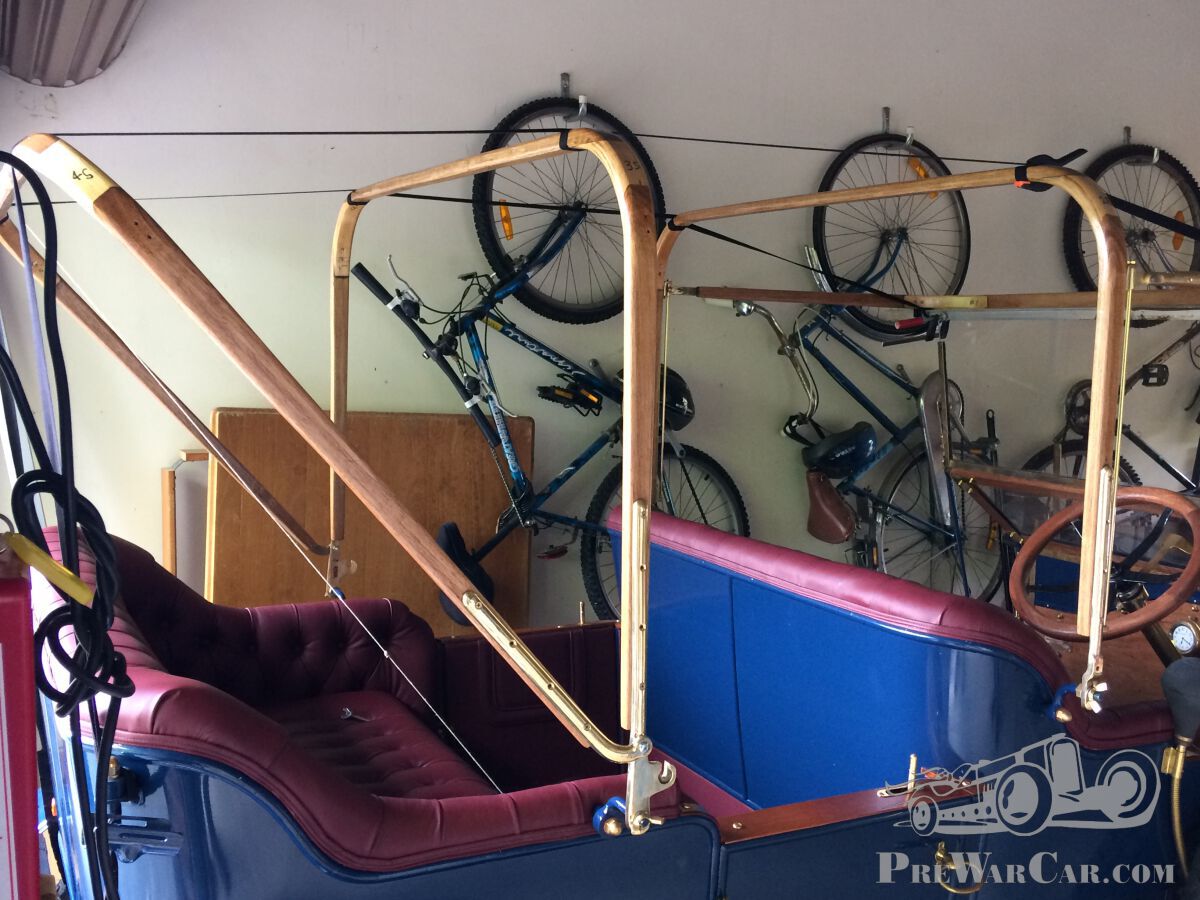
The coachwork style was modelled from photos of an existing CC Renault in the UK and critical dimensions were estimated from these and measurements of other veteran cars in South Australia, including those in the National Motor Museum at Birdwood. Darryl’s only previous coachwork experience had been from restoring a Bullnose Morris and he chose the Roi des Belges style but with simple curves negating the need for access to rolling machinery.
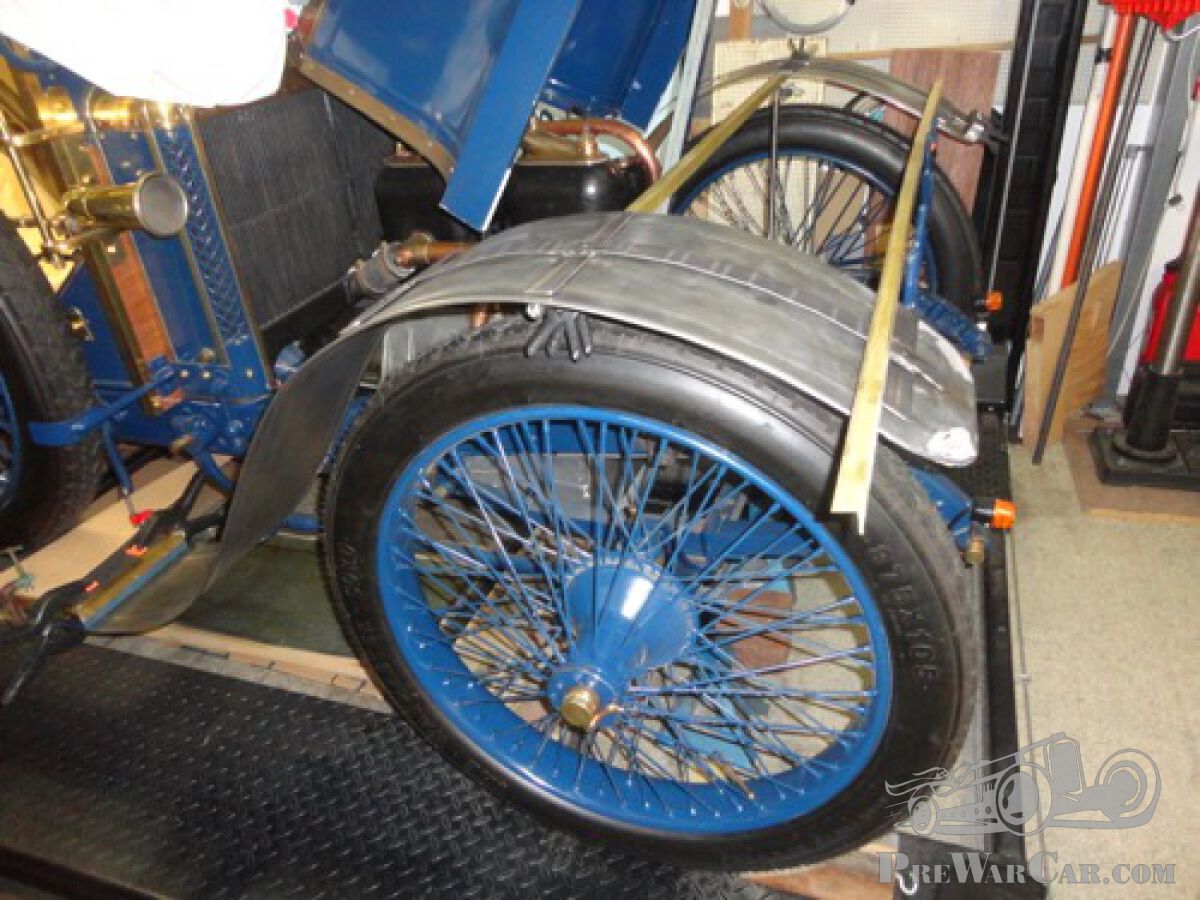
Over the next three years, he completed the coachwork and cladding and the fuel system and (limited) electricals were installed. The completed body was fitted to the chassis and more test driving was undertaken before Darryl made the mudguards and set up the windscreens and hood supports. The upholstery and hood fabric were fitted by a professional and the finishing touches only just completed before the car was entered in the National Veteran Vehicle Rally in Clare SA in September 2017.
.JPG)
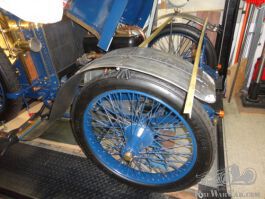
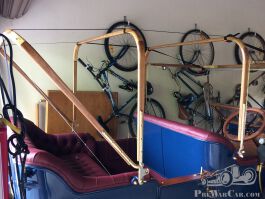
Since then, Darryl had the engine professionally rebuilt (new valves, pistons and rings) with his attendant dismantling and reassembly. He reports that at the most recent outing the performance had improved although the car would still be much happier motoring on the flat boulevards of Paris than the hillsides near his home.
We understand that there are less than 20 survivors of this model including several in museums (and the ‘Downton Abbey’ car) and we from PreWarCar.com are pleased that in some little way we have been able to assist him to get this one back on the road. A phoenix from the ashes indeed!
Watch here a video of the end result!
Photographs sent in by Darryl Grey.
Publiziert:
Donnerstag Januar 21st, 2021
Facebook
LinkedIn
Twitter
WhatsApp
Email
Copy
Kommentare
steve hamilton
21 Januar 2021, 18:12
Darryl, I have a 1911 Renault CC that I am restoring and have no idea of its chassis number, however I have its engine number, body maker, Rothschild, and body number. Would it be possible for you to share your contact information on the Paris contact who supplied you with the factory records on your great restoration. I would very much like to learn the chassis number and had no idea that records had survived. With much appreciation, Steve Hamilton
Weiter lesen
Arno Elshof
27 Juni 2019, 20:07
Hi Darryl, very well done! I have a 1912 CC with a not original clutch. Do you have pictures of the clutch assembly of your car?
I would be able to compare my assembly with an original one and look for the parts. Thanks for your help!
Weiter lesen
I would be able to compare my assembly with an original one and look for the parts. Thanks for your help!
Darryl Grey
29 Juni 2019, 13:47
Hi Arno,
If you want to email me I will send you some photos. Have just had the clutch out so have good pics
Darryl
Weiter lesen
If you want to email me I will send you some photos. Have just had the clutch out so have good pics
Darryl
Arno Elshof
03 Juli 2019, 13:36
Hi Darryl, they won't give me your emailadress, so if you could mail me the photos at [email protected] I would be very gratefull! Thanks!
Weiter lesen
Steve Diggins
19 Oktober 2018, 05:07
You should be congratulated for doing a fine job on your very interesting brass era Renault. The larger diameter wire wheels were one way of making a Colonial model. Other companies such as Napier and Swift used different and often stronger road springs to improve clearance. You might be interested in seeing a Daimler, about 1908, with over sized wire wheels on the BC Archives web site. There are two photos and they are I-68529 and I-68528. Both of those start with a capitol I, not a number 1.
Weiter lesen
DArryl
26 Oktober 2018, 10:11
Hi Steve,
Yes . Siddeley Deasy was another make using R/W wheels for its Colonial models
Weiter lesen
Yes . Siddeley Deasy was another make using R/W wheels for its Colonial models
David
18 Oktober 2018, 10:00
A beautiful dedicated piece of work . Well done.
Weiter lesen