Das weltweite Magazin und der Marktplatz für Oldtimer-Enthusiasten – von Enthusiasten.
Das weltweite Magazin und der Marktplatz für Oldtimer-Enthusiasten – von Enthusiasten.


Filter
Auswahl treffen
- Autos
-
Marke >>
-
Baujahr >>
-
-
Kategorie >>
-
Länder >>
- Motorräder
-
Standort >>
- Teile
-
Automarke >>
-
Hersteller >>
-
Kategorie >>
- Fahrräder
-
Baujahr >>
-
Länder



Remembering Le Mans pioneers: Chenard et Walcker's first prototypes


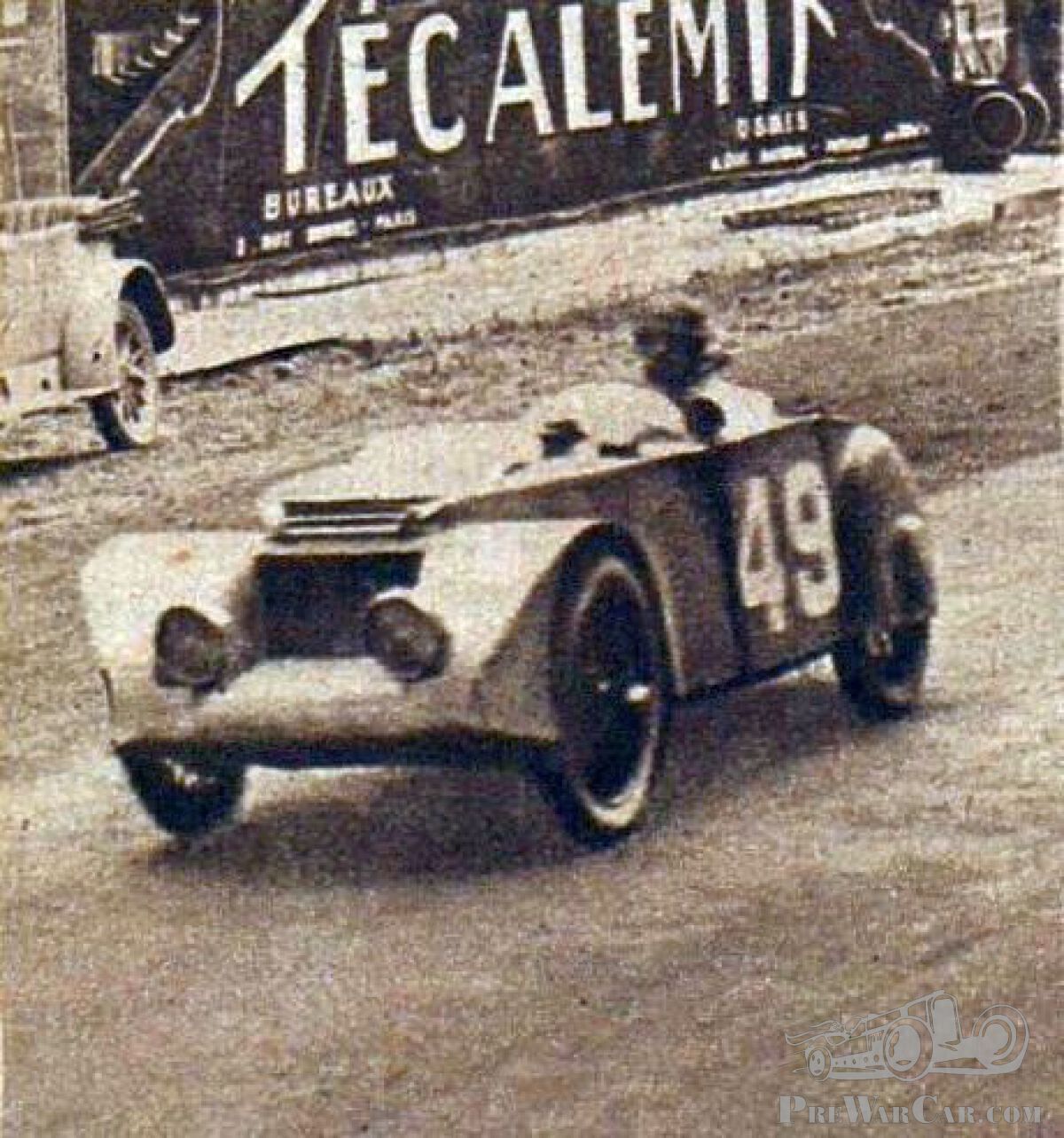
In case you’ve somehow missed all our previous articles drawing attention to the fact, it’s Le Mans’s centenary this year, with a great number of races, shows, festivals and other events being held to bring to life the vivid history and legendary tales accumulated over 100 years of racing at the Circuit de la Sarthe. If you’ve been wondering what was the first purpose-built prototype racer ever entered in ‘the world’s greatest race’, it’s the one you see here: the Chenard et Walcker Z1 ‘Tank’.
Isn’t it a remarkable little cracker of a car? Inspired by Bugatti’s Type 32 'Tank', two of these avant-garde and aerodynamically shaped cars were entered in the third annual 24-hour race in 1925, which also happens to have been the first to feature the famous Le Mans start. The cars were designed and built by Chenard et Walcker’s chief engineer Henri Toutée, using 1095cc engines and brakes on all four wheels. Weighing just 1320 lbs. (600 kg), they ran at an average of 47 mph (75 km/h) on the French track. Both Tanks finished and took home the Biennale and Triennale manufacturers’ cups.
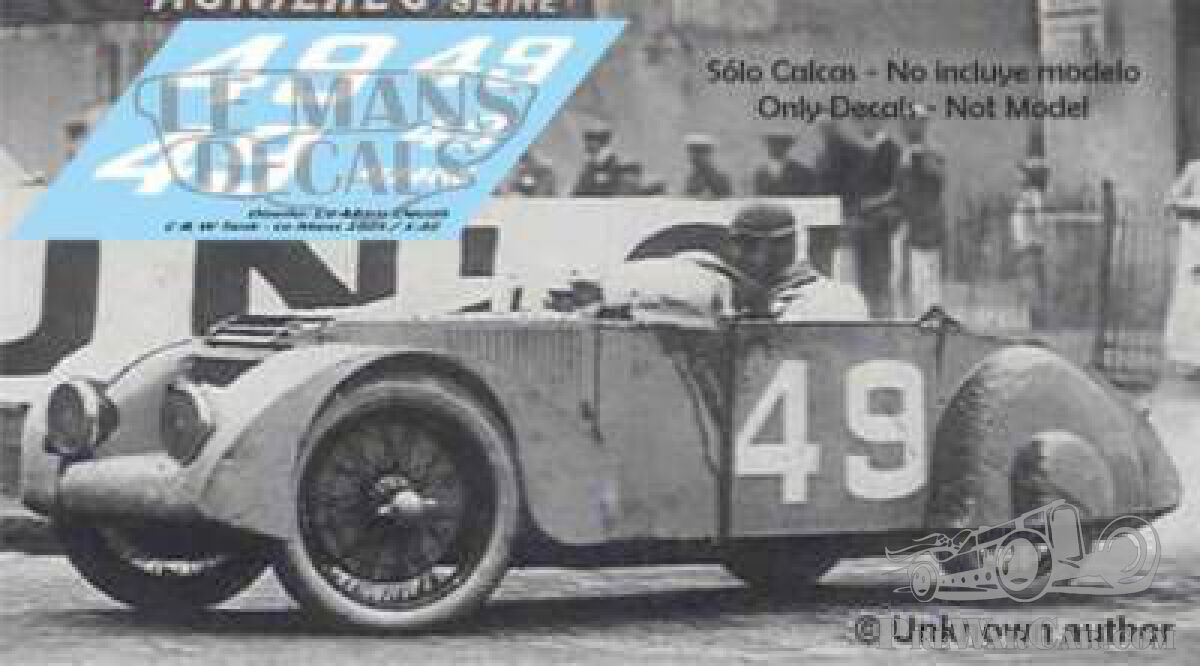
Remarkably, their Le Mans history didn’t end there, because 12 years later, in 1937, they were back for another shot at the 24 Hours. Chenard et Walcker had stepped away from motorsport in 1926, but the Z1s had been bought, modified and entered by Yves Giraud-Cabantous for another crack at Le Mans (picture 2). He tuned the 1100c engines, fitted superchargers and further modified the bodies. Giraud-Cabantous proved they were still competitive, too, after he entered one in the Bol d'Or race earlier that year, with French wrestler, Olympic heavyweight weight-lifting champion and actor Charles Rigoulot doing the driving. Rigoulot, dubbed ‘the strongest man in the world’ at the time, finished first in what was his first ever race. At Le Mans, however, they were less fortunate. One of the Z1 tanks went off the road during the race and couldn’t restart, while the other failed to start when the flag fell.
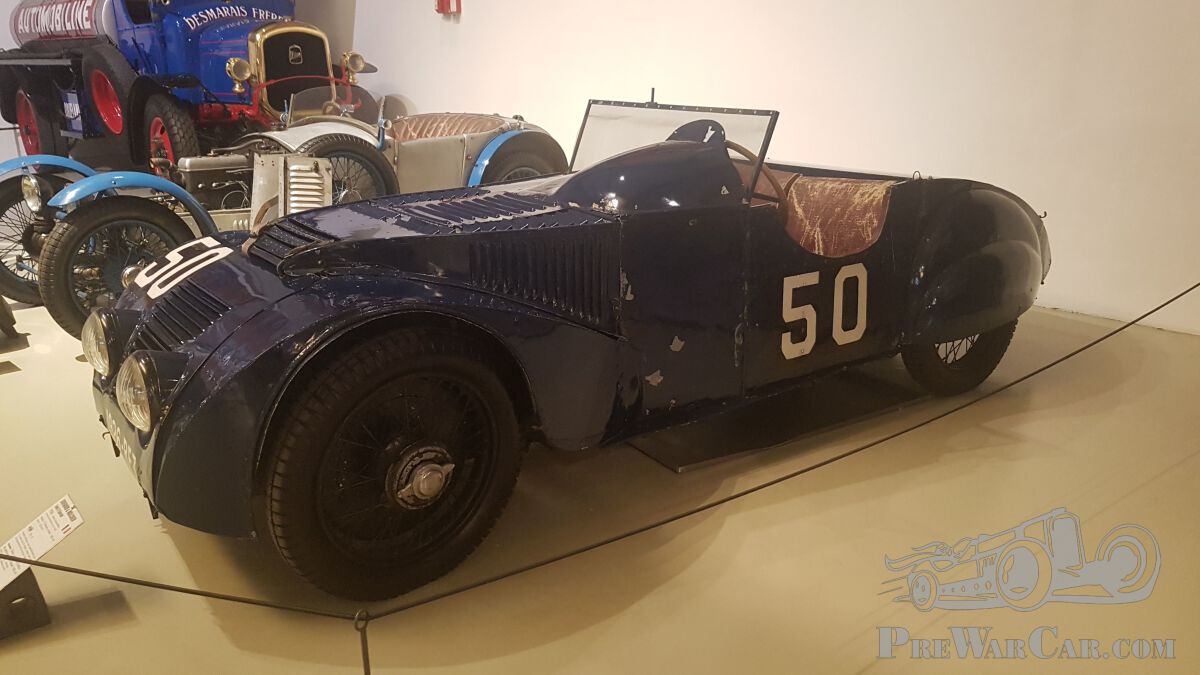
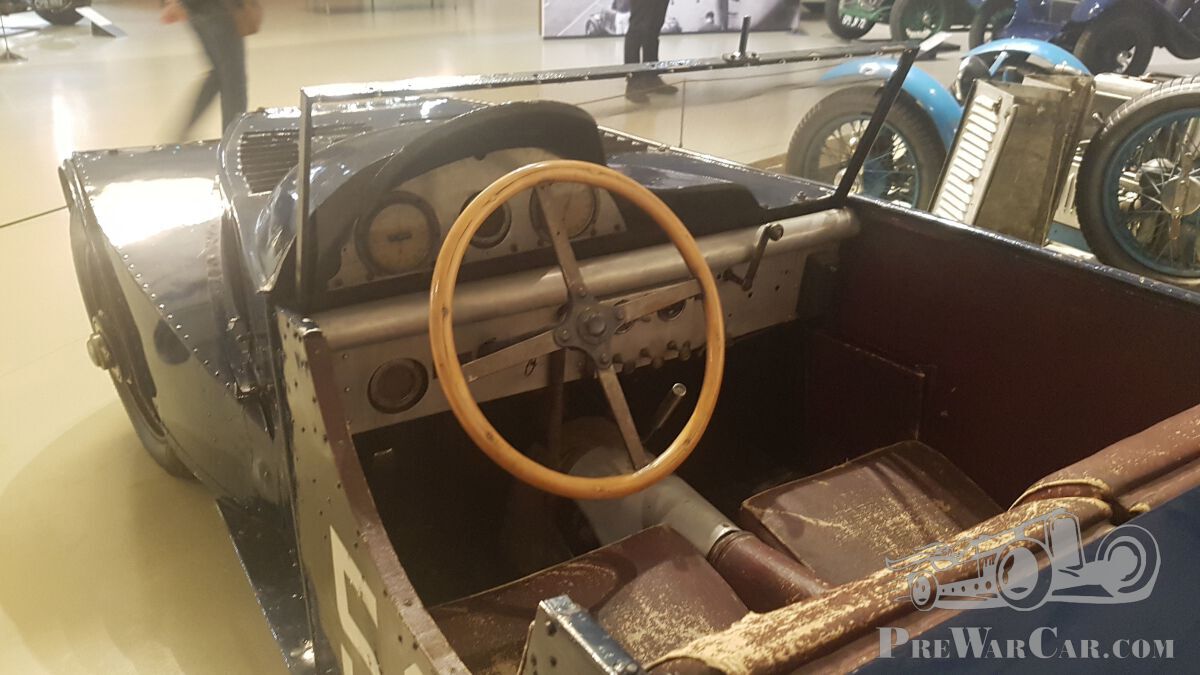
One of these prototypes, still in its 1937 configuration (picture 3), can be seen in the 24 Hours of Le Mans Museum today.
Words: Jeroen Booij; pictures: archive/24 Hours of Le Mans Museum
Publiziert:
Dienstag August 1st, 2023
Facebook
LinkedIn
Twitter
WhatsApp
Email
Copy
Kommentare


Sam
25 September 2024, 09:32
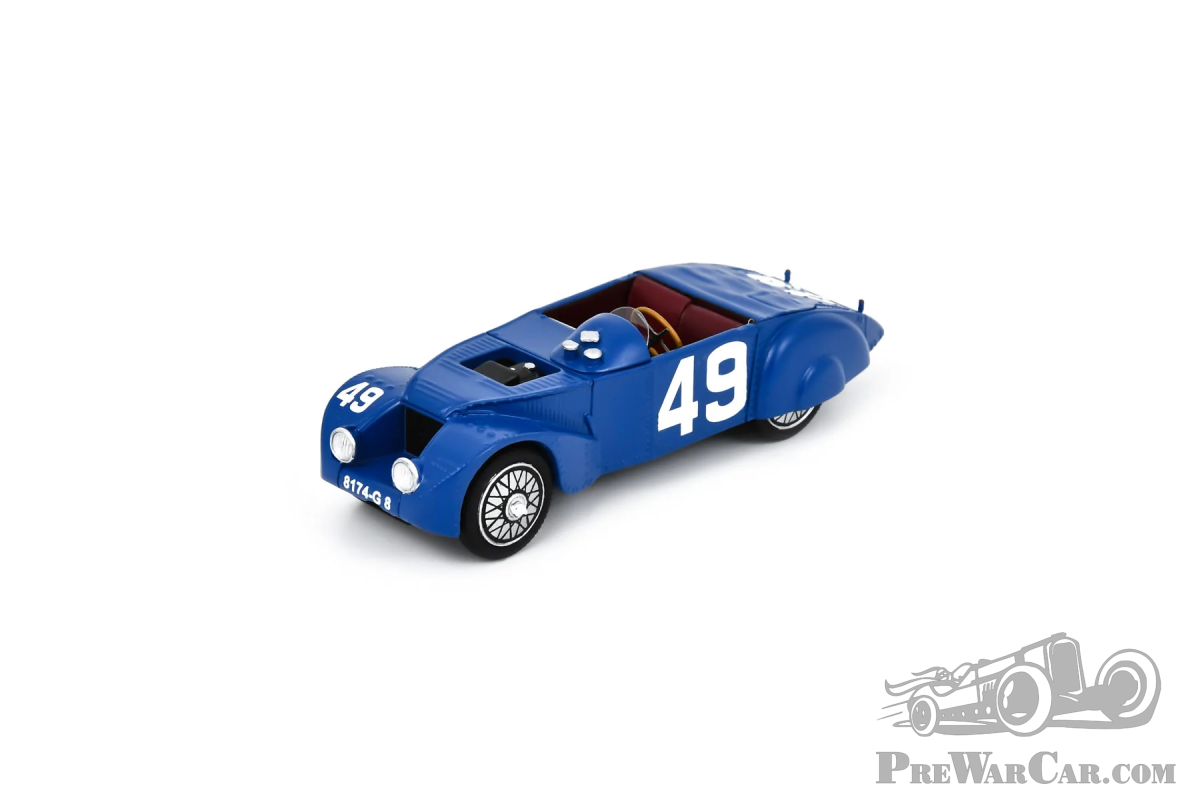
I wonder if there were wheel covers on the No. 49 racer, because I saw this newly released No. 49 model car from Spark, and it does have wheel covers on it, but I can't find real photos with these wheel covers anywhere. Is that a mistake or what?
Weiter lesen
Graham Clayton
20 Januar 2024, 05:44
Love the wood and chicken-wire pit enclosures in the first photo!
Weiter lesen
Juan
06 August 2023, 12:18
André Lagache was a French racing driver who, along with René Léonard, won the inaugural 24 Hours of Le Mans in 1923 with Chenard et Walker
Weiter lesen
Joop Terpstra
01 August 2023, 09:07
The crank on dash is maybe to put pressure on the fuel or to oil the compressure by hand?
Weiter lesen


Les Six Troenes
01 August 2023, 11:58
on the black and white pictures there is no ( visible) windshield.
my guess is : with the crank you can lower the windshield ( till it disappears)
Weiter lesen
my guess is : with the crank you can lower the windshield ( till it disappears)
Les Six Troenes
01 August 2023, 13:44
at second look : enough space to lower the windshield partially but no enough space to make the windshield disappear
but maybe there was way to remove the windshield by cranking up the windshield?
Weiter lesen
but maybe there was way to remove the windshield by cranking up the windshield?
I am reading this on 10/10/25
I found some pictures from Nº 49 with no wheel covers.
See below
Kind regards from Uruguay