Das weltweite Magazin und der Marktplatz für Oldtimer-Enthusiasten – von Enthusiasten.
Das weltweite Magazin und der Marktplatz für Oldtimer-Enthusiasten – von Enthusiasten.


Filter
Auswahl treffen
- Autos
-
Marke >>
-
Baujahr >>
-
-
Kategorie >>
-
Länder >>
- Motorräder
-
Standort >>
- Teile
-
Automarke >>
-
Hersteller >>
-
Kategorie >>
- Fahrräder
-
Baujahr >>
-
Länder



Rediscovering a lost streamliner: Hanomag's overlooked Autobahn-Stürmer
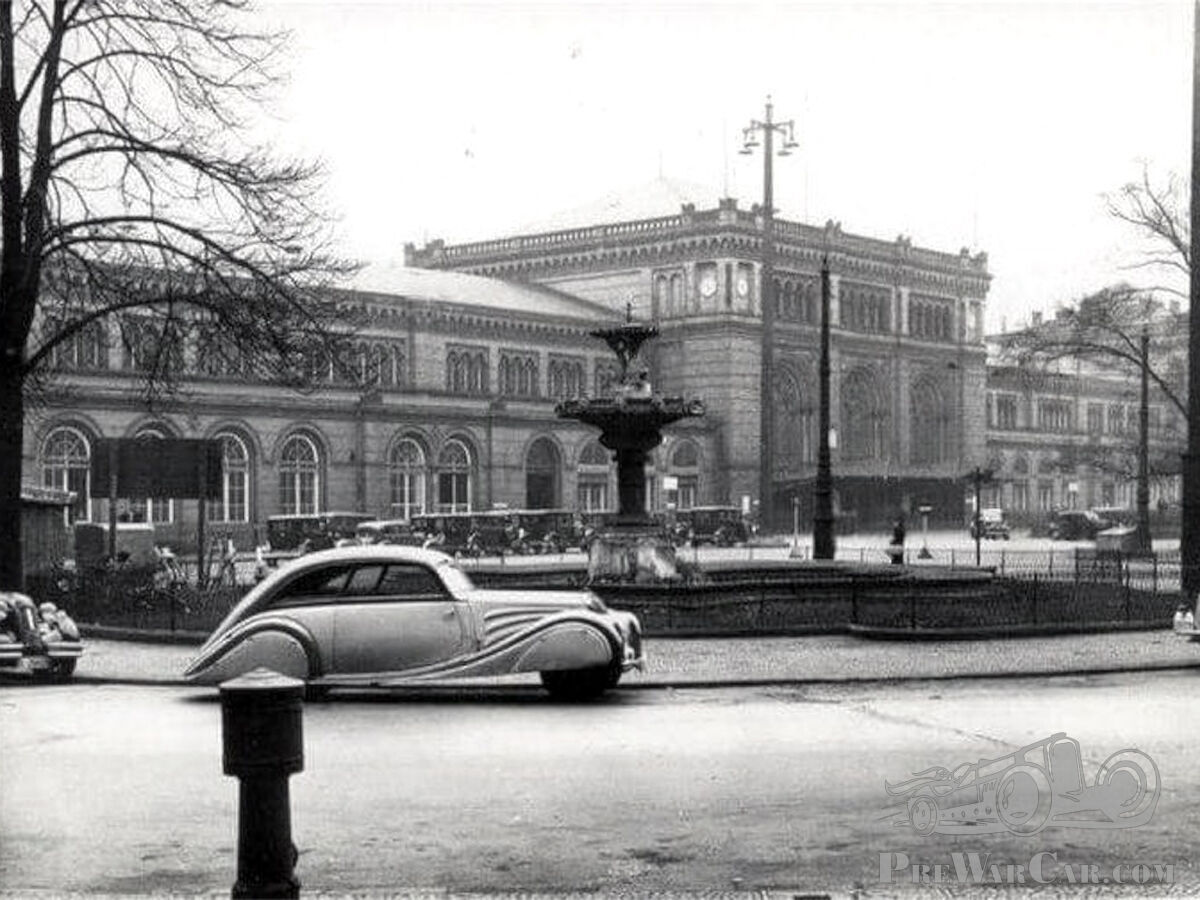
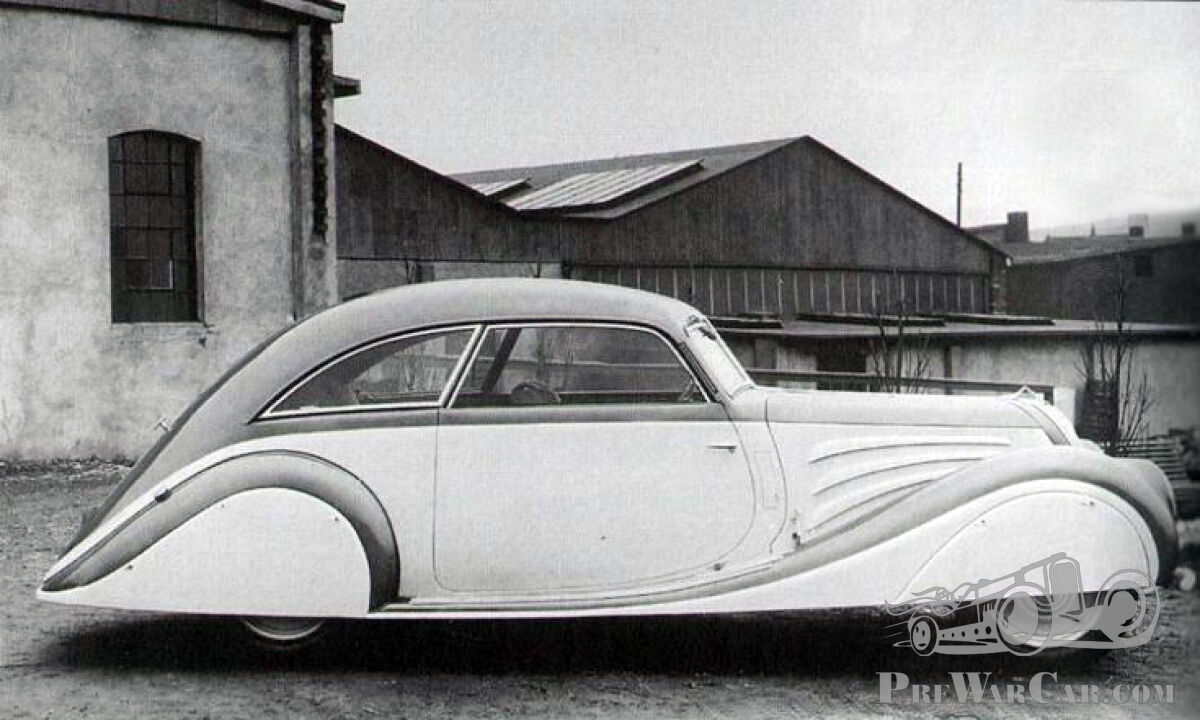
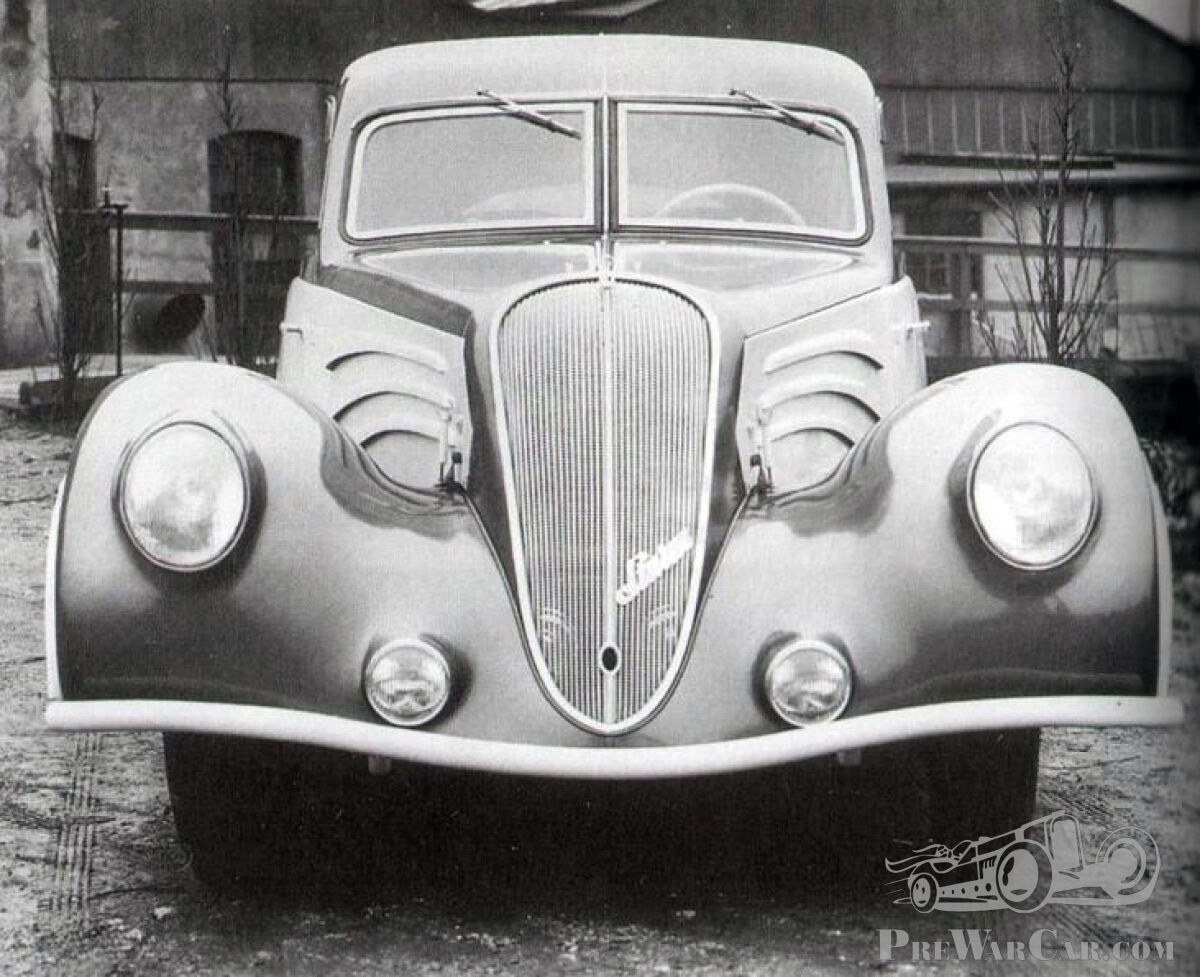
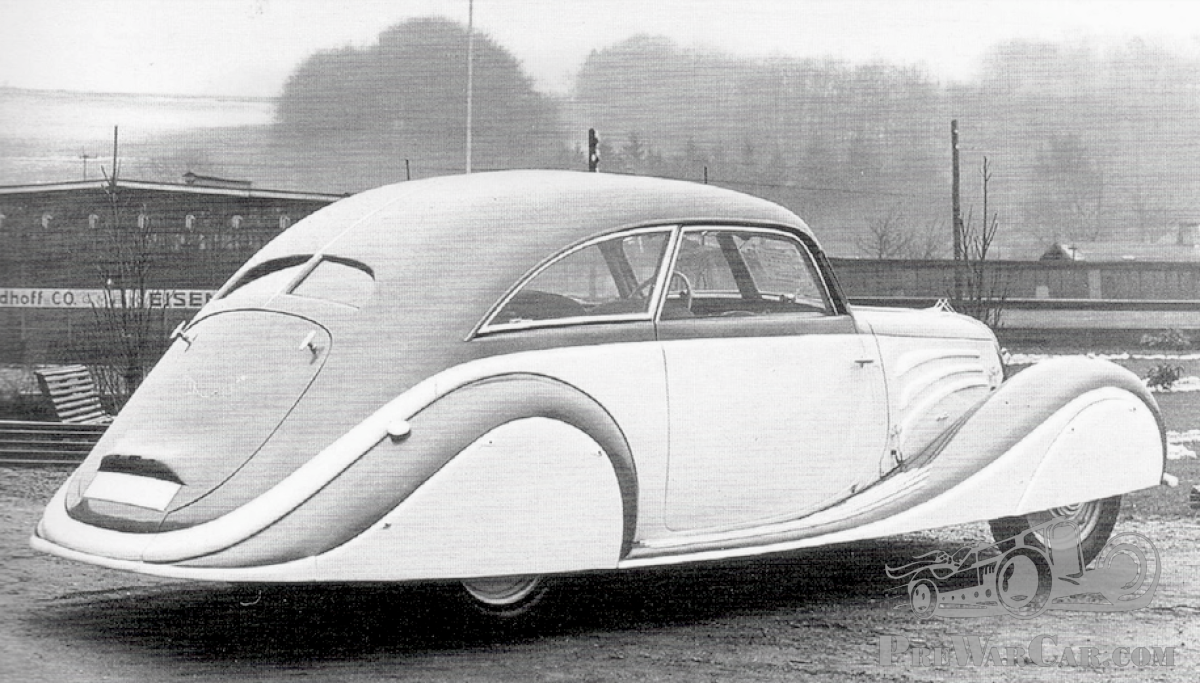


It's well-known that the mid-1930s saw some extraordinary Art Déco designs for motor vehicles. If we concentrate on Europe, the French stand out most of all with their Delahayes, Delages and Bugattis by Pourtout, Figoni et Falaschi and Franay. In Great Britain, however, there was also a proliferation of streamlined models, which were less ornate but no less attractive, with names like Aero, Airline amd Speedline. Think of the coupés built in small numbers by SS, MG, Triumph, Hillman, AC, Riley and Rover. Germany’s interpretations were perhaps the least showy and must have been built in the lowest volumes, too. There were some proposed designs for Autobahn-Kuriers or Autobahn-Stürmers, as they were known, from Auto Union and DKW, while Mercedes-Benz actually built a few. These cars are among the most coveted Mercedes today and will fetch millions easily—if they ever come up for sale.
Then we come to this: the Hanomag Sturm Autobahn Coupé, as bodied by Karrosseriewerke Hebmüller of Wuppertal in 1937. It’s a car that seems to have been almost totally forgotten now, probably for no reason other than that the make disappeared as a passenger car manufacturer years ago and has never been considered remotely glamorous. Post-war, Hanomag became a constructor of wheel excavators and construction machines before it was taken over by Komatsu in 2002.
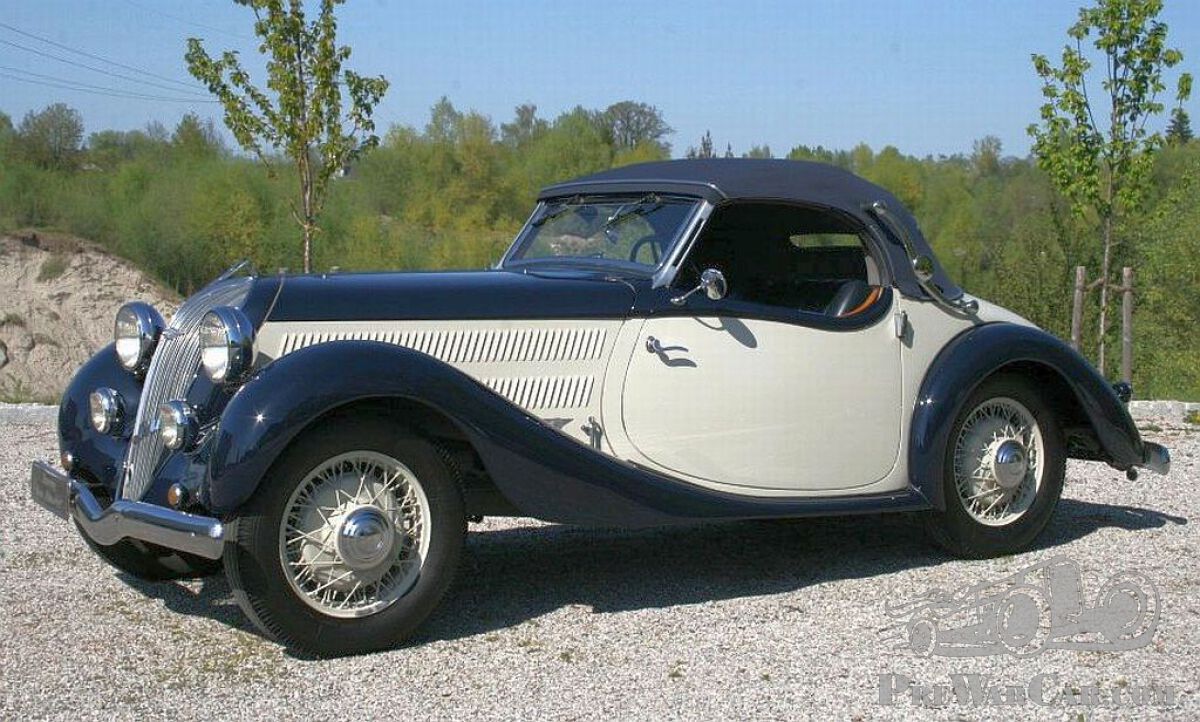
Perhaps you have seen the factory photographs of this one-off creation before, but the one of it parked on a street by what appears to be a town square with fountain is new to us. Does anyone recognise the location? The car was based on the company’s top of the range model, the 55 hp Sturm Limousine with its 2,250 cc six-cylinder engine, but little else is known about it. Who commissioned it? Who drove it? Where did it end up? Did it survive the Second World War at all? We found that a similarly styled convertible existed, also bodied by Hebmüller, and wondered if it might have been built in very small numbers, but that was not quite so Art Déco as the coupé variant with its closed spats under two-tone painted wings and fully integrated door hinges. Had it been a BMW or Mercedes it would have been recreated, surely?
Words: Jeroen Booij; pictures: archive
Publiziert:
Mittwoch Juli 17th, 2024
Facebook
LinkedIn
Twitter
WhatsApp
Email
Copy
Kommentare
Bruno Ogorelec
21 Juli 2024, 13:07
Hebmüller also did much less blowsy but no less attractive bodies on the same chassis.
Weiter lesen
Michael Schlenger
17 Juli 2024, 10:58
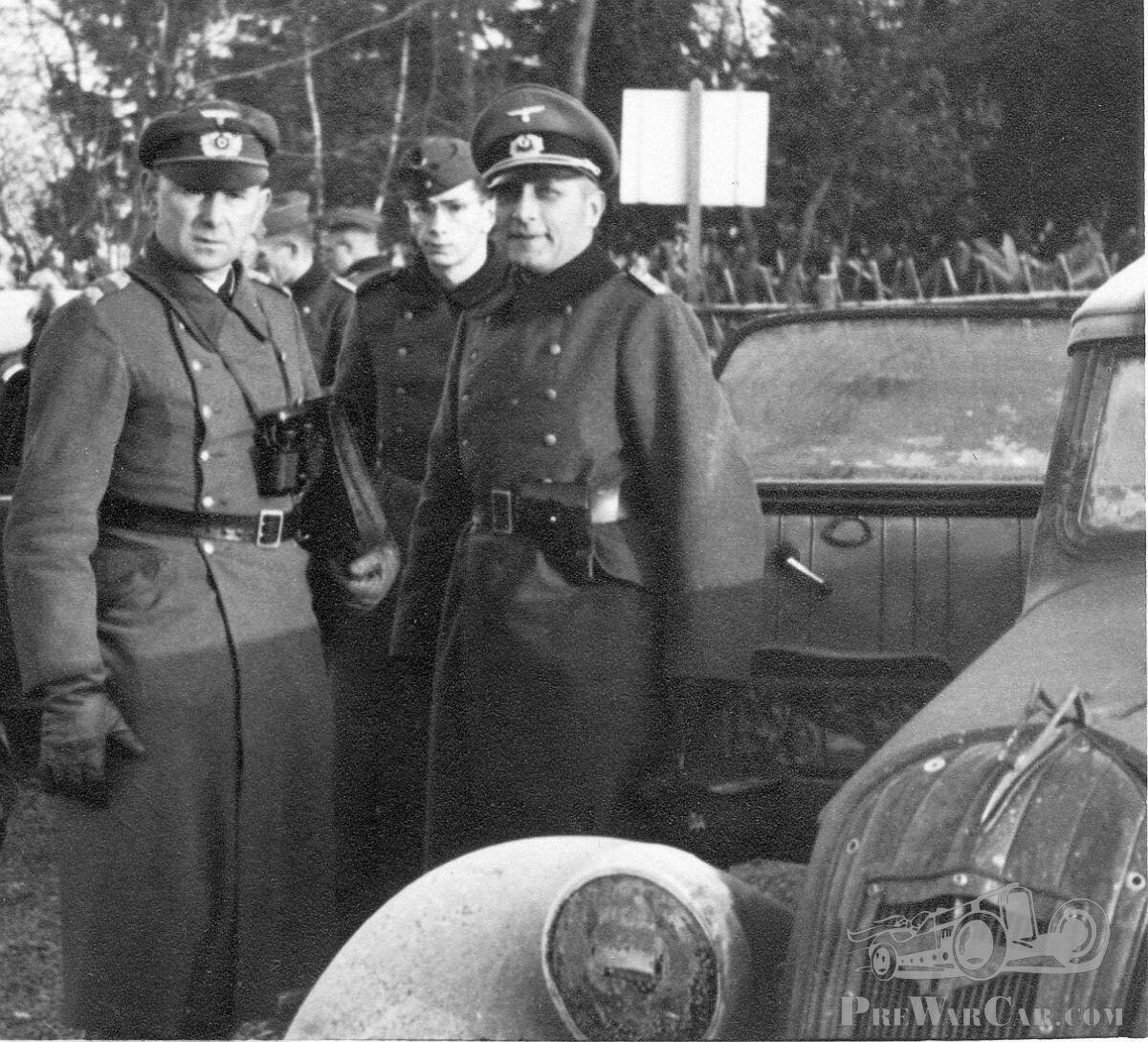
Special-bodied Hanomag "Sturm" automobiles were hardly unusual, but this one was probably the most flamboyant one. It probably ended up with the German military somewhere on the eastern front like the Hebmüller-bodied one in the attached photo (from my collection). I doubt that the car in question survived the war or the early post-war period.
Weiter lesen
Jan van der Gaag
17 Juli 2024, 10:20
Hanomag also continued to make trucks
-------------------
Hanomag is ook vrachtwagens blijven maken
Weiter lesen
-------------------
Hanomag is ook vrachtwagens blijven maken
Christoph Röhrs
17 Juli 2024, 08:34
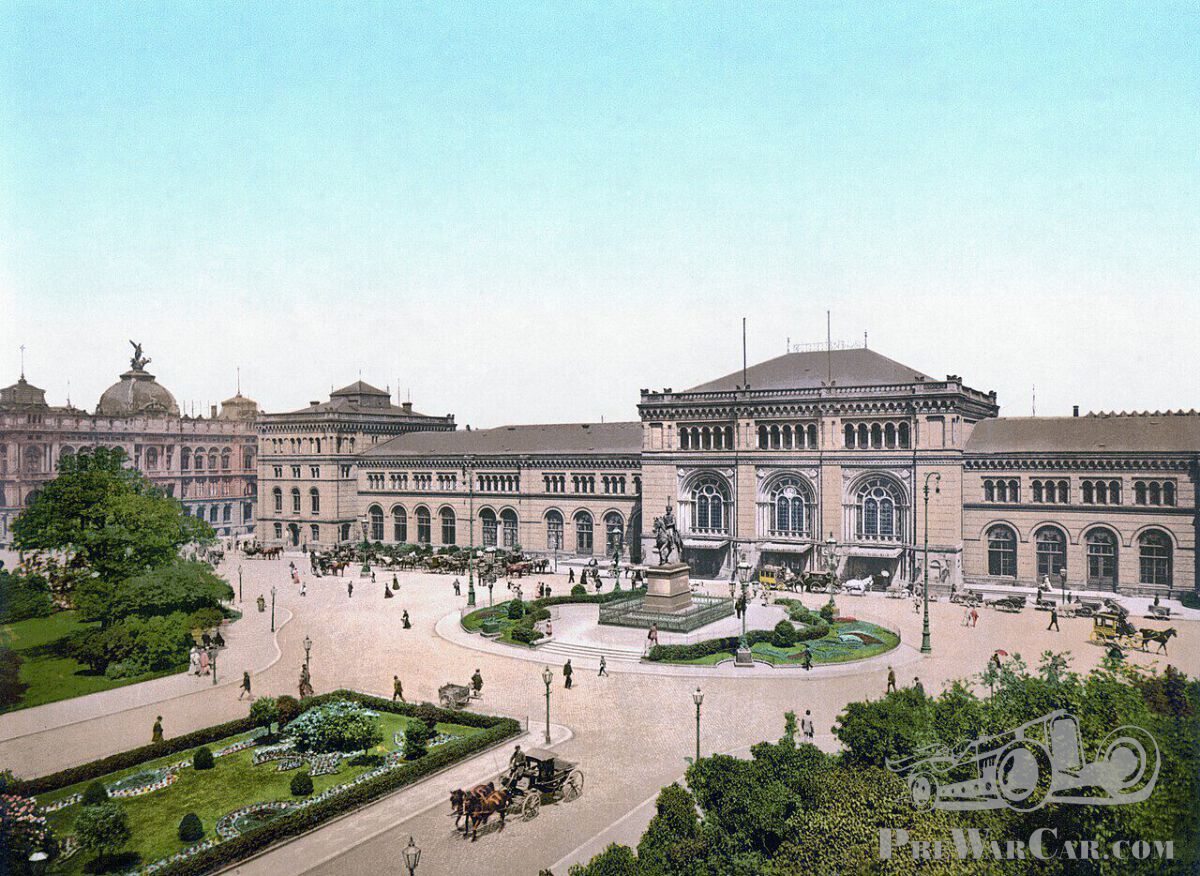
The first picture shows the Hanomag in front of the main railway station in Hanover, the city in which Hanomag was based.
Weiter lesen
Gerhard Riek
17 Juli 2024, 06:31
This is Central Station, on Ernst-August-Platz, Hanover.
Weiter lesen