Das weltweite Magazin und der Marktplatz für Oldtimer-Enthusiasten – von Enthusiasten.
Das weltweite Magazin und der Marktplatz für Oldtimer-Enthusiasten – von Enthusiasten.


Filter
Auswahl treffen
- Autos
-
Marke >>
-
Baujahr >>
-
-
Kategorie >>
-
Länder >>
- Motorräder
- Teile
-
Automarke >>
-
Hersteller >>
-
Kategorie >>
- Fahrräder
-
Baujahr >>
-
Länder


PWC Workshop: mending socks
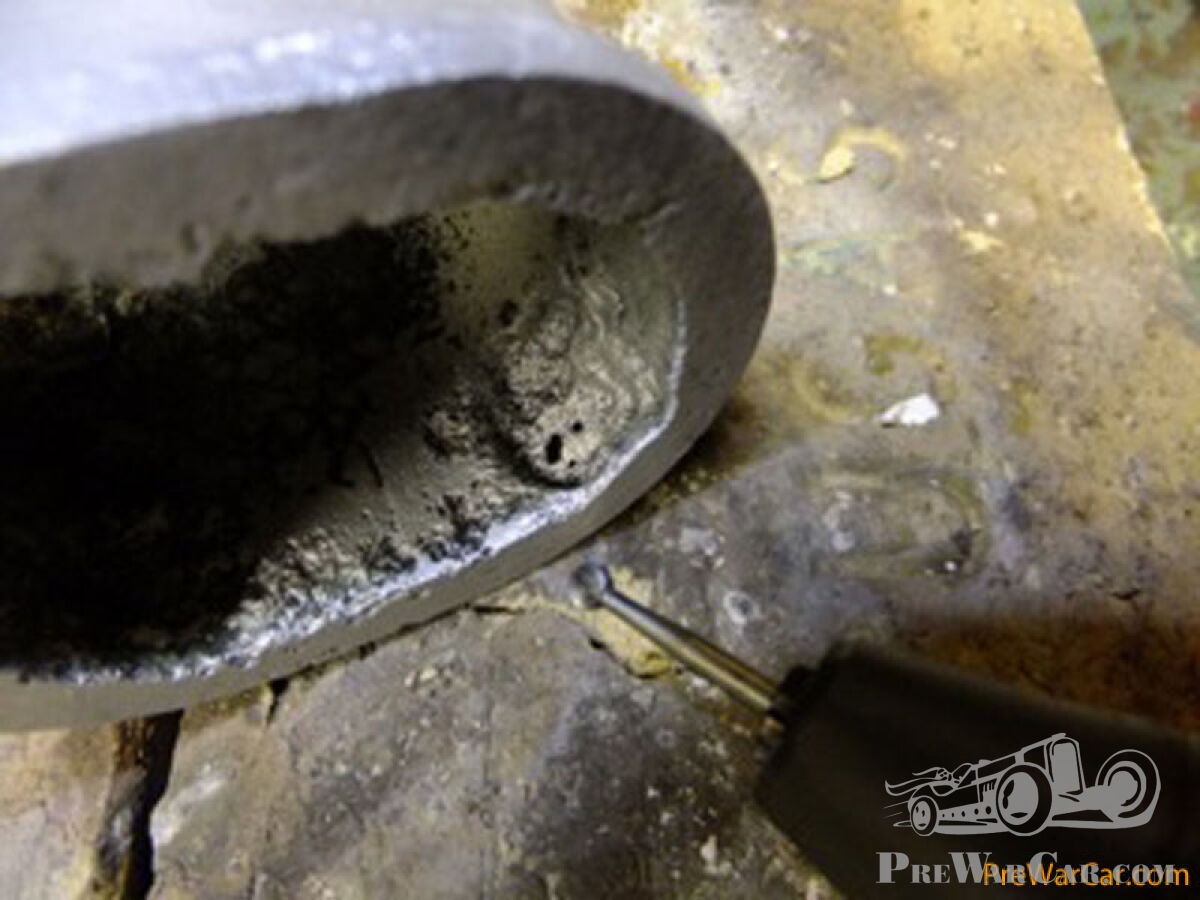
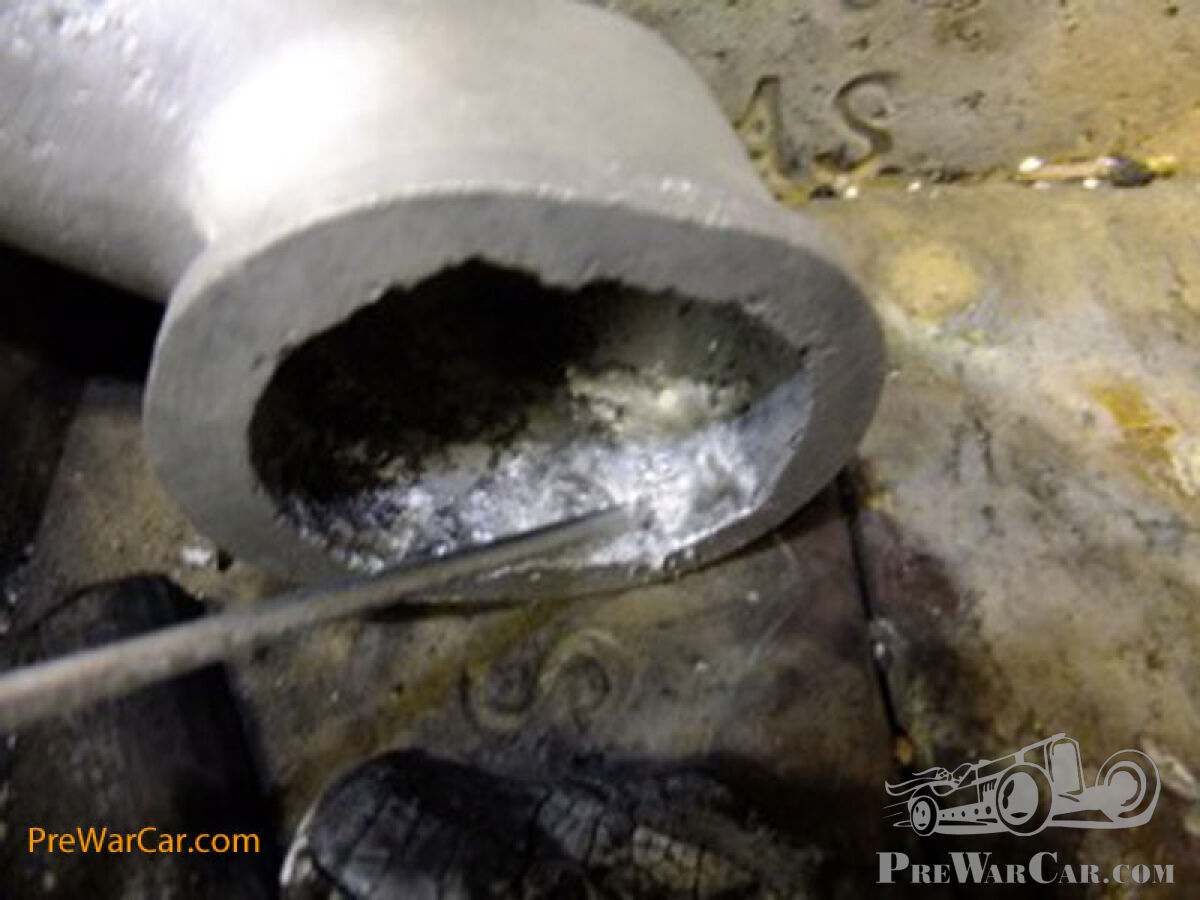
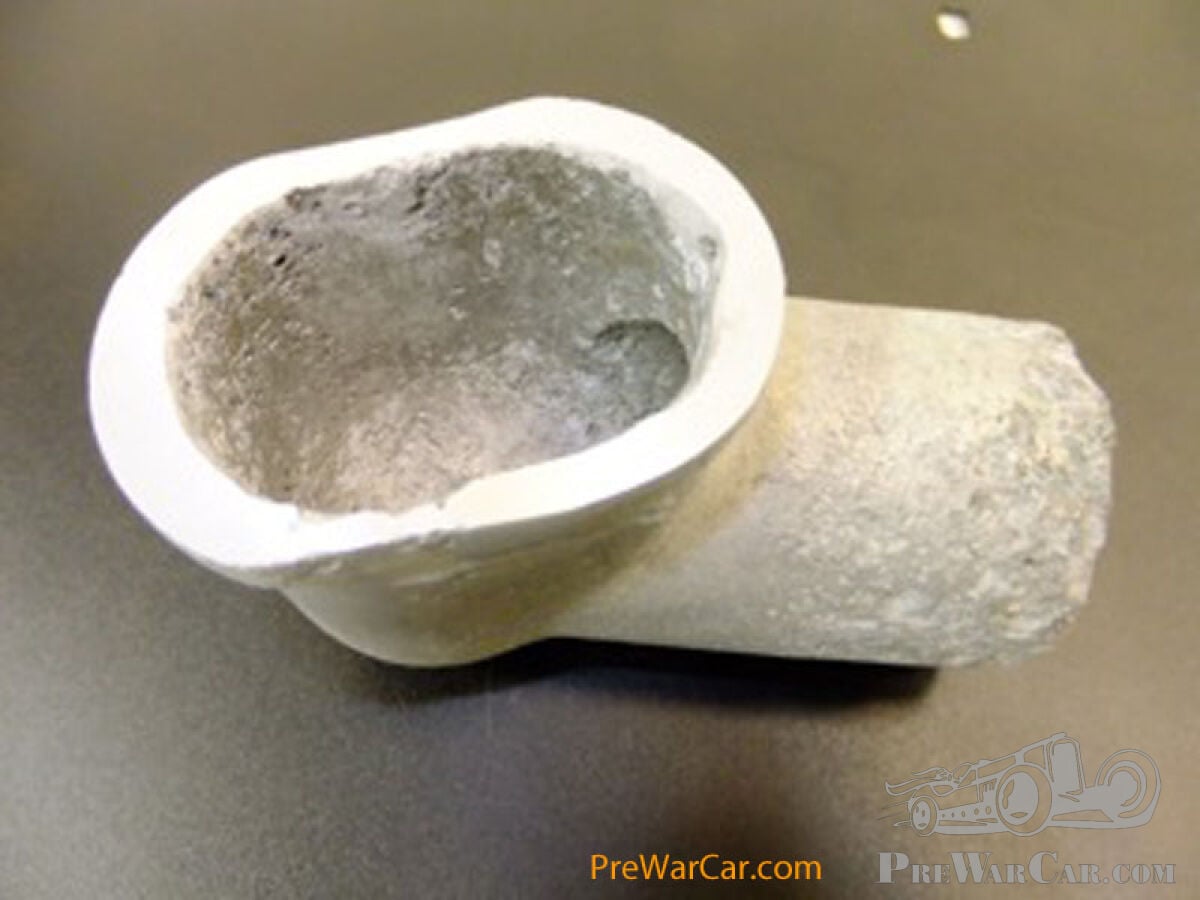
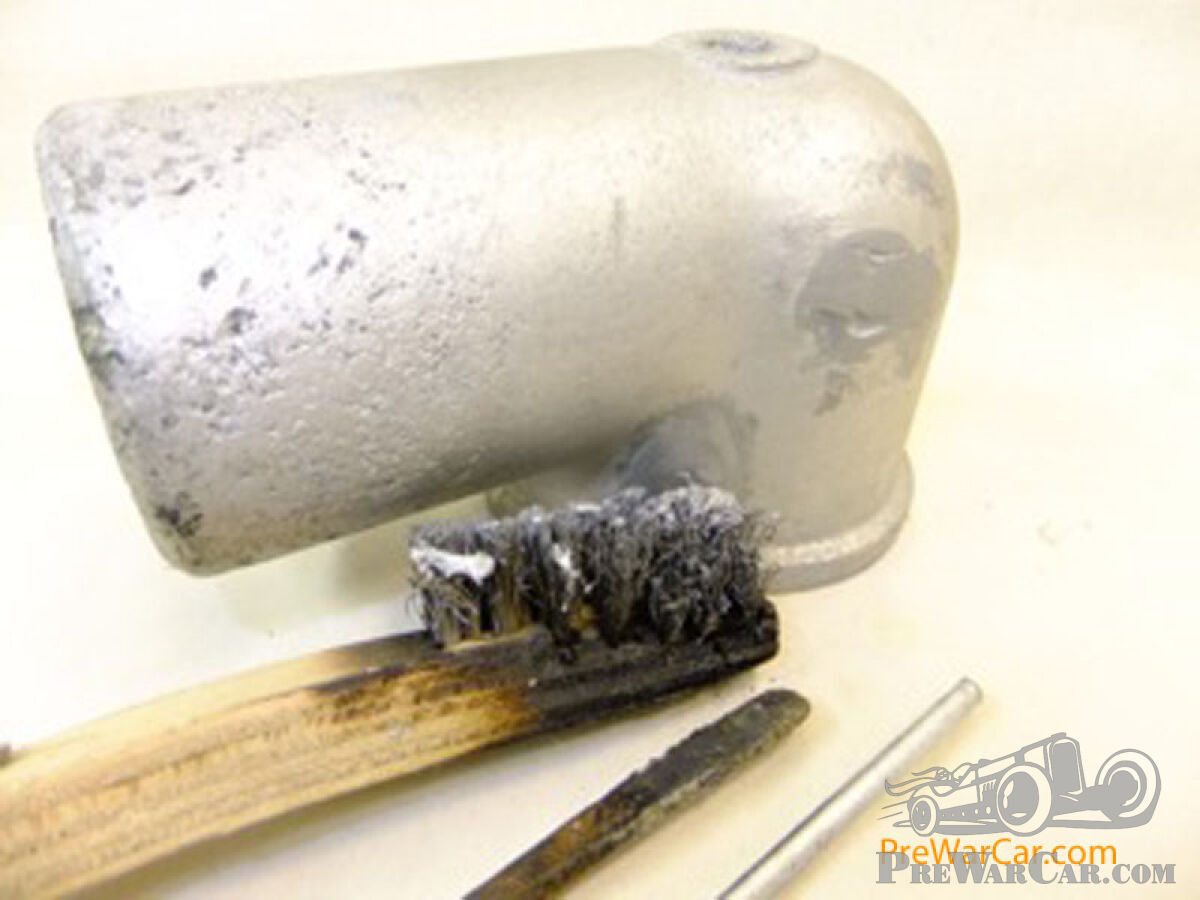
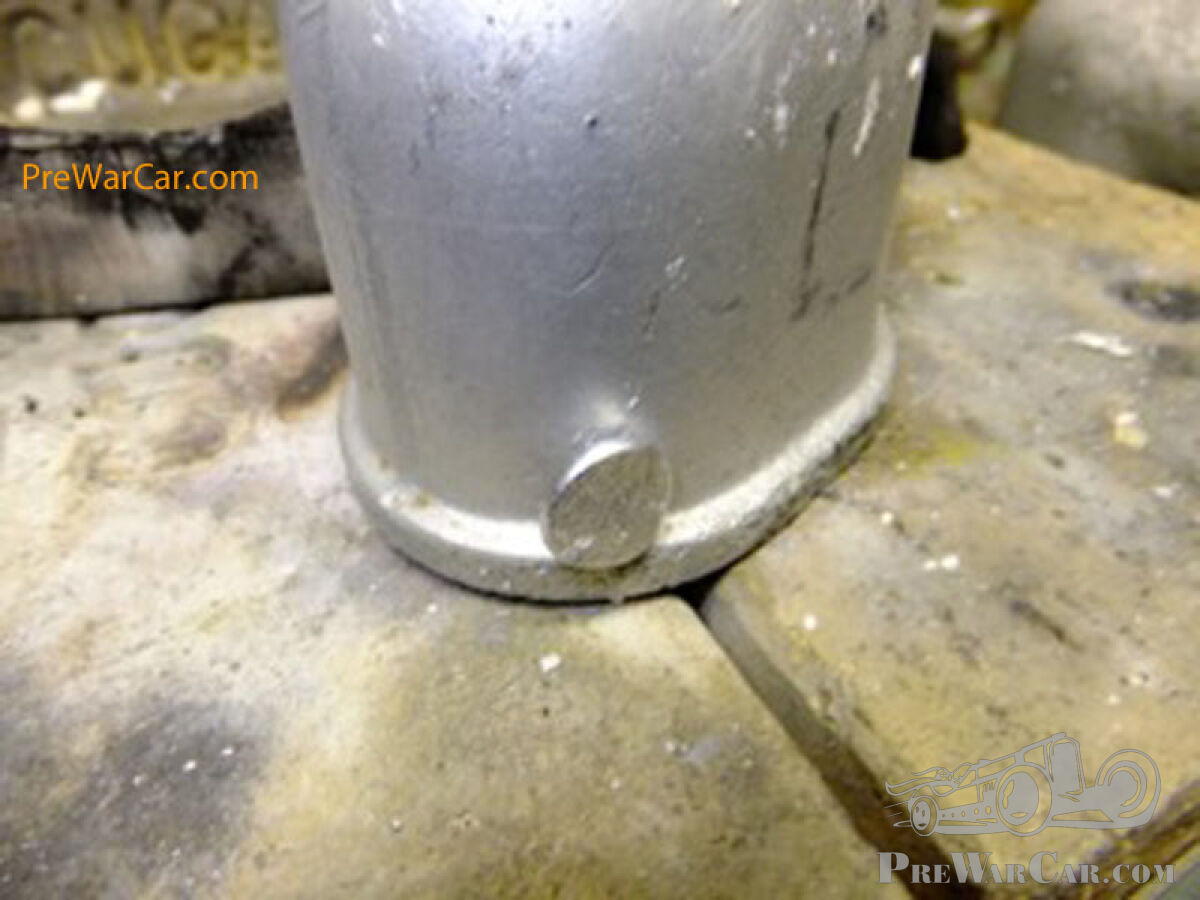


a workshop report by CQ: "Looking at the water outlet of an Amilcar engine, I realised that a part of the flange was corroded so much, water leakage was inescapable. I managed to buy another one; "in original condition" as the french say, but no magnifying glass was needed to see clearly 3 pinholes in a very corroded area.
Contemplating about a repair, I remembered my mother; the many evenings mending my socks under a twilight lamp, even putting a layer of wool on an already thin area. In those years after WW2, spirit revived and bachelors cried: "if there is a hole in your sock, throw them away! "
Having past the bachelor state a long time ago I had to do the repair on this Amilcar part......
For peace of mind, no 2K liquid metal etc. but an "honest" repair ! For sure this water outlet will not contain exotic metals as titanium, magnesium or chrome, so it can be soldered with a so called "SOFT" aluminium solder. Its instruction has to state: "can be used for compositions containing zinc".
Usually these alloys contain for the larger part: Zn, Sn, Al and have a melting point of ± 380 C. The melting point of the water outlet however will be between 450C and 650 C.
The technique is straight forward. As this part is not contamined with oil, "degreasing" by heating it is not needed. The to be soldered area has to be as clean as possible. All oxidised alloy has to be removed by grinding, glass bead blasting or brushing using a clean stainless wire brush.
In this case I used a hard steel round "rose" but in combination with a mill in a Dremel type hand piece.
The whole part is gently heated from the outside with a torch. One can use a propane or acetylene-oxygen torch. Heat the to be soldered area till a soldering rod starts to soften when touching the base metal. The correct temperature is near and when the rod starts to melt when touching the base metal, while playing with the torch flame. When the surrounded base metal starts to "sweat", be careful, do no continue the pre heating.
If the torch is adjustable, try to get a somewhat more blueish flame (reducing flame), means less oxidation. The soldering material when melted will not cover the base natal by itself because of oxidation and surface tension.
With the wire brush or a clean(!) stainless "puddeling" tool, "tin" the area carefully by wetting the surface. If needed, it can be done a few times till all of the area is well tinned (different colour/aspect).The tinned area can now to be covered with a layer of the soldering alloy which will close the holes. Use the puddeling tool to get a bond with the tinned surface. The solder can be shaped with this tool during a short period and surplus can be removed. Let it cool down slowly.
If this is the first time to do this type of soldering try the technique on a scrapped piece of aluminium alloy till you got the feel and confidence to give it a try. Soft soldering is not suitable for stressed connections.
An alternative technique is after having tinned with the aluminium soft soldering rod, fill the area with a normal tin/lead soldering stick (60/40).
If I have to white metal in an all aluminium conrod, I use the old technique of tinning the aluminium with a tin mans tin by using the wire brush technique; a reliable bond between the babbit and the aluminium will be achieved.
You can prevent solder dripping through a hole by covering it from the outside with an exhaust sealing paste. Always use goggles as moist from the air could condensate on the part you are heating and can cause the melted alloy to spit severely.
As I was in the mood, also because of a satisfying result, I continued by restoring the missing rim part of the other water outlet.
Is there something nicer in this world than a good repair........ , on all levels ??"
text & photos by CQ
Do you have a tech story you like to share? Let us know! (CLICK HERE)
Publiziert:
Dienstag August 23rd, 2016
Facebook
LinkedIn
Twitter
WhatsApp
Email
Copy
Kommentare
Unbekannt
29 August 2016, 02:00
Unbekannt
24 August 2016, 15:24
The anode qualification(?) is most inquisitive, such a process has been longtime used to reduce the rate of rusting, and I recall a "J.C. Whitney" kit?
The aluminum elbow "deterioration" is not just limited to that visible, other will soon follow. Solder is not designed to be a structural repair subject to adverse environments, and CHEMICALS.
Weiter lesen
The aluminum elbow "deterioration" is not just limited to that visible, other will soon follow. Solder is not designed to be a structural repair subject to adverse environments, and CHEMICALS.
Unbekannt
24 August 2016, 12:07
"As this part is not contamined with oil" - clearly you are not working on a prewar AC engine!
Weiter lesen
Unbekannt
24 August 2016, 09:41
Maybe the repaired elbow is good to keep as a spare and buy new one..? But the work that you have done on the elbow is satisfying and looks really good. Bravo.
Weiter lesen
Unbekannt
24 August 2016, 06:25
…… or you could buy a new one from the Amilcar Register Spares Dept. !
Weiter lesen
Unbekannt
24 August 2016, 01:03
The Amilcar water elbow is a sacrificial anode and so are the aluminium core plugs in the engine block. They are designed to keep your engine block from corroding. You are risking long term damage to your engine block by using anything other than aluminium. You may create a battery! This is a readily available new part for low cost.
Weiter lesen
If this component fails your engine will fry with catastrophic results. BUY A NEW ONE!!!!