Das weltweite Magazin und der Marktplatz für Oldtimer-Enthusiasten – von Enthusiasten.
Das weltweite Magazin und der Marktplatz für Oldtimer-Enthusiasten – von Enthusiasten.


Filter
Auswahl treffen
- Autos
-
Marke >>
-
Baujahr >>
-
-
Kategorie >>
-
Länder >>
- Motorräder
-
Standort >>
- Teile
-
Automarke >>
-
Hersteller >>
-
Kategorie >>
- Fahrräder
-
Baujahr >>
-
Länder



PreWar at the pictures: the vintage star of The Crowded Day
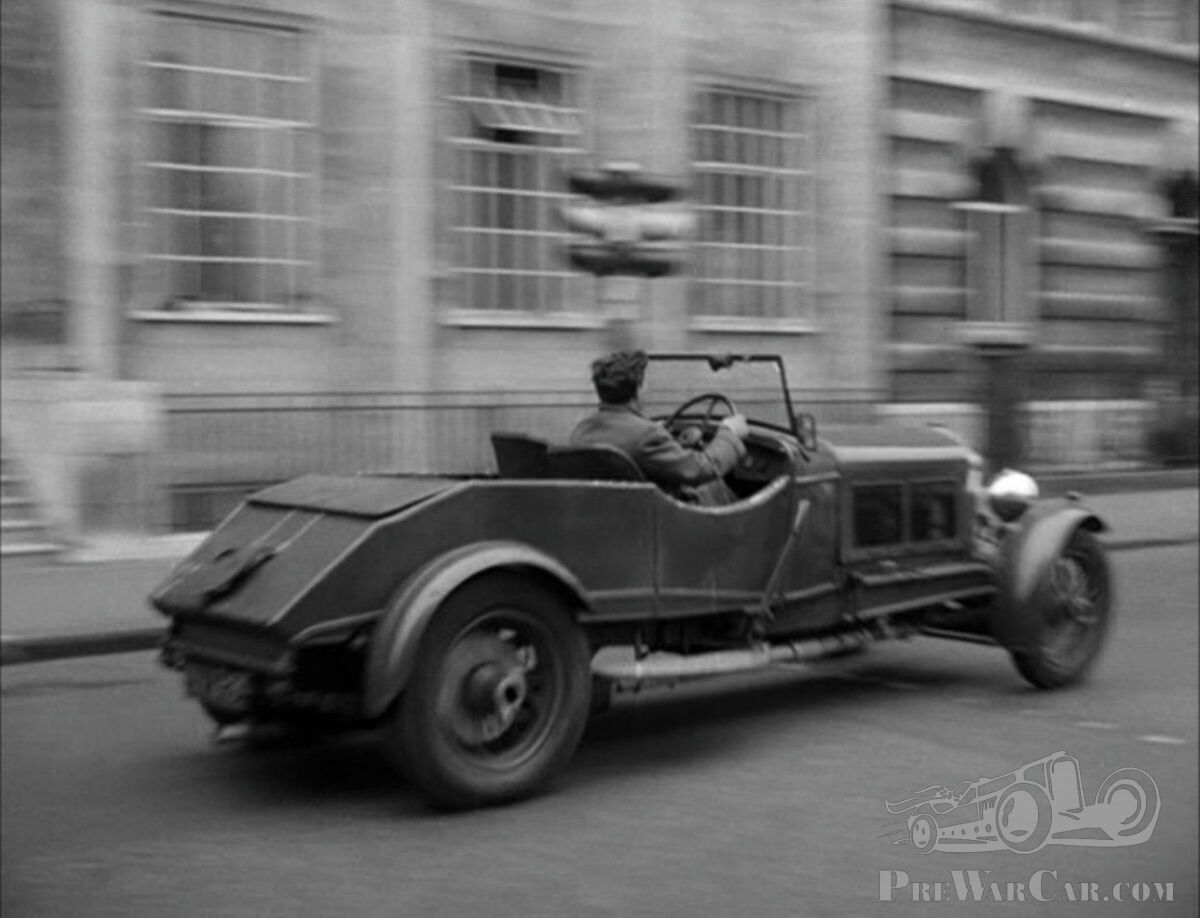
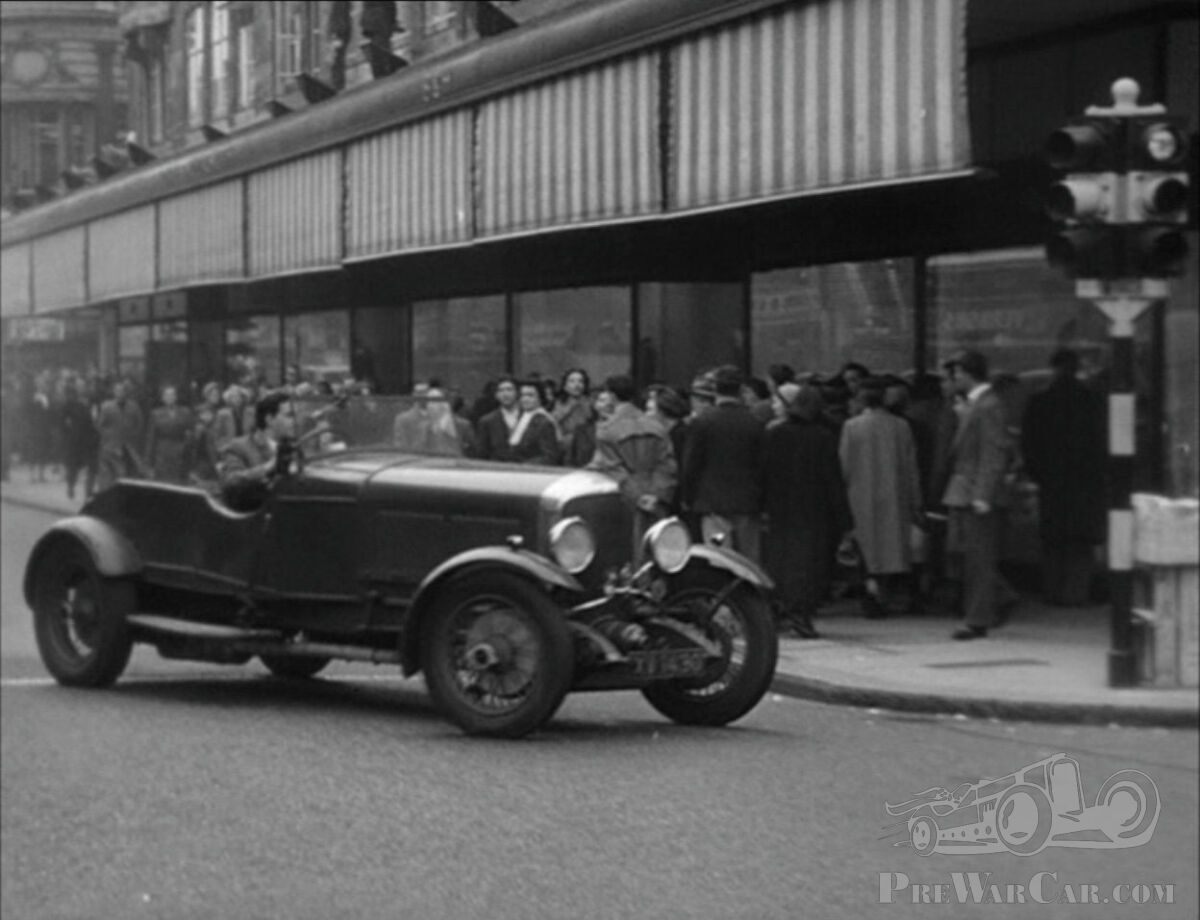
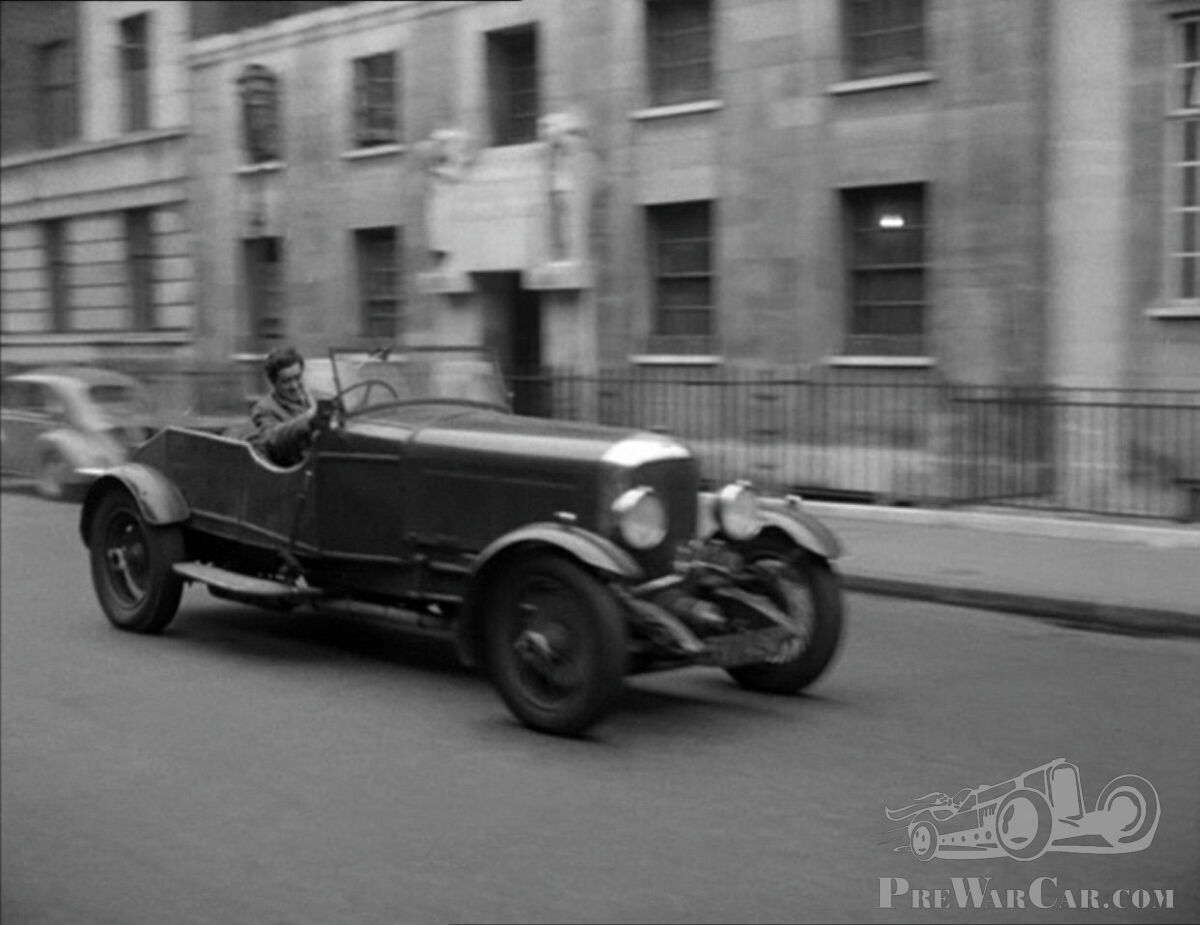
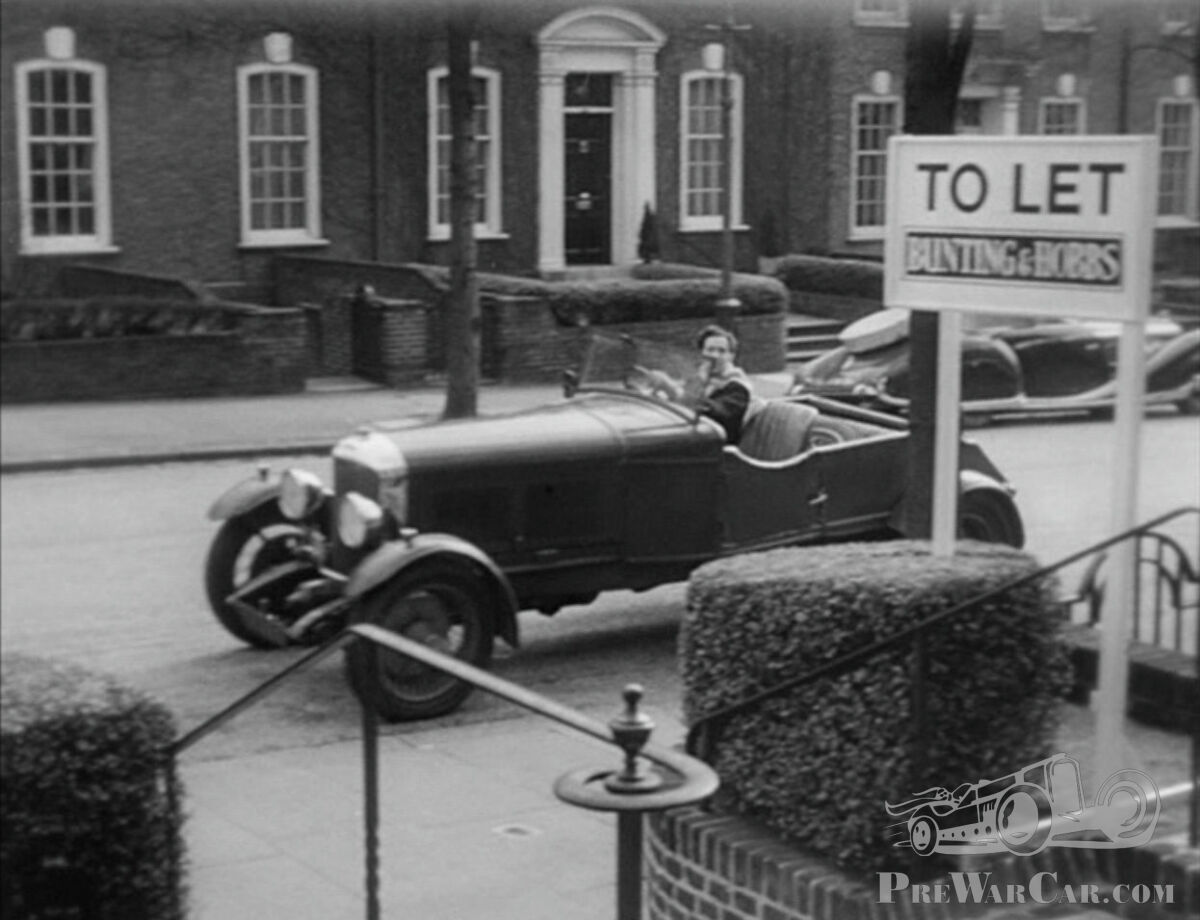
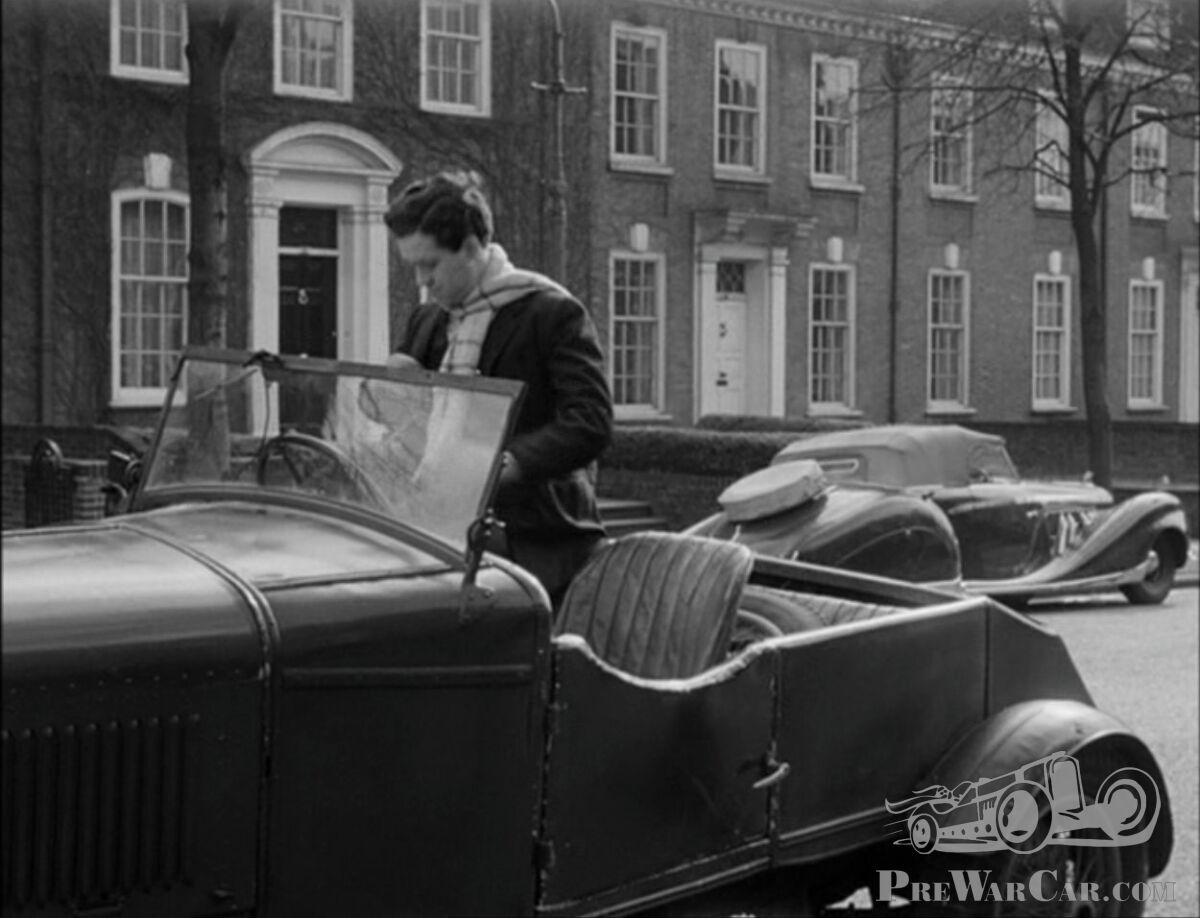
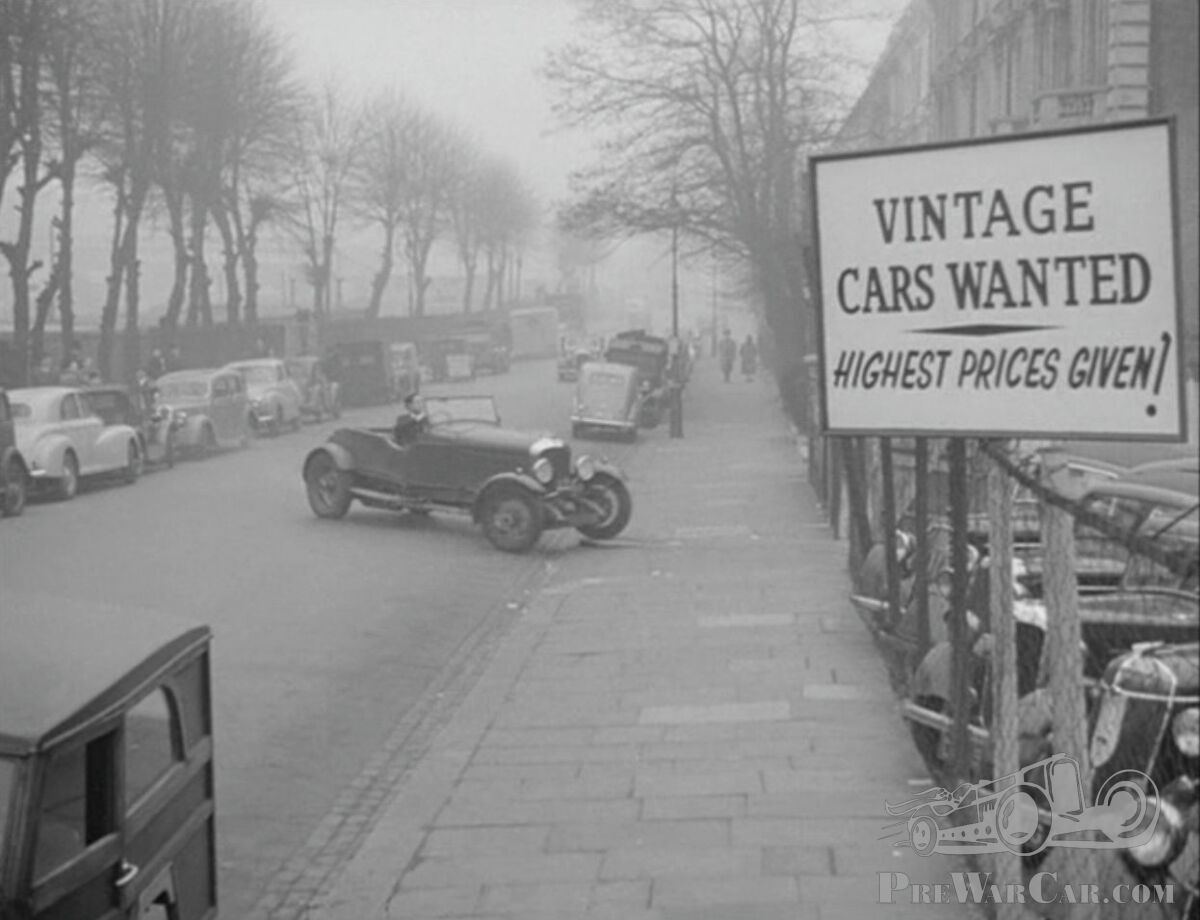
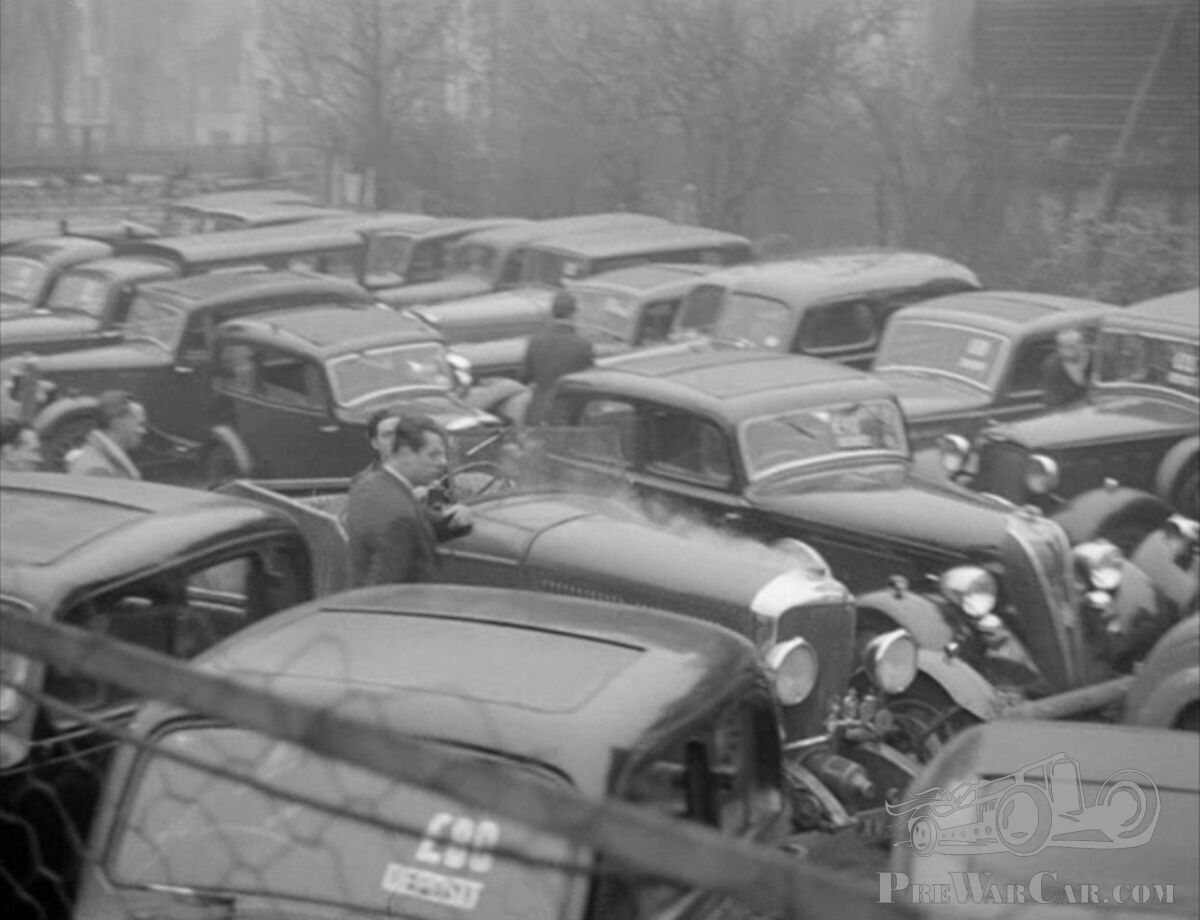
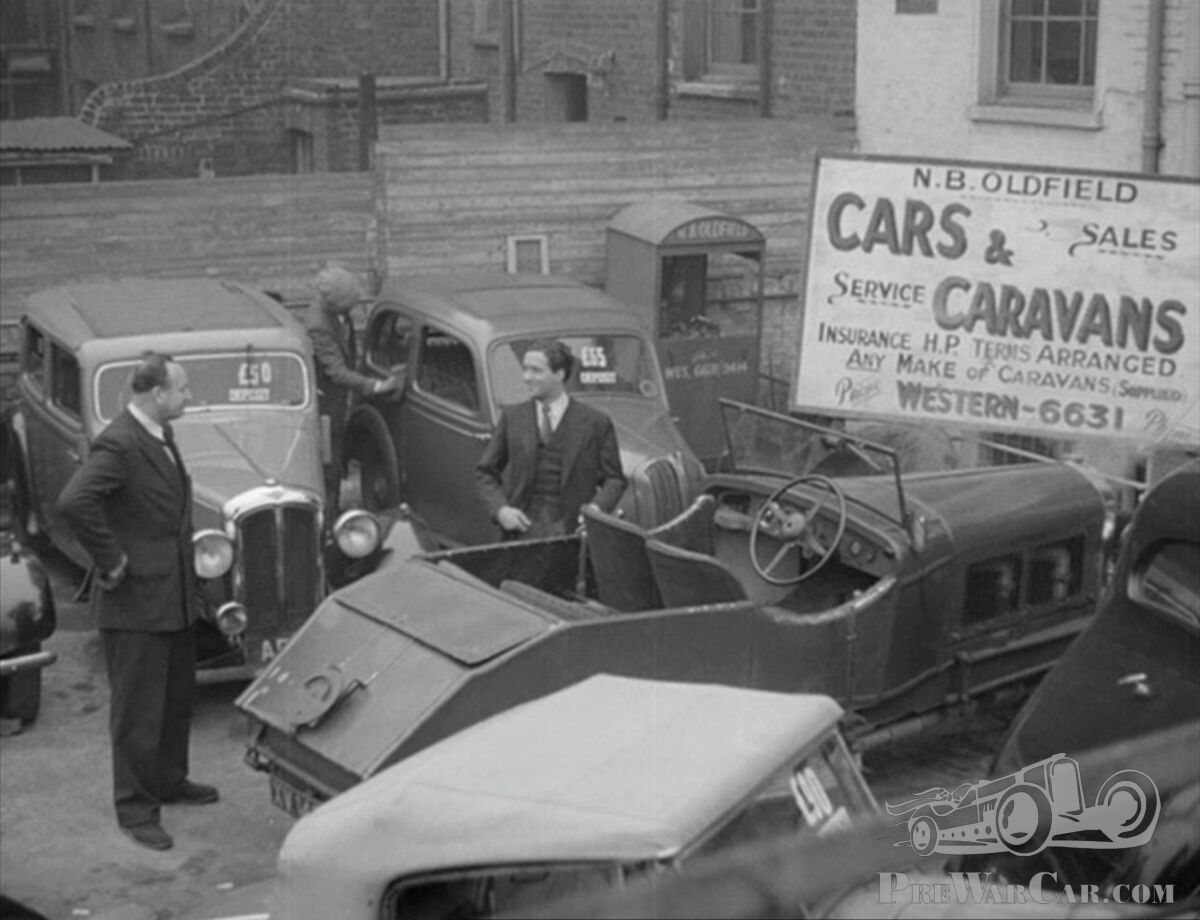


The vintage car hobby was so popular in Britain in the 1950s and '60s that it cropped up regularly in British cinema, and enthusiasts for the films will remember that a vintage Bentley was usually the car of choice. There were the various Three-, 4½- and 6½-Litres driven ever so stylishly by John Steed in The Avengers, and then there was The Fast Lady, the 3/4½-Litre so much coveted by Julie Christie in the film of the same name. Those who enjoy the brilliant comedic trinity of Terry-Thomas, Alastair Sim and Ian Carmichael might also have clocked that it was a heavily disguised 4½-Litre which appeared as the clownish 'Swiftmobile' in School for Scoundrels.
We suspect it is but few people who remember The Crowded Day. That's fair enough because it doesn't rank among the most memorable of pictures, but it has a real charm and was in some ways quite ground-breaking for the 1950s in the topics it discussed. Released in 1954, it was the work of Adelphi Productions, which specialised in making low-budget 'B' pictures intended to support the main 'A' pictures. With The Crowded Day, it hoped to move into the world of 'A' pictures and spent generously, securing two of the day's big stars, John Gregson and Joan Rice, for a couple of its protagonists. Incidentally, it marked the film débuts of Sid James and Prunella Scales, both later household names although relatively unknown at the time.
The setting is the fictional department store Bunting & Hobbs on a busy Christmas shopping day, with filming taking place at the sadly long-gone Bourne & Hollingsworth department store on Oxford Street, then a smart and upmarket London thoroughfare. The plot concerns the various girls who work there, their romantic interests and the events leading up to the work Christmas dance.
A familiar story...
We are concerned with the lovely Peggy (Rice) and her fiancé Leslie (Gregson). Their future married bliss is in doubt, because Leslie has another lady in his life. His precise relationship with this 'lady' is revealed early in the film as Peggy complains to her colleague Alice:
A: Did you have a good time last night?
P: Oh, don't talk about it. Leslie didn't turn up again as usual. Another meeting of his beastly old car club. How can I marry a man like that? I'd never know whether I'd been ditched for a redhead or a drophead.
A: Are you going to the party tonight with Leslie?
P: I expect so... unless Bessie has a cough and he stays up with her all night.
A: Bessie?
P: His beastly car.
The conversation which later takes place between Leslie and Peggy will resonate with some enthusiasts:
L: Now, look, we've been through all this before, old dear—sweetheart, we couldn't possibly afford marriage on my present salary.
P: We could if you gave up this broken-down old tank.
L: What? Give up old Bessie? Are you serious?
P: Well, you can't afford to run both of us.
L: Yeah, but hang it all, I'd be lost without Bessie.
P: Right, then that lets me out. [She leaves the car]
L: Hey, mind that door!
It will not be lost on readers that Gregson's casting exploited his earlier success as Alan McKim in Genevieve, which was released the previous year and made him a household name. Indeed, the strained relationship between Leslie and Peggy echoes that of McKim and his wife Wendy (Dinah Sheridan). It is also well-known that he did not hold a driving licence when filming Genevieve and, afterwards, was said to be able to drive the Darracq beautifully, even though he hadn't a clue what to do with a modern car. One can only observe from The Crowded Day that he seemed to get on pretty well with Bessie.
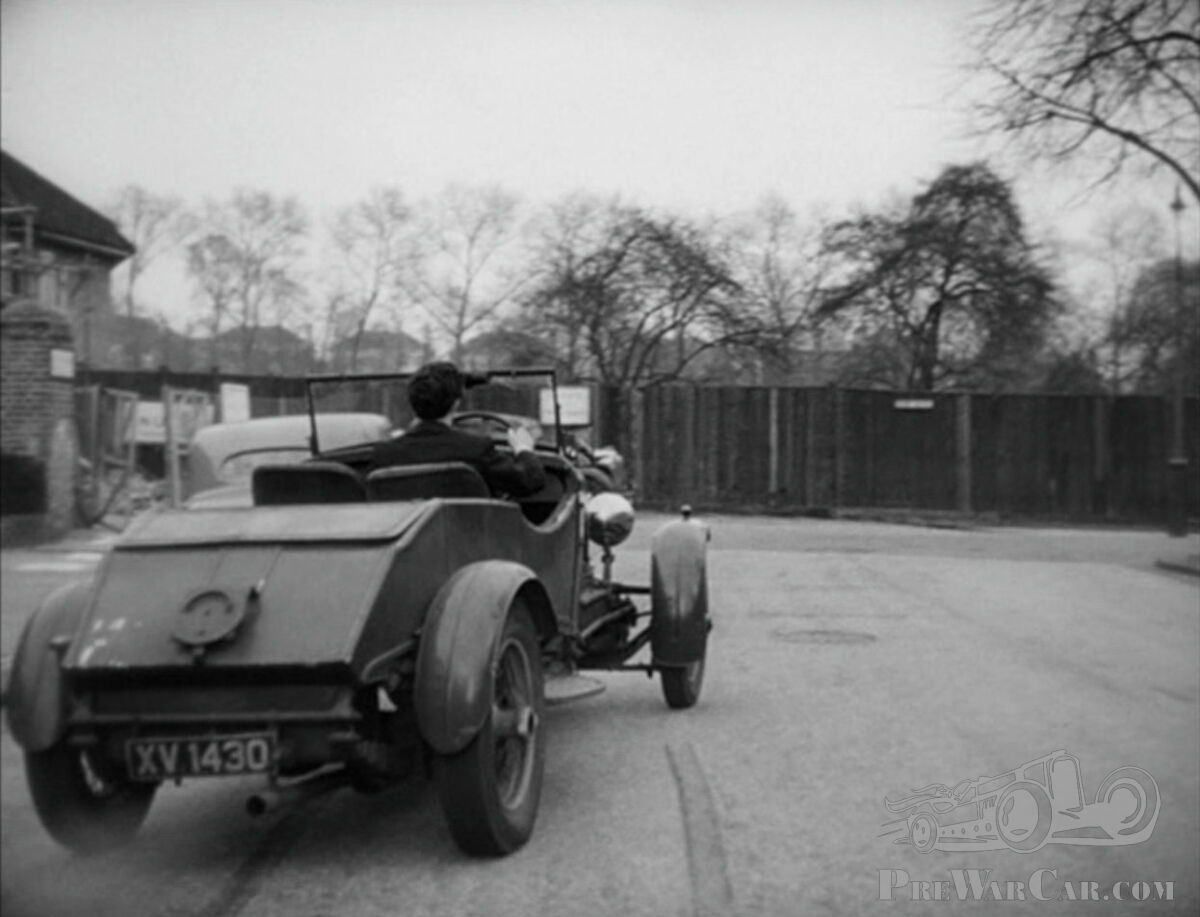
To get to the crux of the matter, our automotive star Bessie is a 1928 Bentley 6½-Litre. It is wonderful, really, to see it sporting such 'rustic' coachwork, as so many Bentleys used to do after their original coachwork had been lost to the ravages of the time. Even by the standards of the day, Bessie's is difficult to find kind words for, except to say that it could have been the very thing that saved her from the scrapheap and put her back on the road. An interesting point is that Leslie is a 29-year-old working for Bunting & Hobbs's estates department—one might struggle to afford a vintage Bentley as a young estate salesman today...
An illustrious past
Predictably, XV 1430 is now a Le Mans replica. The website VintageBentley.org tells us all about it, although it omits to mention its brief career as a film star. Originally bodied as a Weymann saloon by Gurney Nutting, chassis WT2265 was no stranger to the cameras, being the works demonstrator used for The Motor's 6½-Litre road test, where a speed of 90mph achieved at Brooklands was much to its credit. At some point, it became a shooting brake, and then it reappeared from out of the blue in 1953 with its crude roadster body. After shooting, in 1954 or 1955, it was rebodied again along much more presentable, though still fairly basic, lines by M. & D. Motors of Brixton Hill as a four-seat tourer. In this guise, painted black with red wheels and radiator and looking pleasingly scruffy, it was auctioned in 1988. It had considerable character, which sadly was lost when it was Le Mansified circa 1990.
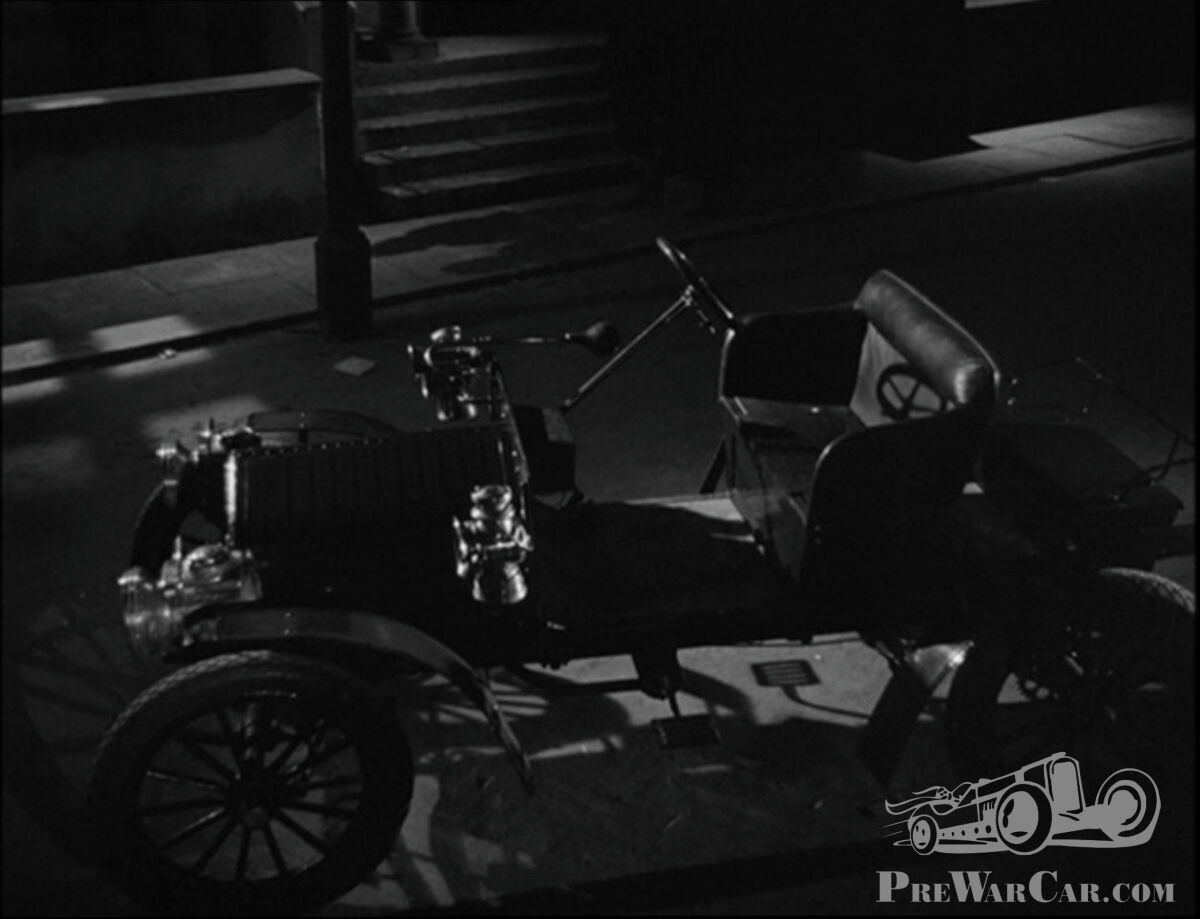
Of course, the film being made in the early '50s, the background is littered with various other pre-war cars, but two in particular caught our attention. Scan the stills and see the one where the Bentley is stopped in front of a house to let. What is that swooping beauty parked just up the road? It's reminiscent of Figoni et Falaschi, but nonchalantly parked on a London street—surely not? Towards the end of the film, we are introduced to a very pretty little Edwardian roadster which we confess we cannot identify. Who can tell us?
For those interested, The Crowded Day was released by the British Film Institute on a double DVD a few years ago along with Song of Paris, and makes for a pleasant 80 minutes' viewing. It deserves a place in the collection of any enthusiast for mid-century British cinema, but readers will enjoy it especially for its automotive subplot. Visit adelphifilms.com for more information.
Words: Zack Stiling
Stills and dialogue reproduced with the kind permission of Adelphi Films Ltd.
Publiziert:
Donnerstag Februar 29th, 2024
Facebook
LinkedIn
Twitter
WhatsApp
Email
Copy
Kommentare
Editor
04 März 2024, 17:25
Laurent Zoller
04 März 2024, 18:15
Hello.
Thank you for confirmation.
Laurent Zoller
Weiter lesen
Thank you for confirmation.
Laurent Zoller
Andrew Minney
03 März 2024, 10:47
Photos four and five show either a Delahaye or Talbot, but not (I think) a Delage.
Weiter lesen
Keith Kuehn
01 März 2024, 03:20
Wonderful photos! I was really taken by, of all things, the architecture of the buildings, and especially the graceful sweep of the hand railing and finial. A pleasant compliment to the Delage in the photo!
Weiter lesen
Laurent Zoller
29 Februar 2024, 12:21
Hello
Photos four and five show a magnificent 1939 Delage D8 120 cabriolet by Figoni et Falaschi.
--------------------------------------
Sur les photos 4 et 5, on peut voir une magnifique Delage D8 120 cabriolet Figoni et Falaschi de 1939.
Laurent Zoller
Weiter lesen
Photos four and five show a magnificent 1939 Delage D8 120 cabriolet by Figoni et Falaschi.
--------------------------------------
Sur les photos 4 et 5, on peut voir une magnifique Delage D8 120 cabriolet Figoni et Falaschi de 1939.
Laurent Zoller
Maurice
29 Februar 2024, 08:49
Do I see a Hudson in picture 8 next to the Bentley?
Weiter lesen
Mike H.
03 März 2024, 14:59
The front clip looks very much like a Hudson, but factory Hudsons of that era had a split windshield.
Weiter lesen
"The car in the background of two of the photos is indeed a 1939 D8-120 bodied by Figoni et Falaschi and registered FTK 111 upon its importation into Britain in 1953. It was subsequently sold via the legendary Halfway Garage to the USA. By current standards it’s astonishing to think that the Delage was just a daily driver (I’m reasonably sure that it just happened to be parked on the street when the Adelphi crew was on location). I became involved in the research on this car after spotting a photo of it taken by the late Nick Georgano at the Halfway Garage in the sale of Nick’s photo collection some years ago and I’m pleased to say that we’ve since unearthed more information and photos of it, which will appear (together with exhaustive details of every other known Figoni Delage) in the Delage volume(s) of Peter Larsen’s and Ben Erickson’s history and catalogue raisonné of Figoni.