Das weltweite Magazin und der Marktplatz für Oldtimer-Enthusiasten – von Enthusiasten.
Das weltweite Magazin und der Marktplatz für Oldtimer-Enthusiasten – von Enthusiasten.


Filter
Auswahl treffen
- Autos
-
Marke >>
-
Baujahr >>
-
-
Kategorie >>
-
Länder >>
- Motorräder
- Teile
-
Automarke >>
-
Hersteller >>
-
Kategorie >>
- Fahrräder
-
Baujahr >>
-
Länder



Preparing the 1899 Amédée Bollée for the Race from Paris to Amsterdam
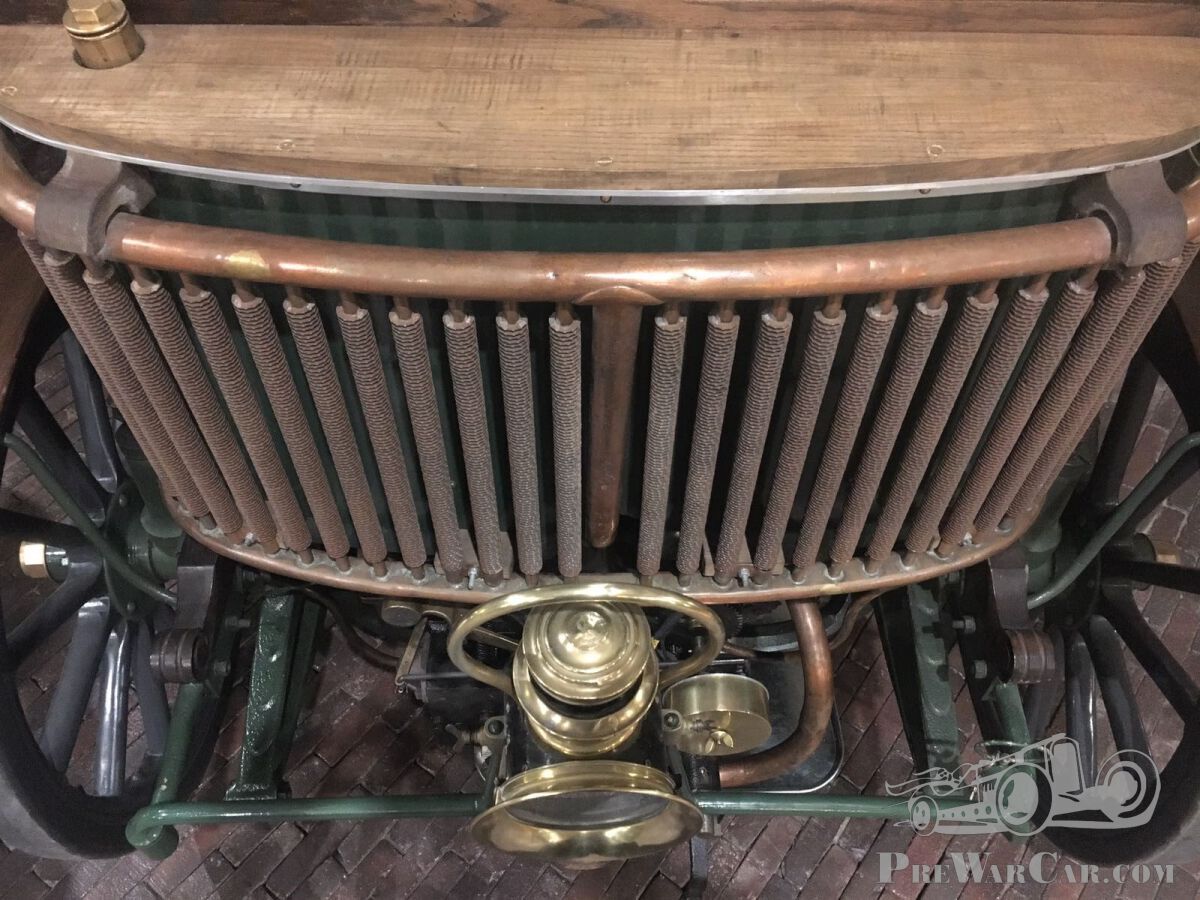


In only a few weeks the PrewarCar.com team, consisting of navigator Laurens Klein and driver myself, will drive the Race from Paris to Amsterdam organized by Classic Events. We are the youngest team with the oldest car, and today’s story is about the preparations we did to get the car ready for the 600+ kilometers in 3 days.
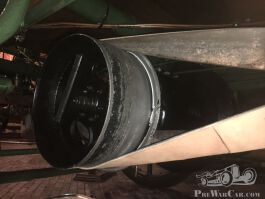
First of all, we started by solving the problems we have had in the London to Brighton last November. The drive belts came off the pulleys every few kilometers, causing us to have a lot of downtime getting the belt back on. It was due to the pulley’s not being lined up correctly, so this was quickly solved. Next was the task of getting new leather belts. I found this is not a common item anymore and not many factories make long leather drive belts. But we found a supplier and after some testing, we found the car drives great again!
For the rest, of course, the whole car is lubricated, water is added and every bolt is tightened. Now, what should we take for spare parts? I’ve sorted the most common parts I might need: a box of various bolts, nuts, pins and screws. Ignition parts, battery, drive belt, drive chain etc. Can you tell me what you take on a long trip in an old car? Maybe someone can give us the right tip and save us!
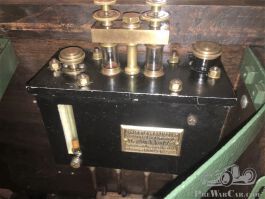
For cooling, the Amédée Bollée has a very ingenious system. The car contains about 80 liters of water in a spare tank, and the engine has a float in the water system. When the car wants to overheat and water boils, a pressure valve releases steam and the float sinks, adding fresh cold water to the engine! So long trips in hilly area’s like the Belgian Ardennes should be no problem as long as we keep that tank filled. The sump oil can be replenished while driving when lots has leaked out. There is a lubricator on the dashboard that supplies extra oil to the pistons. Normally, keeping the engine running should not be a problem.
The only thing that we can’t change along the route is a solid tyre coming off. We were thinking of taking ropes with us to tie around / through the rim if a tyre would come off. Are there any pros or cons about this idea besides that it will probably wear very quickly?
.jpeg)
(1).jpeg)
Words and photographs by Jos van Genugten.
Publiziert:
Mittwoch April 11th, 2018
Facebook
LinkedIn
Twitter
WhatsApp
Email
Copy
Kommentare
Frank van den Broek
23 April 2018, 21:37
Jos van Genugten
11 April 2018, 16:01
Thank you for you comments! The supplier for the belts was Beltmaster in Tilburg, a very helpful man who had good advice for us.
And Guy, thanks I have your number but hope I won't need it, no exploded blocks this time!
Weiter lesen
And Guy, thanks I have your number but hope I won't need it, no exploded blocks this time!
Guy Mahy
11 April 2018, 13:37
Hi Jos,
Looking at the list of participants, most of them will have a normal rallye which happens to be called 'Paris Amsterdam'
You will be almost the only participant who will pay the real tribute to what it was 120 years ago and with a machine from that period
For you it will be a challenge ! It will be YOUR true commemoration and adventure !
You ask what we could advise you to take ... I would say your mobile phone with numbers of persons, as passionated as you, living not too far from the route . If you have a problem you cannot solve by yourself ( such as an exploded cylinderblock !!!)you could call and these chaps will do everything they can to help you to reach Amsterdam.
You have my mobile anyway
I'm sure you shall get to A'dam ...;Good Luck !
Guy
Weiter lesen
Looking at the list of participants, most of them will have a normal rallye which happens to be called 'Paris Amsterdam'
You will be almost the only participant who will pay the real tribute to what it was 120 years ago and with a machine from that period
For you it will be a challenge ! It will be YOUR true commemoration and adventure !
You ask what we could advise you to take ... I would say your mobile phone with numbers of persons, as passionated as you, living not too far from the route . If you have a problem you cannot solve by yourself ( such as an exploded cylinderblock !!!)you could call and these chaps will do everything they can to help you to reach Amsterdam.
You have my mobile anyway
I'm sure you shall get to A'dam ...;Good Luck !
Guy
Leo Schildkamp
11 April 2018, 13:15
Thanks for the story. Wish you lots of fun and a save journey.
About the long leather belts. Why not publice the name and adress of the supplier. Reader service.
What to take: Robe thin and thick.
Iron wire + twist pliers.
Tank tape.
Tank tape.
Brake cleaner to degrease
2 component glue. with JB Eld you can glue and fill holes.
If a solid tire threatens to come of you could drill smal holes in the rubber and with the iron wire you can braid it to the rim.
So take a drill and bits. Practice at home.
Weiter lesen
About the long leather belts. Why not publice the name and adress of the supplier. Reader service.
What to take: Robe thin and thick.
Iron wire + twist pliers.
Tank tape.
Tank tape.
Brake cleaner to degrease
2 component glue. with JB Eld you can glue and fill holes.
If a solid tire threatens to come of you could drill smal holes in the rubber and with the iron wire you can braid it to the rim.
So take a drill and bits. Practice at home.
Reg Harris
11 April 2018, 08:53
Sounds like a lot of fun in a car almost 120 years old. All the best for your trip.
Reg Harris
Weiter lesen
Reg Harris
Frank van den Broek