Das weltweite Magazin und der Marktplatz für Oldtimer-Enthusiasten – von Enthusiasten.
Das weltweite Magazin und der Marktplatz für Oldtimer-Enthusiasten – von Enthusiasten.


Filter
Auswahl treffen
- Autos
-
Marke >>
-
Baujahr >>
-
-
Kategorie >>
-
Länder >>
- Motorräder
- Teile
-
Automarke >>
-
Hersteller >>
-
Kategorie >>
- Fahrräder
-
Baujahr >>
-
Länder



Now wash your hands.
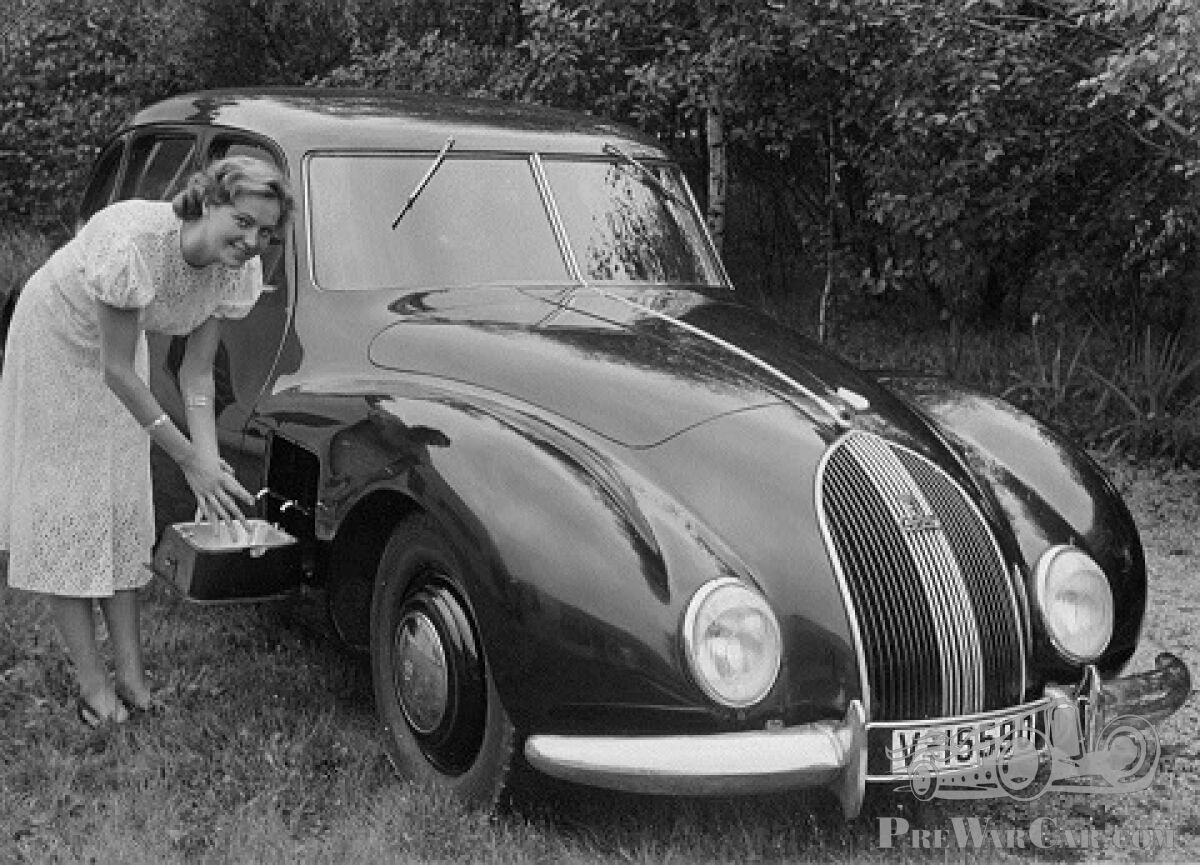



If a fräulein wanted fresh fingers for the freeway in 1939, she would have found the perfect car at the Berlin Motor Show on the Horch stand.
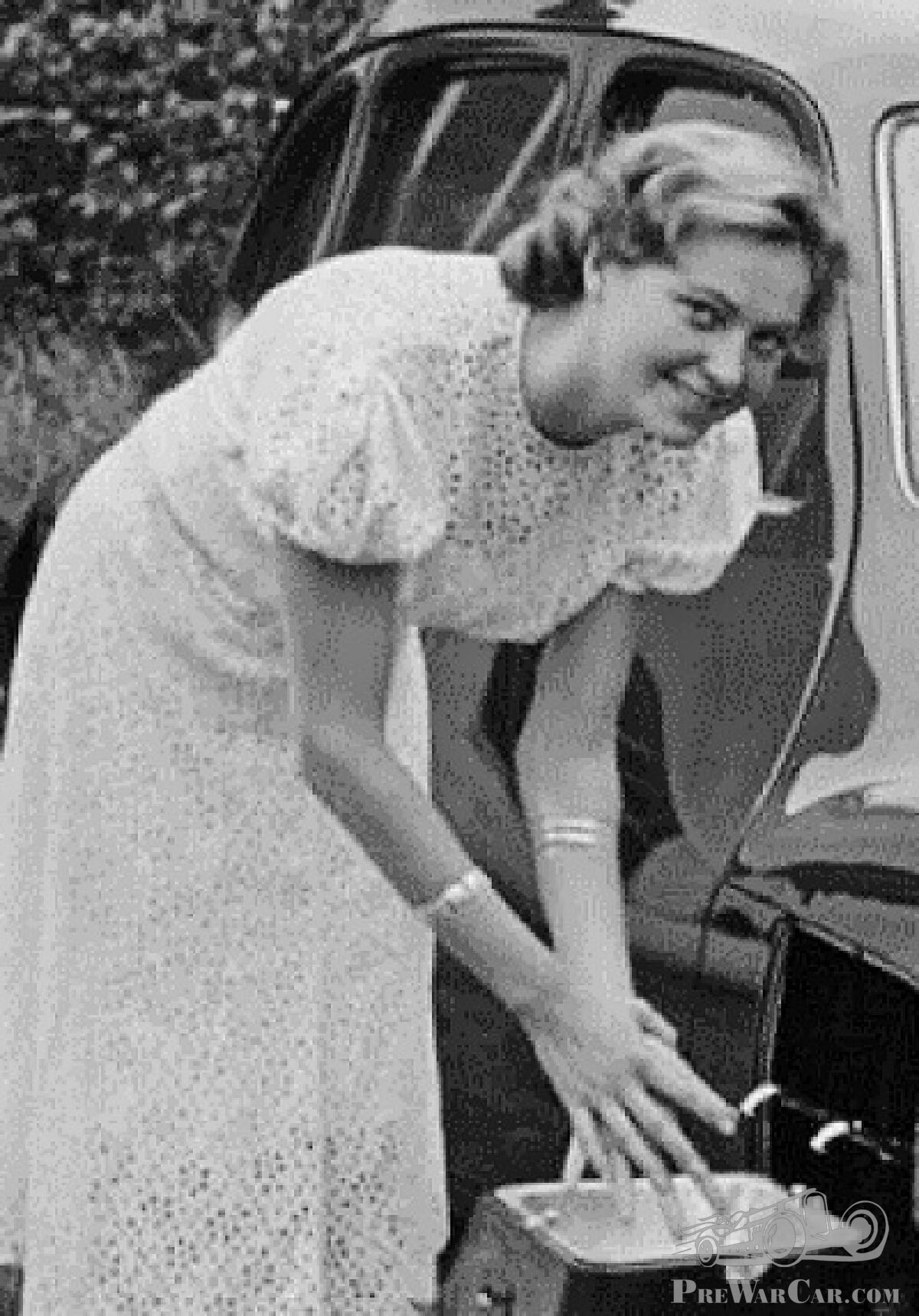
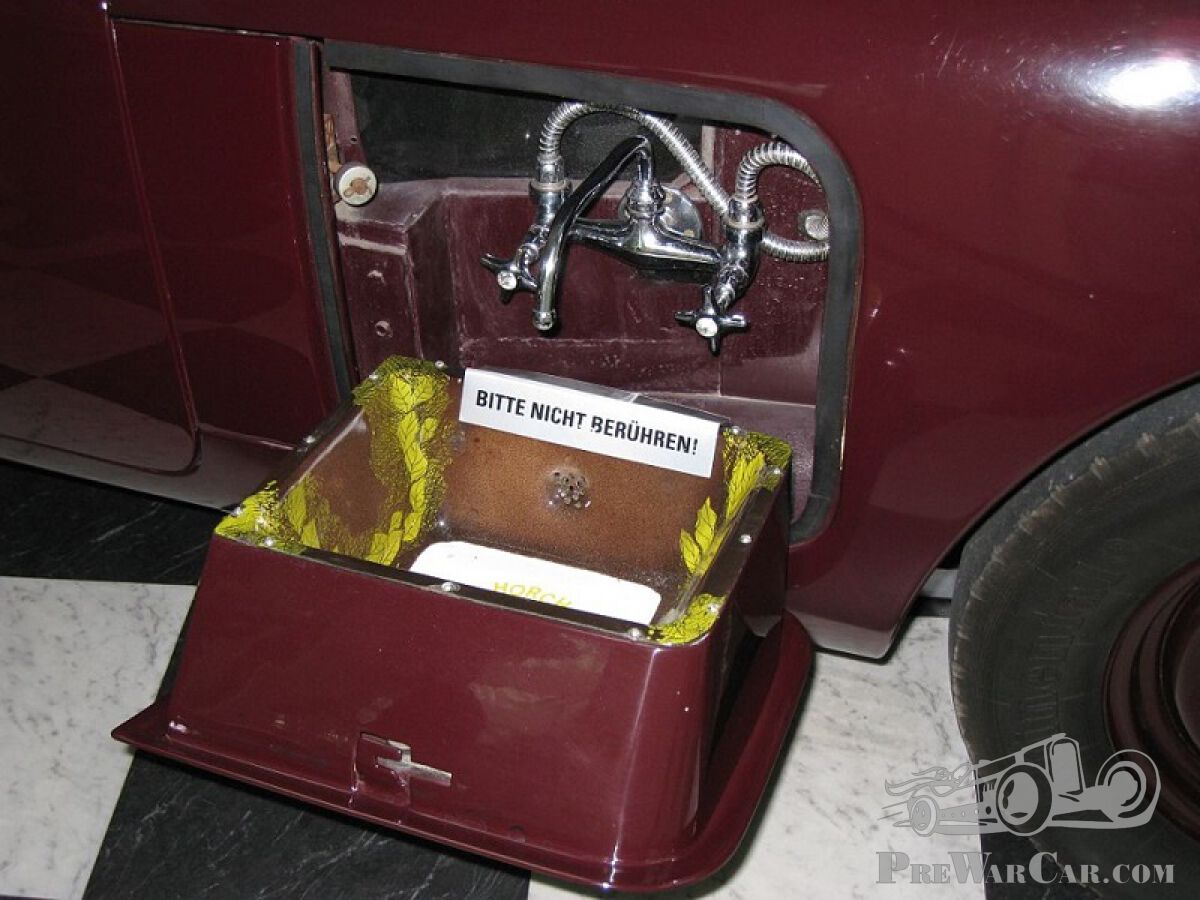
Our picture shows just such a lady, perhaps parked for a picnic rather than an adventure on the autobahn, but she wanted clean hands and there, tucked inside the wing of her 930S is an aluminium fold-out wash basin.
Fed by 2½ gallons of water, one section of the tank is heated by exhaust gases passing through with a spiral pipe and taps are provided to ensure she enjoys the perfect temperature. The basin empties as it is folded back into the bodywork.
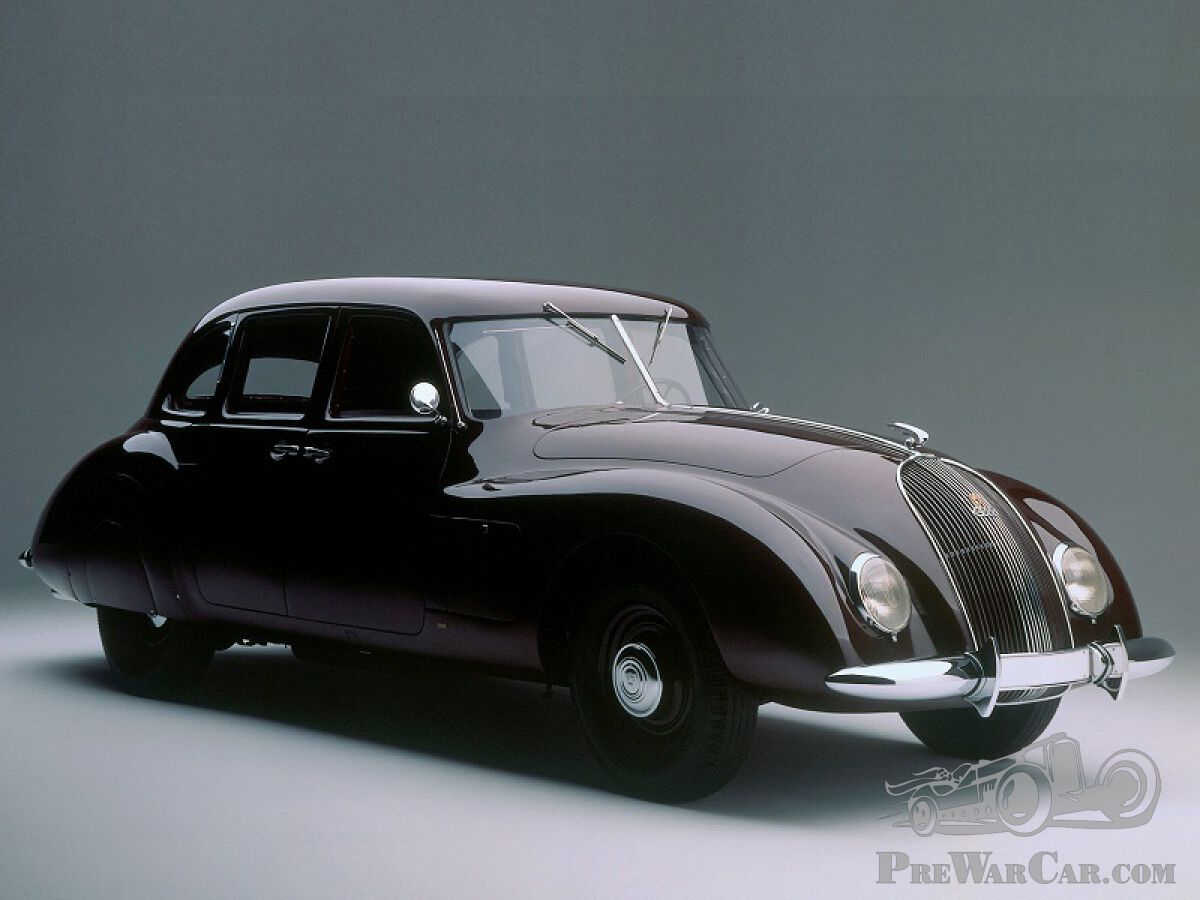
Horch built just three of these luxury limousines based on the 1935 930V before war intervened. The streamlined body was based on the DKW Wanderer which helped this 2300kg car reach 178 kilometres per hour.
But enough of the car - we have looked again into the eyes of our fräulein and our thoughts are on that picnic !
Text/picture Robin Batchelor.
Publiziert:
Donnerstag Oktober 13th, 2016
Facebook
LinkedIn
Twitter
WhatsApp
Email
Copy
Kommentare
Unbekannt
15 Oktober 2016, 21:51
As I recall, in the Audi museum in Ingolstadt when I was there in 2009 there was a different car with a washbasin in the front wing. This car looks like it might have been designed or inspired by Paul Jaray.
Weiter lesen
Unbekannt
15 Oktober 2016, 15:06
It seems there are different types made of the Stromlinien Horch. Here's a picture of one I saw in the Horch museum: https://flic.kr/p/c4RrQY
Weiter lesen
Unbekannt
14 Oktober 2016, 09:47
Now this a really nice picture with pretty features.
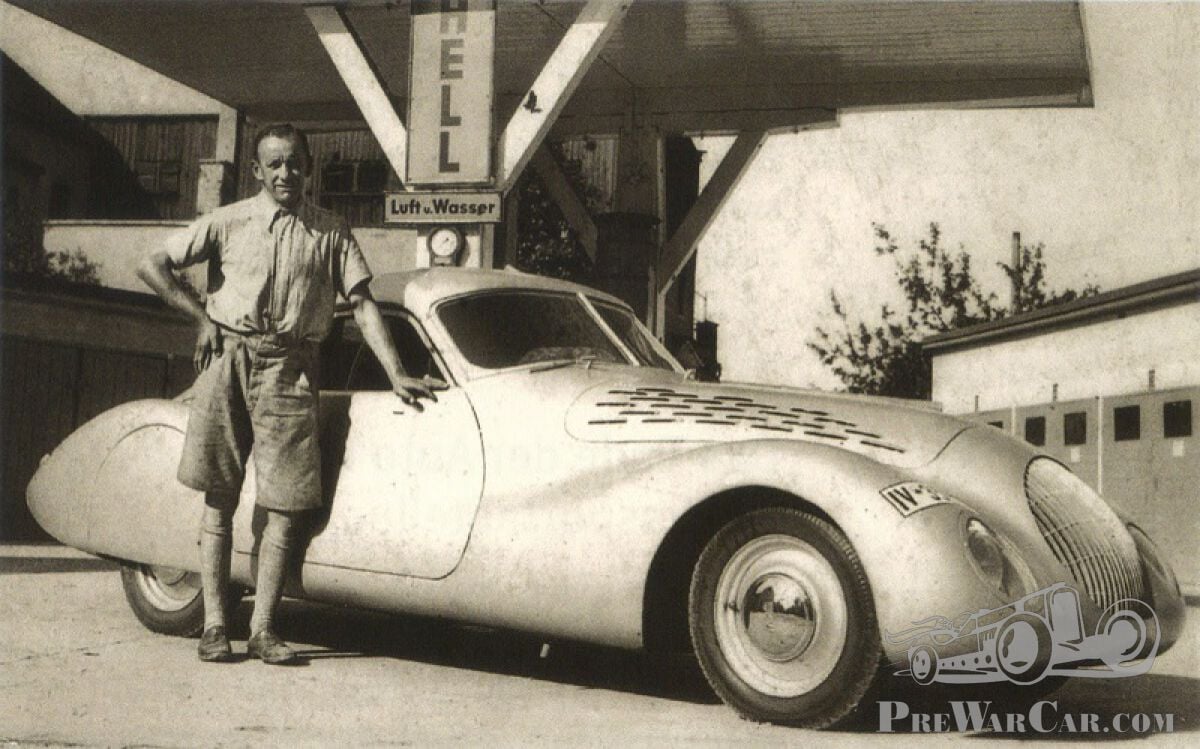
Just one remark: The streamlined body of the car is similar to ones used with DKW and Wanderer cars in the late 1930s. DKW and Wanderer both belonged to the Auto Union group, but were different brands and companies. Hence, the label "DKW Wanderer" is incorrect.
The car on the "DKW Wanderer" picture atually is a "DKW F8 Stromlinienwagen" which was specifically developed for the 1938 Berlin-Rome run that never took place.For this car a chassis of a DKW F8 was used.
At the same time, Wanderer was developing a streamlined version of its newly designed (yet never finished) W30 model. The body strongly resembled the ones used by DKW and Horch, since Auto Union had a central design office at that time.
The basic design of the streamlined body was later used with the DKW and IFA F9 cars built in West and East Germany after the war.
Weiter lesen
Just one remark: The streamlined body of the car is similar to ones used with DKW and Wanderer cars in the late 1930s. DKW and Wanderer both belonged to the Auto Union group, but were different brands and companies. Hence, the label "DKW Wanderer" is incorrect.
The car on the "DKW Wanderer" picture atually is a "DKW F8 Stromlinienwagen" which was specifically developed for the 1938 Berlin-Rome run that never took place.For this car a chassis of a DKW F8 was used.
At the same time, Wanderer was developing a streamlined version of its newly designed (yet never finished) W30 model. The body strongly resembled the ones used by DKW and Horch, since Auto Union had a central design office at that time.
The basic design of the streamlined body was later used with the DKW and IFA F9 cars built in West and East Germany after the war.