Das weltweite Magazin und der Marktplatz für Oldtimer-Enthusiasten – von Enthusiasten.
Das weltweite Magazin und der Marktplatz für Oldtimer-Enthusiasten – von Enthusiasten.


Filter
Auswahl treffen
- Autos
-
Marke >>
-
Baujahr >>
-
-
Kategorie >>
-
Länder >>
- Motorräder
- Teile
-
Automarke >>
-
Hersteller >>
-
Kategorie >>
- Fahrräder
-
Baujahr >>
-
Länder



Motoring in a Mors with the Royal Automobile Club
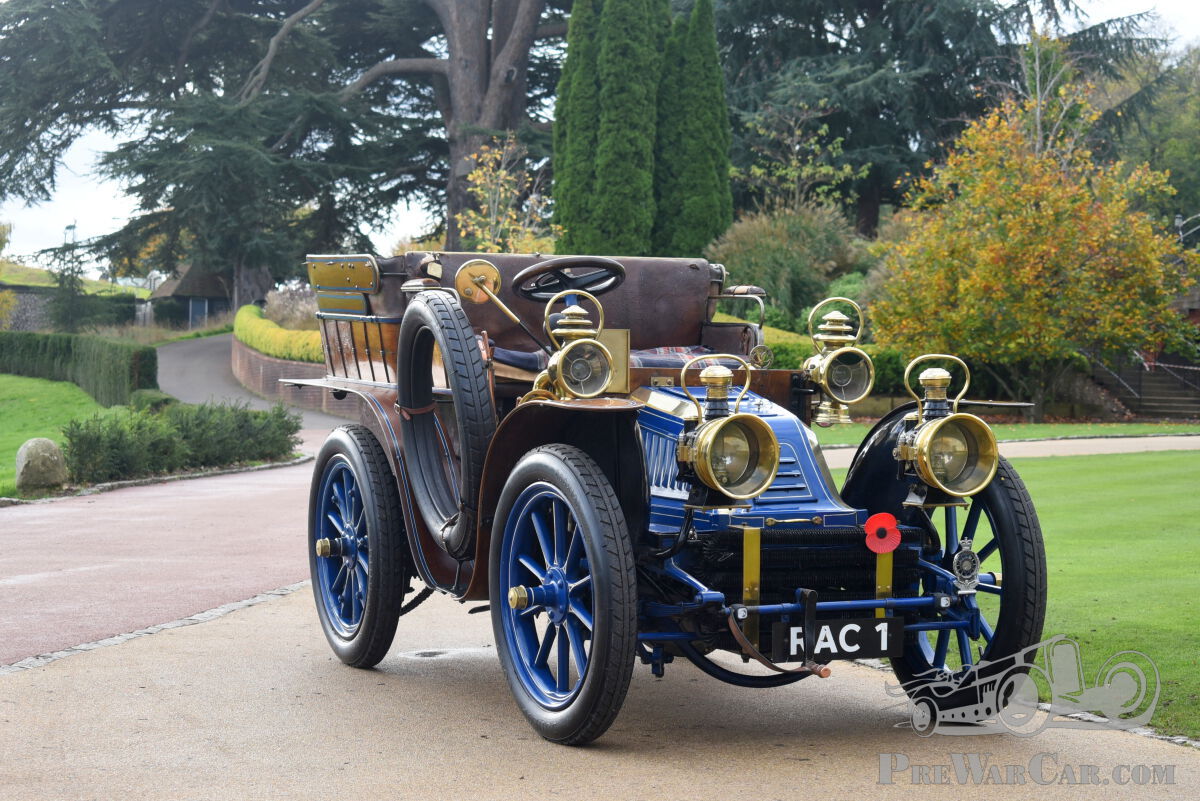





Anyone who's been paying attention to the London to Brighton Veteran Car Run for the last 30-plus years can't have failed to notice a handsome royal blue Mors which has reliably completed most runs in that time.
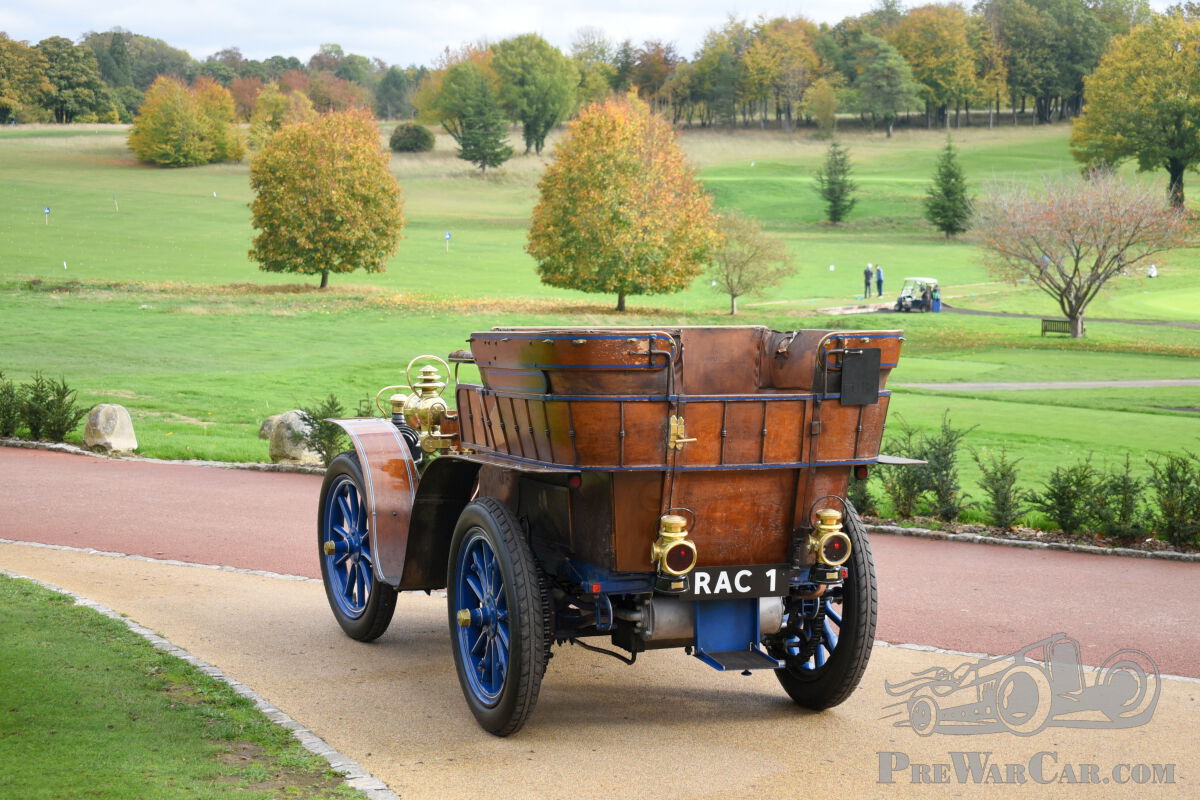
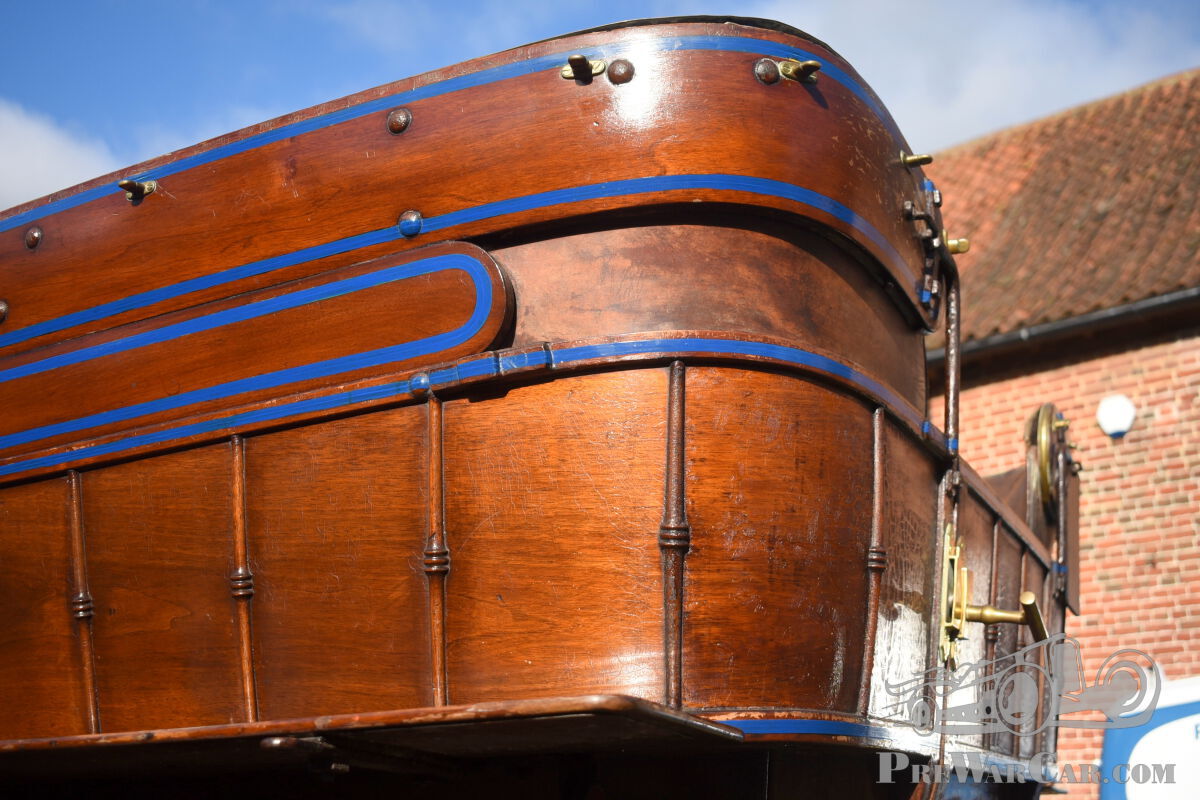
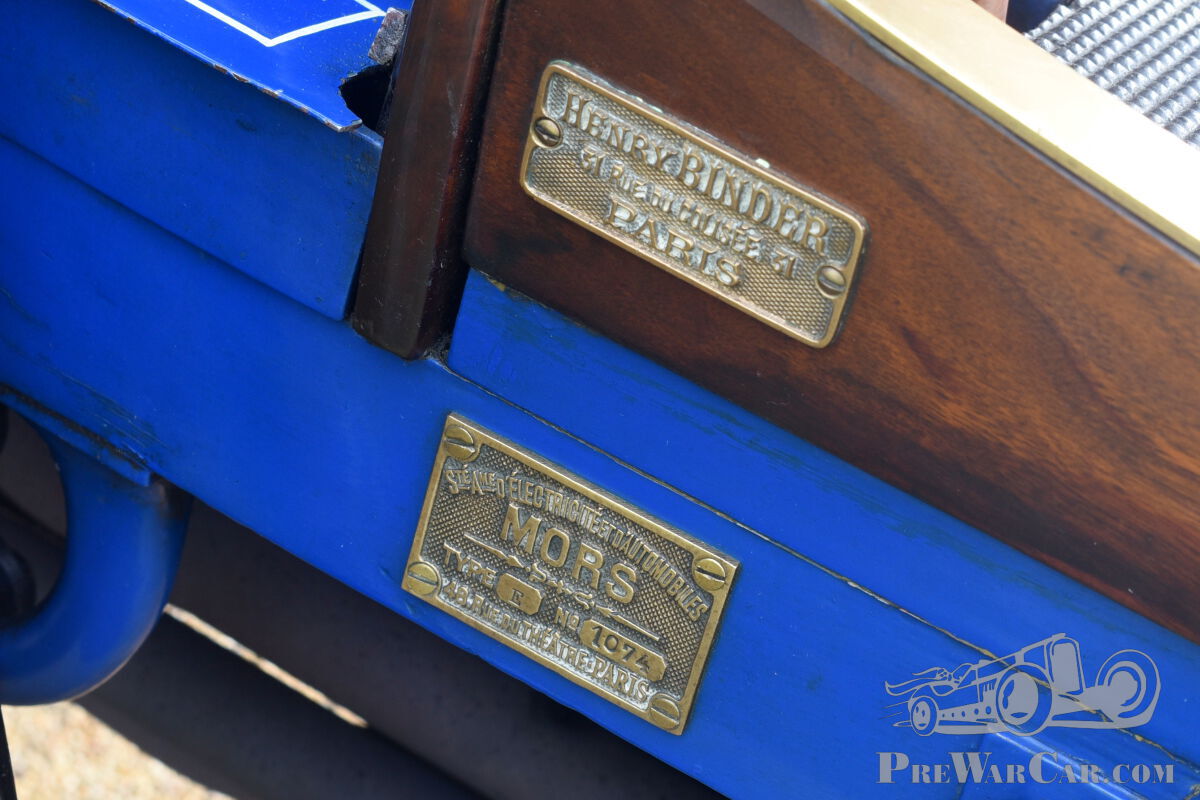
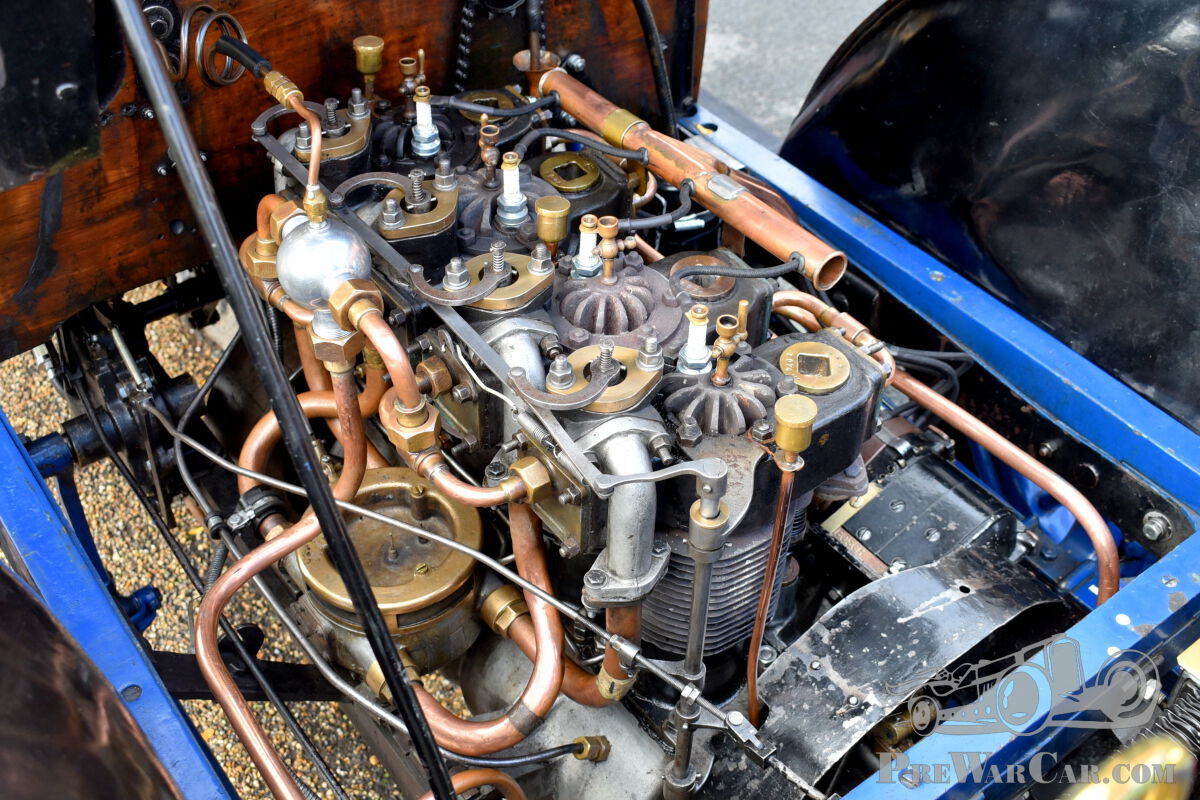
The car in question is a 1901 Mors Type E, with a 10hp four-cylinder engine and beautiful tonneau bodywork by the well-known Parisian coachbuilding firm Henry Binder. Sold new to M. Ruilliard Ferdinand in September 1901, he retained it for the remainder of his life. On his death, it passed to his son, who, in turn, sold it to the Veteran Car Club's Stanley Sears in 1937, it being one of countless Veterans which Sears saved for preservation.
In the 1980s, it was sold by the Sears family to its third owner, the Royal Automobile Club, organiser of the Brighton Run, which retains it to its day. Then painted a jaunty yellow, it has since been appropriately repainted in RAC blue and registered RAC 1.
It now lives in the Club's Motor House, an 18th-century barn on the Woodcote Park estate, and the Club has kindly agreed to take me for a spin. Michael, the heritage mechanic, pours some oil onto the Mors's bearings and then wakes it up with a swing of the starting handle. With a tweak of the hand throttle, it roars for a while until it's warmed up, and smokily burns off some of the old oil which has collected in the sump.
A thrill to drive
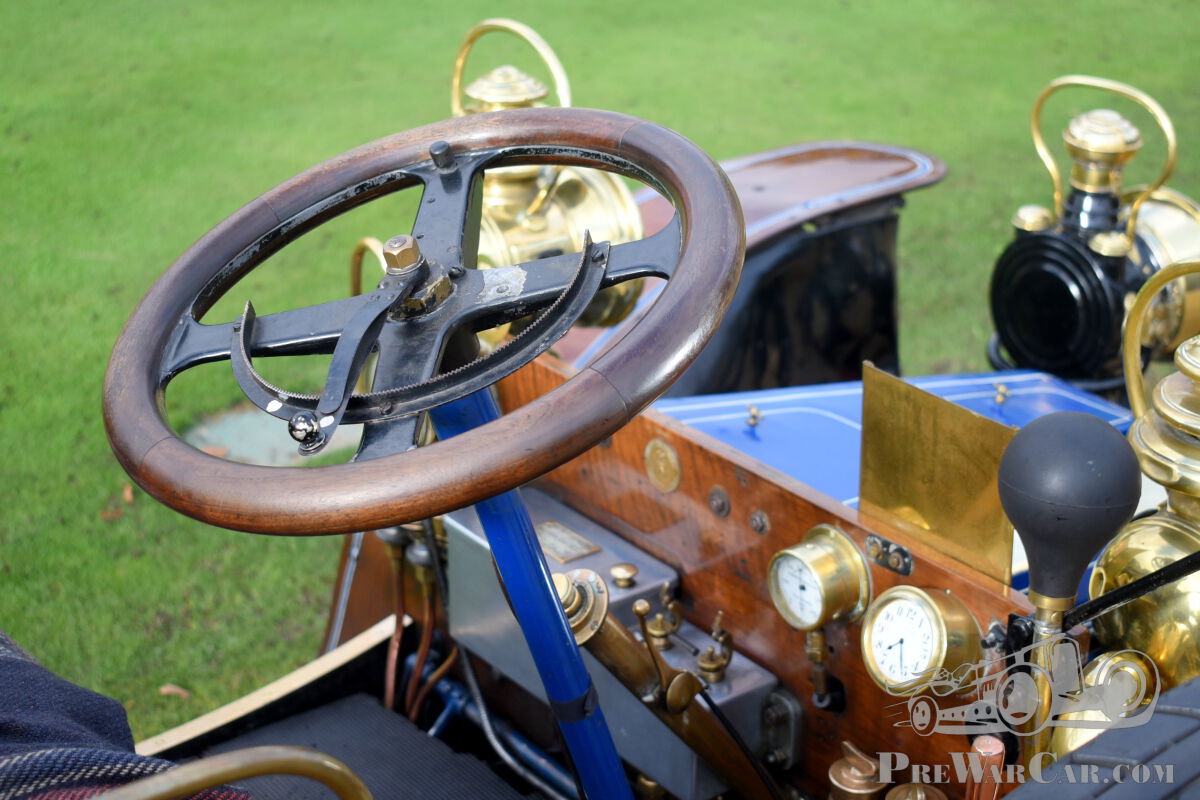
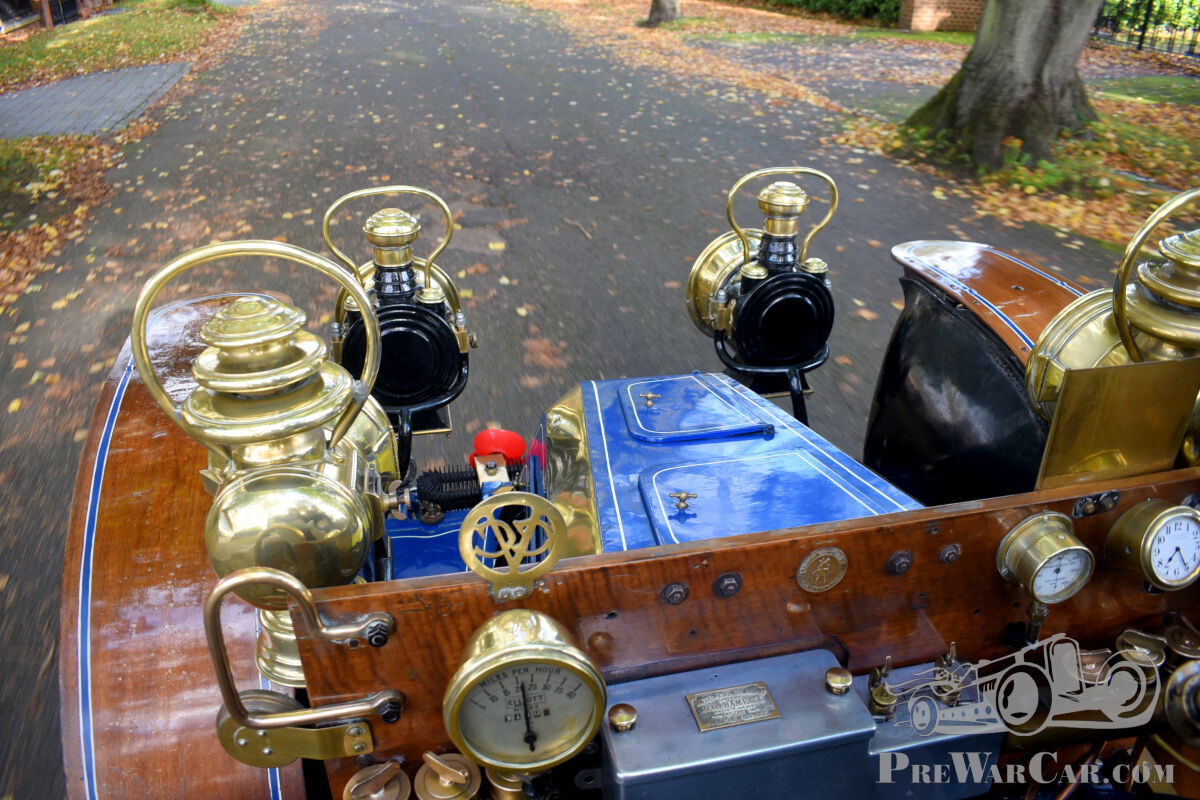
Once we set off, it doesn't hang around. The four-cylinder provides ample power, though the car's stopping power, by way of a transmission brake and wooden contracting bands on the rear wheels, is such that one doesn't want to get carried away with the throttle pedal. The steering is naturally very direct, and the need to attend to that, change gears, tug on the handbrake and periodically adjust the fuel mixture and ignition advance keeps Michael permanently busy.
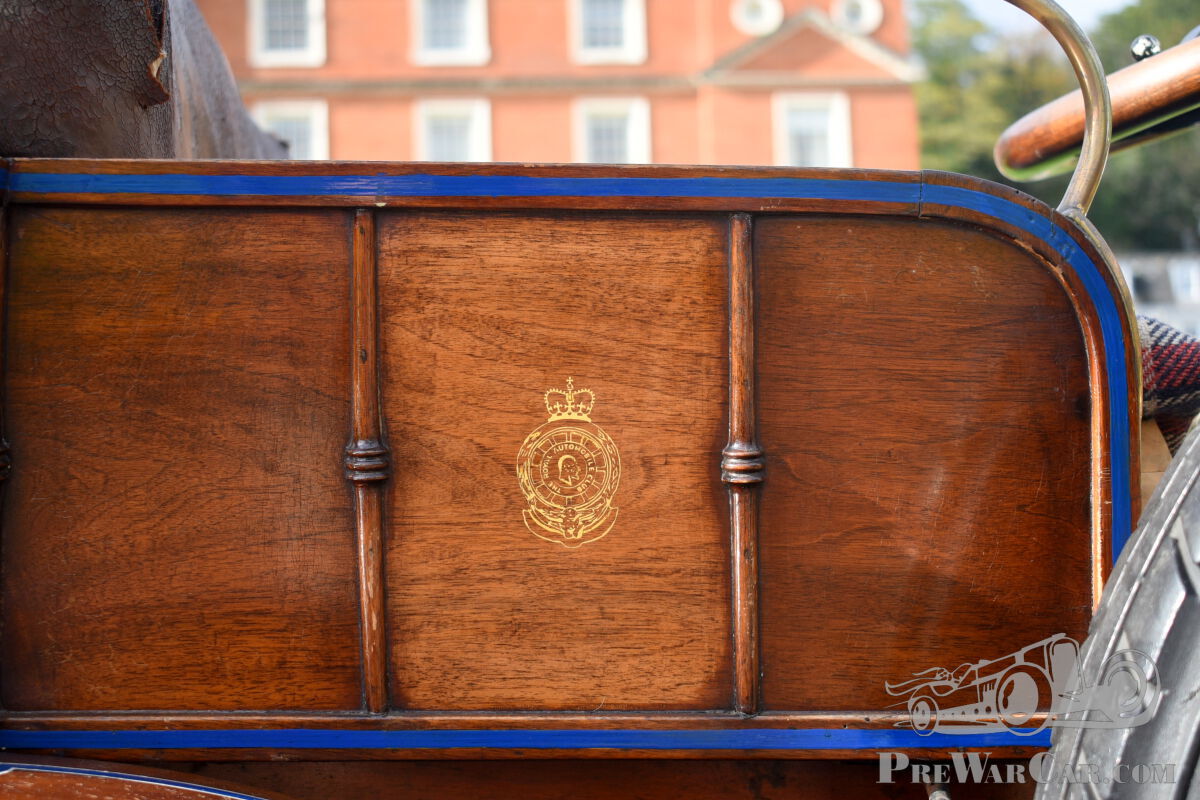
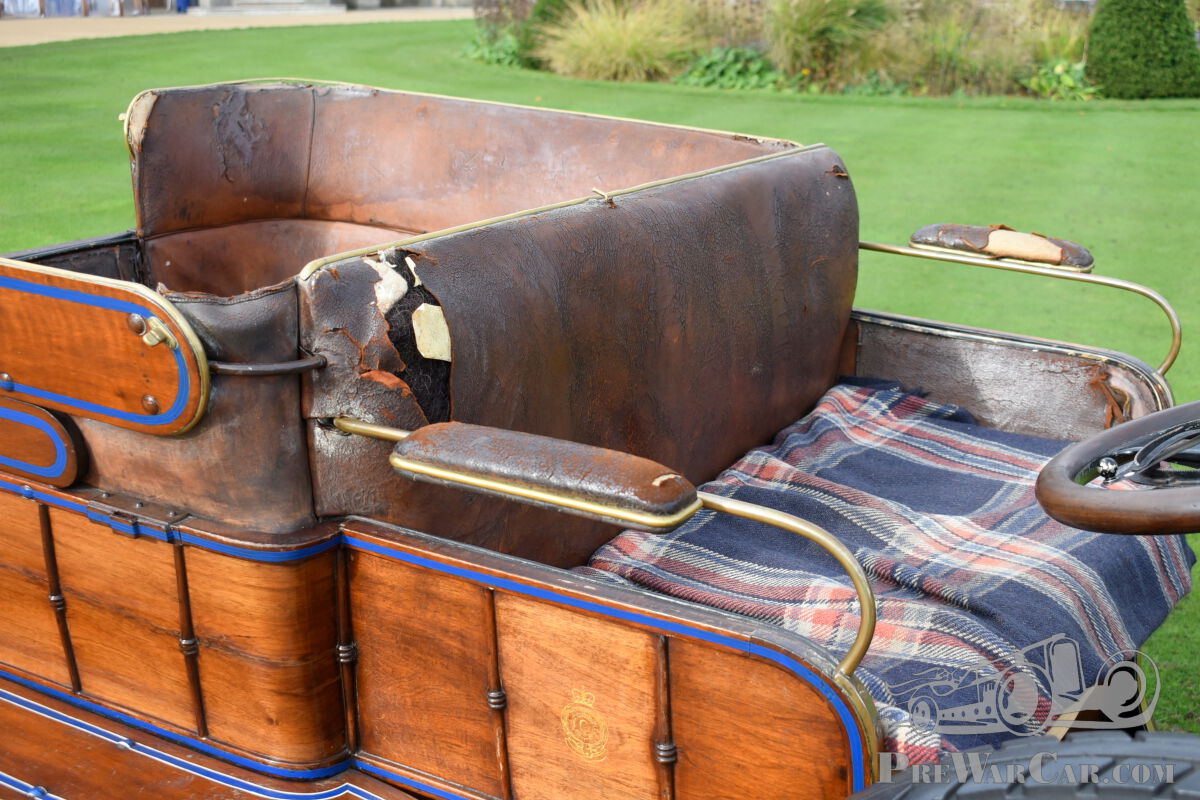
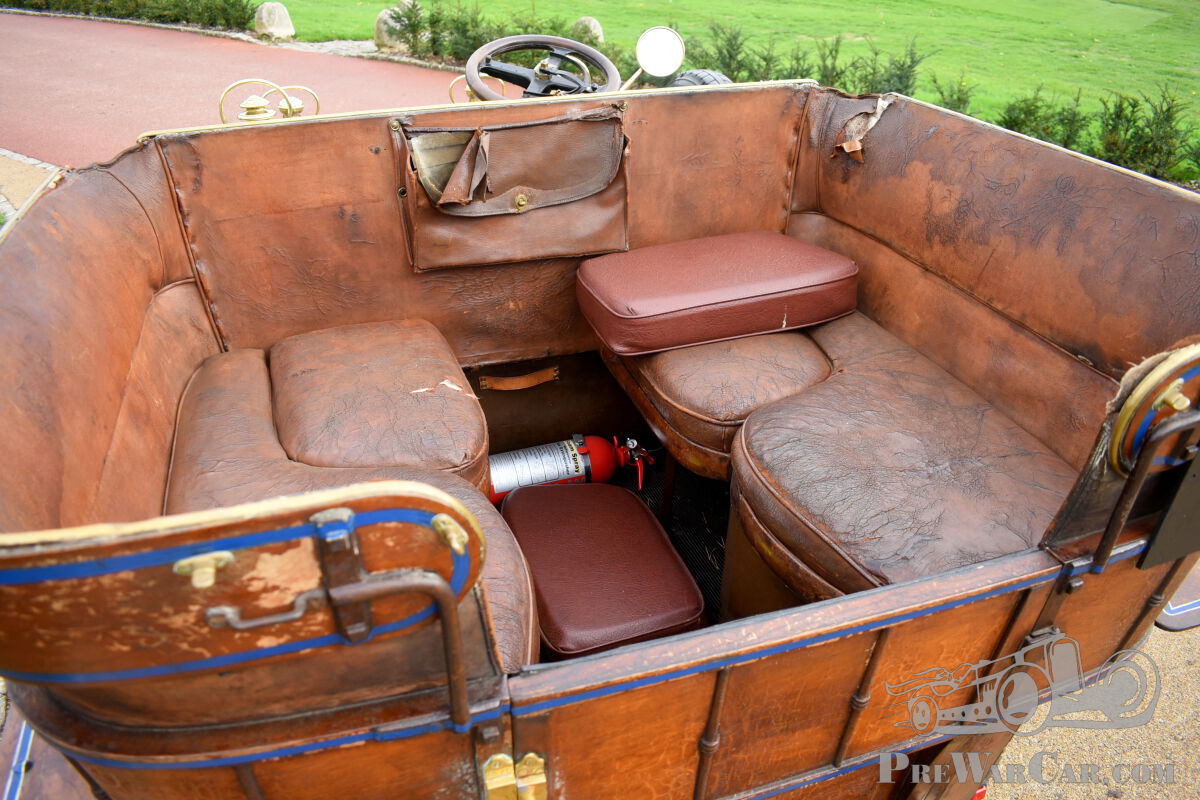
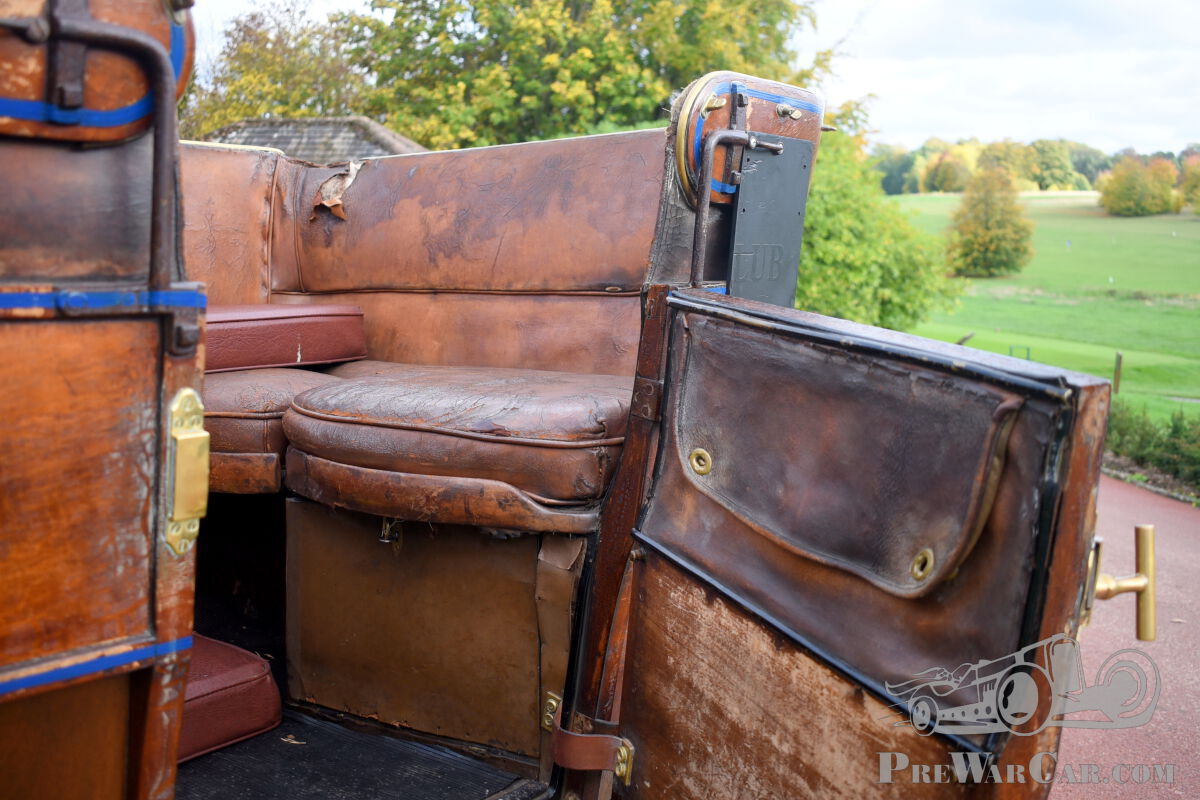
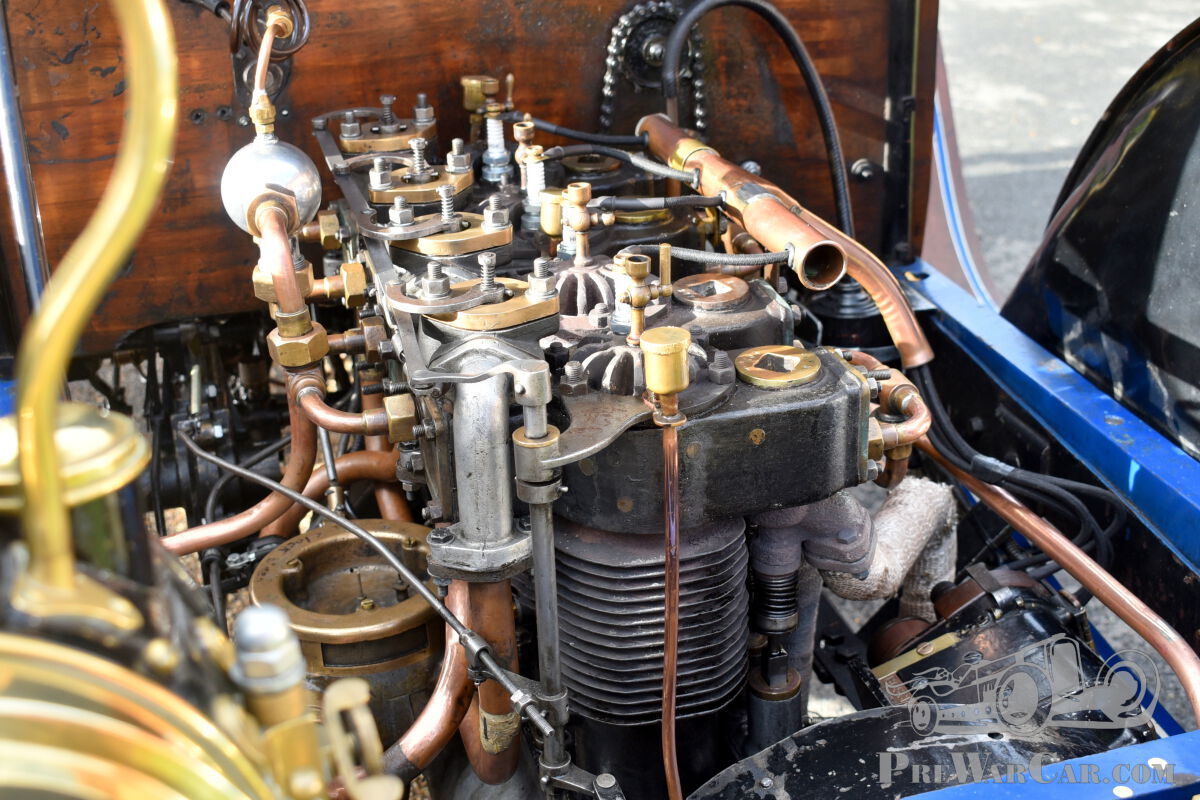
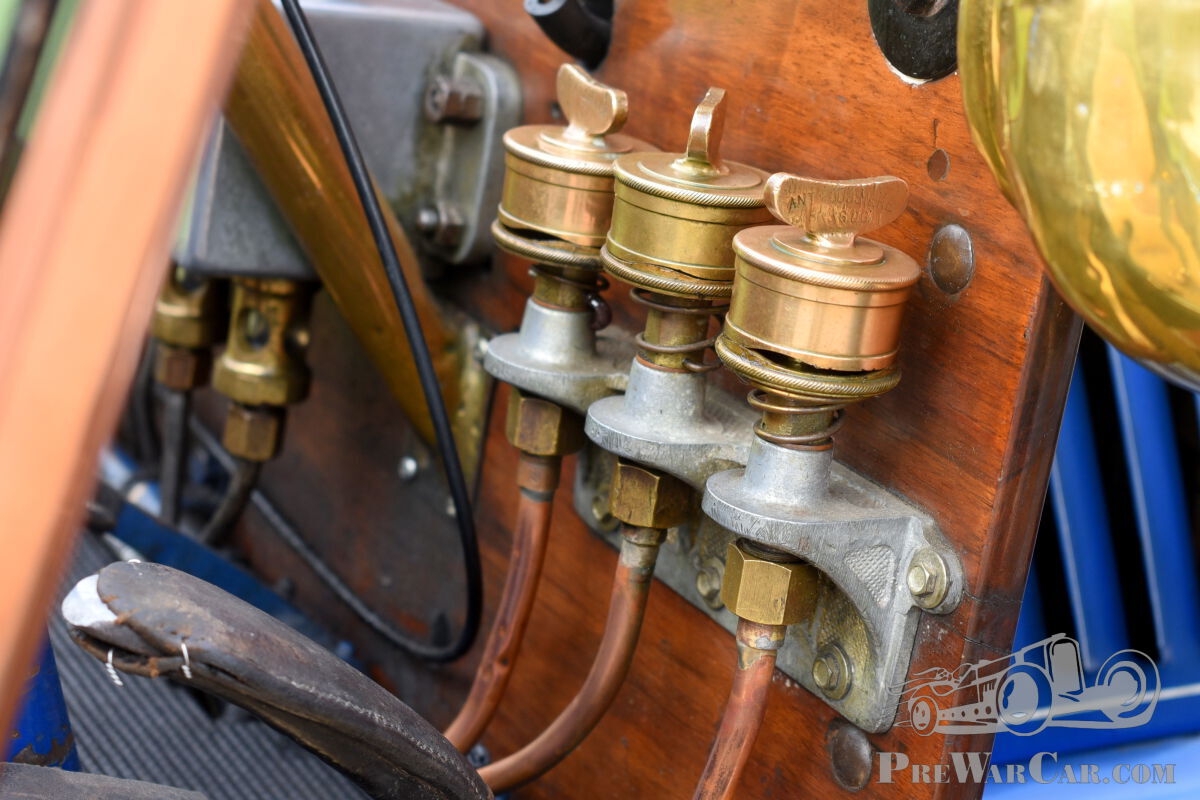
It is a pleasure, though, for those who like a challenge, and when stationary we can step back and really appreciate the Mors's beauty. It may have been repainted, but the patinated woodwork and the well-worn 120-year-old leather lend it a very special texture. As for the engine, it's a delightfully intricate affair, looking much more complex than an equivalent 10hp engine in, say, a De Dion-Bouton. Of course, one expects sophistication from a marque with such racing success as Mors enjoyed. Émile Mors was a great enthusiast for 'the sport', and his products were the main rivals to Panhard-Levassor in motor-racing's formative years.
It is, undeniably, a magnificent machine, but it's just one among 300 pre-1905 cars which will be making the journey to Brighton on 6th November. We're indebted to the Royal Automobile Club for making it happen, so make sure you find a comfortable spot somewhere on the Brighton road, and enjoy the spectacle.
Words and photographs: Zack Stiling
Publiziert:
Mittwoch November 2nd, 2022
Facebook
LinkedIn
Twitter
WhatsApp
Email
Copy
Kommentare
Keith K. Kuehn
04 November 2022, 16:29
Erik.....there is a run like it, much smaller of course, in southern Iowa every September. Called the Red Flag Tour out of Mount Pleasant iowa. I will attest to it being a lot of fun. And I usually always have room for a rider!
Weiter lesen
Ariejan Bos
02 November 2022, 09:05
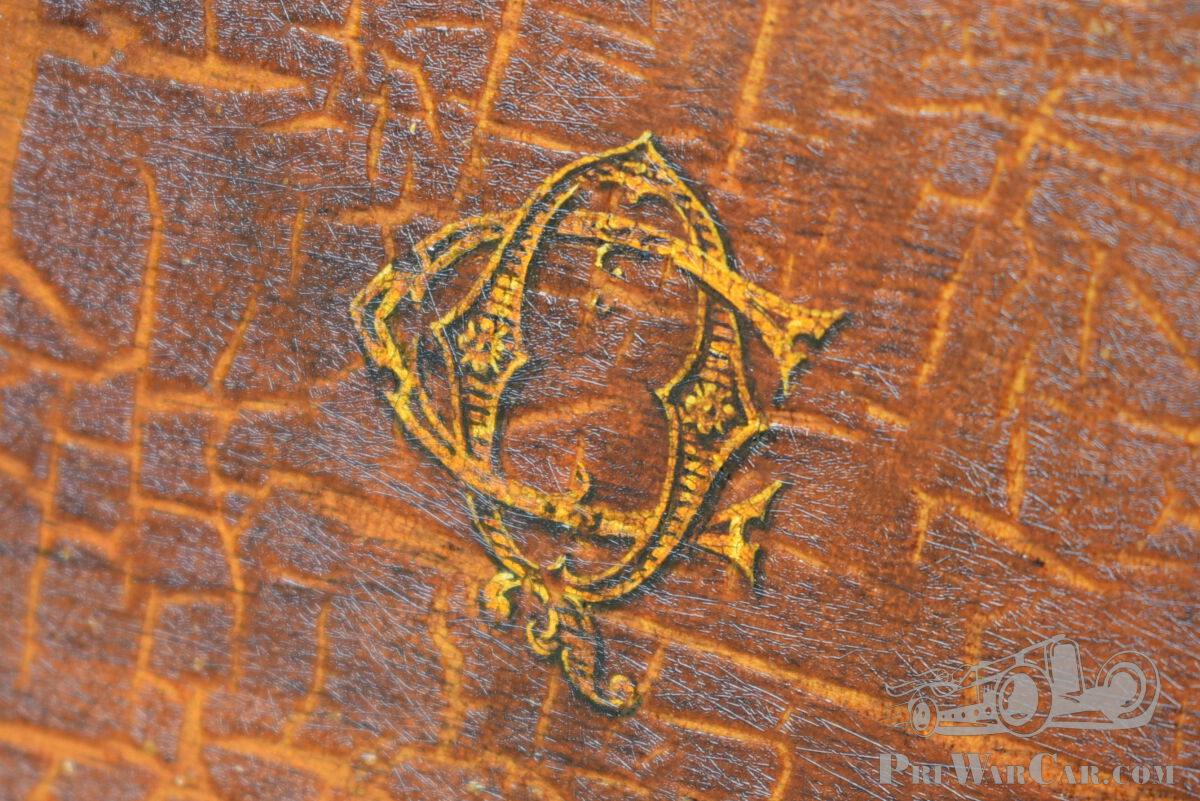
Beautiful car and indeed one of the milestones in car manufacture with a perfectly complete life story! However I seem to miss an explanation for the monogram C.O. (C.Q.? or O.C./Q.C.?) painted on the body.
Weiter lesen
Erik van Hardeveld
02 November 2022, 08:54
Cool! Wonderful, that cars of that age and provenance have been preserved and are still being driven.
Is a similar run (possibly with cars's up to e.g. 1910 or 1915) not also possible?
----------------------------------
Gaaf hoor! Schitterend, dat auto's van die leeftijd en "provenance" bewaard zijn en dat er nog steeds mee gereden wordt.
Is een vergelijkbare run (eventueel met auto's tot bijv. 1910 of 1915) nou ook niet mogelijk?
Weiter lesen
Is a similar run (possibly with cars's up to e.g. 1910 or 1915) not also possible?
----------------------------------
Gaaf hoor! Schitterend, dat auto's van die leeftijd en "provenance" bewaard zijn en dat er nog steeds mee gereden wordt.
Is een vergelijkbare run (eventueel met auto's tot bijv. 1910 of 1915) nou ook niet mogelijk?