Das weltweite Magazin und der Marktplatz für Oldtimer-Enthusiasten – von Enthusiasten.
Das weltweite Magazin und der Marktplatz für Oldtimer-Enthusiasten – von Enthusiasten.


Filter
Auswahl treffen
- Autos
-
Marke >>
-
Baujahr >>
-
-
Kategorie >>
-
Länder >>
- Motorräder
- Teile
-
Automarke >>
-
Hersteller >>
-
Kategorie >>
- Fahrräder
-
Baujahr >>
-
Länder



Motoring Fashions
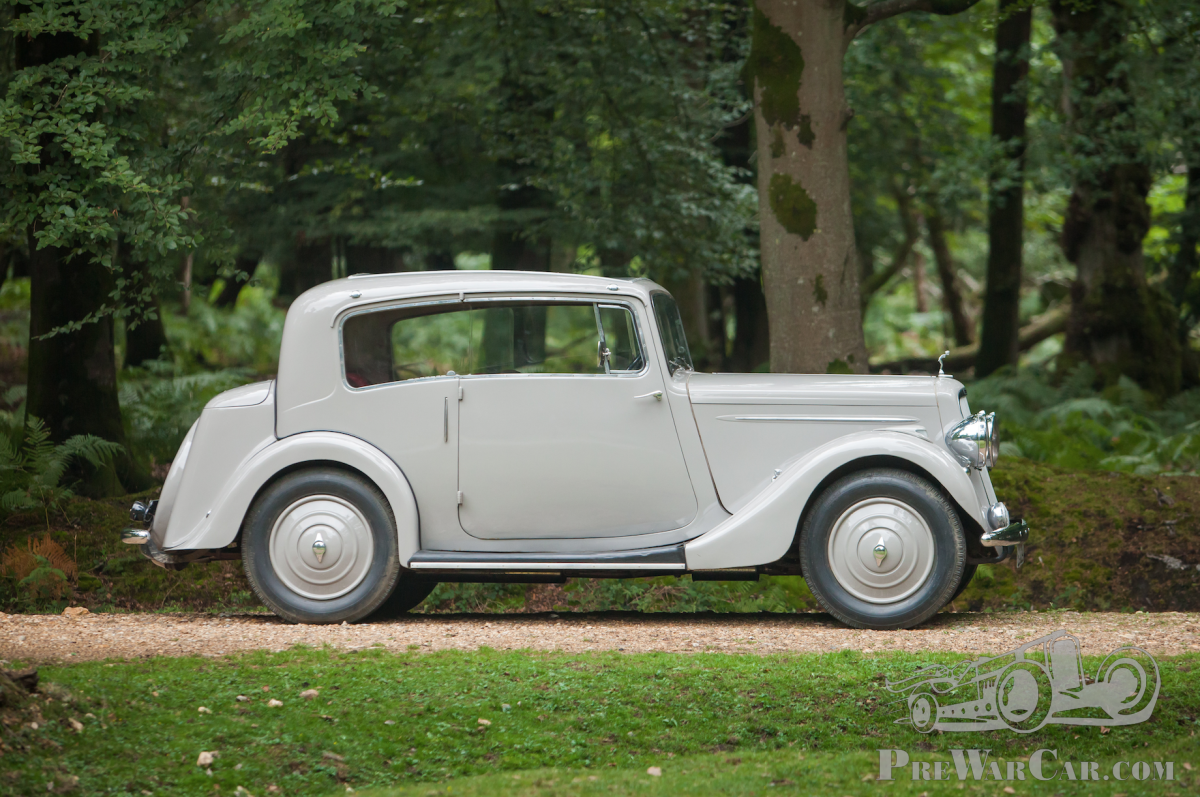
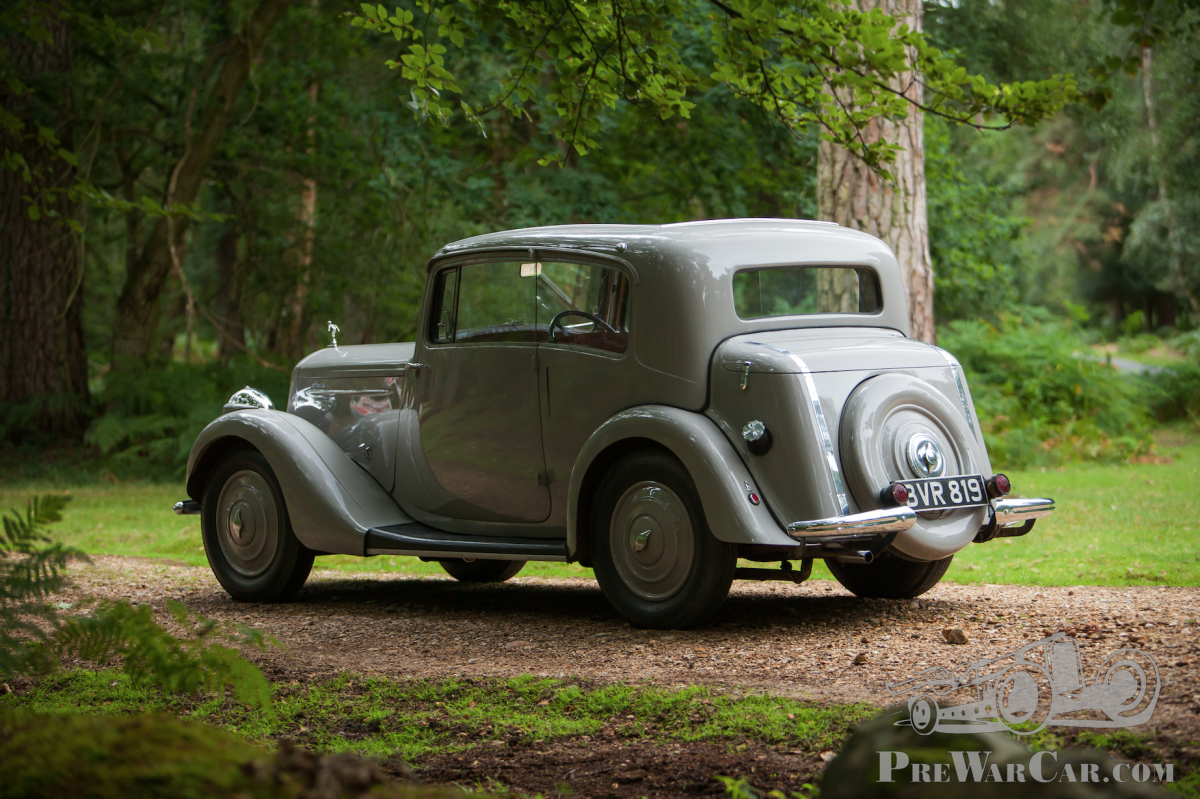


Since the dawn of motoring, cars have been a symbol of status and, as car ownership became more accessible, more affluent buyers naturally wanted to make sure that their cars set them apart from society’s lower ranks. Consequently, by the 1920s, high-end, coachbuilt cars were being heavily influenced by prevailing fashions and, of course, Art Déco design.
With the Vogue of 1933, Humber sought to bring fashionable motoring to a new, more accessible market. Utilising the underpinnings of the stylistically unremarkable Twelve, the Vogue sported factory coachwork in the form of a graceful pillarless sports saloon.
Every aspect of the car alluded to haute couture, from the Vogue name to Humber’s boastful claims that the car was ‘inspired by Captain Molyneux’, a couturier renowned for his work with Hollywood actresses and European royalty. Considering also that the styling borrowed heavily from Letourneur et Marchand’s efforts on Delage chassis, Humber’s aspirations for the car were clear.
Thanks to the Vogue, any mid-market buyer could walk into a Humber showroom and come away with a fashion statement. Being stylish but not too big, it had a particular appeal for women, or as a second car for well-heeled wives and mistresses, which Humber was keen to emphasise.
In a sector of the market where most cars were sold on their mechanical merits, the Vogue went one step beyond. A mid-range car that was also a fashion accessory, and a suitable ladies’ conveyance, its market was perhaps too niche and it never sold in great numbers, so now only a handful are left.
The Automobile magazine reveals more about this rare, original and ambitious car in the October issue, on sale now.
Words by Zack Stiling. Photographs by Stefan Marjoram.
Publiziert:
Freitag Oktober 5th, 2018
Facebook
LinkedIn
Twitter
WhatsApp
Email
Copy