Das weltweite Magazin und der Marktplatz für Oldtimer-Enthusiasten – von Enthusiasten.
Das weltweite Magazin und der Marktplatz für Oldtimer-Enthusiasten – von Enthusiasten.


Filter
Auswahl treffen
- Autos
-
Marke >>
-
Baujahr >>
-
-
Kategorie >>
-
Länder >>
- Motorräder
-
Standort >>
- Teile
-
Automarke >>
-
Hersteller >>
-
Kategorie >>
- Fahrräder
-
Baujahr >>
-
Länder



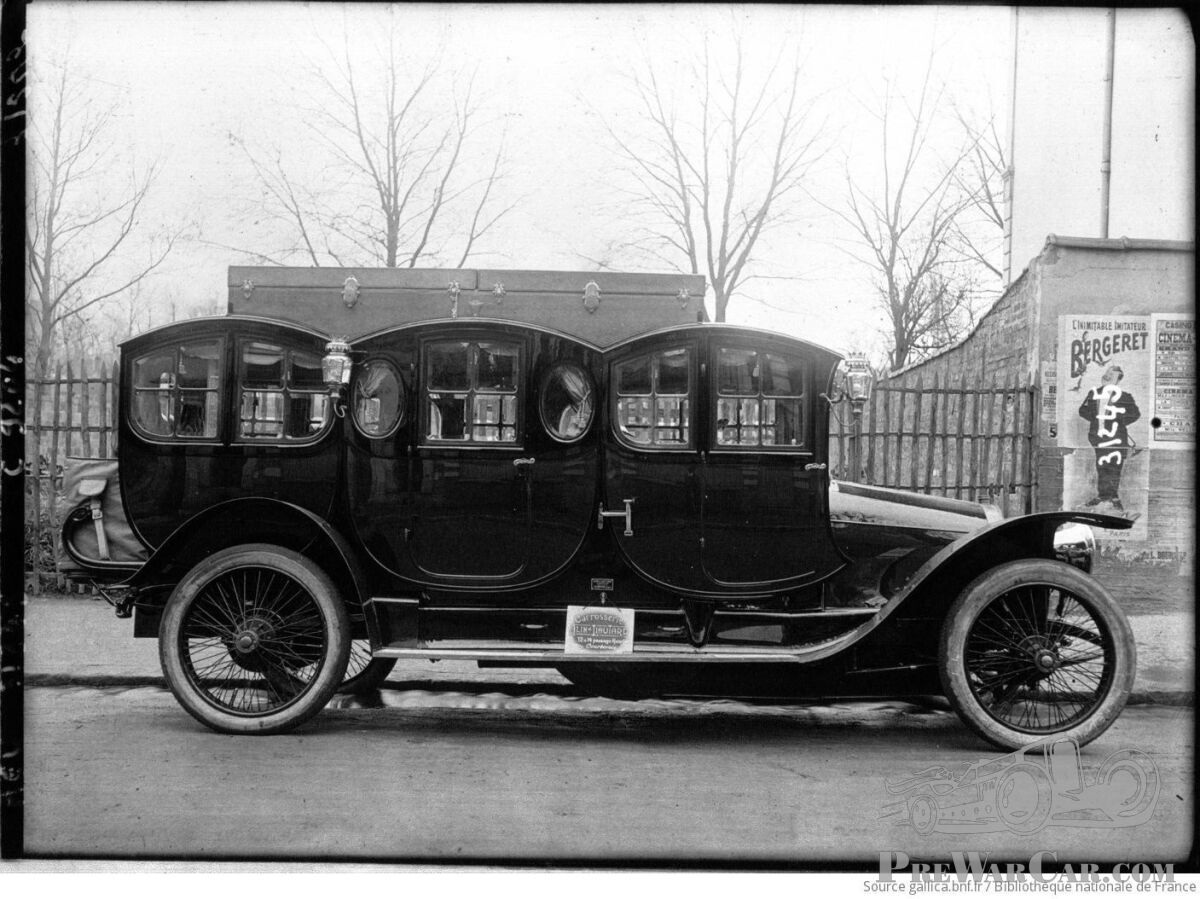
Monte Carlo dans le luxe: conquering snow and ice in a Grégoire double berline
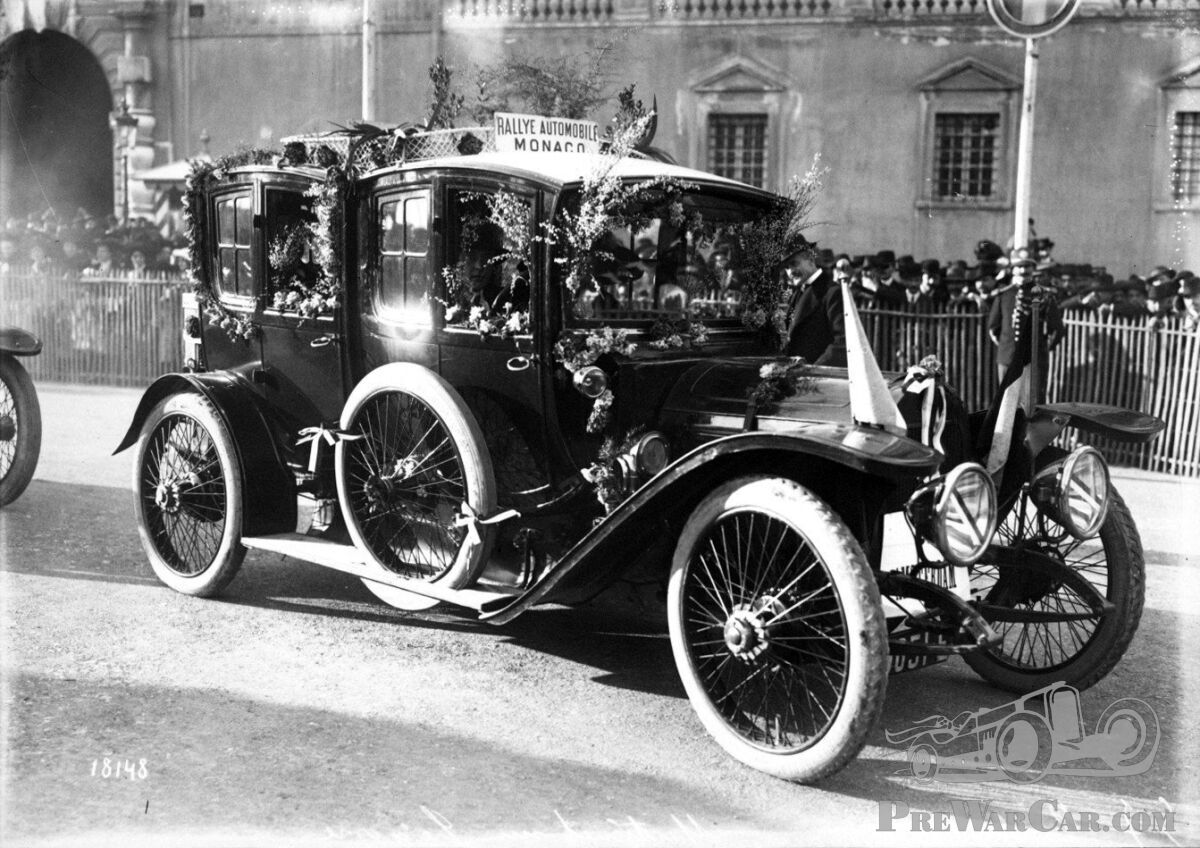


January is Monte Carlo Rally month, as it has been since 1911, when people had a very different notion of what constituted a rally car. Well, the concept of a purpose-built 'rally car' probably hadn't even been thought about at the time, but still the double berline in this great picture looks like it must have been pretty arduous work on the icy mid-winter rally. It is a Grégoire 14/24hp, which participated in the 1912 rally with a double berline body made by the carrossier Alin-Liautard of Courbevoie, no less. This coachbuilder also built a rather amazing ‘triple berline’ Grégoire on a longer wheelbase chassis, plus a similarly styled ‘double’ on a Hispano-Suiza chassis for King Alfonso XIII of Spain.
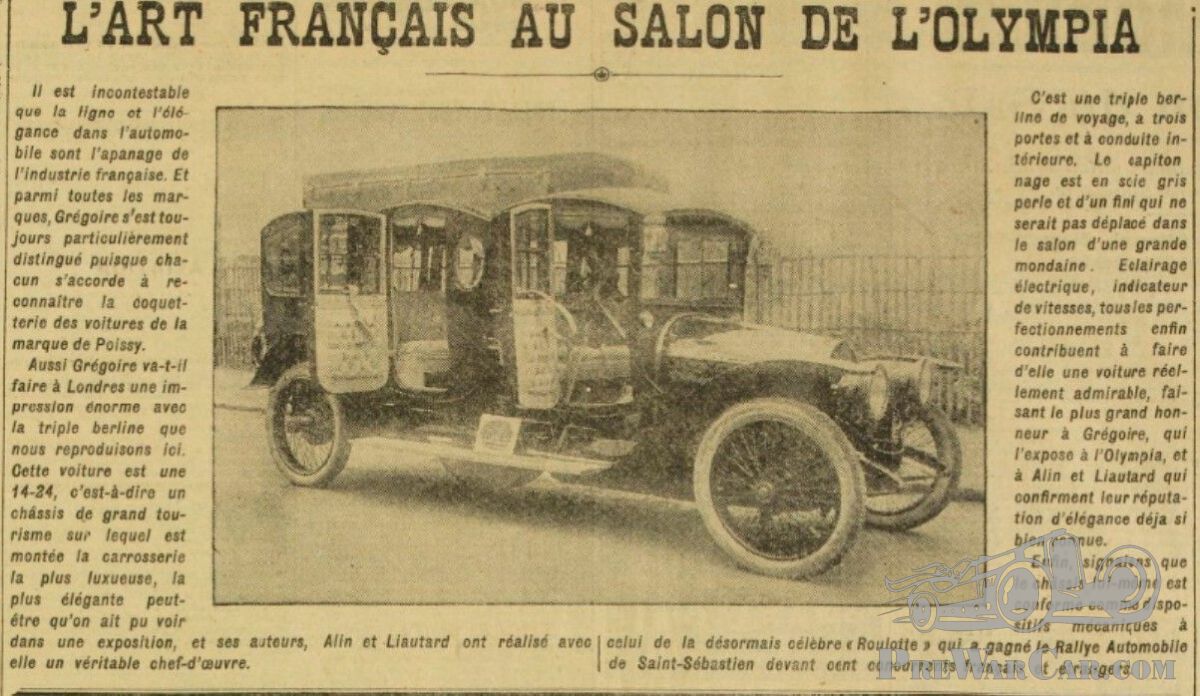
We found a second picture of what has to be the same car, now on display at the 1911 Paris Motor Show. It was on the Grégoire stand there, but proudly shows the Alin-Liautard sign on the running board, plus a sign hanging on the door. The picture is just sharp enough to zoom in on it, revealing the name of the man who commissioned it: M. Martinet. He is listed in the 1912 Monte Carlo Rally entry list, finishing 26th overall out of 35 cars, which seems like an achievement for the big berline to us. Most of these were flagged off in Paris and we expect to be M. Martinet among these, but there were several other starting locations, too.
One of them was Saint Petersburg! Monsieur André Nagel started there in an open Russo-Balt, clocking up well over 2,000 miles on the way to Monaco in the middle of winter. Compared to that, Paris to Monte Carlo in Martinet’s luxury motor looks simple! Nagel wrote down his memories later, from which we learn that he had to drive the first leg of his journey towed behind a tractor, followed by another 55 miles during which he was unable to change up to second gear. From one report: “He stopped every two hours to eat and sleep, changed oil every 500 kilometres [310 miles] after thawing it over the fire, and slept with the dynamo in his clothes to prevent it from freezing. He sent two telegrams to the organization during the trip: the first from the city of Pskov, 280kms [174 miles] from Saint Petersburg, which said: “I will arrive if the wolves don't eat us on the way and we don't freeze alive.” Different times…
Words: Jeroen Booij; pictures: Bibliothèque Nationale de France
Publiziert:
Donnerstag Januar 25th, 2024
Facebook
LinkedIn
Twitter
WhatsApp
Email
Copy
Kommentare
Laurent Zoller
05 Februar 2024, 16:16
Henri Delgoffe
04 Februar 2024, 23:11
In the early years of the Monte Carlo Rally (1911, the first event), there was a classification based on the number of people carried. Then a handicap per passenger was awarded. There was also a comfort competition. In 1932, Meyer even hired a Panhard coach with nine passengers. In 1936, a Minerva coach with seven litres of displacement was entered by Tiel, a Dutchman) with 14 passengers, finishing 71st and second to last.
‐-----------
dans les premières années d'organisation du rallye de Monte Carlo(1911 la première édition), il existait un classement au nombre de personnes transportées. Ensuite un handicap par passagers a été accordé. Il existait aussi un concour de confort. En 1932 Meyer engagea même un autocar Panhard, il y avait 9 passagers. En 1936, c'est un car Minerva de 7 litres de cylindrée qui est engagé par Tiel'un hollandais) avec 14 passagers, l terminera 71 ième et avant dernier.
Weiter lesen
‐-----------
dans les premières années d'organisation du rallye de Monte Carlo(1911 la première édition), il existait un classement au nombre de personnes transportées. Ensuite un handicap par passagers a été accordé. Il existait aussi un concour de confort. En 1932 Meyer engagea même un autocar Panhard, il y avait 9 passagers. En 1936, c'est un car Minerva de 7 litres de cylindrée qui est engagé par Tiel'un hollandais) avec 14 passagers, l terminera 71 ième et avant dernier.


Laurent Zoller
25 Januar 2024, 15:20
Hello,
Les carrosseries sont vraiment très belles.
je possède des photos de Nagel en Russie !!!!!!la neige est partout.
Le véhicule de Martinet que l'on voit en photo à l'arrivée du rallye de Monte Carlo n'est pas parti de Paris, mais d'Amsterdam.
Il y a eu des départs de: Berlin ; Amsterdam ; Saint Pétersbourg ; Vienne (Autriche) ; Le Havre ; Paris ; Genève ; Boulogne sur mer et Bruxelles
Les triple berlines ont été présentées au salon de Londres et Paris en 1912.
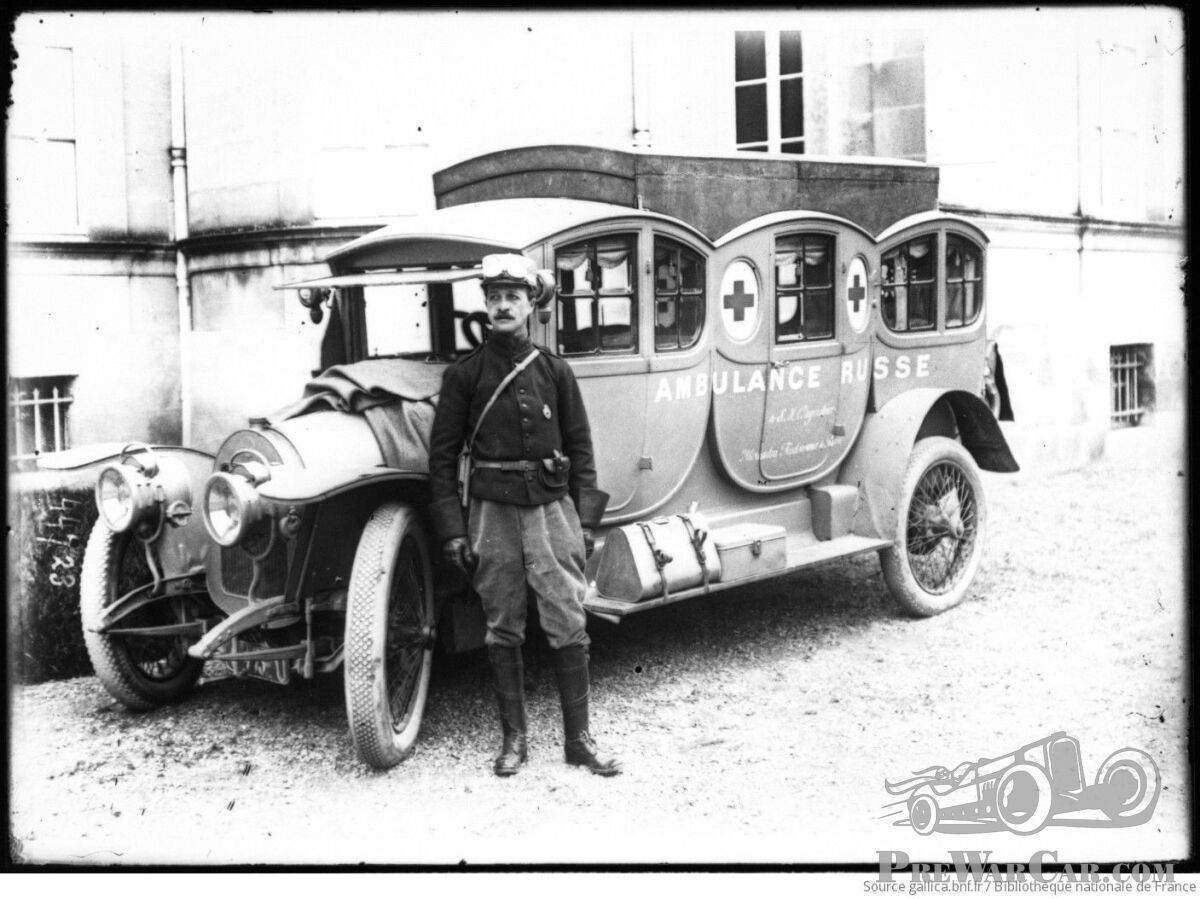
Une triple berline "ambulance" a été offerte par l'impératrice Alexandra Feodorowna de Russie
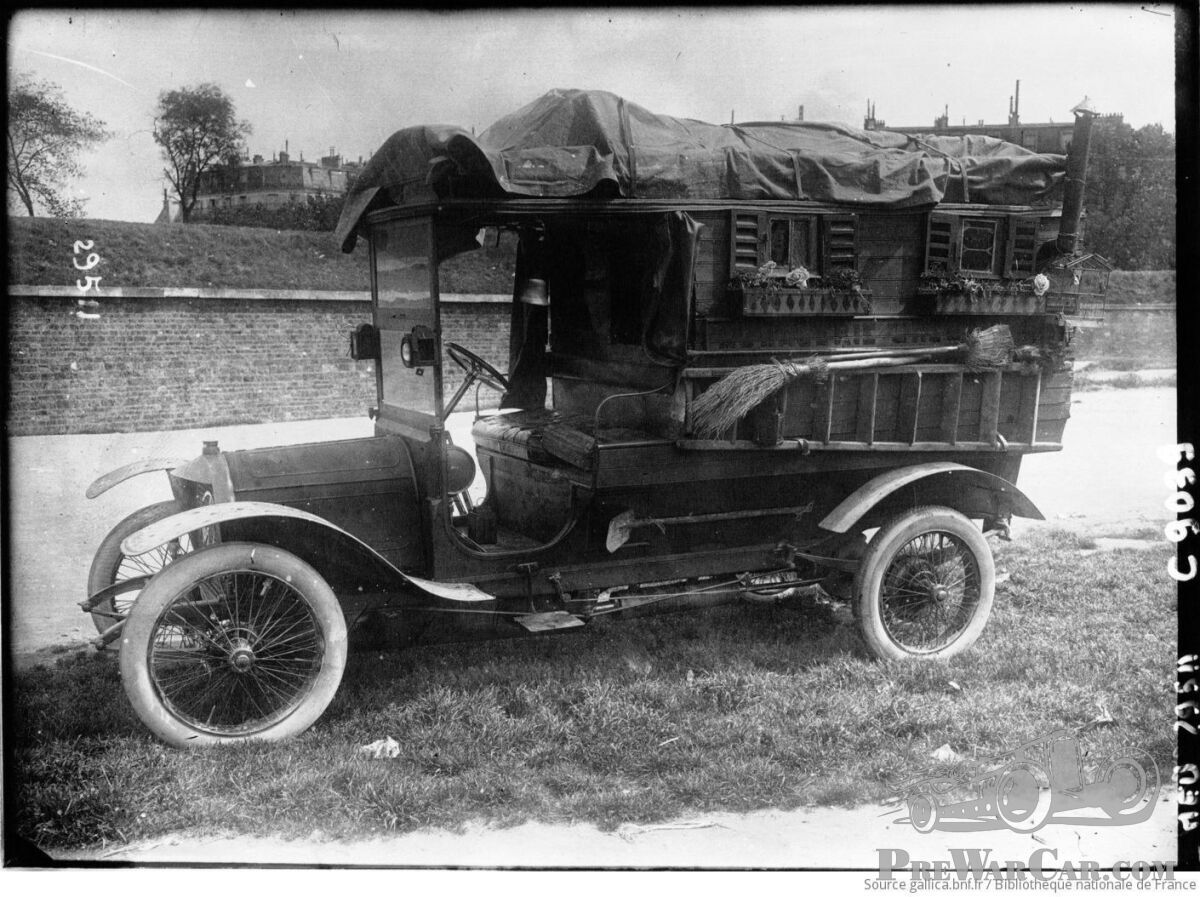
En 1912 Grégoire a participé également au Rallye Posen -San Sebastian avec un véhicule dit "la roulotte"
Ce véhicule possédait le même châssis que la triple berline.
( 3 photos gallica) (ma photo de Londres est mauvaise)
-------------------------------------------------------------
The body is really very beautiful.
I have photos of Nagel in Russia! The snow is everywhere.
The Martinet vehicle that we see in the photograph at the finish of the Monte Carlo Rally did not leave from Paris, but from Amsterdam.
There were departures from: Berlin; Amsterdam; Saint Petersburg; Vienna; Le Havre; Paris; Geneva; Boulogne-sur-Mer and Brussels.
The triple berlines were presented at the London and Paris Motor Shows in 1912. A triple 'ambulance' berline was gifted by Empress Alexandra Feodorowna of Russia. In 1912 Grégoire also participated in the Posen-San Sebastián Rally with a vehicle called 'the roulotte'. This vehicle had the same chassis as the triple berline.
(Three Gallica photos. My photo of London is bad.)
Laurent Zoller
Weiter lesen
Les carrosseries sont vraiment très belles.
je possède des photos de Nagel en Russie !!!!!!la neige est partout.
Le véhicule de Martinet que l'on voit en photo à l'arrivée du rallye de Monte Carlo n'est pas parti de Paris, mais d'Amsterdam.
Il y a eu des départs de: Berlin ; Amsterdam ; Saint Pétersbourg ; Vienne (Autriche) ; Le Havre ; Paris ; Genève ; Boulogne sur mer et Bruxelles
Les triple berlines ont été présentées au salon de Londres et Paris en 1912.
Une triple berline "ambulance" a été offerte par l'impératrice Alexandra Feodorowna de Russie
En 1912 Grégoire a participé également au Rallye Posen -San Sebastian avec un véhicule dit "la roulotte"
Ce véhicule possédait le même châssis que la triple berline.
( 3 photos gallica) (ma photo de Londres est mauvaise)
-------------------------------------------------------------
The body is really very beautiful.
I have photos of Nagel in Russia! The snow is everywhere.
The Martinet vehicle that we see in the photograph at the finish of the Monte Carlo Rally did not leave from Paris, but from Amsterdam.
There were departures from: Berlin; Amsterdam; Saint Petersburg; Vienna; Le Havre; Paris; Geneva; Boulogne-sur-Mer and Brussels.
The triple berlines were presented at the London and Paris Motor Shows in 1912. A triple 'ambulance' berline was gifted by Empress Alexandra Feodorowna of Russia. In 1912 Grégoire also participated in the Posen-San Sebastián Rally with a vehicle called 'the roulotte'. This vehicle had the same chassis as the triple berline.
(Three Gallica photos. My photo of London is bad.)
Laurent Zoller
MERCI pour cette information.
Le règlement devait être semblable pour le rallye Posen San Sebastian en 1912 car " la roulotte" Grégoire avait 11 passagers.
----------------------------------------------------------
Thank you for this information.
The regulations were to be similar for the Posen-San Sebastián Rally in 1912 because the 'trailer' Grégoire had 11 passengers.
Laurent Zoller