Das weltweite Magazin und der Marktplatz für Oldtimer-Enthusiasten – von Enthusiasten.
Das weltweite Magazin und der Marktplatz für Oldtimer-Enthusiasten – von Enthusiasten.


Filter
Auswahl treffen
- Autos
-
Marke >>
-
Baujahr >>
-
-
Kategorie >>
-
Länder >>
- Motorräder
-
Standort >>
- Teile
-
Automarke >>
-
Hersteller >>
-
Kategorie >>
- Fahrräder
-
Baujahr >>
-
Länder



Monsieur Arzens's electric Easter egg
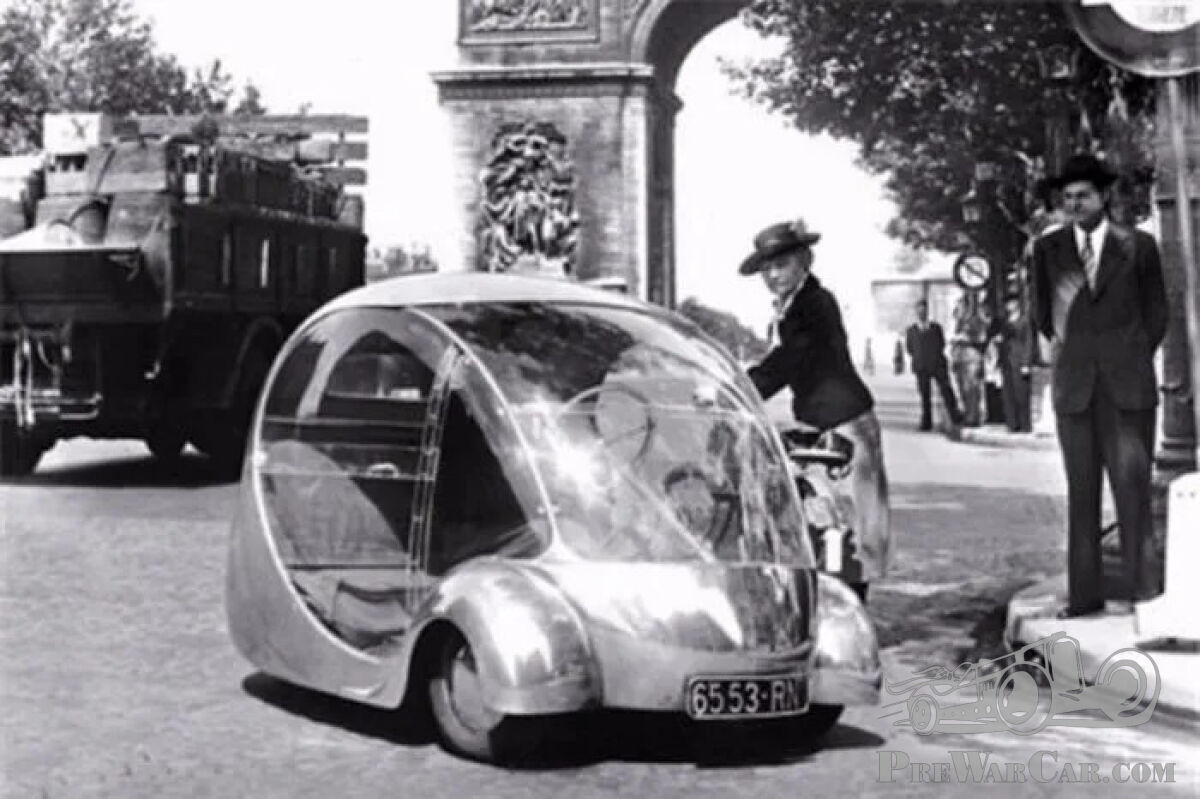
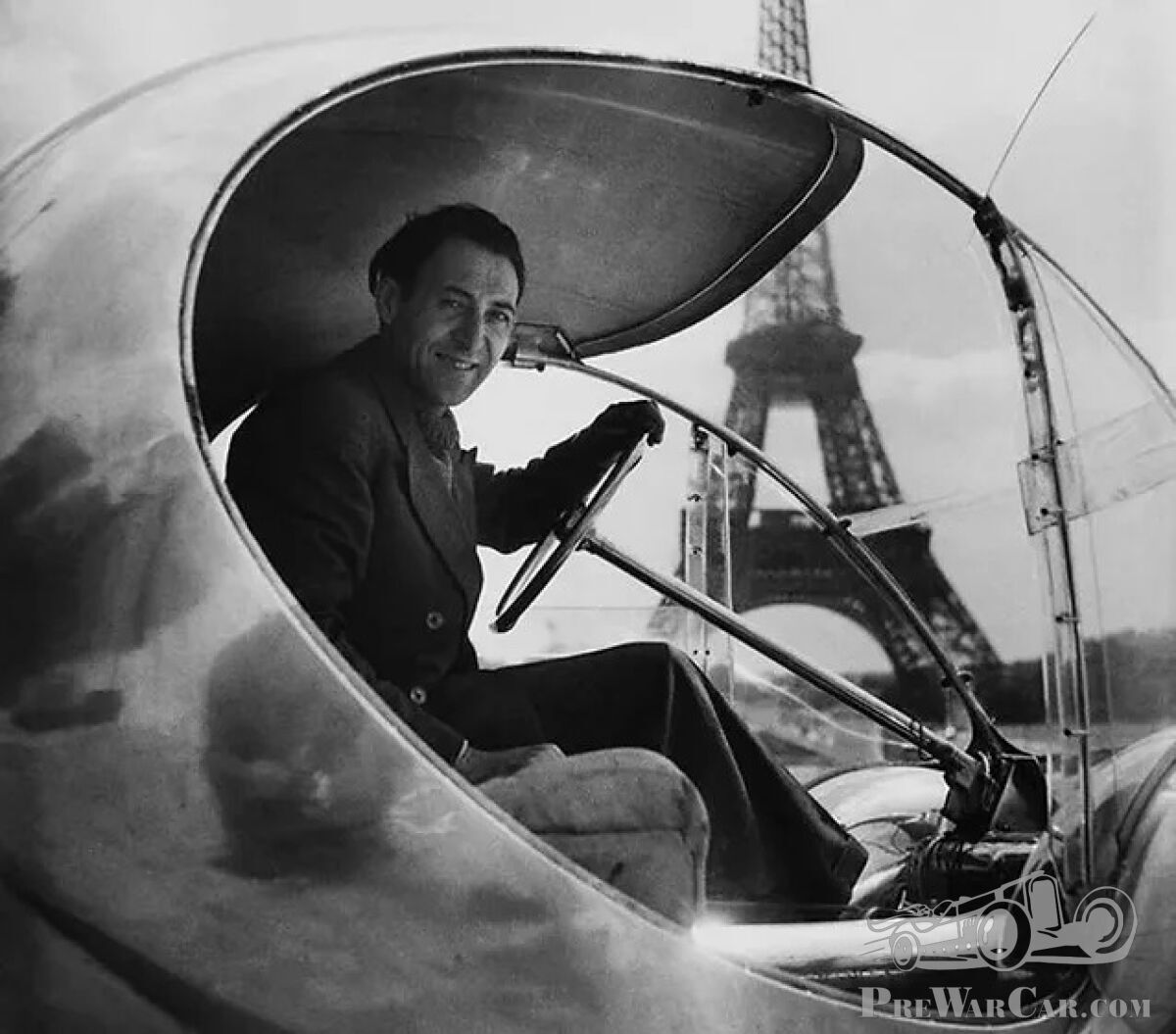
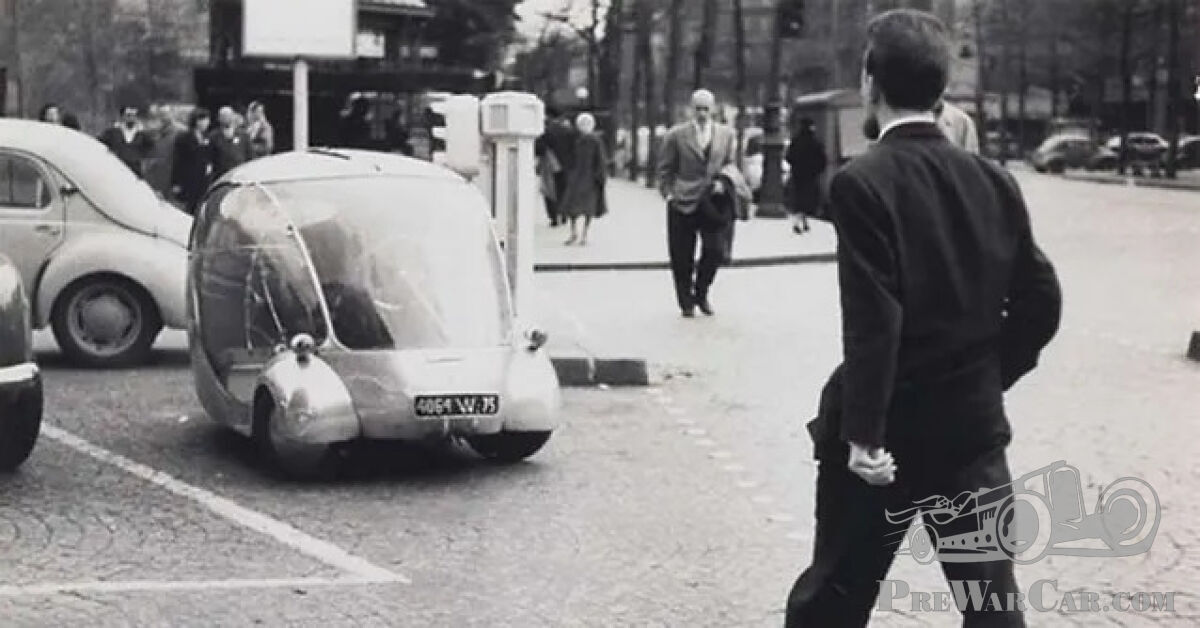
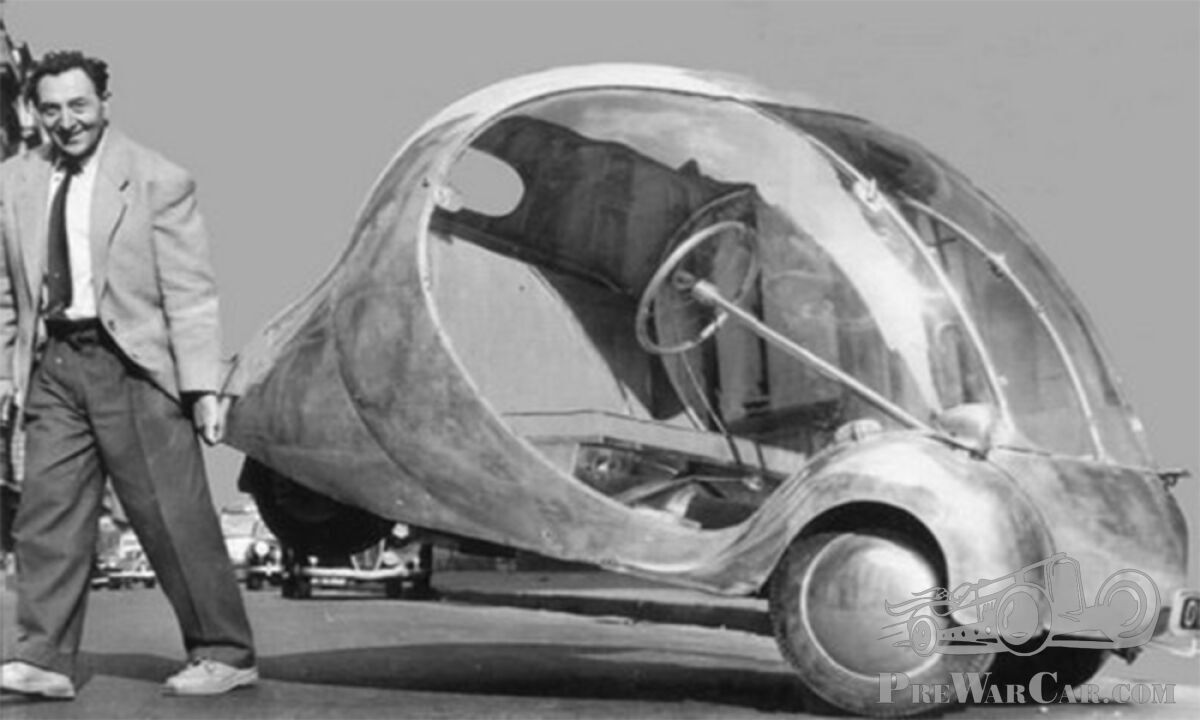
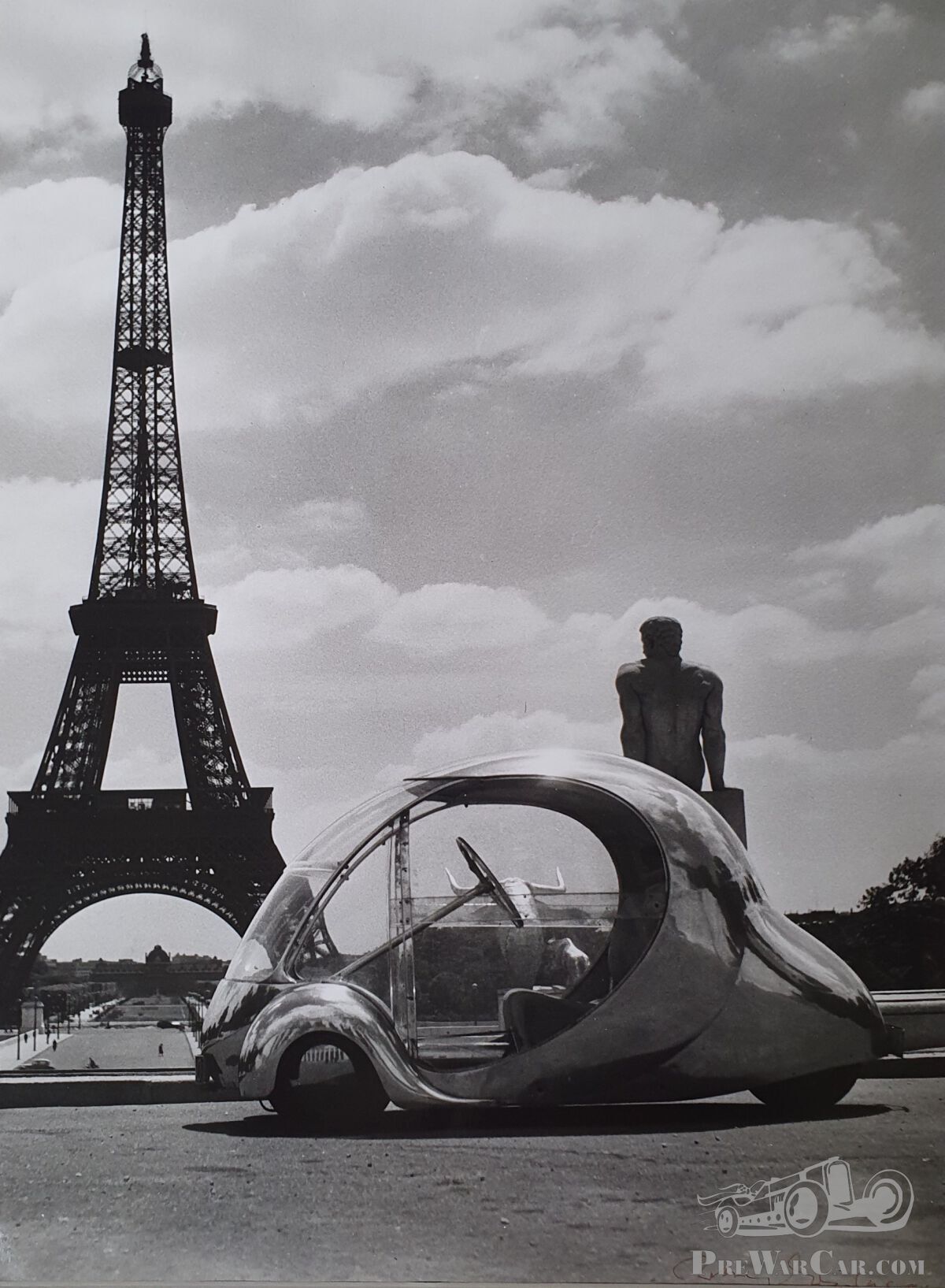


If you're like most people, you're probably looking forward to receiving some chocolate eggs this Easter. Of course, we'd very much like to give one to all our readers but it's logistically impossible, so we hope you'll settle for an electric egg instead.
L'Œuf électrique was the name of a near-spherical, Plexiglass-and-aluminium microcar built in France in 1942. One may well ask which brilliant but eccentric engineer could have contrived such a thing. Ettore Bugatti? Gabriel Voisin? They were both invested in their own microcar projects in the 1940s but, in fact, the L'Œuf électrique was the brainchild not of a commercial car-maker but of industrial designer Paul Arzens.
Considering L'Œuf would still have looked futuristic in the 1960s, and would look very modern today if it was made of cheap plastics, it may be surprising to learn that Arzens's concept dated back to 1938, but it was only once the war was raging that he made the car a reality. This wasn't as strange as it seems; the war caused severe petrol shortages, so the advantages of an efficient and practical electric car, if one could be created, were obvious to Arzens.
If only production had been viable, it would have made a wonderful runabout for the occupied French. With a range of just over 60 miles and a top speed of around 40mph, few people would have preferred it to their Citroëns, Renaults and Peugeots, but under petrol rationing no one was in any position to complain about it. It worked primarily because it was so light - the body weighed only 60kg and the electric motor another 30kg, although the five 12-volt batteries pushed it up to a total of 350kg.
Arzens understood the shortcomings of electric power, and after the war he swapped the motor for a 125cc Peugeot single-cylinder engine, which gave L'Œuf an extra 10mph.
Today, L'Œuf électrique is further evidence that some of our present problems can be solved simply be looking into the past. If we are to take seriously the claims that only electric cars can save us from certain doom, L'Œuf ought to become a production reality this second - it must be vastly more efficient than any bloated electric SUV. We'd be more than happy to have one as an urban runabout.
For those who'd like to examine L'Œuf more closely, it survives today, owned by the Musées des Arts et Métiers in Paris, but on display at the Schlumpf Collection in Mulhouse, where it sits alongside Arzens's 1937 Buick streamliner, La Baleine.
Have a happy Easter, and don't forget to book that flight to Mulhouse...
Fifth picture: Robert Doisneau, 1980
Publiziert:
Freitag April 7th, 2023
Facebook
LinkedIn
Twitter
WhatsApp
Email
Copy
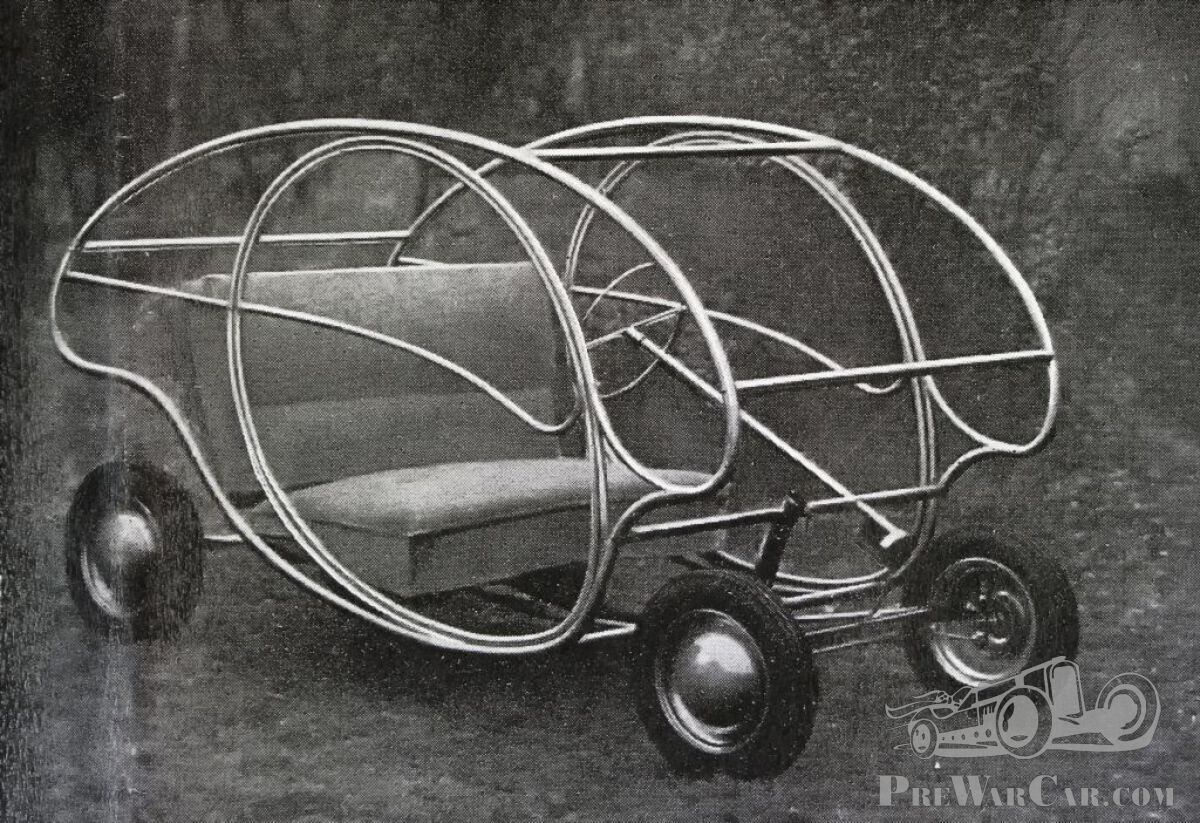
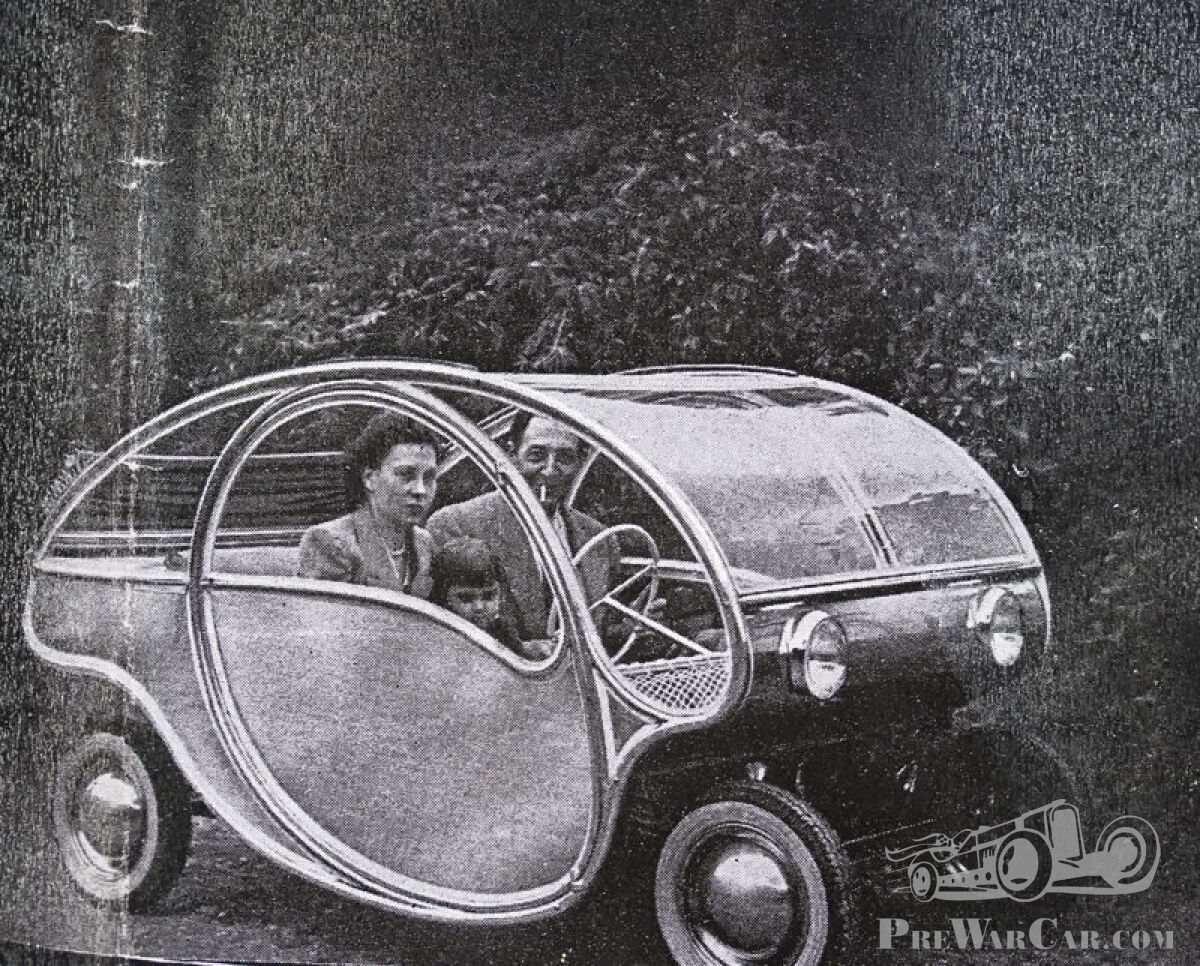
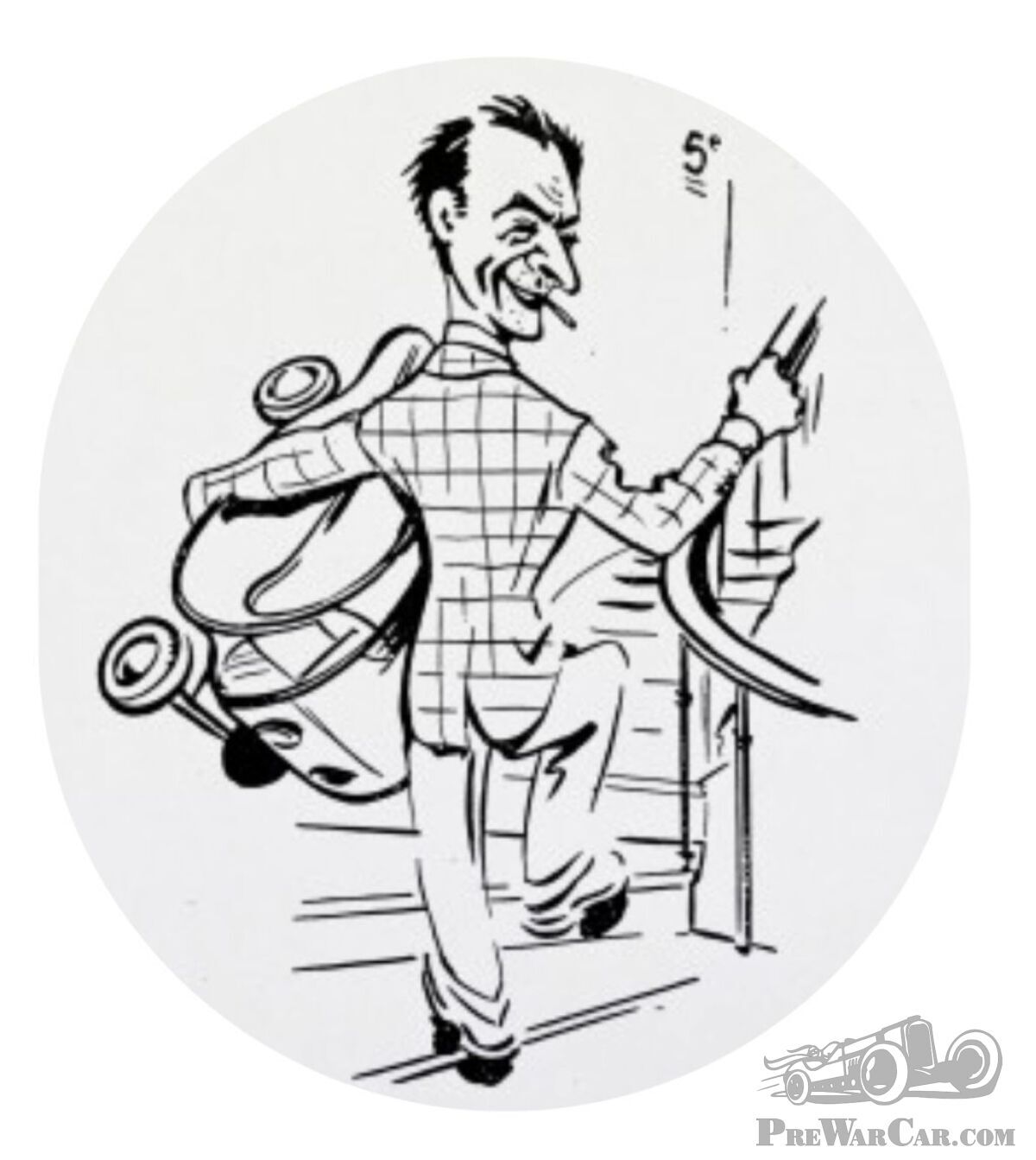


In 1951 Paul Arzens also presented a microcar project, its name 3233-WO... It had a Pauvert two-stroke engine with forced air-cooling.
Another good reason to go to Mulhouse: you can see the locomotives designed by Paul Arzens at the Railway Museum (very close to the National Automobile Museum/Schlumpf Collection).
Laurent Zoller