Das weltweite Magazin und der Marktplatz für Oldtimer-Enthusiasten – von Enthusiasten.
Das weltweite Magazin und der Marktplatz für Oldtimer-Enthusiasten – von Enthusiasten.


Filter
Auswahl treffen
- Autos
-
Marke >>
-
Baujahr >>
-
-
Kategorie >>
-
Länder >>
- Motorräder
- Teile
-
Automarke >>
-
Hersteller >>
-
Kategorie >>
- Fahrräder
-
Baujahr >>
-
Länder



Make or Brake
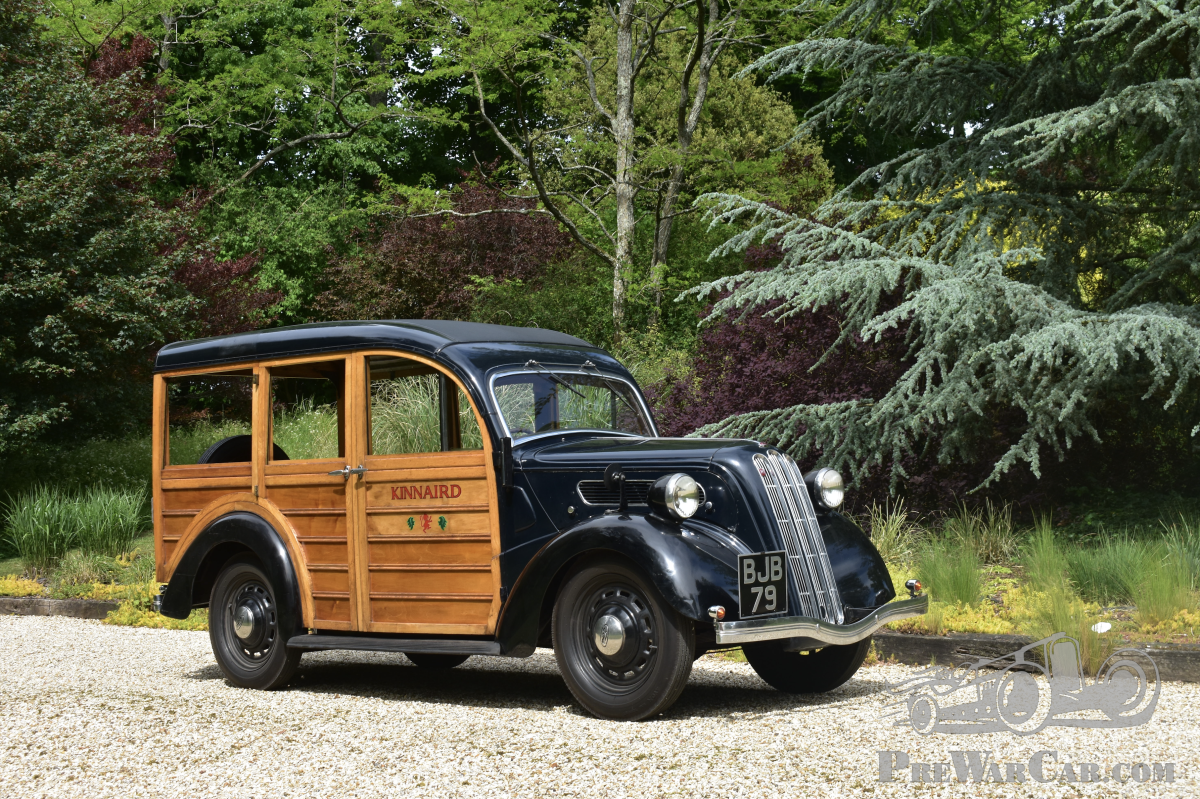
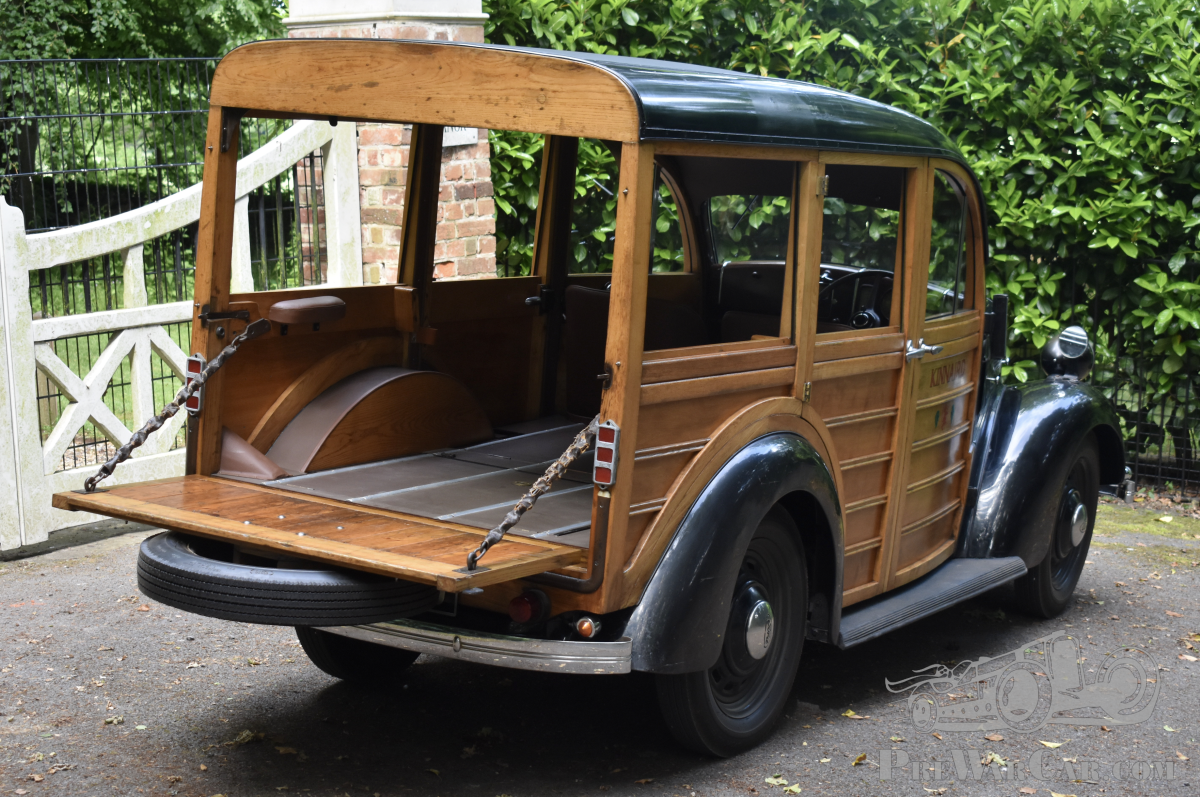


While the market for individually tailored, purpose-built shooting brakes, with compartments for guns and dogs, had been dealt a blow by the Depression, a new type of car was in the ascendant: the estate utility car. Targeting the tradesmen with land-based interests, as well as the sports enthusiasts who weren’t quite in the market for an all-new purpose-built brake, these neatly packaged new cars combined practical load-carrying with the ability to transport passengers in comfort.
Kevill-Davies & March had established itself in car body design with a range of trendsetting sports bodies on various chassis, but it was quick to catch on to the market potential of the utility-type vehicle. The March Brakenvan was launched in 1936, originally as a body for the Ford 10hp, though before long Brakenvan bodies were also being fitted to Ford V8s, Commers and Dodges, and customers were handing over their old Rolls-Royces and Bentleys to receive the March treatment.
Freddie March’s clever design for the Brakenvan incorporated three rows of seats, the rear two of which could be laid flat, and a flush-folding tailgate so that it could comfortably accommodate up to six people or a huge load of luggage.
Sadly, like all wooden brakes, Brakenvans succumbed to rotten bodies so that now only a handful remain, but that doesn’t stop this 1937 Ford 10 example from completing a day’s work still. Zack Stiling tells the Brakenvan story in the September issue of The Automobile, available now.
Publiziert:
Mittwoch September 11th, 2019
Facebook
LinkedIn
Twitter
WhatsApp
Email
Copy
Kommentare
Larry A. Lewis
11 September 2019, 19:23
I'm interested to know about the dog compartments. Did they vary in size, according to breed?
Weiter lesen