Das weltweite Magazin und der Marktplatz für Oldtimer-Enthusiasten – von Enthusiasten.
Das weltweite Magazin und der Marktplatz für Oldtimer-Enthusiasten – von Enthusiasten.


Filter
Auswahl treffen
- Autos
-
Marke >>
-
Kategorie >>
-
Länder >>
- Motorräder
- Teile
-
Automarke >>
-
Hersteller >>
-
Kategorie >>
- Fahrräder
-
Baujahr >>
-
Länder


Dust to dust. (Update I: see Lexington photos)
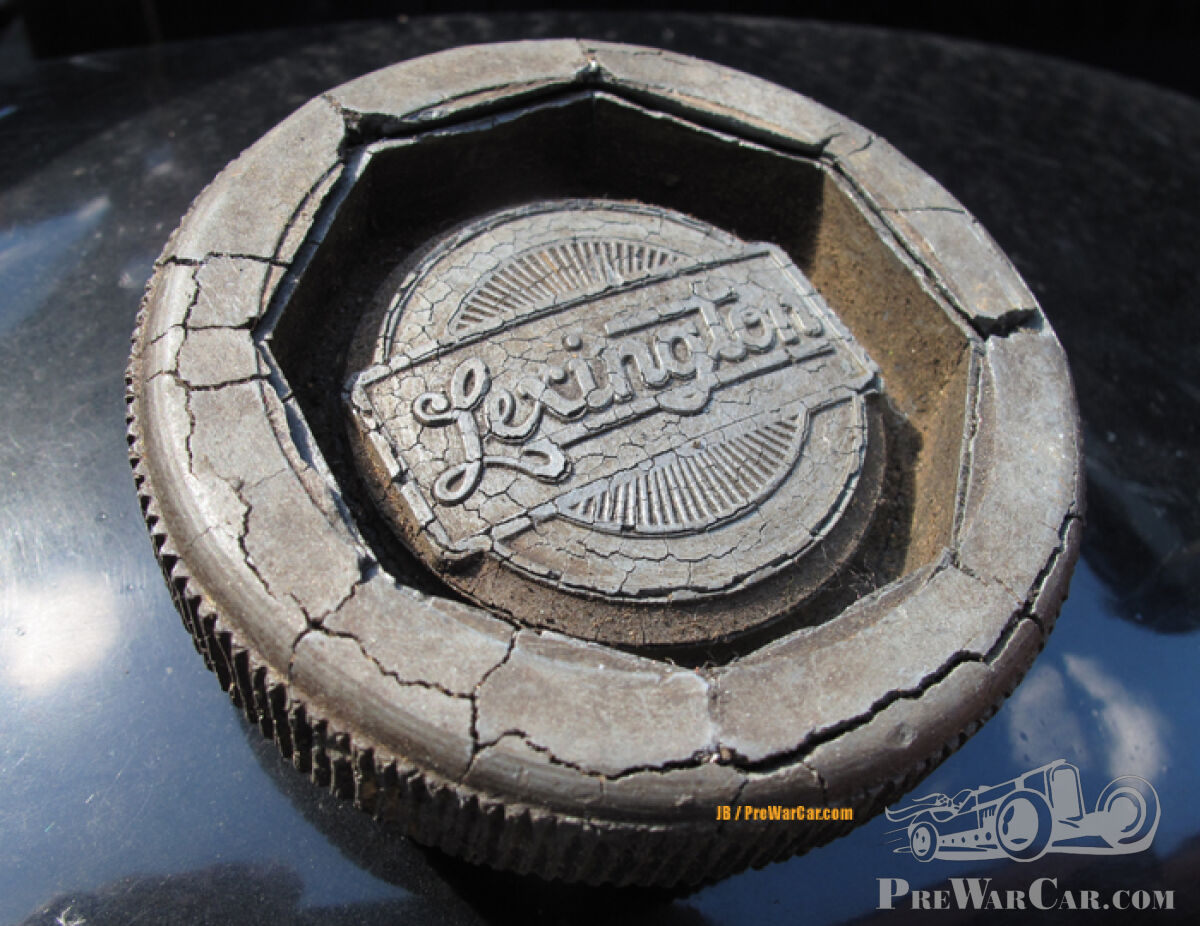
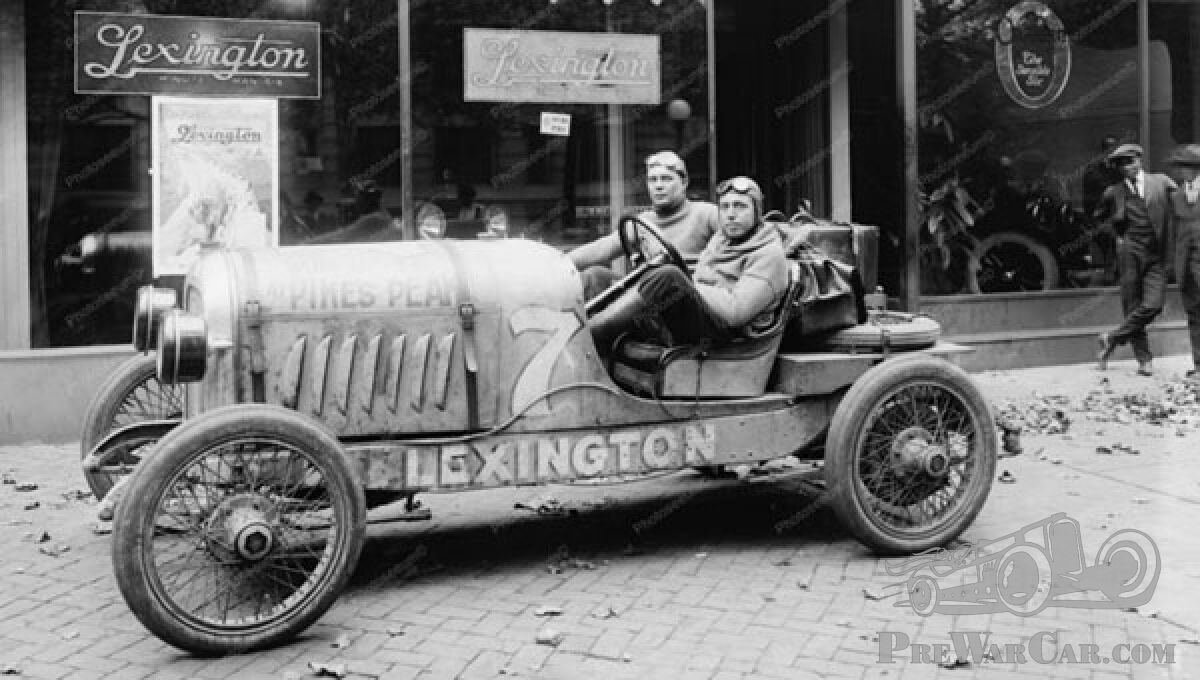
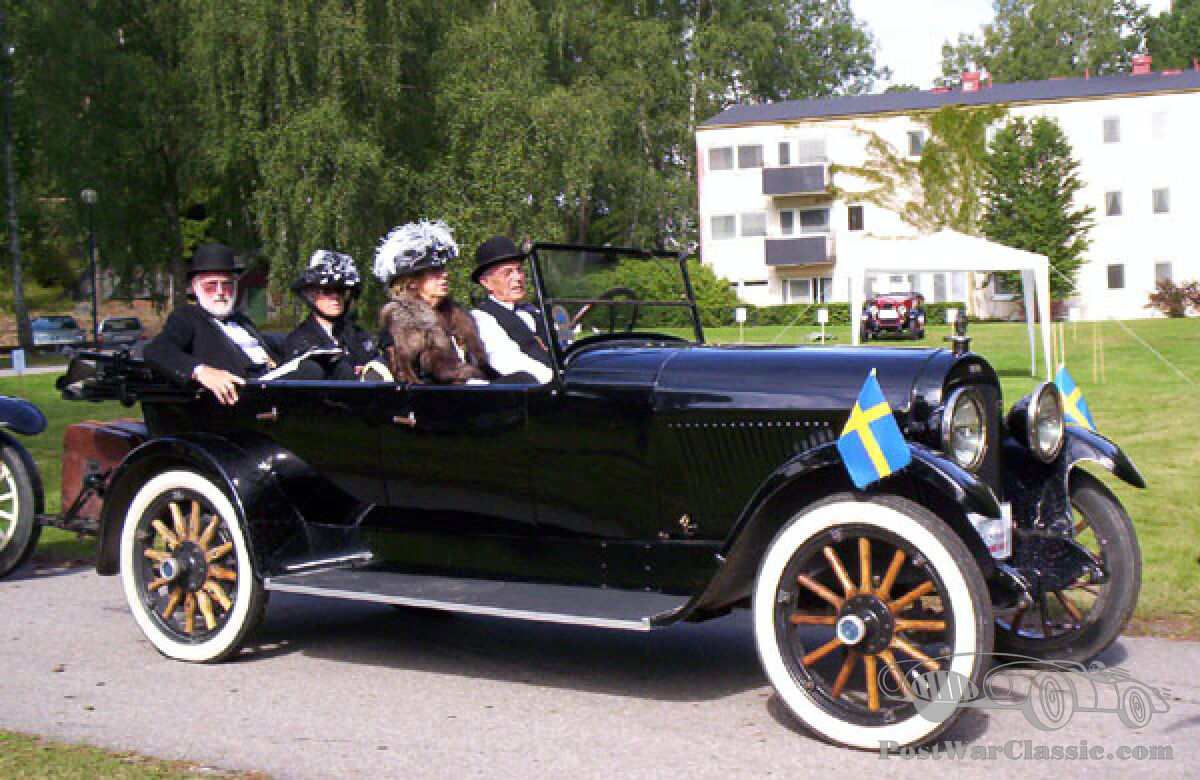


We picked up this heavy zarmac(?) hubcap at last year's Hershey. Totally useless to fit a car but an interesting press-paper that shows the future of most car makes. The once so shiny piece is deintegrating and in few years from now nothing but a handful of metallic powder will be all that's left. Honestly, we never heard from the make since your editor's mother quit smoking in 1967. That Lexington is a motorcar manufacturer (Cruis-in.com) was news to us. We understand they were quite productive from 1909 - 1926. According to the Standard Catalogue of American Cars the brand was founded by a race horse promoter named Kinsey Stone. Most important palmare to their racing history was a first and second place in the 1920 Pikes Peak Hill Climb. Last words of honour to the marque is the fact the factory was taken over by the famous name Auburn which in fact was the end of the Lexington name. Alas, as with so many other names, the same fate came to Auburn itself only 10 years later. Now one question you. How many Lexington cars did survive? A very recent Lexington photo by yourself will be rewarded by us with a PreWarCar Reporter's cap. (photos PreWarCar)
UPDATE II by Bruno Estibals : I think it is not zarmac but zamak : Zamak (formerly trademarked as ZAMAK and also known as Zamac) is a family of alloys with a base metal of zinc and alloying elements of aluminium, magnesium and copper. Zamak alloys are part of the zinc aluminium alloy family; they are distinguished from the other ZA alloys because of their constant 4% aluminium composition. The name zamak is an acronym of the German names for the metals of which the alloys are composed: zink (zinc), aluminium, magnesium and kupfer (copper).The New Jersey Zinc Company developed zamak alloys in 1929. It may be referred to as pot metal or white metal.
UPDATE I : Great photos came in!
First: An old racer sent to us by Bob Apalsch.
Second: a 1917 Lexington 6 cylinder tourer in Washington State USA sent by David Egan.
Third: a Lexington Model R-19 Minute Man Six Touring 1919. The owner is Jan Rune in Karlstad. The attached photo is from aug 2008 and the event is "Styrkeprovet", an annual run for pre 1925 cars. Lars-Göran Lindgren, Sweden (Photo upload will follow later today; both David and Lars will get the Reporter's Cap)
Publiziert:
Samstag August 21st, 2010
Facebook
LinkedIn
Twitter
WhatsApp
Email
Copy
Kommentare
Unbekannt
23 August 2010, 22:37
Unbekannt
22 August 2010, 16:14
The Material is called Mazak in the U.K, or more commonly Known as Monkey Metal.
Weiter lesen
Unbekannt
22 August 2010, 15:51
And Hudson used it the very same year. It is now the bane of restorers of these cars, as it badly weakens some very important components, like steering wheels.
Weiter lesen
Unbekannt
22 August 2010, 11:11
There's even a Lexington book, by SAH member Richard Stanley:
http://www.mcfarlandpub.com/book-2.php?id=978-0-7864-2542-6
Weiter lesen
http://www.mcfarlandpub.com/book-2.php?id=978-0-7864-2542-6
Unbekannt
22 August 2010, 09:49
Hello,
I think it is not zarmac but zamak : Zamak (formerly trademarked as ZAMAK and also known as Zamac) is a family of alloys with a base metal of zinc and alloying elements of aluminium, magnesium and copper. Zamak alloys are part of the zinc aluminium alloy family; they are distinguished from the other ZA alloys because of their constant 4% aluminium composition. The name zamak is an acronym of the German names for the metals of which the alloys are composed: zink (zinc), aluminium, magnesium and kupfer (copper).The New Jersey Zinc Company developed zamak alloys in 1929. It may be referred to as pot metal or white metal.
With Regards
Bruno Estibals
Toulouse, France
Weiter lesen
I think it is not zarmac but zamak : Zamak (formerly trademarked as ZAMAK and also known as Zamac) is a family of alloys with a base metal of zinc and alloying elements of aluminium, magnesium and copper. Zamak alloys are part of the zinc aluminium alloy family; they are distinguished from the other ZA alloys because of their constant 4% aluminium composition. The name zamak is an acronym of the German names for the metals of which the alloys are composed: zink (zinc), aluminium, magnesium and kupfer (copper).The New Jersey Zinc Company developed zamak alloys in 1929. It may be referred to as pot metal or white metal.
With Regards
Bruno Estibals
Toulouse, France
mazak - "poop" or "S**t" metal - in an automotive application commonly used for things like door handles, hinges and badges -- - all unrepairable... ugh !