Das weltweite Magazin und der Marktplatz für Oldtimer-Enthusiasten – von Enthusiasten.
Das weltweite Magazin und der Marktplatz für Oldtimer-Enthusiasten – von Enthusiasten.


Filter
Auswahl treffen
- Autos
-
Marke >>
-
Baujahr >>
-
-
Kategorie >>
-
Länder >>
- Motorräder
-
Standort >>
- Teile
-
Automarke >>
-
Hersteller >>
-
Kategorie >>
- Fahrräder
-
Baujahr >>
-
Länder



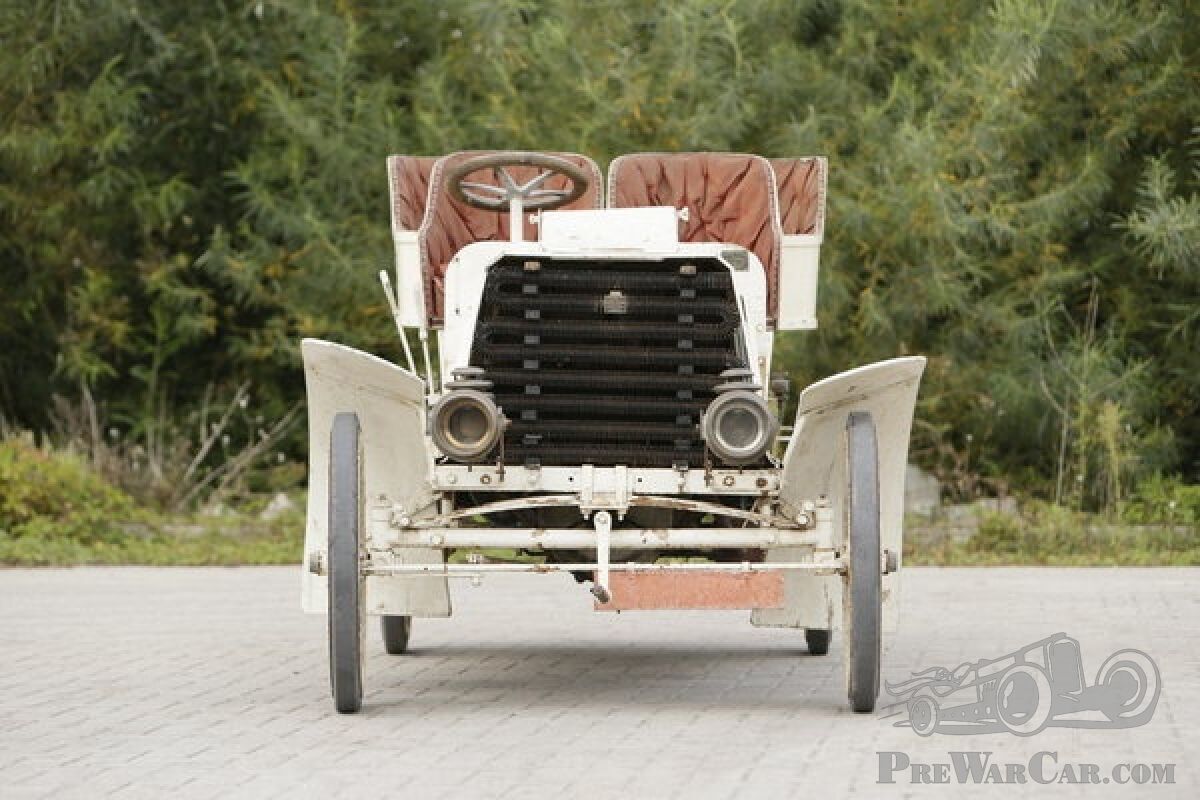
The Laperrelle of Mottereau: PreWarCar presents a unique survivor



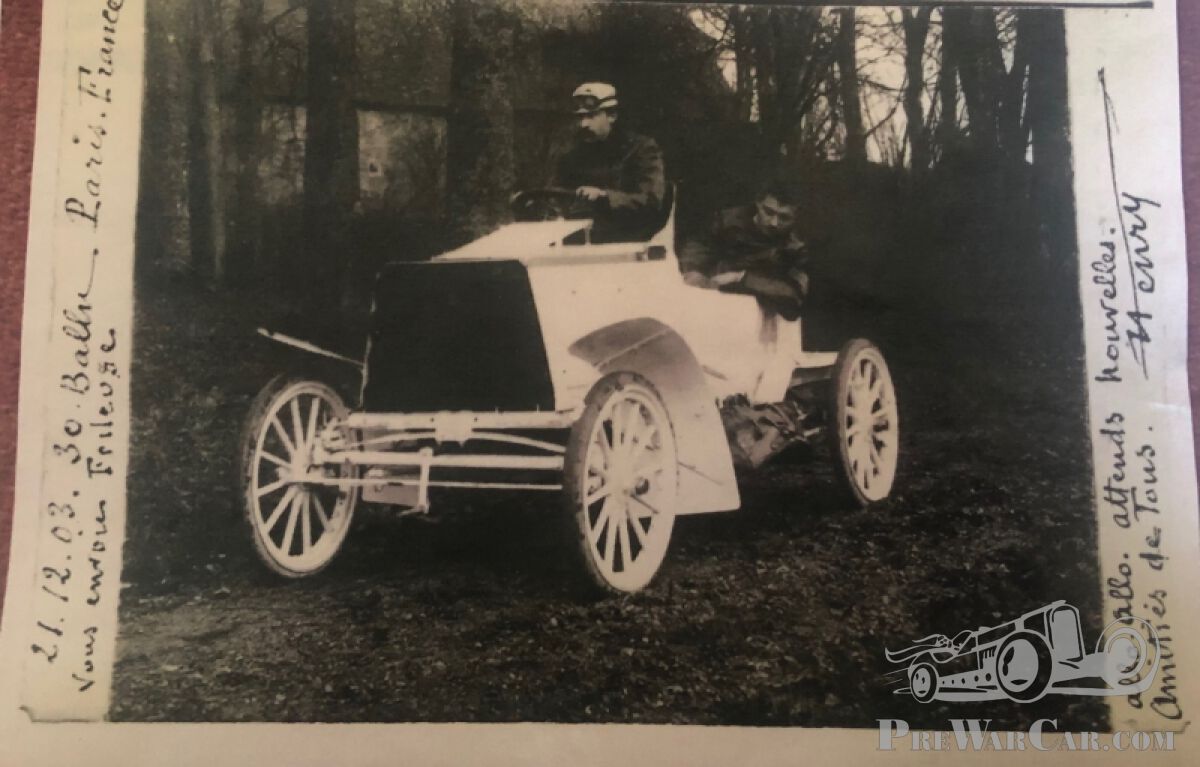
Car 96 in 'racing' trim in 1903
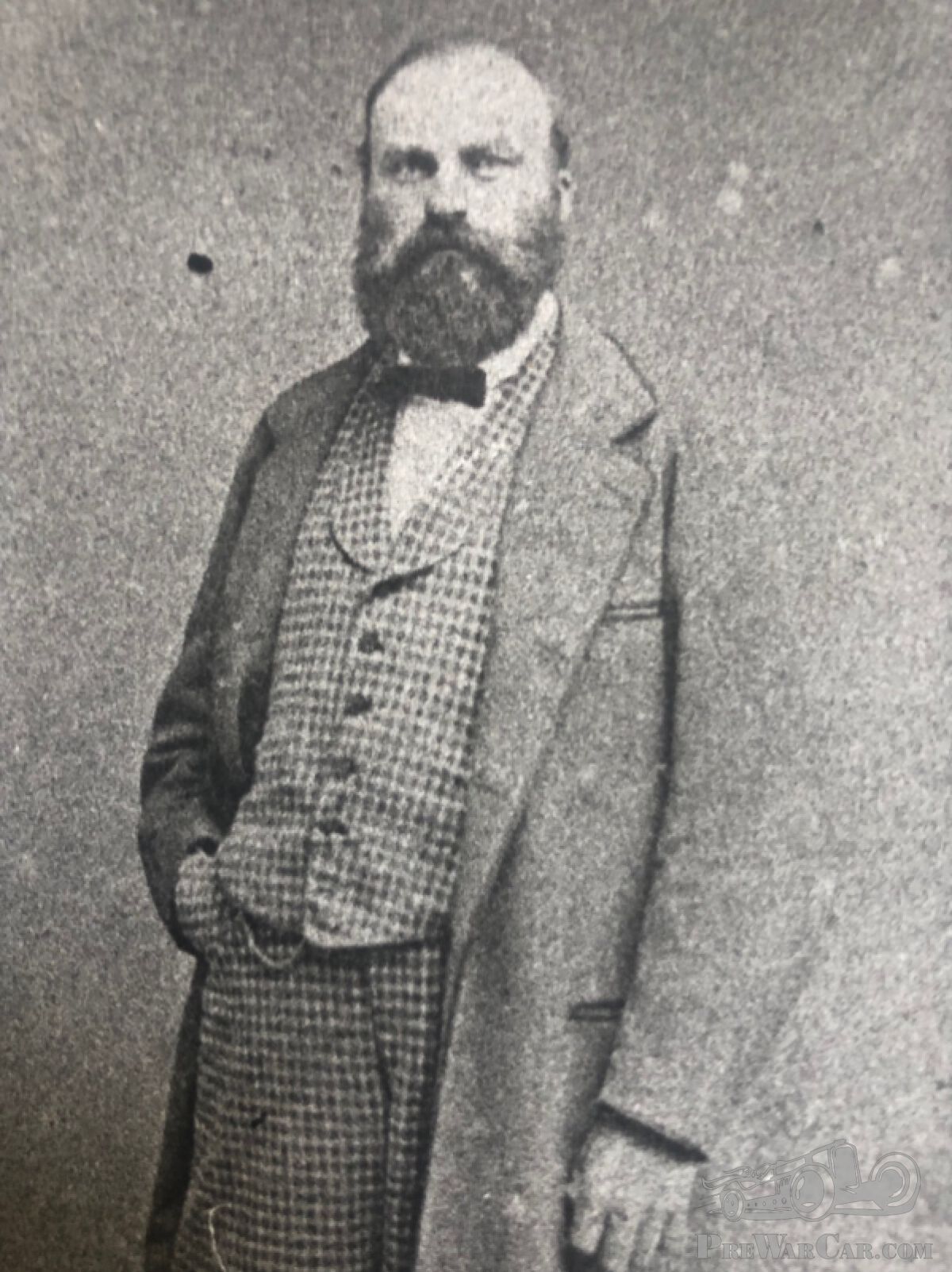
Fabien de Laperrelle
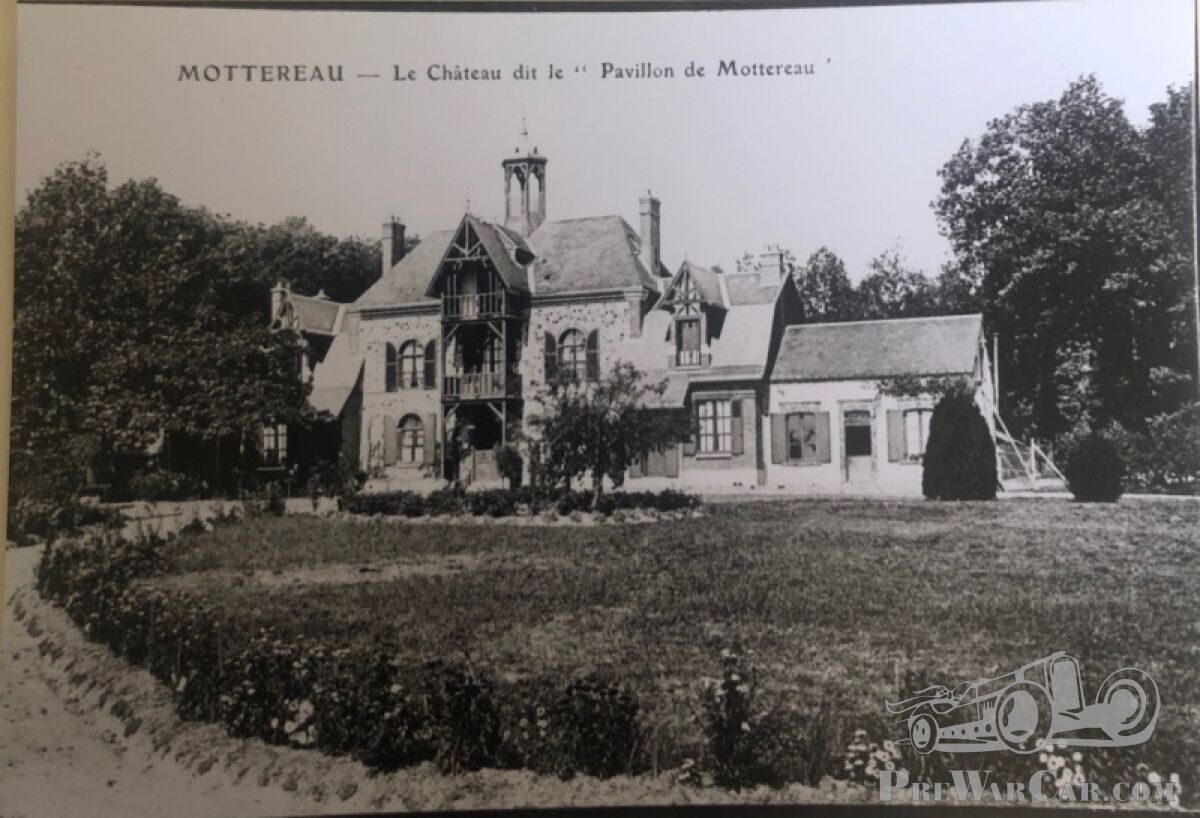
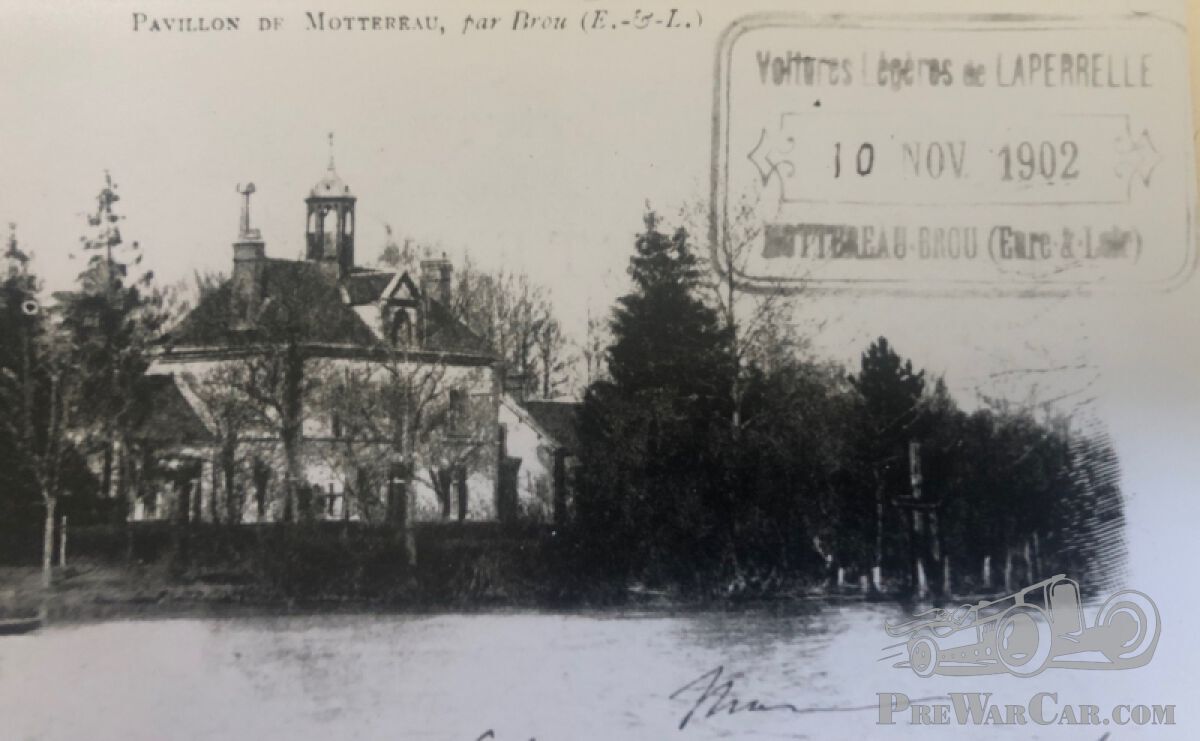
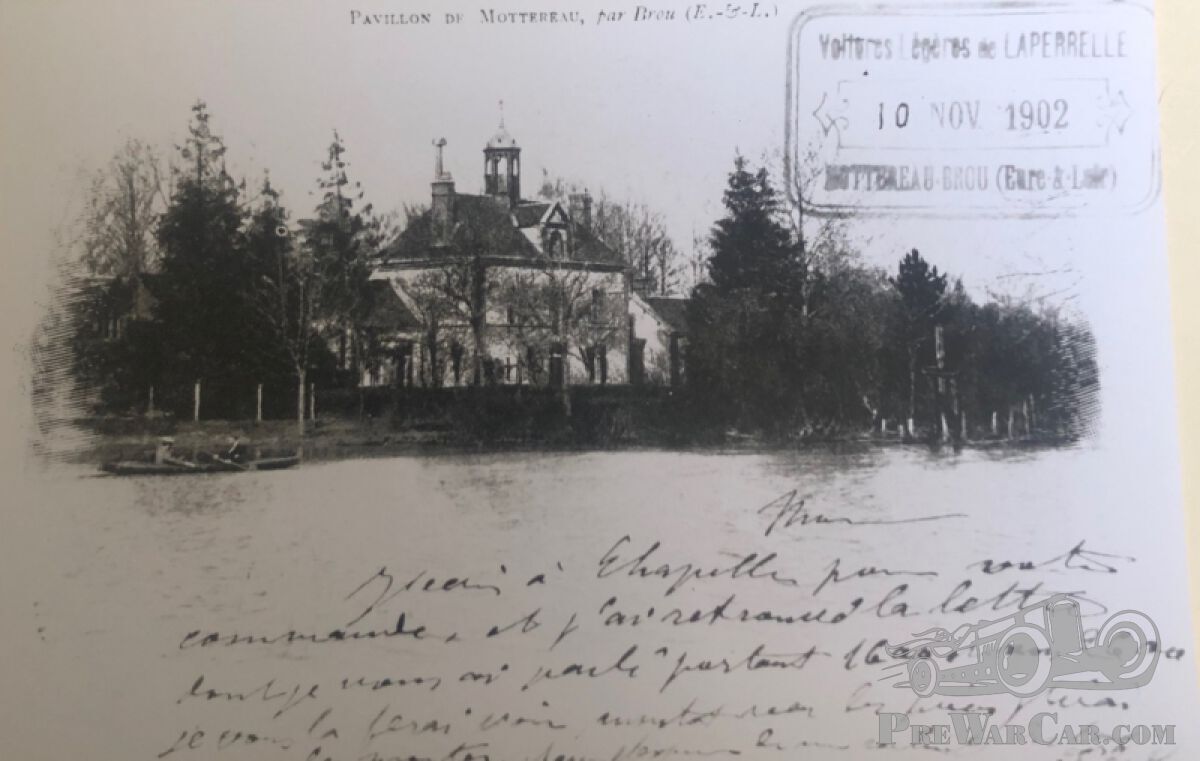
Pavillon de Mottereau: probably the world's most beautiful car factory
The surviving CD5


Whenever one desires to learn more about an obscure make of car, the first port of call must always be The Complete Encyclopaedia of Motorcars 1885-1968 or its expanded follow-up work The Beaulieu Encyclopaedia of the Automobile, or 'Georgano', as both are familiarly known after their compiler. Usually, they reveal all one wishes to know about a manufacturer at a glance, but every so often one discovers a marque with the rare distinction of being 'not in Georgano'. How we relish these encounters, as we realise that we are beholding something so rare and so obscure that it has been all but overlooked by history.
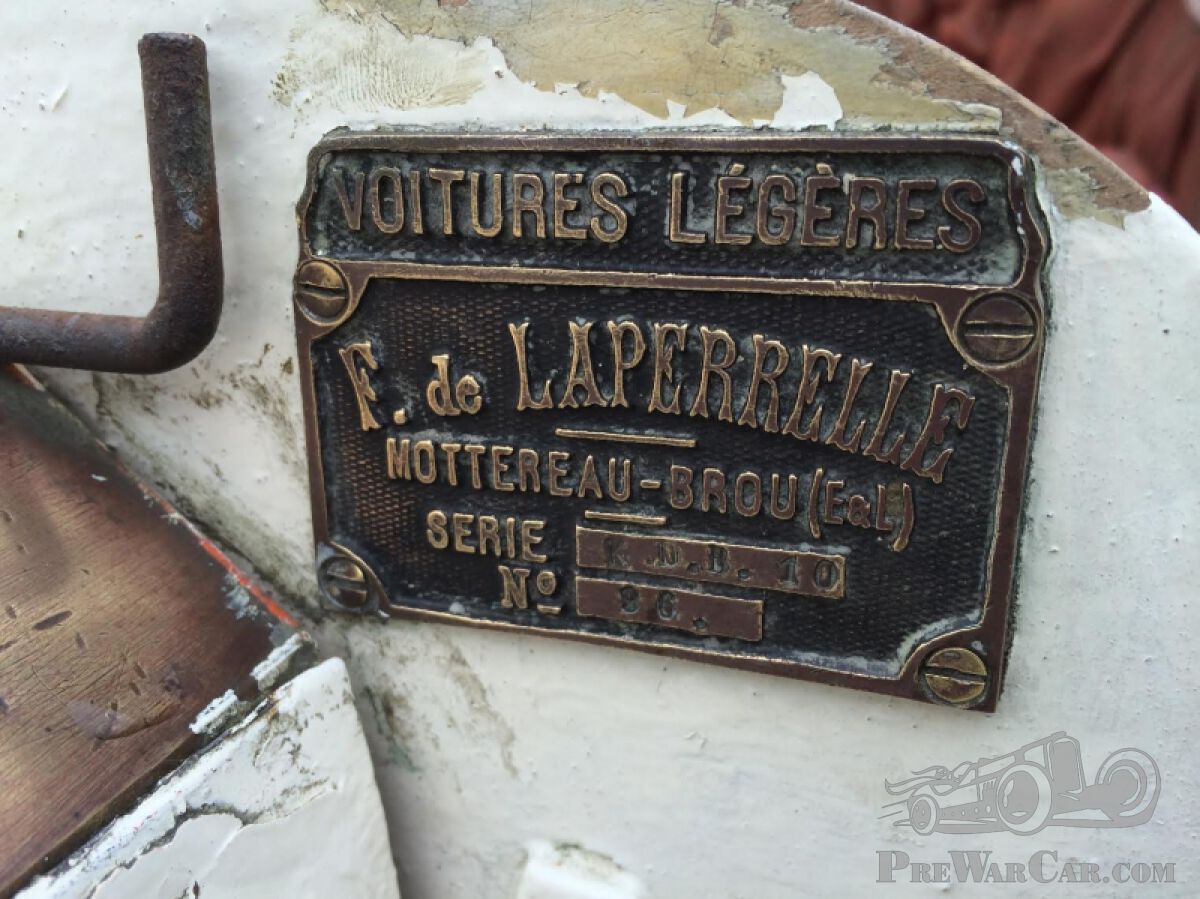
Such is the marque of Laperrelle, about which we will endeavour to tell you what we can. Our starting point was the maker's plate of the sole surviving KDB 10 model, which reads 'Voitures Légères, F. de Laperrelle, Mottereau-Brou (E & L)'. In other words, the Laperrelle factory made light cars in Mottereau, in the canton of Brou, in the department of Eure-et-Loire in northern France, just west of Chartres on the road between Paris and Le Mans.
Mottereau was an unlikely place for car manufacture, because even today it is a tiny but ever so pretty village, which perhaps explains why so few were made. In those early days of car manufacture the availability of proprietary components made it very easy for anyone to have a go at car-building provied they had a reasonably well-equipped workshop, so Laperrelle was not unlike the hundreds of firms which simply built a few cars and then went back to shoeing horses, making carts and repairing bicycles.
All becomes clear
There we might draw a blank, had it not been for research undertaken by Tony Paalman in 2020. He met with Jean Pierre de Laperrelle and his son Pierrick, who were respectively the great- and great-great-grandsons of Louis Joseph Fabien de Laperrelle (1862-1923). Fabien, as he was known, was born in La Loupe, a quaint small town also in Eure-et-Loire, where he did well for himself as an entrepreneur. It was in 1898 that he decided to turn his hunting lodge, Pavillon de Mottereau, into a small-scale car factory, and it may very well have been the most beautiful factory the world has ever seen.
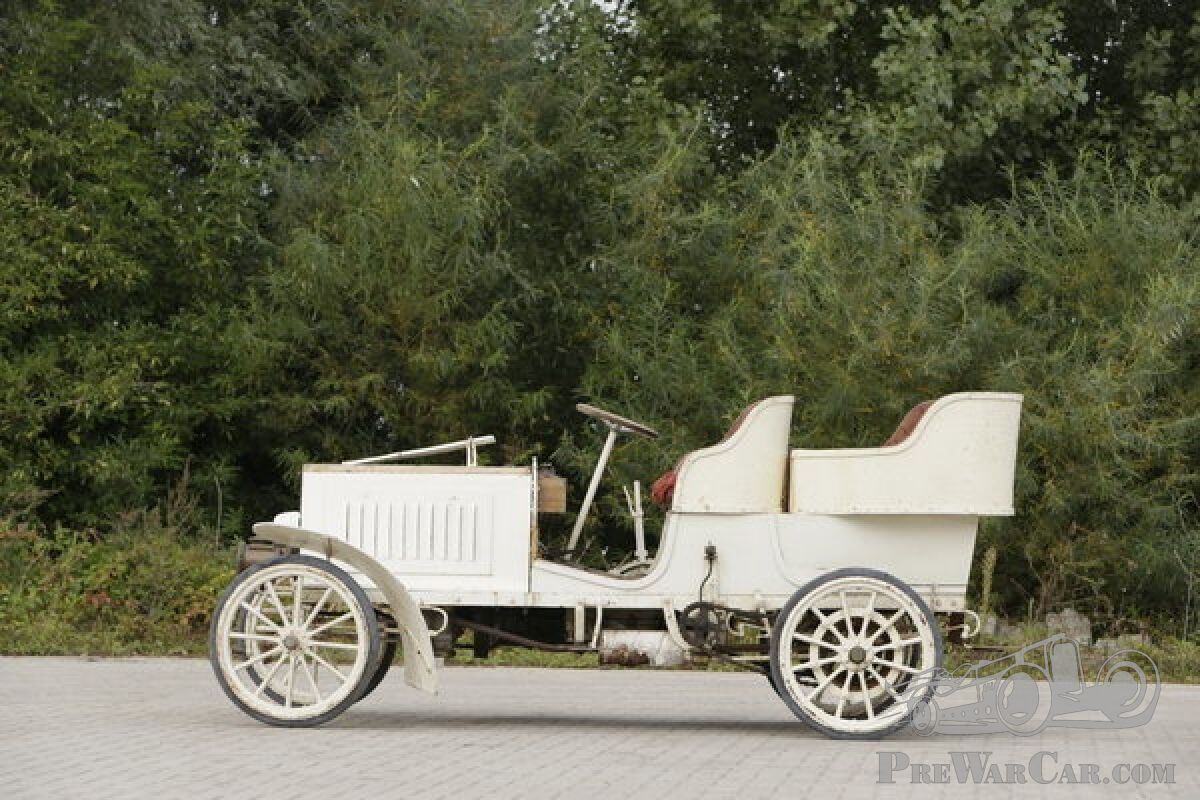
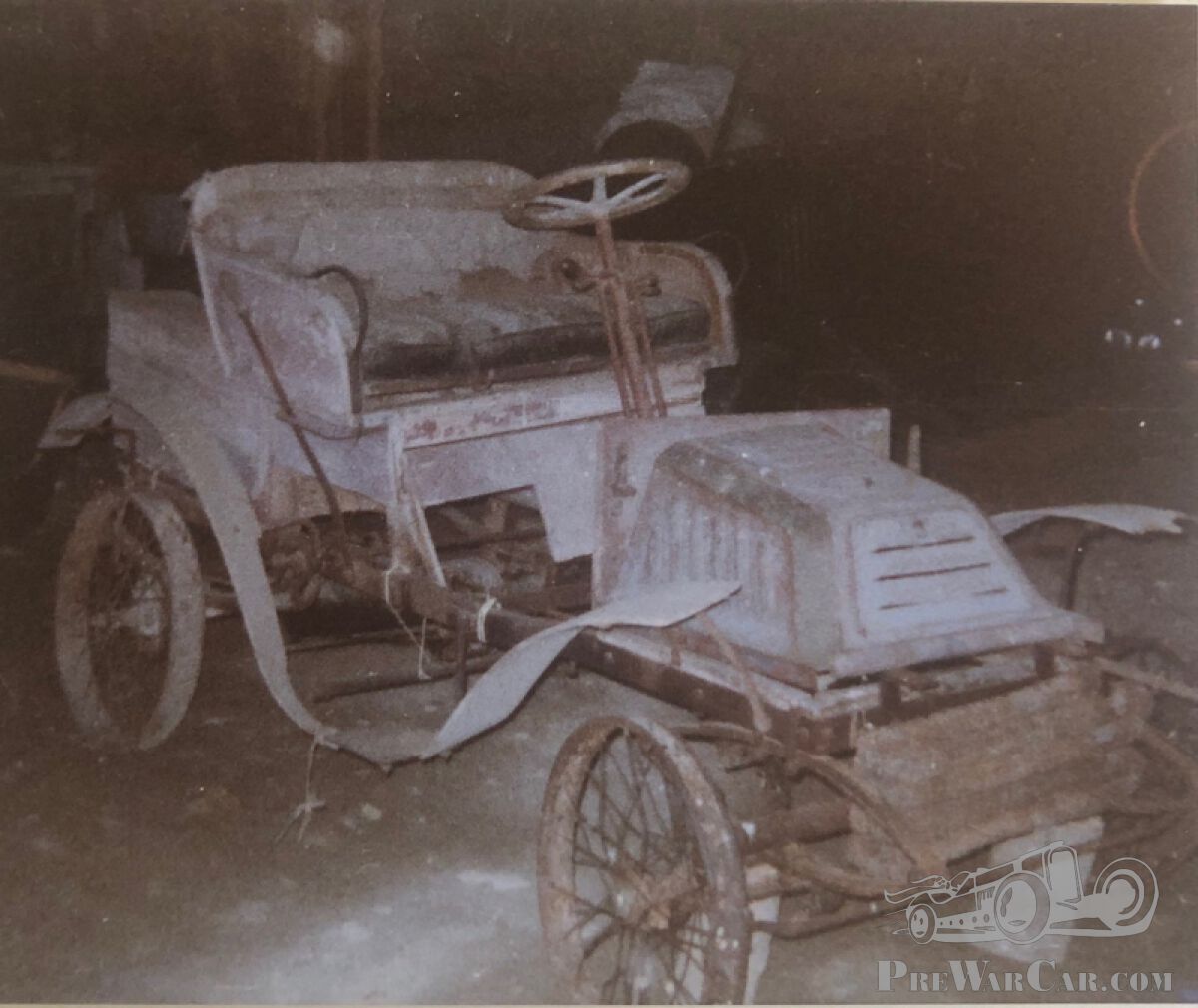
Our survivor is chassis number 96—presumably the first car was 1—and has been dated to 1901. The chassis plate also refers to it as belonging to the KDB 10 series, though the engine has been identified as an 8hp unit.
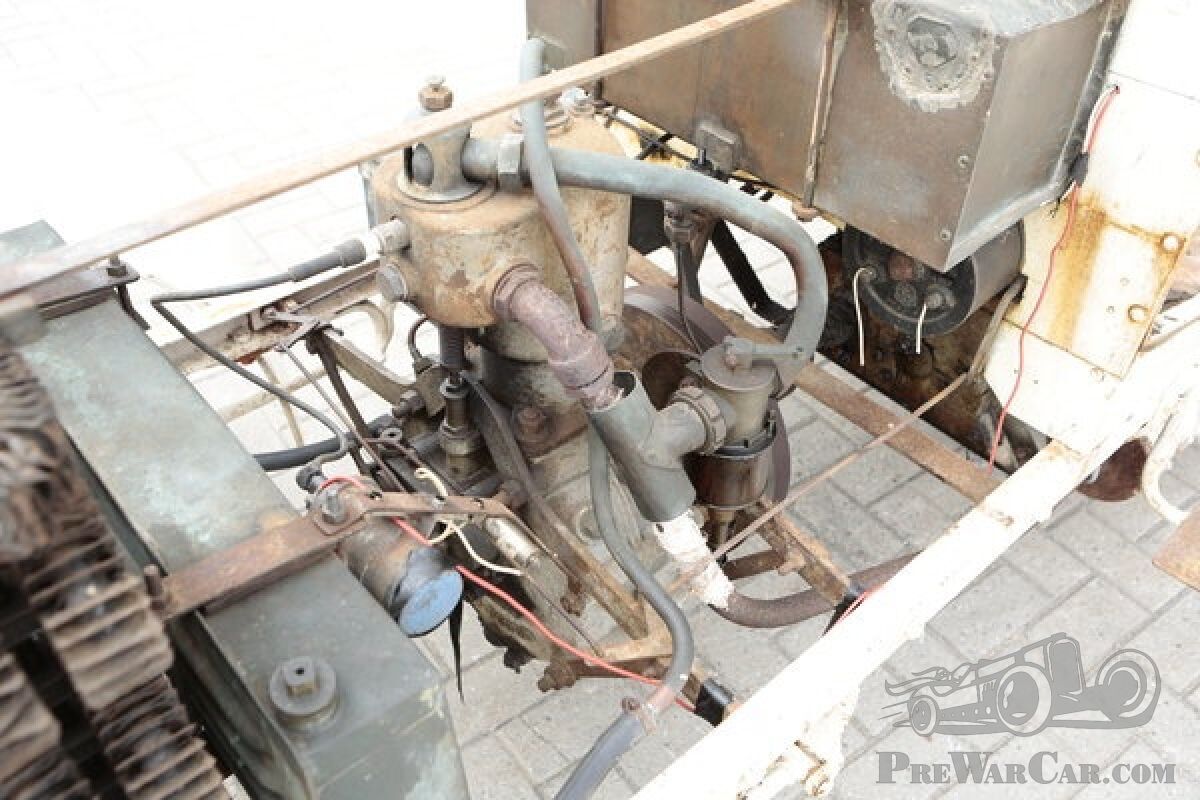
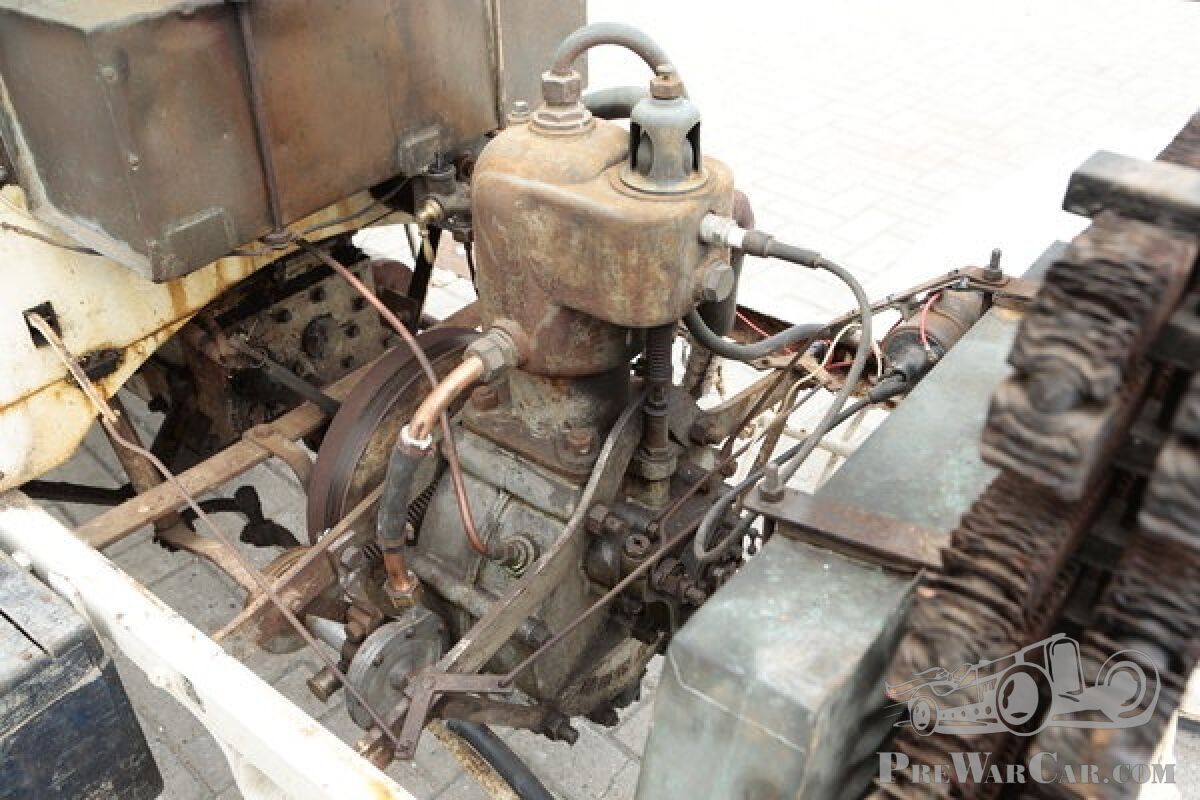
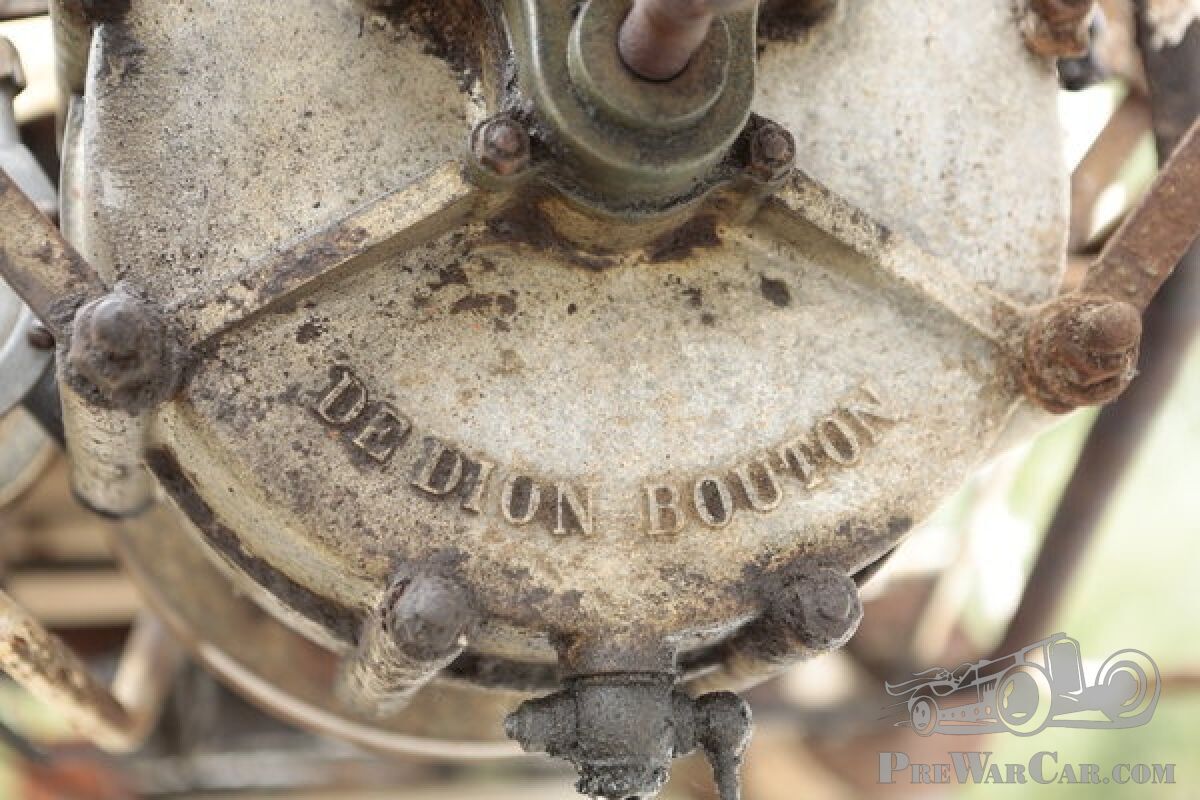
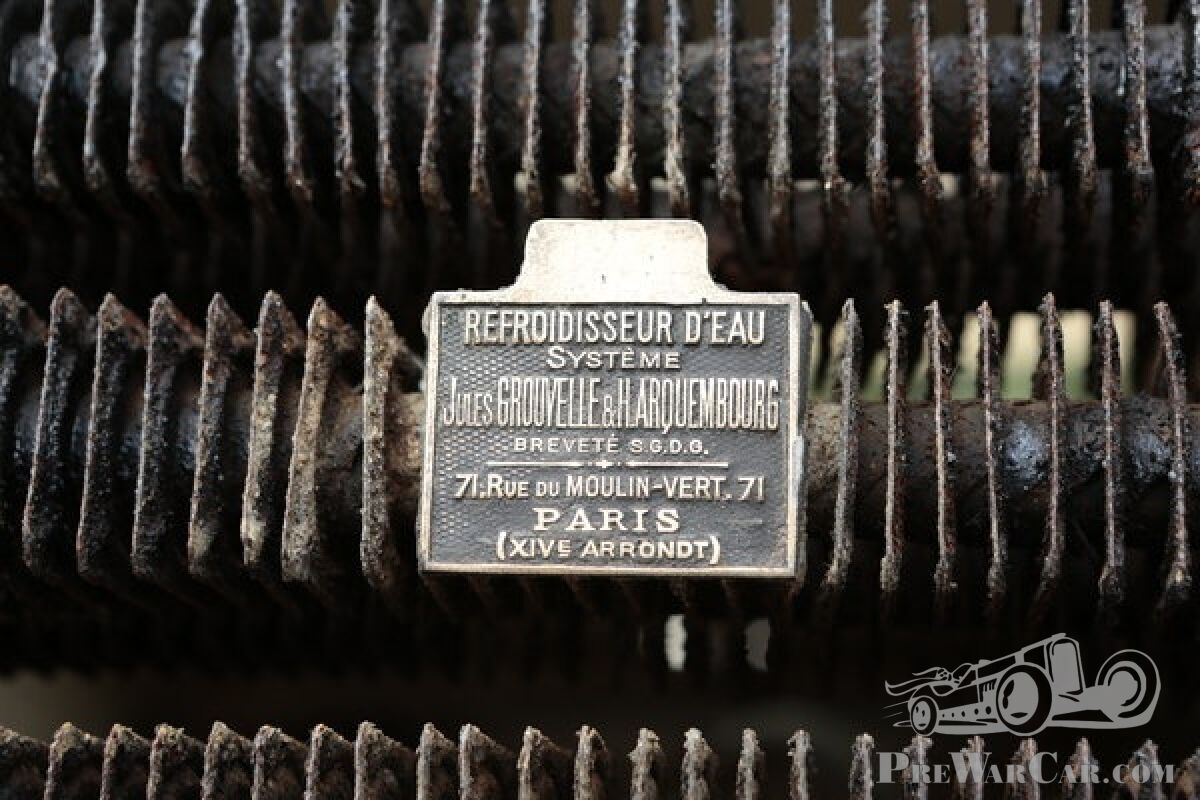
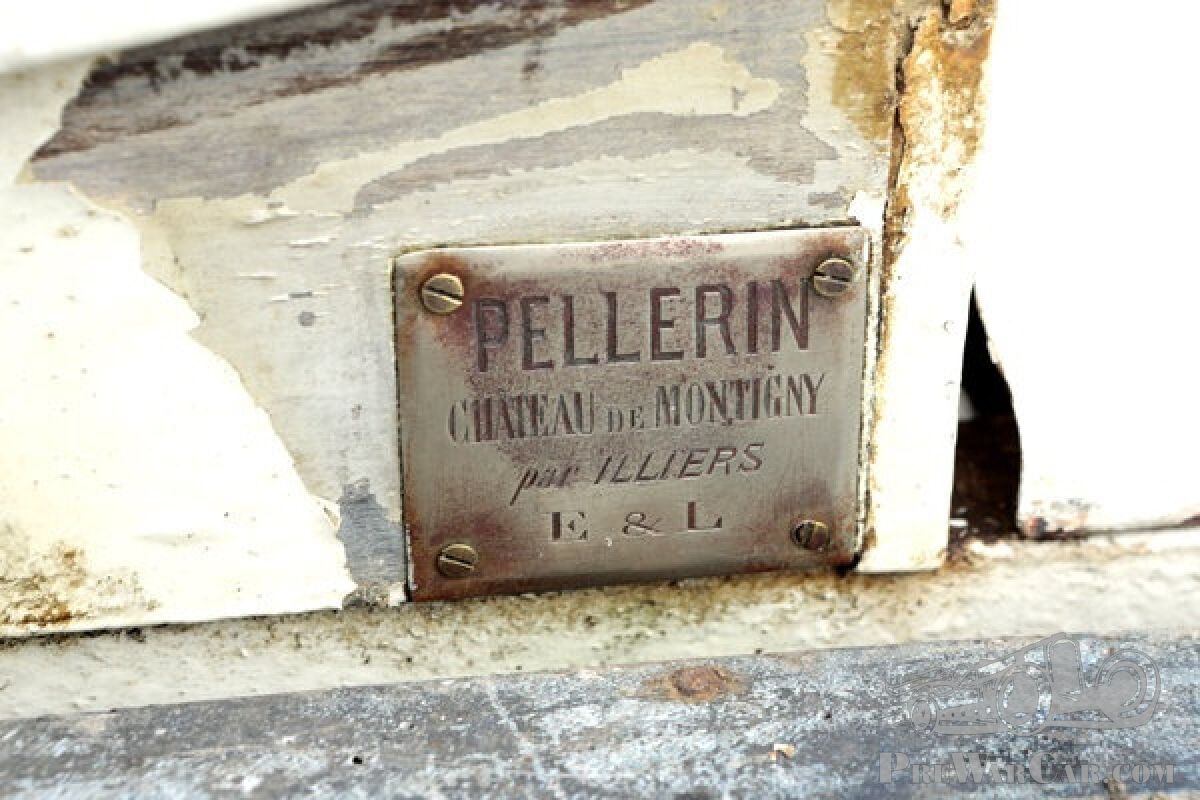
We have mentioned that the availability of proprietary engines made cars like the Laperrelle possible, and M. Laperelle is known to have used single-cylinder De Dion engines, of which engine number 9164 as fitted in this car is one. He used Grouvelle et Arquembourg cooling systems and a chassis and gearbox of his own design. The double chain-drive transmission is conventional enough, and a coachbuilder's plate reveals the body to have been the work of Pellerin, a local and equally obscure firm about which nothing is known except what the plate reveals. It reads: 'Pellerin, Château de Montigny, par Illiers, E & L'. Illiers is a small and very charming town just 5½ miles from Mottereau.
Remarkably, there is one of Laperelle known to exist, a CD5 model, number 14. Research has revealed that there were only four Laperelles registered in Eure-et-Loire in the early 1900s. The works stopped in 1905, when M. Laperrelle departed France for Algiers to start a separate business. Little is known of this, except that when he returned to France it was without much money.
An unrestored survivor... with a racing past?
The story of our car's survival is down to the fact that, remarkably, it has belonged to the same family from new. One might expect them to have been local to Mottereau, but in fact la famille Girode hail from Saigneville, another very beautiful small town, close to the English Channel between Dieppe and Le Touquet. What is more remarkable still is that it appears to have been raced in period. A photograph dated December 21st, 1903, shows it apparently with racing two-seater bodywork—at any rate, the rear tonneau portion of the body has been removed. Does anyone know of any races around this time in which it could have run?
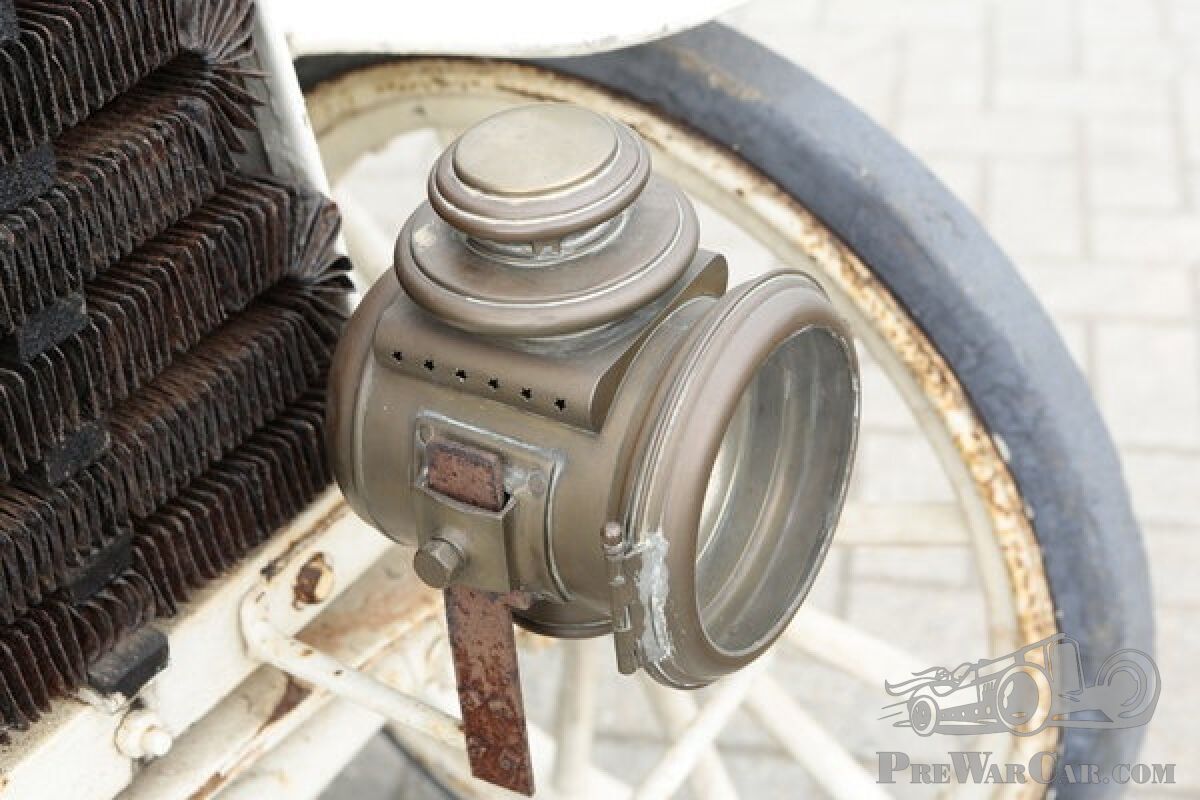
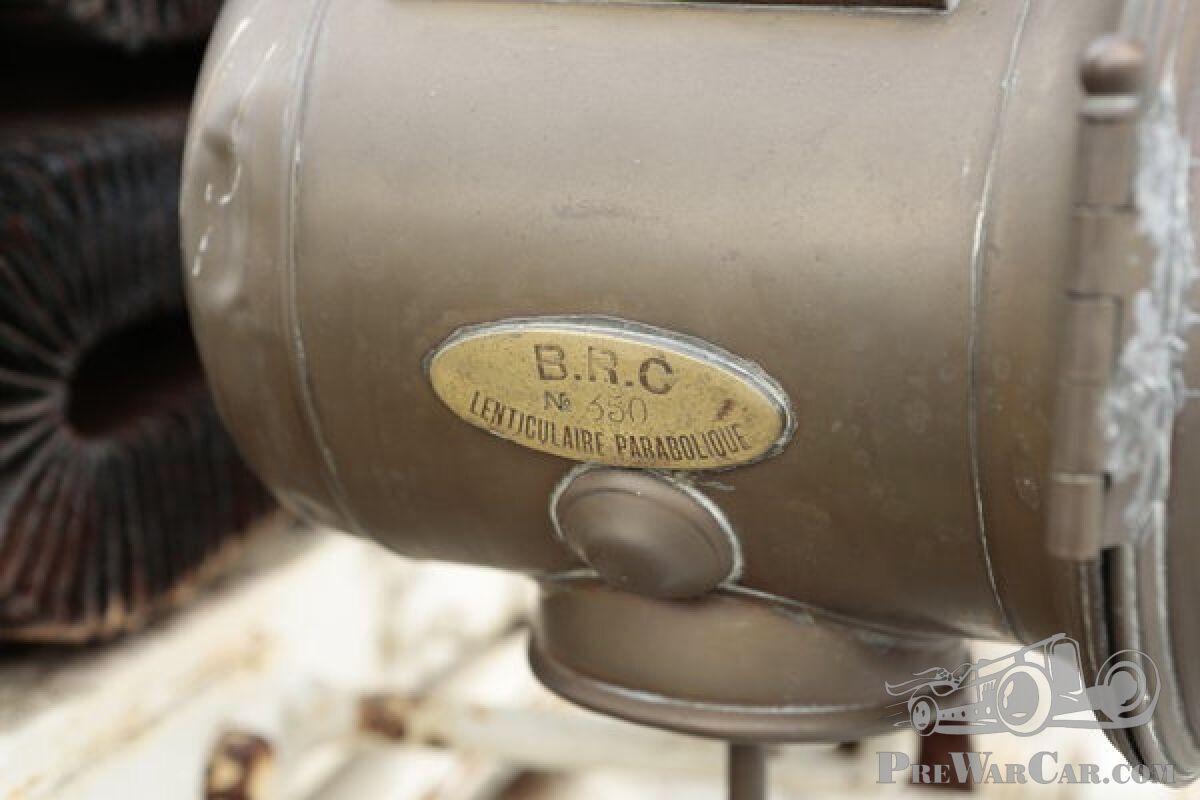
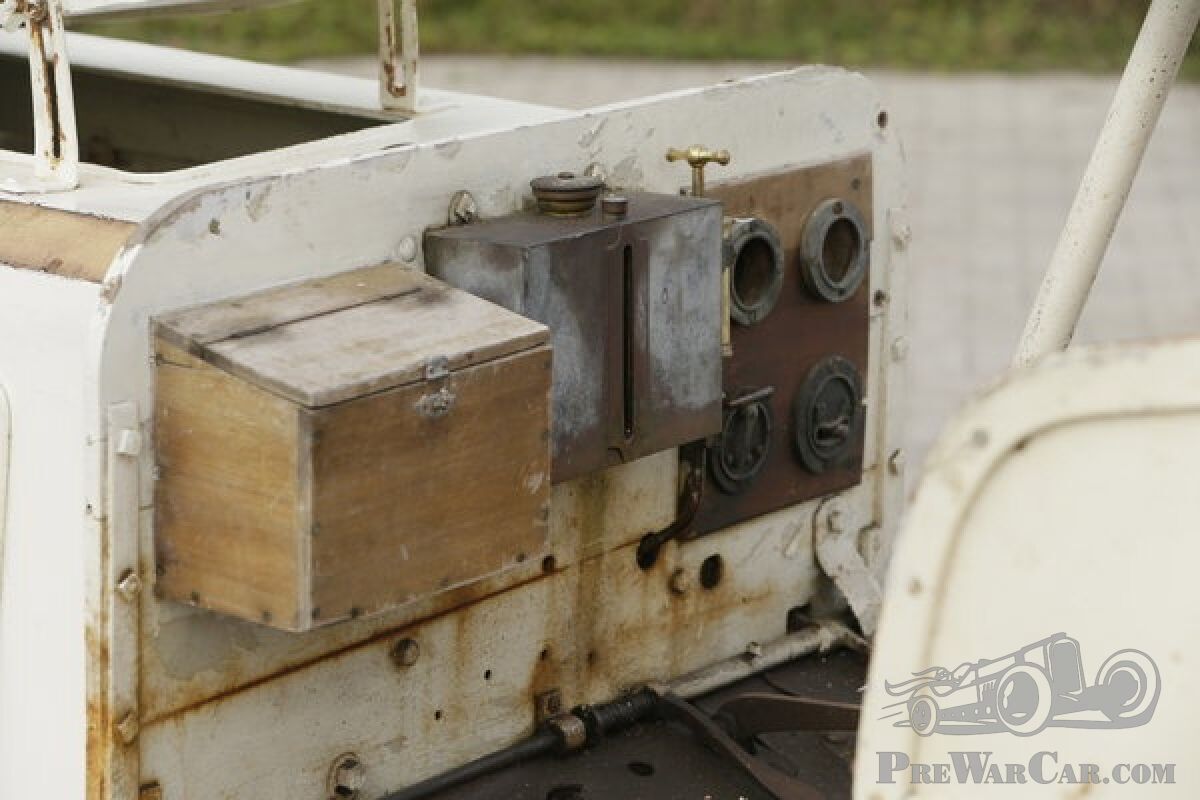
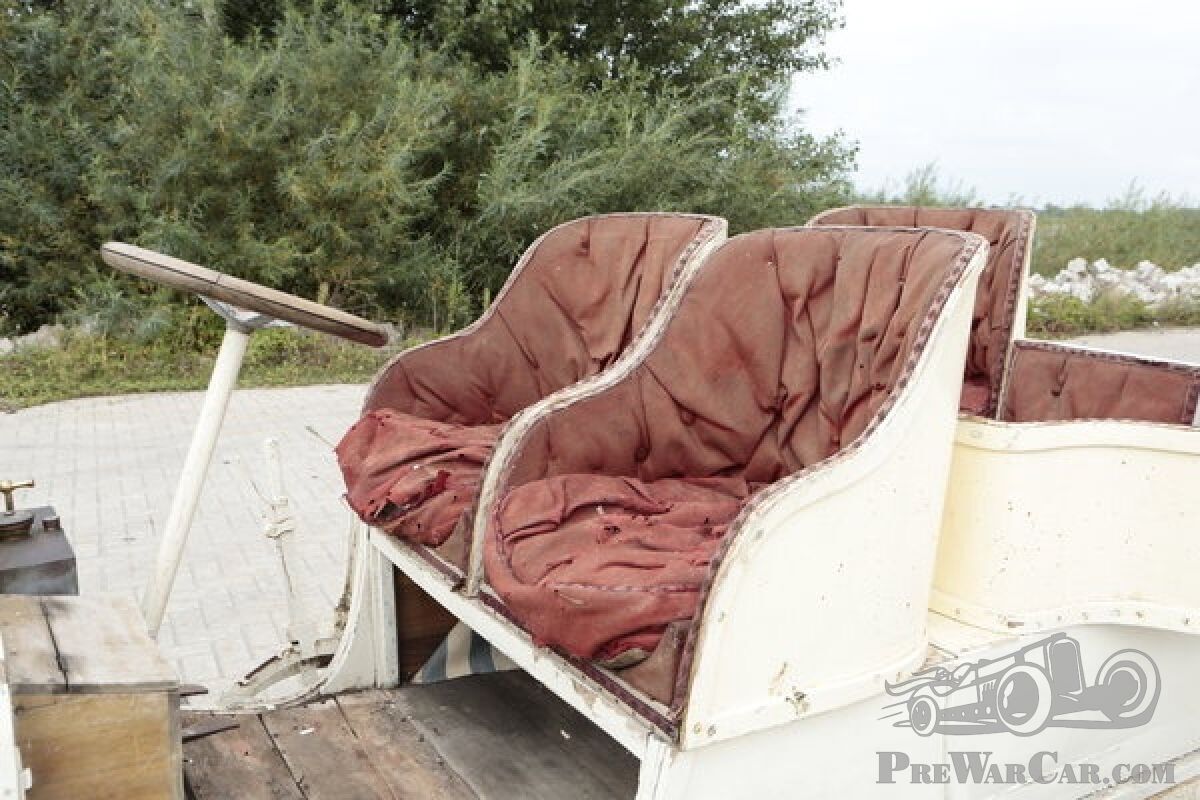
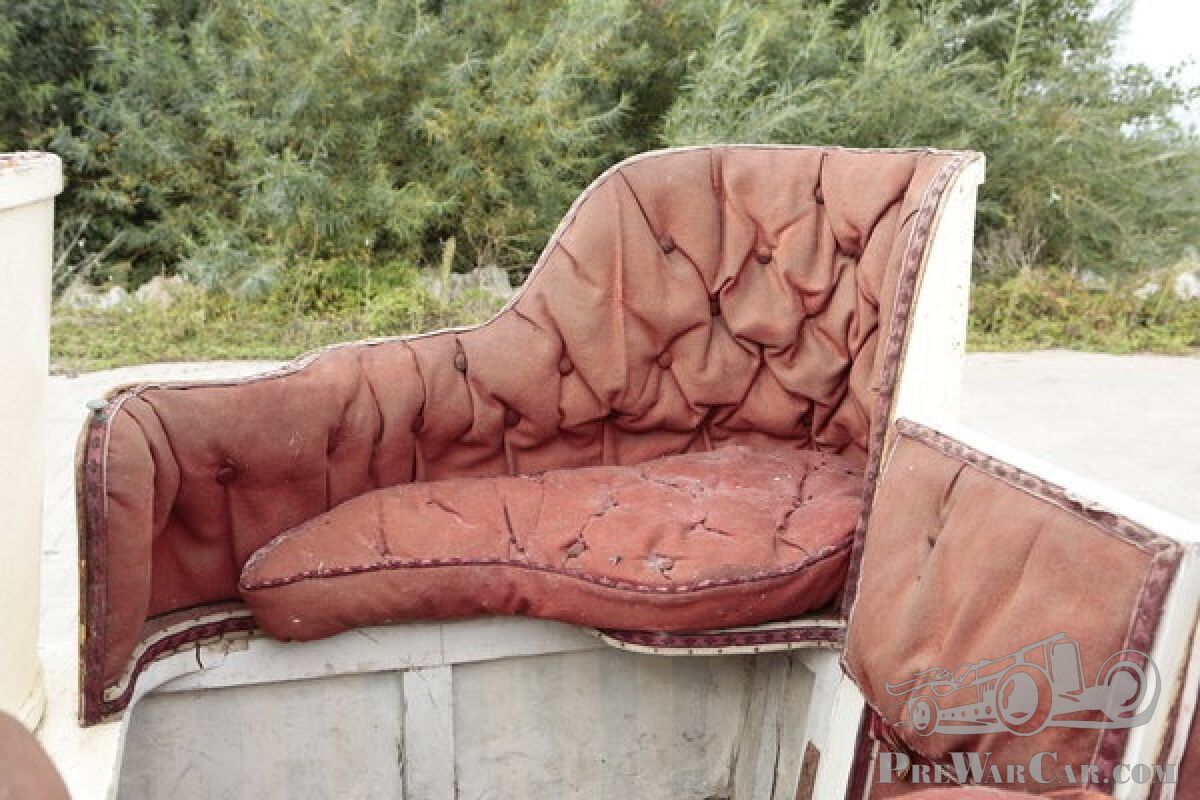
Car 96 exists, too, as a most superb oily-rag, being in excellent cosmetic condition and totally original apart from the white paint, which was rather charmingly applied over the original with a brush in 1960 by the young Charles Eduard Girode. All the appropriate period equipment is a joy to behold, especially the solid tyres. It is also running and driving, though it may require some sympathetic attention. The car is now, after 123 years, being offered for sale and we very much hope it will find an owner who will cherish it just as it is (though there is a reasonable case to be made for trying to recover the original paint) and perhaps even undertake more research into Laperrelle and Pellerin.
This extraordinary can be seen at Salon Rétromobile, where it will be for sale on the PreWarCar.com stand and displayed alongside some other very significant cars including Achille Varzi's Alfa Romeo 6C 1750 SS, an Eritrean Lancia Dilambda racing special and a 1907 Itala Peking-Paris racer. The Laperrelle alone is, we think, enough to justify a visit to Rétromobile, and if you need a ticket you can buy one here.
Salon Rétromobile takes place at the Expo Porte de Versailles in Paris and runs from January 31st to February 4th.
Words: Zack Stiling; photographs: Classic Motorcars Holland
Publiziert:
Freitag Januar 26th, 2024
Facebook
LinkedIn
Twitter
WhatsApp
Email
Copy
Kommentare
Laurent Zoller
28 Januar 2024, 09:58


Ariejan Bos
26 Januar 2024, 12:09
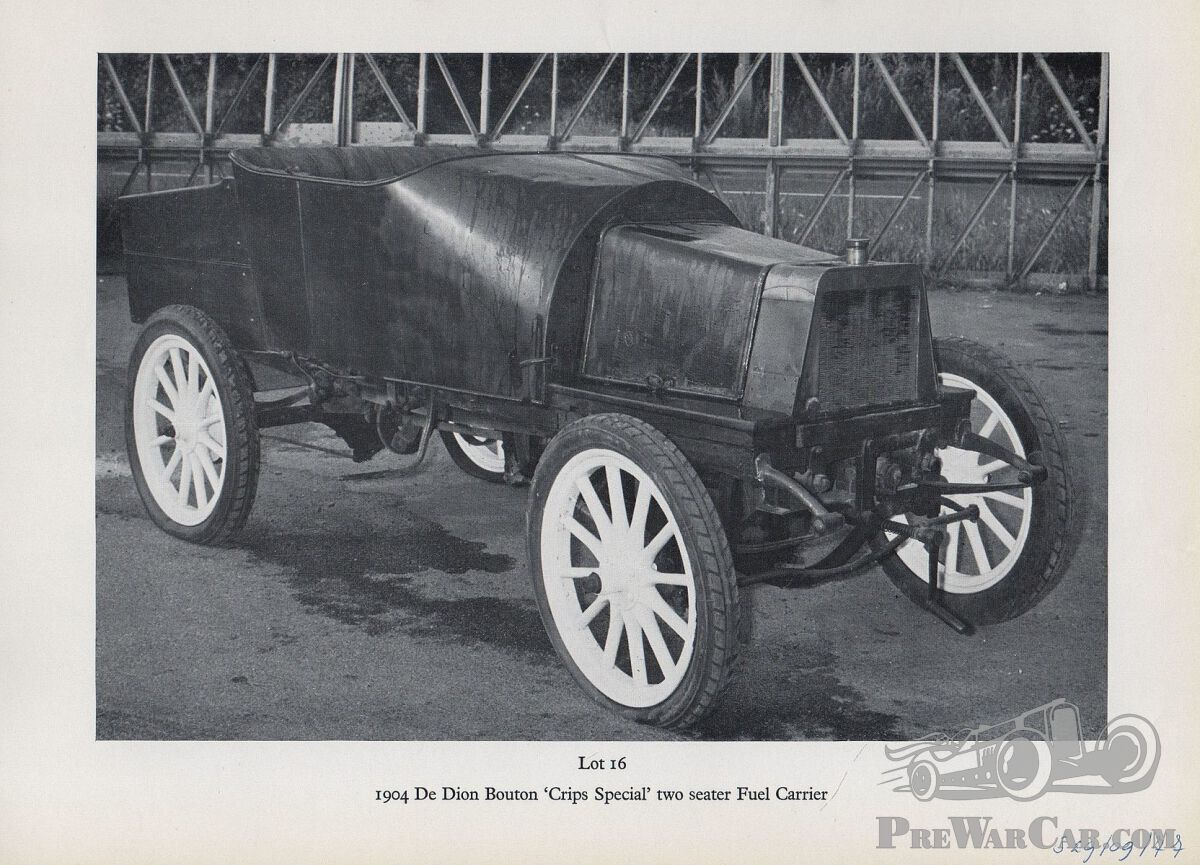
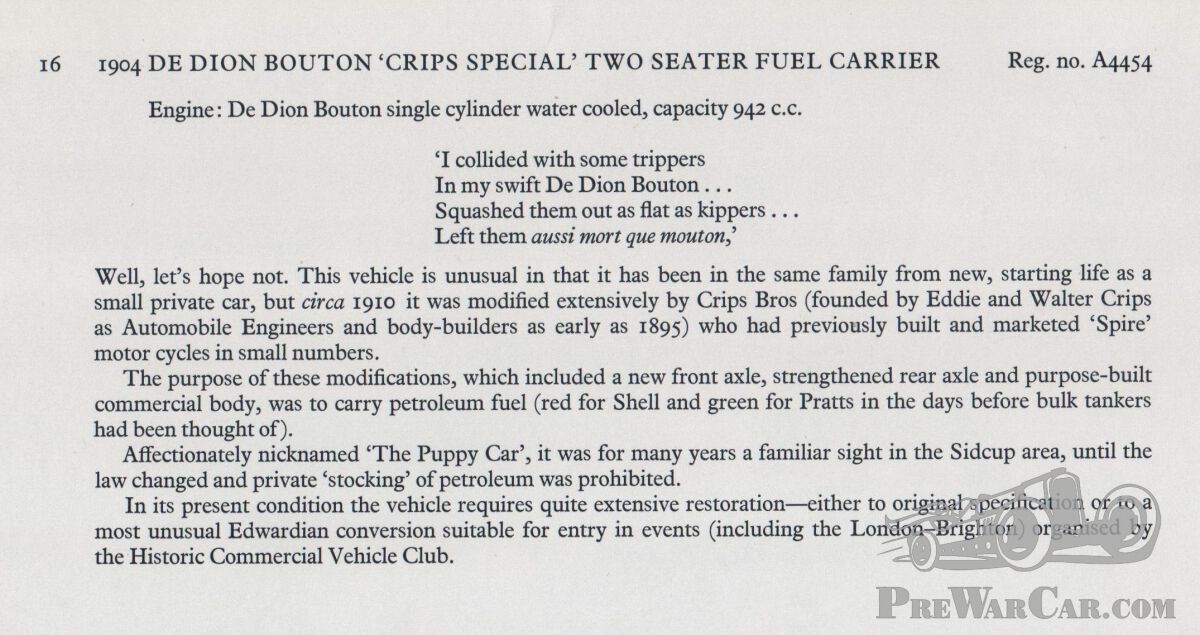
I suppose this is the vehicle you refer to. These pages are from a 1977 auction guide.
Weiter lesen
Peter Maguire
26 Januar 2024, 16:54
Dear Ariejan,
Yes, it is!
I saw it with a friend of mine in the garden of a house that belonged to Ken Costello who was, at that time, constructing Rover V8-engined MGBs, so it must have been around 1976, not 1969/70. Then, it was my understanding, from information given by Mr. Costello, that it had been stored disassembled since the First World War in the garage of the grand-daughter of Mr. Cripps. The garage had to be cleared and he had been asked to dispose of the car for the grand-daughter.
We would have bought it, but it was priced at £50 more than we could afford. However, we did get the engine started—it only required some petrol and a couple of turns with the decompression tap open and a check on the oil level to make certain it was all free. Then one swing and off it went. It sounded very nice, too!
The car was very complete apart from its wings. At that point I think it still had a tail light. However, it had been wrongly reassembled. For instance the wheels had been fitted back to front.
So, it went to auction. Do you know what happened to it after that?
All the best,
Peter
Weiter lesen
Yes, it is!
I saw it with a friend of mine in the garden of a house that belonged to Ken Costello who was, at that time, constructing Rover V8-engined MGBs, so it must have been around 1976, not 1969/70. Then, it was my understanding, from information given by Mr. Costello, that it had been stored disassembled since the First World War in the garage of the grand-daughter of Mr. Cripps. The garage had to be cleared and he had been asked to dispose of the car for the grand-daughter.
We would have bought it, but it was priced at £50 more than we could afford. However, we did get the engine started—it only required some petrol and a couple of turns with the decompression tap open and a check on the oil level to make certain it was all free. Then one swing and off it went. It sounded very nice, too!
The car was very complete apart from its wings. At that point I think it still had a tail light. However, it had been wrongly reassembled. For instance the wheels had been fitted back to front.
So, it went to auction. Do you know what happened to it after that?
All the best,
Peter
Ariejan Bos
27 Januar 2024, 12:49
Hi Peter, Thank you for sharing the story. I'm sorry but I cannot contribute more than these pages. Hopefully one of the readers will recognize the car and will be able to tell more.
Weiter lesen
Peter Maguire
26 Januar 2024, 10:54
Having looked closely at the photo of the car (?) in racing trim, in my opinion the writing on it is in two different hands. One by the photographer perhaps?
Also I wonder about the date as the De Dion engine number, 9164, seems a little late for 1901. I would have expected it to be
more around 2500 for that year. I only say this as in the late 1960s I discovered in a back garden in South London a complete veteran car, registered A4454 in the UK with De Dion engine number 4208, if my memory serves me well. This car, which was not a De Dion, dated to around 1903. Sadly I understand that it was later dismantled for parts (!) and no longer exists.
Weiter lesen
Also I wonder about the date as the De Dion engine number, 9164, seems a little late for 1901. I would have expected it to be
more around 2500 for that year. I only say this as in the late 1960s I discovered in a back garden in South London a complete veteran car, registered A4454 in the UK with De Dion engine number 4208, if my memory serves me well. This car, which was not a De Dion, dated to around 1903. Sadly I understand that it was later dismantled for parts (!) and no longer exists.
Henri François Léon Pellerin le Vassor d'Yerville was the owner of the Château de Montigny. He was commonly called Pellerin.
My hypothesis: the plate bearing his name is the plate of the owner of the car and not that of a coachbuilder. His only son was mayor of the commune for many years. His descendants may have old photos of the car.
Laurent Zoller
‐-------------------------
Hello.
Henri François Léon PELLERIN le VASSOR d'YERVILLE était le propriétaire du château de Montigny. Il était communément appelé PELLERIN.
Mon hypothèse :
La plaque à son nom est la plaque du propriétaire de la voiture et non celle d'un carrossier. Son fils unique fut longtemps maire de la commune.
Les descendants possèdent peut-être des photos anciennes de l'automobile
Laurent ZOLLER