Das weltweite Magazin und der Marktplatz für Oldtimer-Enthusiasten – von Enthusiasten.
Das weltweite Magazin und der Marktplatz für Oldtimer-Enthusiasten – von Enthusiasten.


Filter
Auswahl treffen
- Autos
-
Marke >>
-
Baujahr >>
-
-
Kategorie >>
-
Länder >>
- Motorräder
- Teile
-
Automarke >>
-
Hersteller >>
-
Kategorie >>
- Fahrräder
-
Baujahr >>
-
Länder



Gambling a fortune: how Ford's Sweepstakes initiated a century of racing
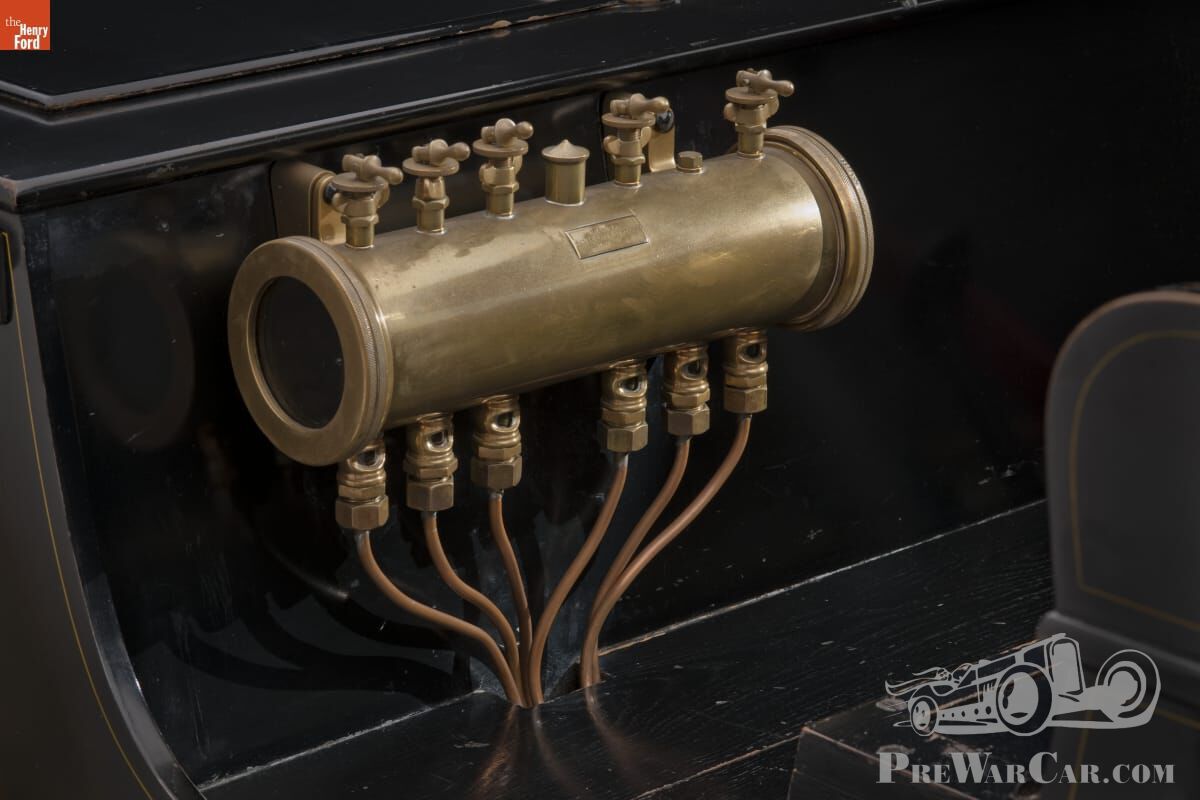
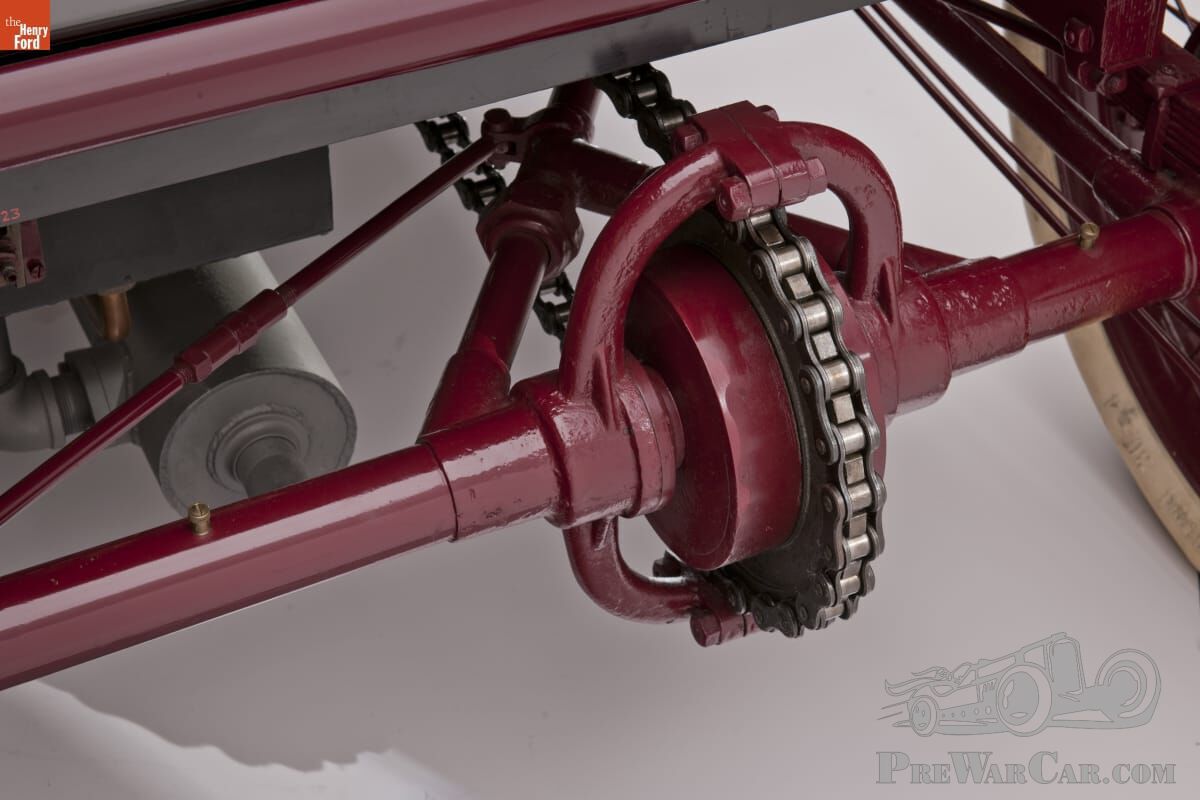
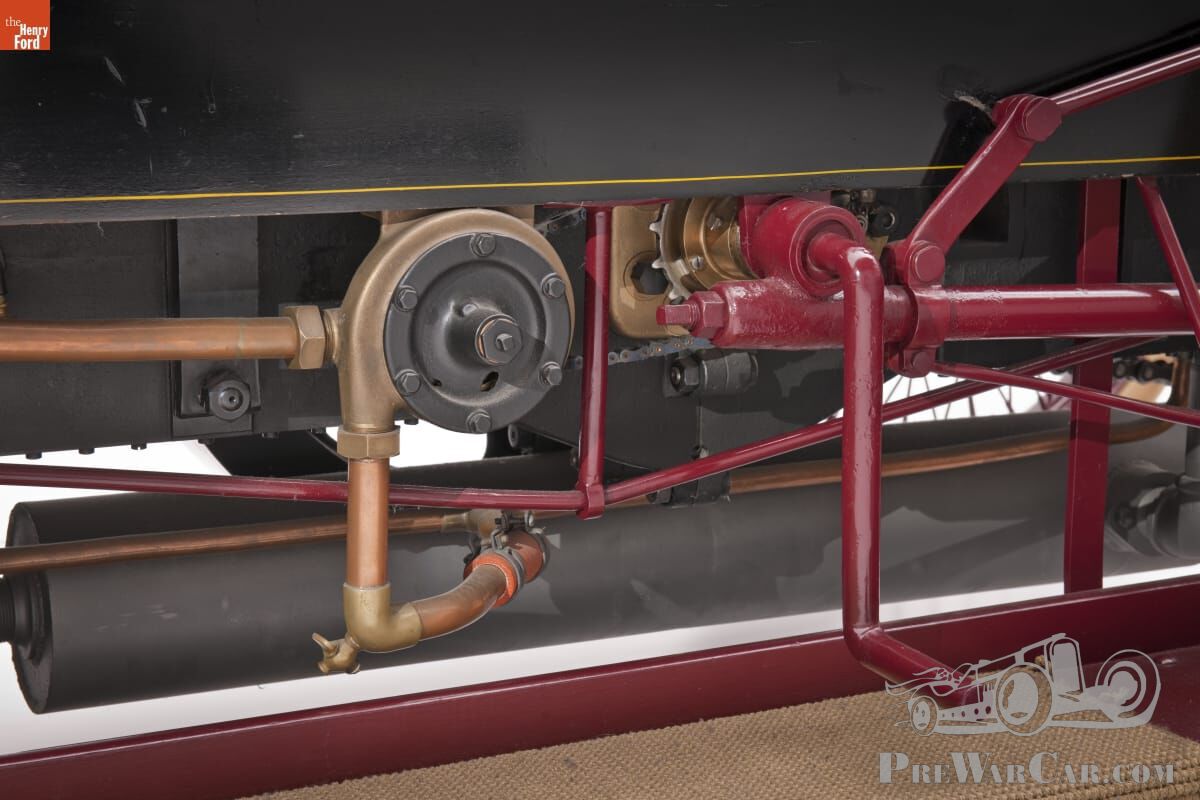
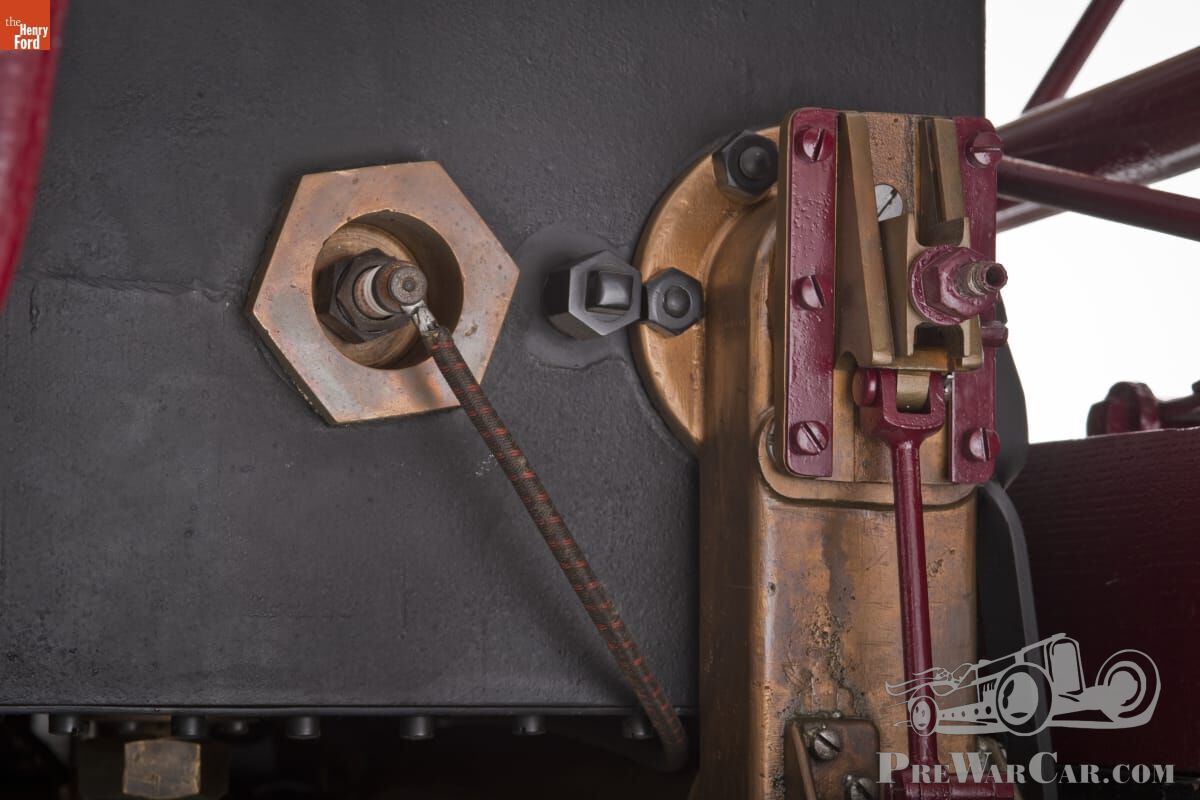
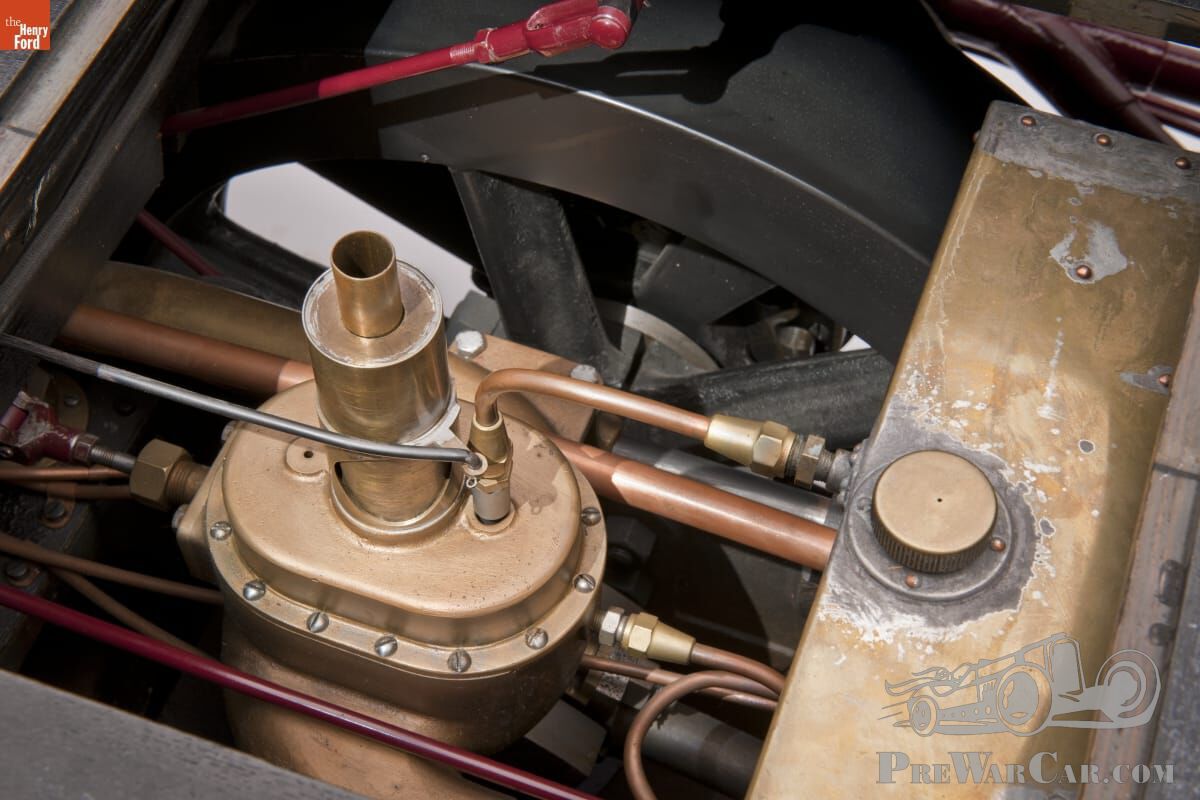


In the summer of 1901, the 38-year-old Henry Ford had reason to be glum. His first attempt at running a car making business, the Detroit Automobile Co., had just failed, and his financial backers raised doubts about whether or not he was sufficiently skilled as an engineer or businessman to justify further investment.
A lot rested on whether Ford could prove to them that he was capable of constructing a practical, reliable and competitive car that could hold its own on the American market, where dozens of new marques were springing up and quite a number were finding lasting success. On the one hand, if he failed, he might never have an opportunity to head his own car company again. On the other, if he could be permitted to develop not only his own cars but also his ideas for the economisation and rationalisation of their production, he might make himself a millionaire and change the world to boot.
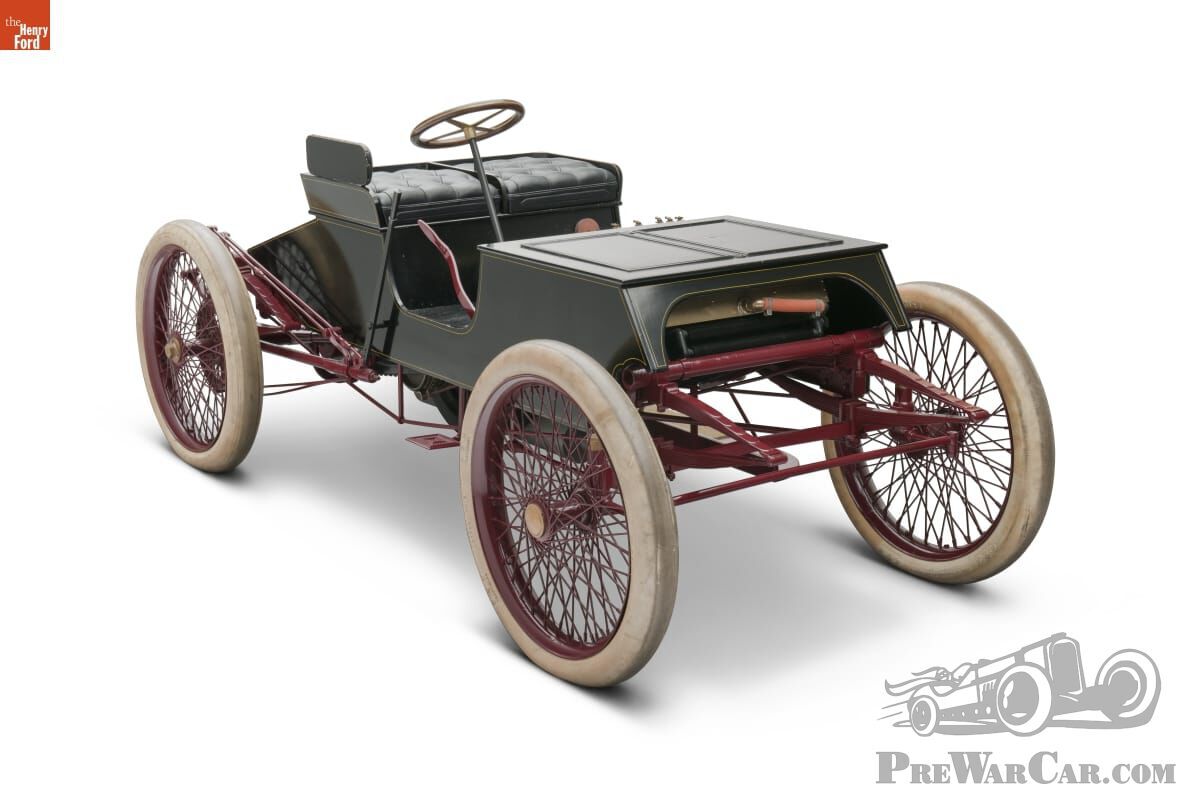
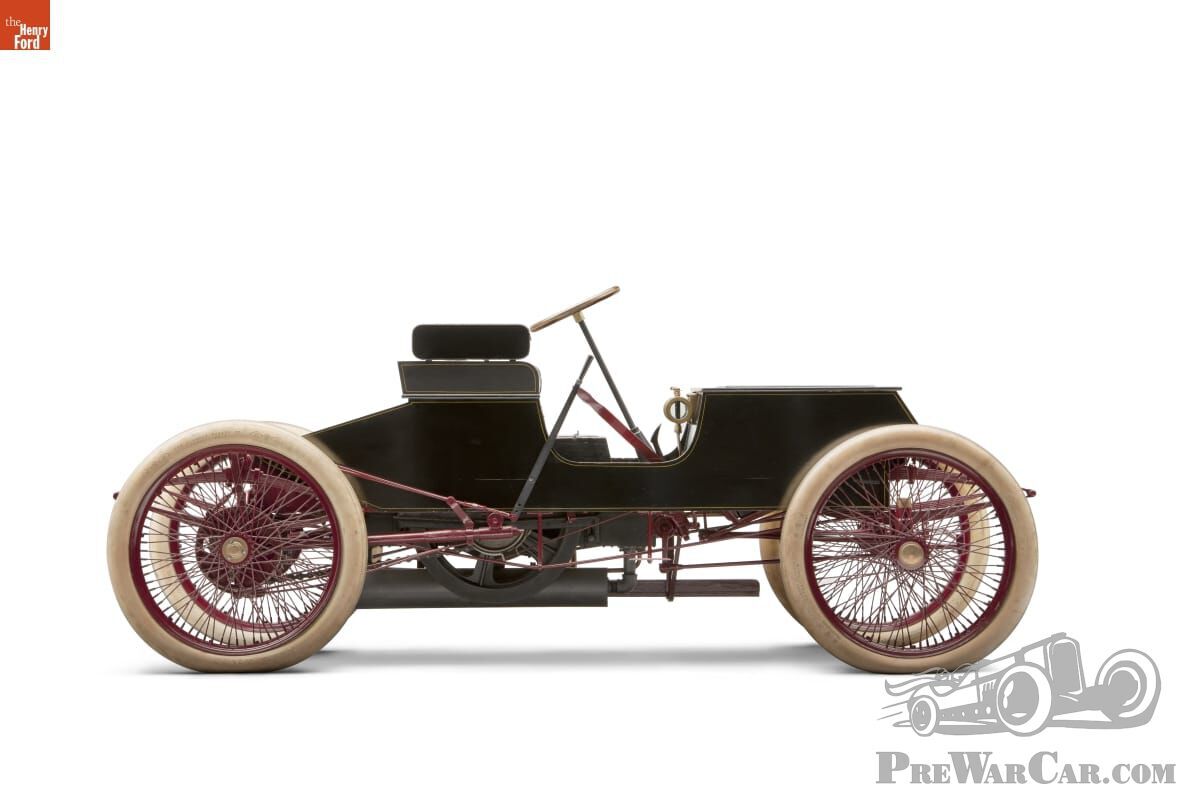
Rather than diving straight back into the increasingly saturated market for passenger cars, Ford decided on a change of tack: he would re-establish his reputation through the glory of auto-racing. Overseeing a team of designers including principal designer Oliver Berthel, electrical engineer Ed "Spider" Huff, machinists Ed Verlinden and George Wettrick, and metal-former Charlie Mitchell, Ford developed a low, lightweight autocar which was advanced in many ways, including in its use of a kind of fuel-injection system and what were possibly the first porcelain-insulated sparking coils (a precursor to sparking plugs). A Detroit dentist produced their insulation.
The engine was an enormous 'square' twin-cylinder of seven by seven-inch bore and stroke, giving a total capacity of 8,816 cc (538 ci). It produced an estimated 26bhp and was tested by Ford and Berthel at a credible speed of seventy-two miles per hour, the official land speed record at the time being 65.79 miles per hour.
Defeating Mr. Winton
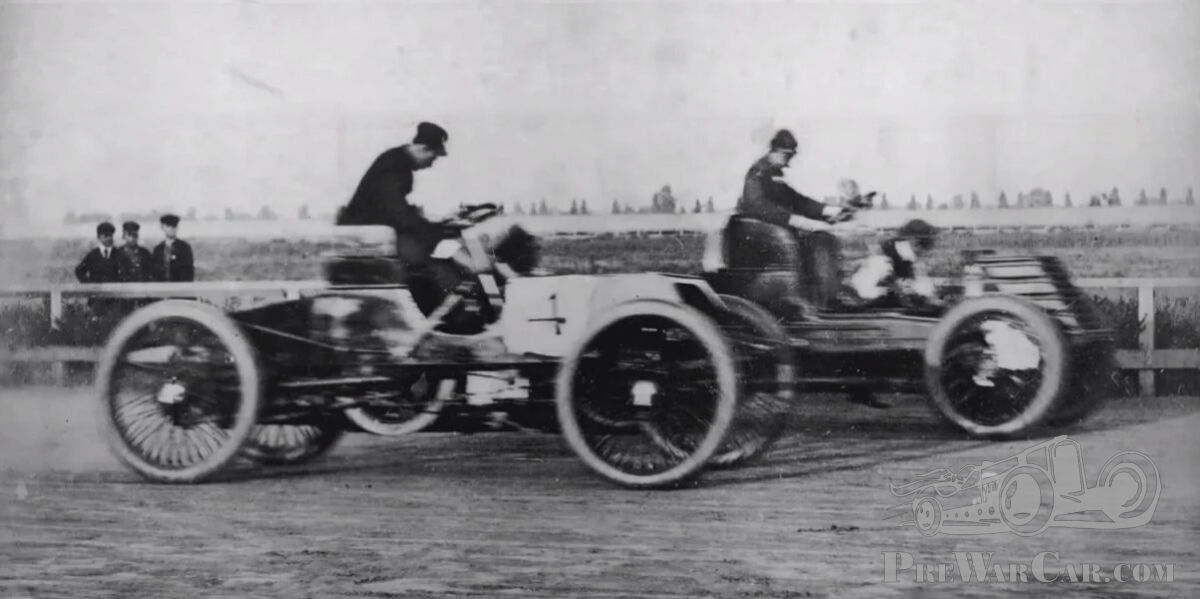
An opportunity for Ford to prove his worth came on October 10th, 1901, with a ten-lap sweepstake race at the old horse-racing track in Grosse Point, Michigan. The two-seat racer which was, until then, innominate, thus gained a name, Sweepstakes. Ford rolled his little car up to the starting block, neither he nor it having any kind of reputation in racing, and there appeared alongside him Alexander Winton, one of the most prominent car makers in the early days of America's auto industry, and a very creditable racing driver, too.
Ford's inexperience showed at first. Winton went storming ahead leaving Sweepstakes 300 yards in his wake, but so far as mechanical durability was concerned, Ford had the superior car. Winton's car developed trouble, Ford breezed past him on the main straight on the eighth lap, leaving him in a trail of dust, and so old Henry became the man of the hour. His wife Clara wrote: "The people went wild. One man threw his hat up and when it came down he stamped on it. Another man had to hit his wife on the head to keep her from going off the handle. She stood up in her seat [and] screamed 'I'd bet $50 on Ford if I had it.'"
Ford had gambled his future and won. He found investors to support him in setting up the Henry Ford Co. in 1902, although that didn't get far before he fell out with them and set up the Ford Motor Co. in 1903, with which he ultimately found lasting success.
As for Sweepstakes, Ford sold it in May, 1902, but remarkably it survived some tough times and was bought back by Ford in the 1930s. Sadly, it had suffered fire damage and a new body had to be displayed, but it was then placed on display in the recently opened Henry Ford Museum.
So begins Ford's history in motor-racing, which would expand over the years to encompass virtually every discipline, from pre-war dirt-track and hot-rod racing to NASCAR, drag racing, Le Mans, saloon car racing, rallying, Formula Ford and much more besides.
This year, InterClassics Maastricht will be celebrating 120 years of Ford performance, and visitors will be able to see some of the most important and historic of Ford's sports and racing models on display. The PreWarCar.com and PostWarClassic.com team will be present in the North Hall, on stand N.746, where we will be exhibiting the remarkable Ford Model A Twin Engine Special built by Model A specialist Tobias Ballard, plus a replica of the original 1896 Ford Quadricycle.
You can buy tickets here, and we hope to see you there.
Publiziert:
Dienstag Januar 2nd, 2024
Facebook
LinkedIn
Twitter
WhatsApp
Email
Copy
Kommentare
Tom E.
08 Januar 2024, 07:59
Great early history of Ford in competition. Thank you.
Weiter lesen