Das weltweite Magazin und der Marktplatz für Oldtimer-Enthusiasten – von Enthusiasten.
Das weltweite Magazin und der Marktplatz für Oldtimer-Enthusiasten – von Enthusiasten.


Filter
Auswahl treffen
- Autos
-
Marke >>
-
Baujahr >>
-
-
Kategorie >>
-
Länder >>
- Motorräder
-
Standort >>
- Teile
-
Automarke >>
-
Hersteller >>
-
Kategorie >>
- Fahrräder
-
Baujahr >>
-
Länder



Impressions of motor sport: in conversation with Peter Hearsey
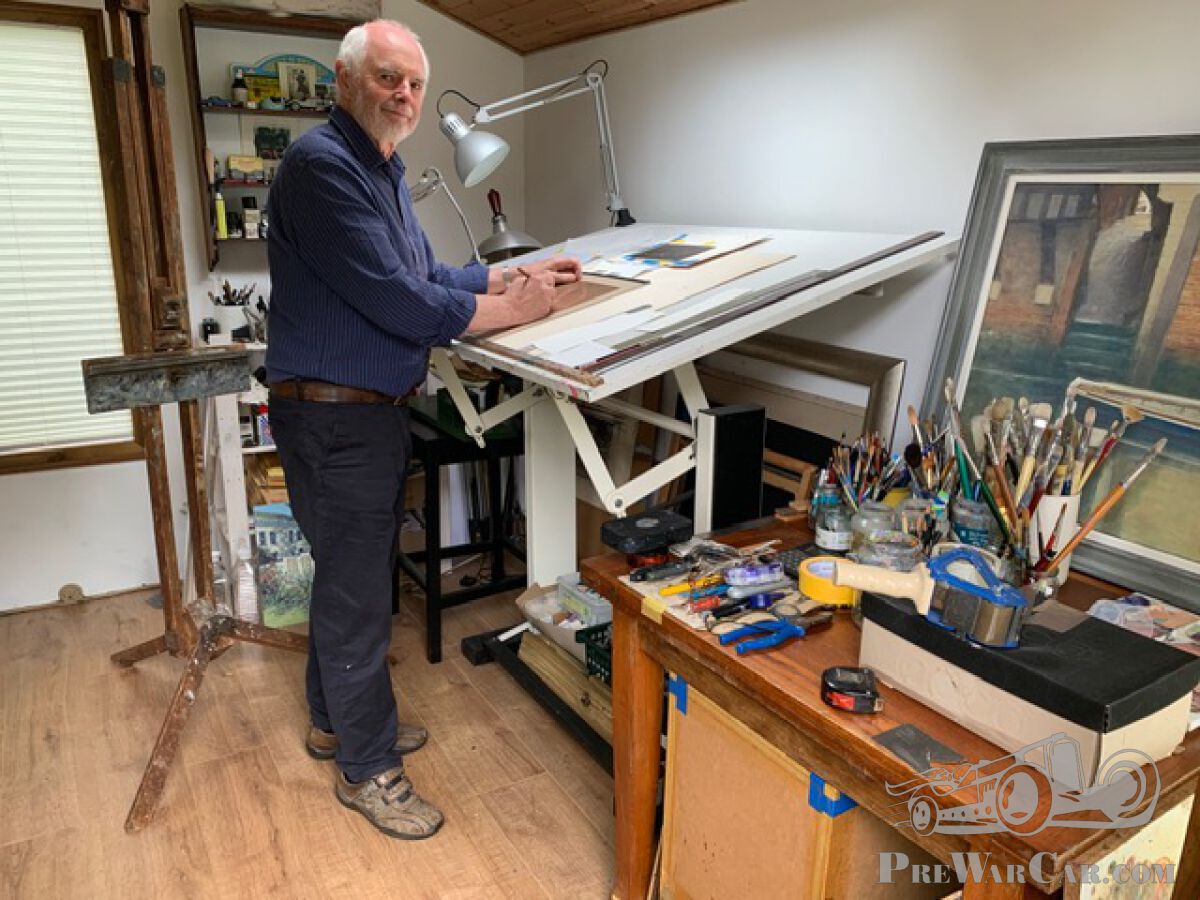
Peter in his studio on the Isle of Man
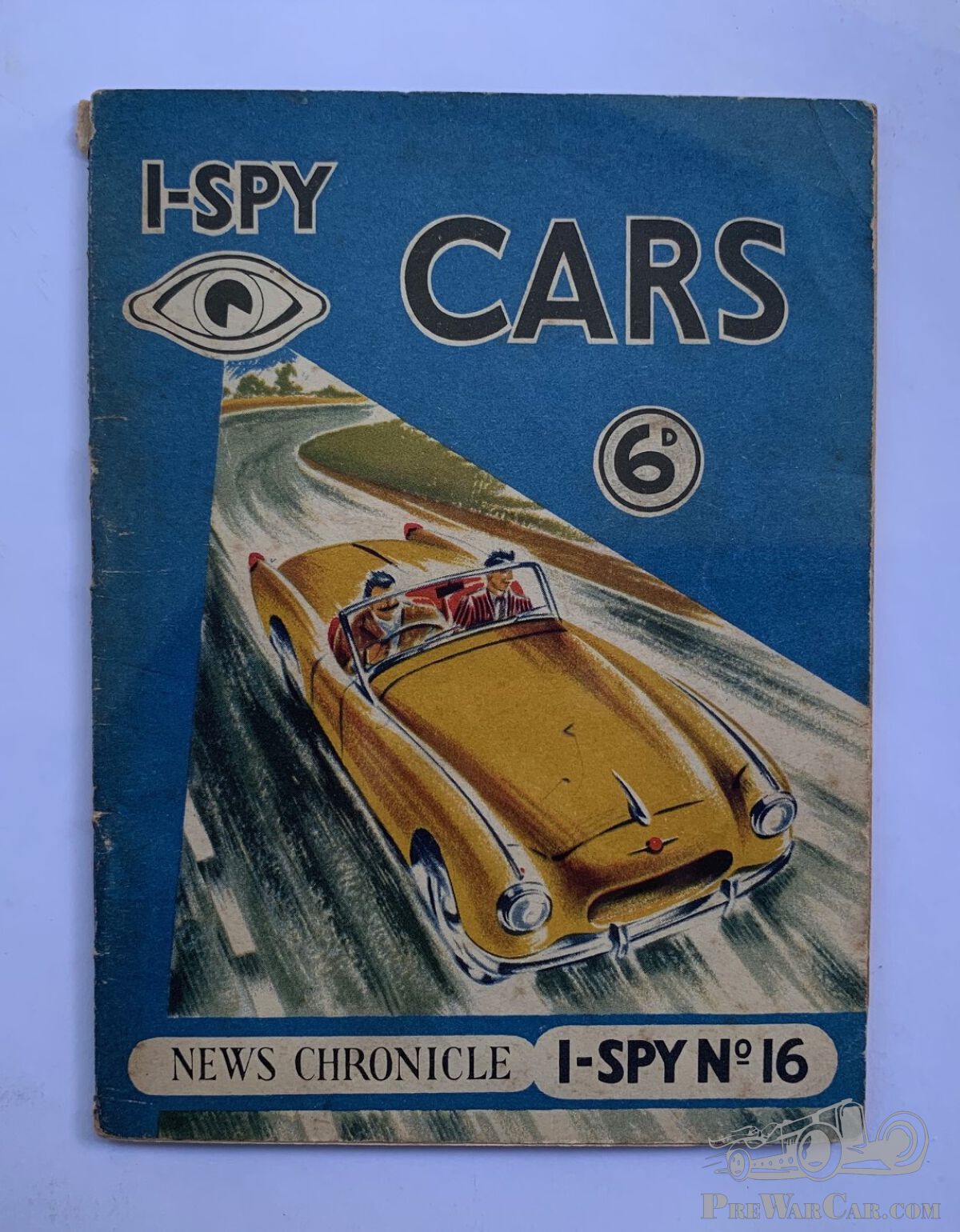
The I-Spy book which nurtured the young Peter's interest in cars

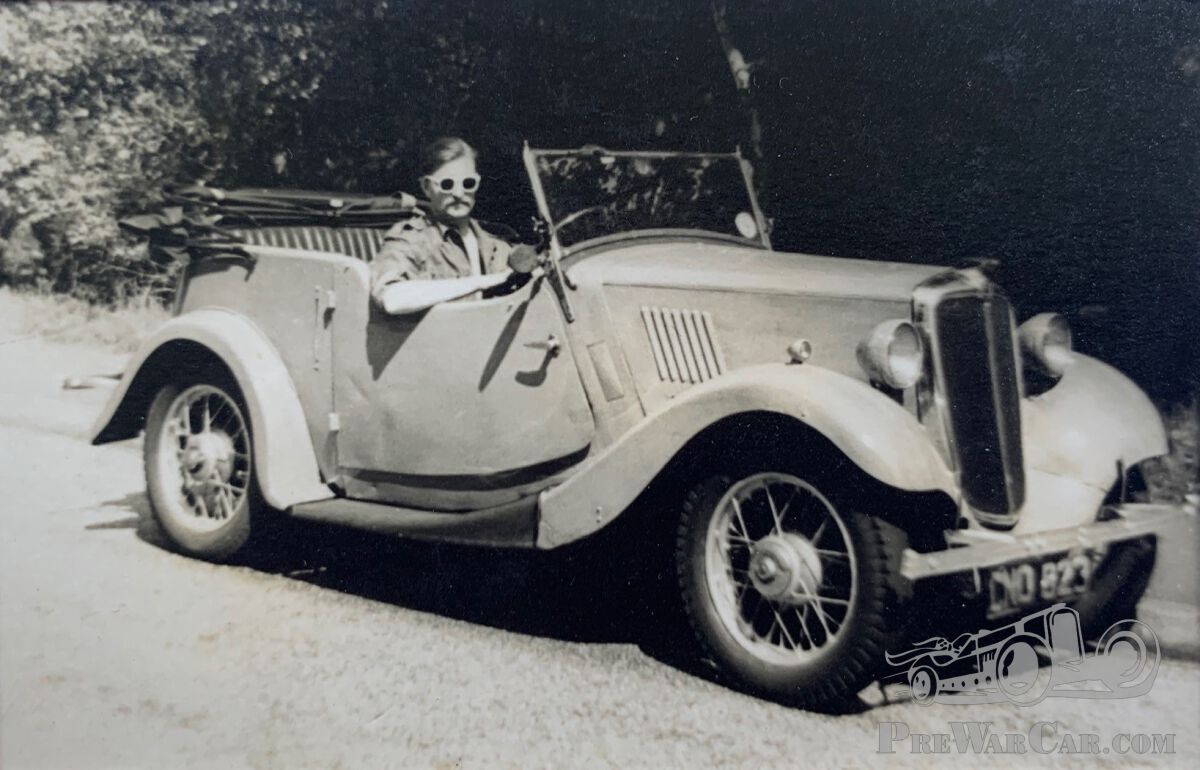
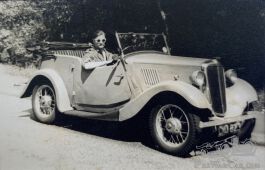
Peter's father at the wheel of the family Morris Eight, circa 1954
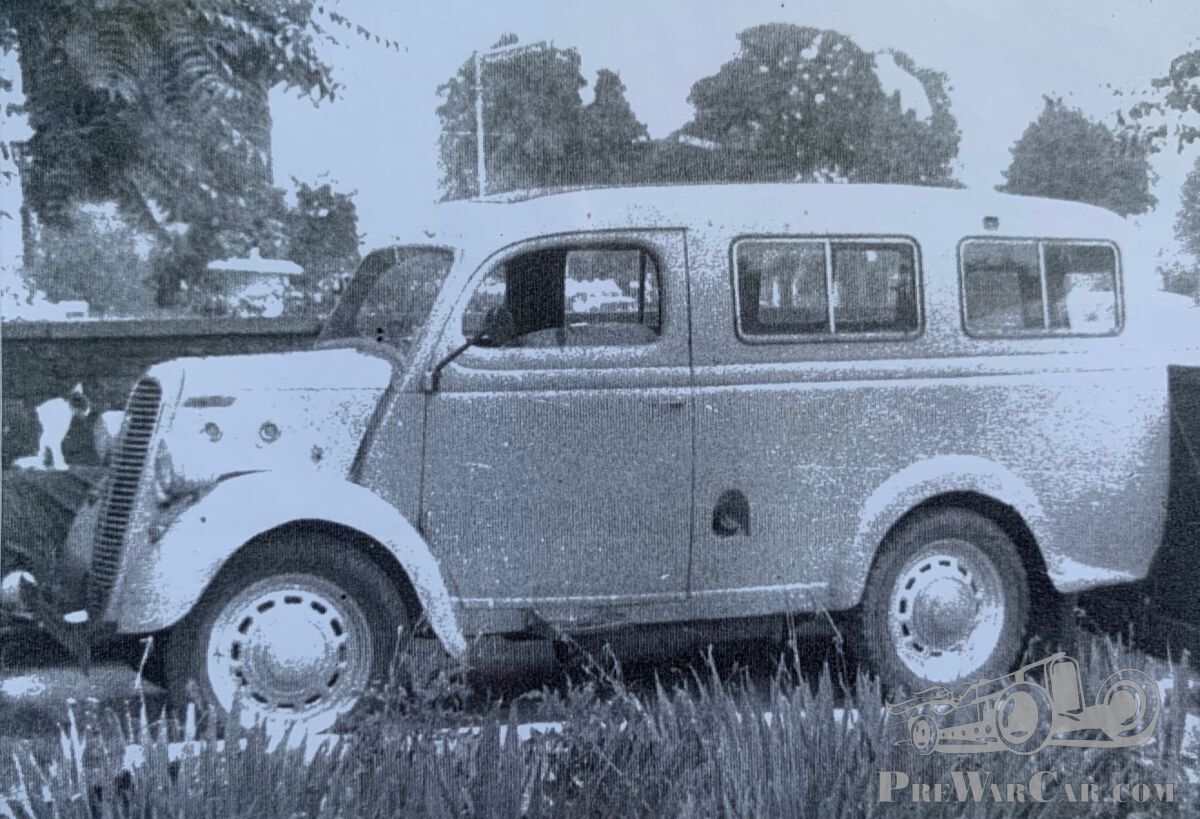
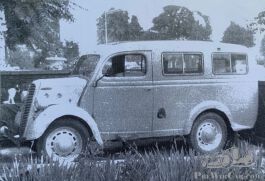
This Ford E83W van with added side windows was Peter's first vehicle, which he bought for £30 in 1966
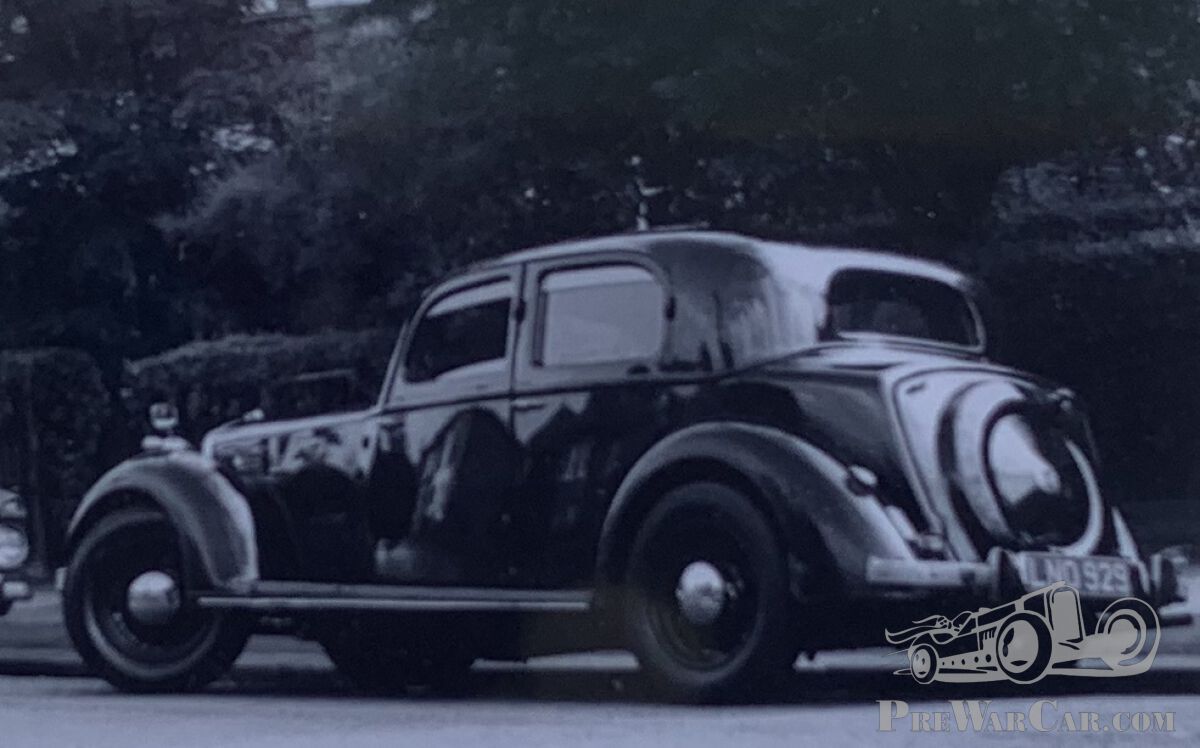
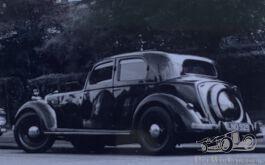
Peter then owned this Rover 16—"The car I wish I still had"
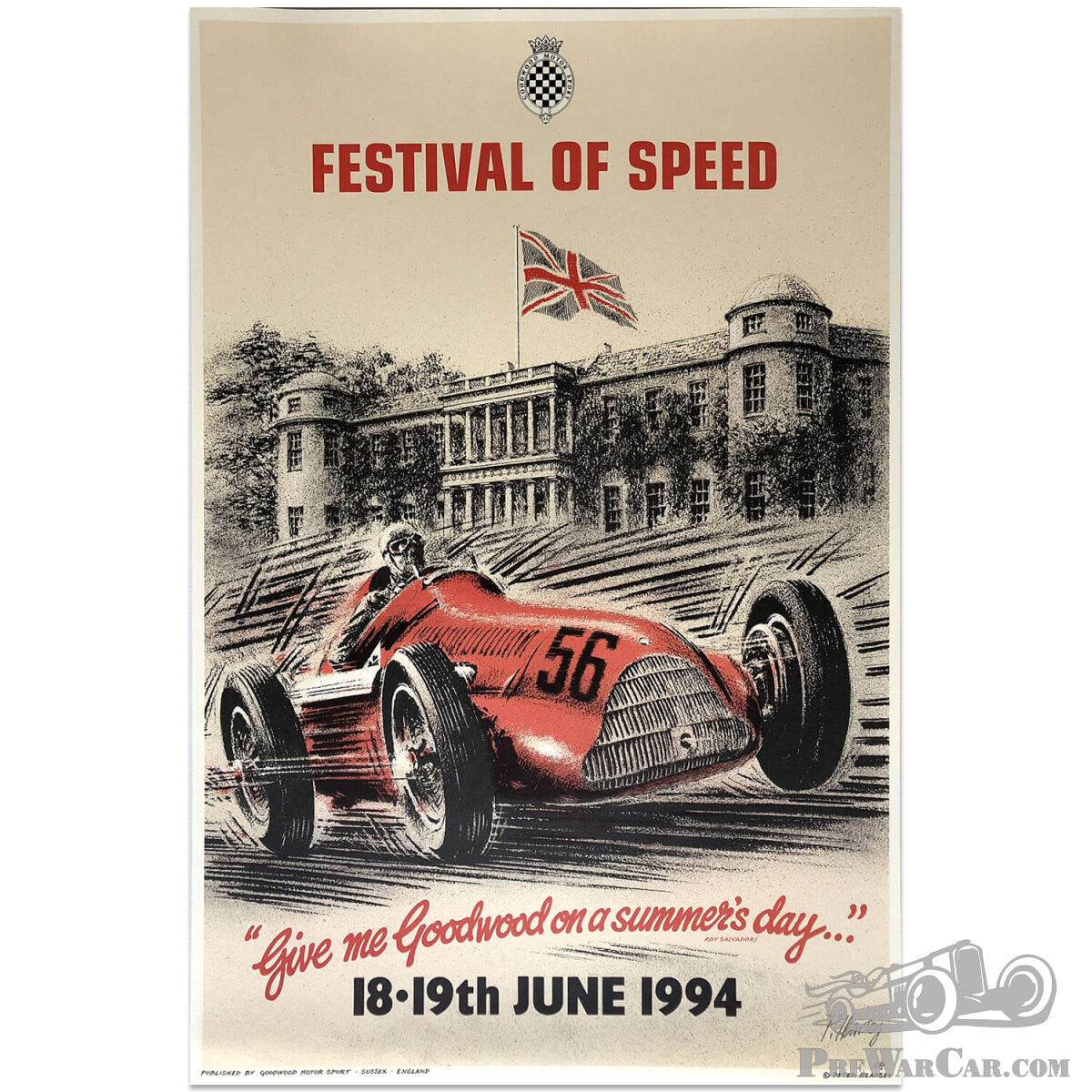
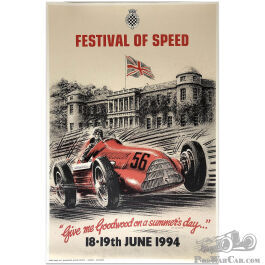
Peter's first artwork for the Goodwood Festival of Speed
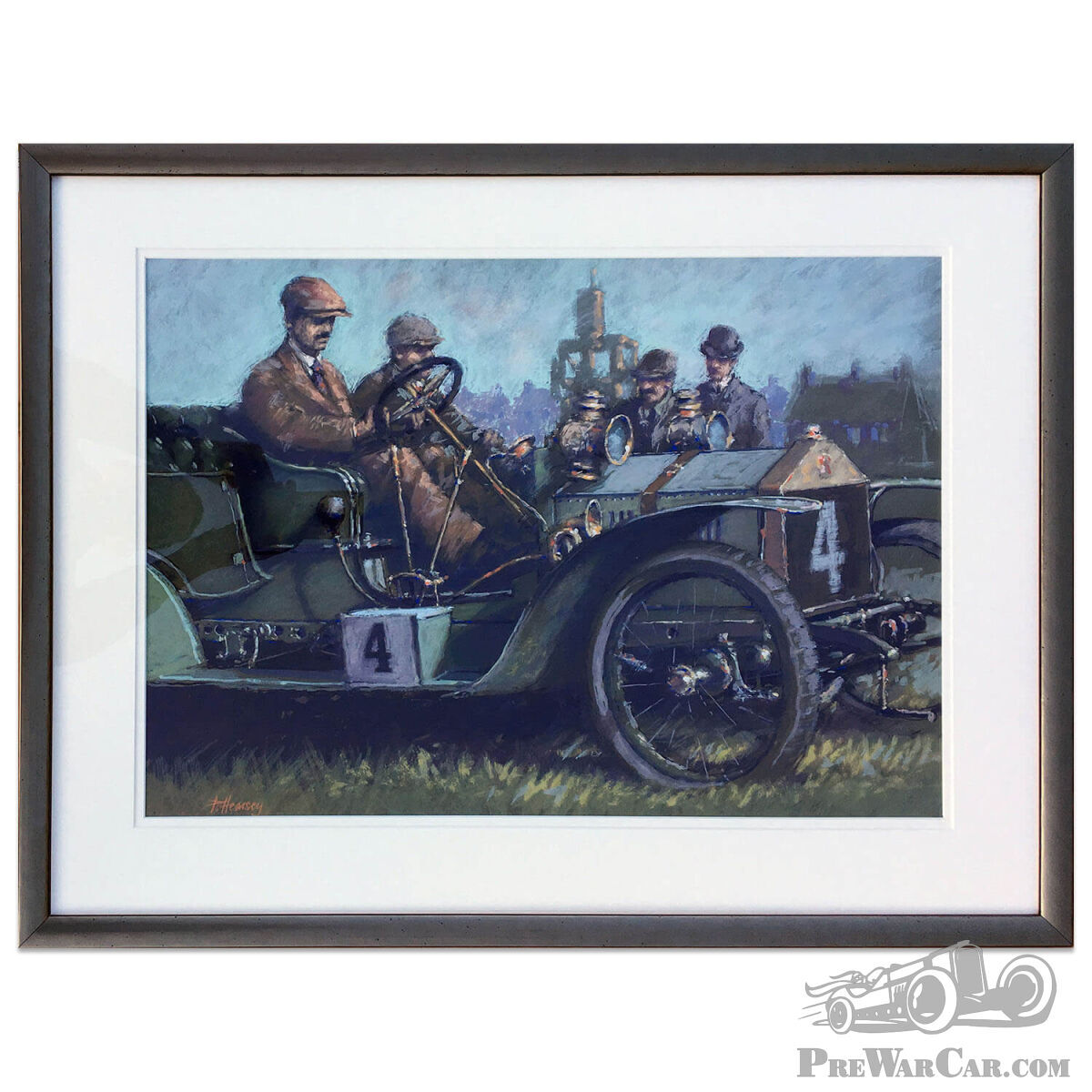
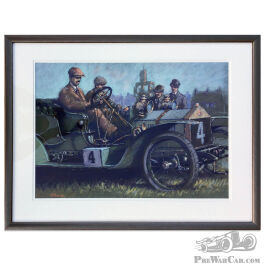
C. S. Rolls on the Isle of Man, 1905
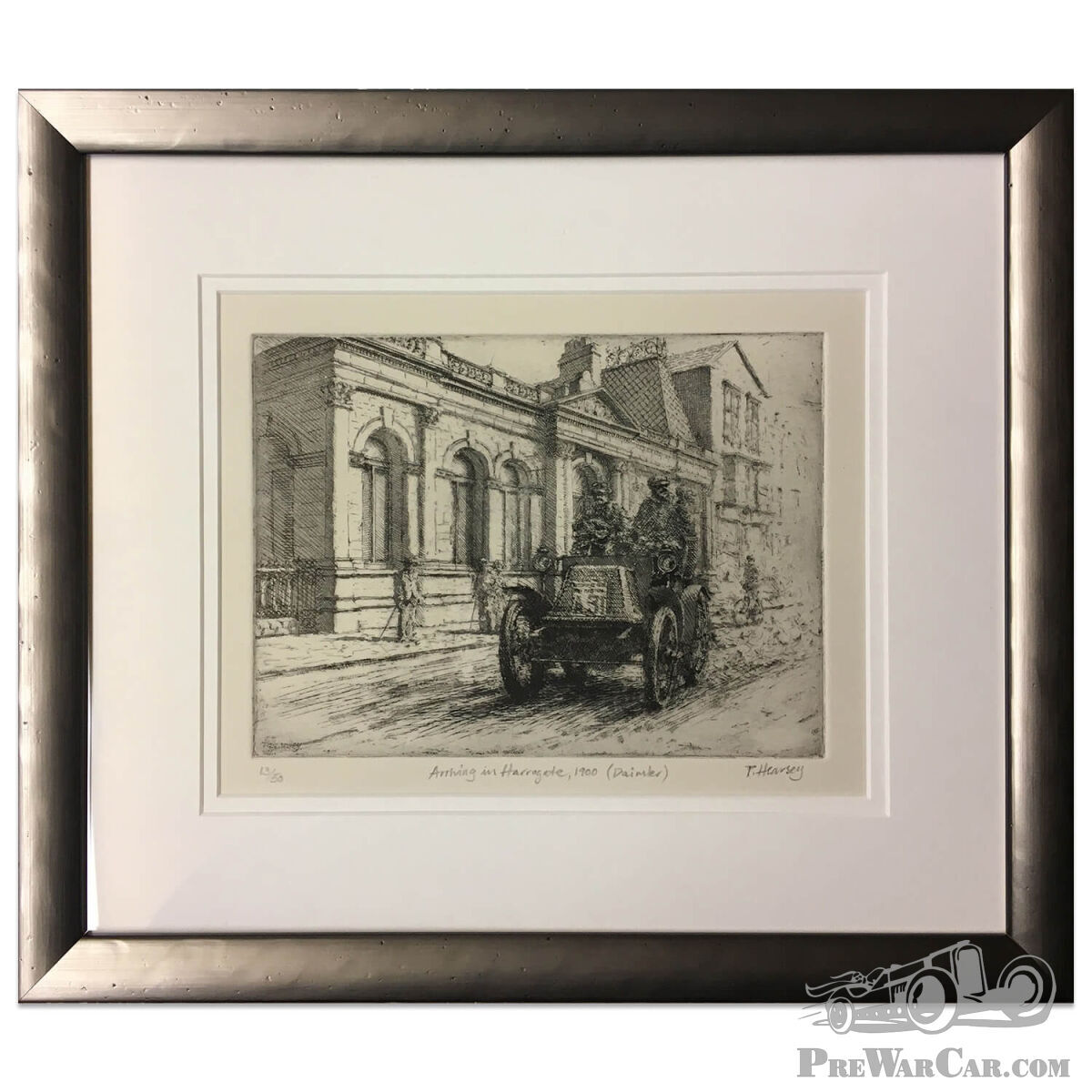
Arriving in Harrogate, 1900 Daimler
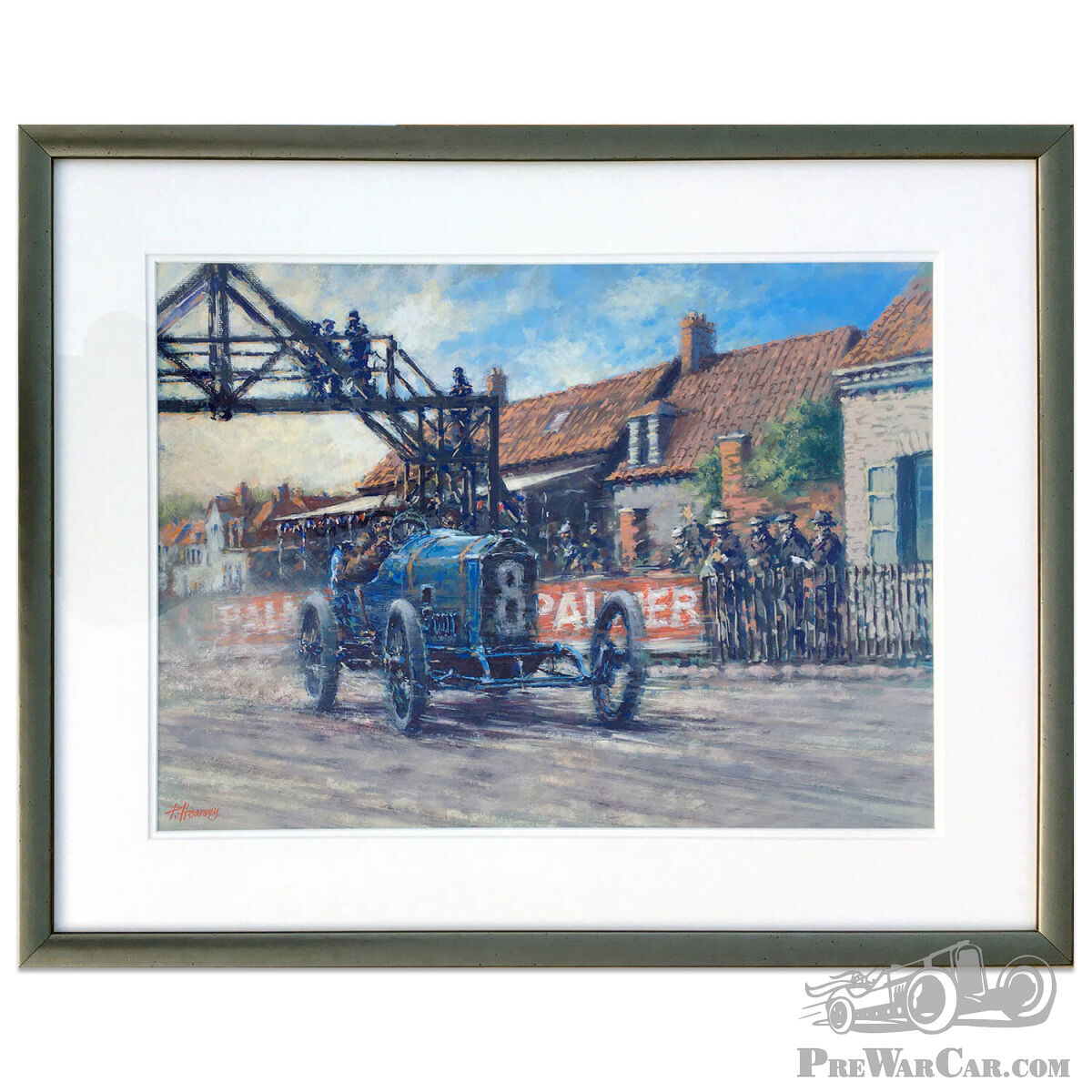
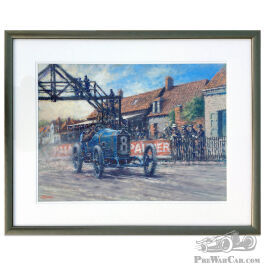
Boillot's Peugeot, French G.P. 1913
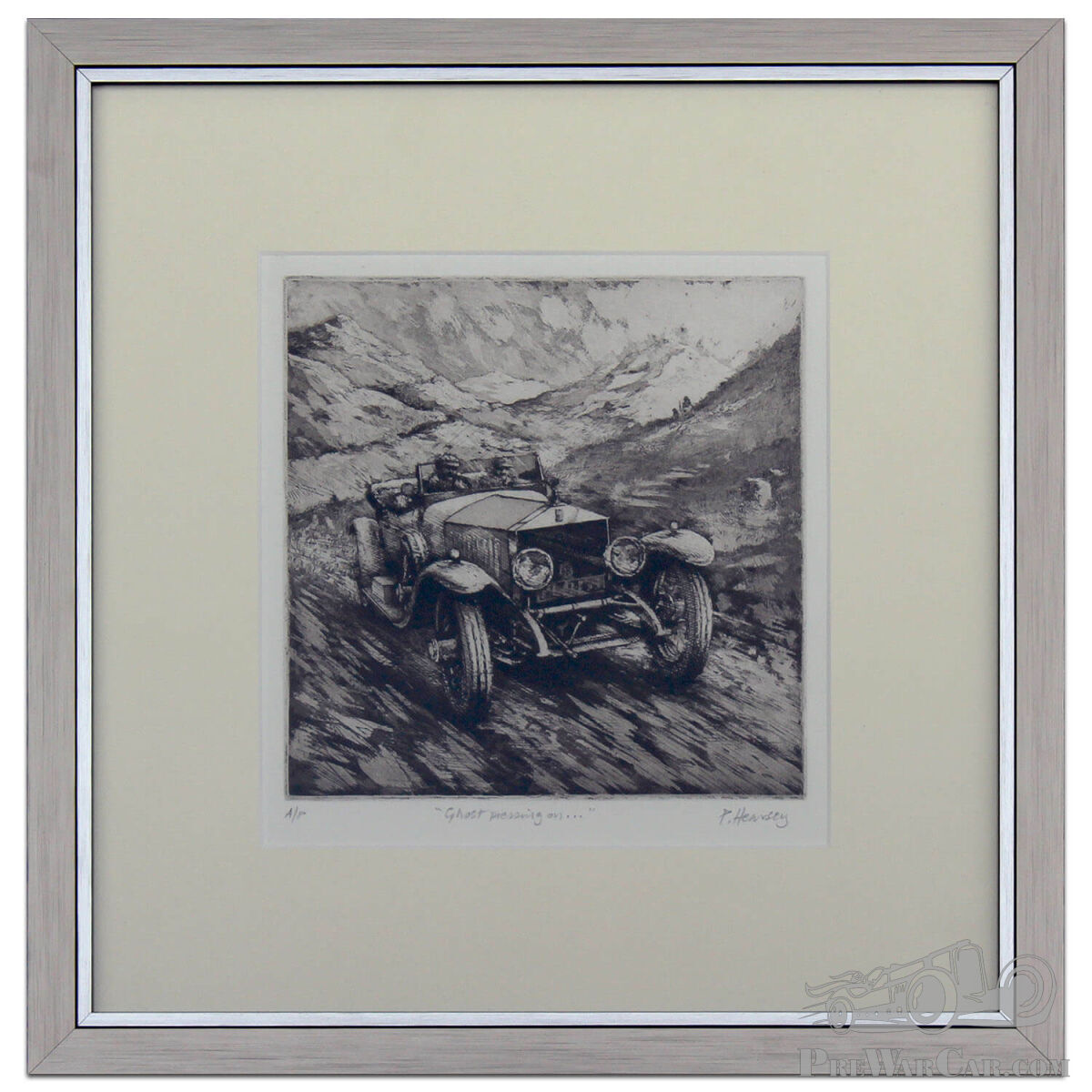
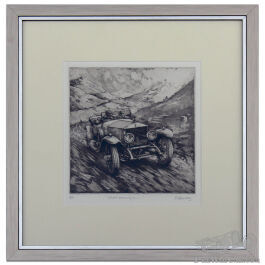
Ghost Pressing On
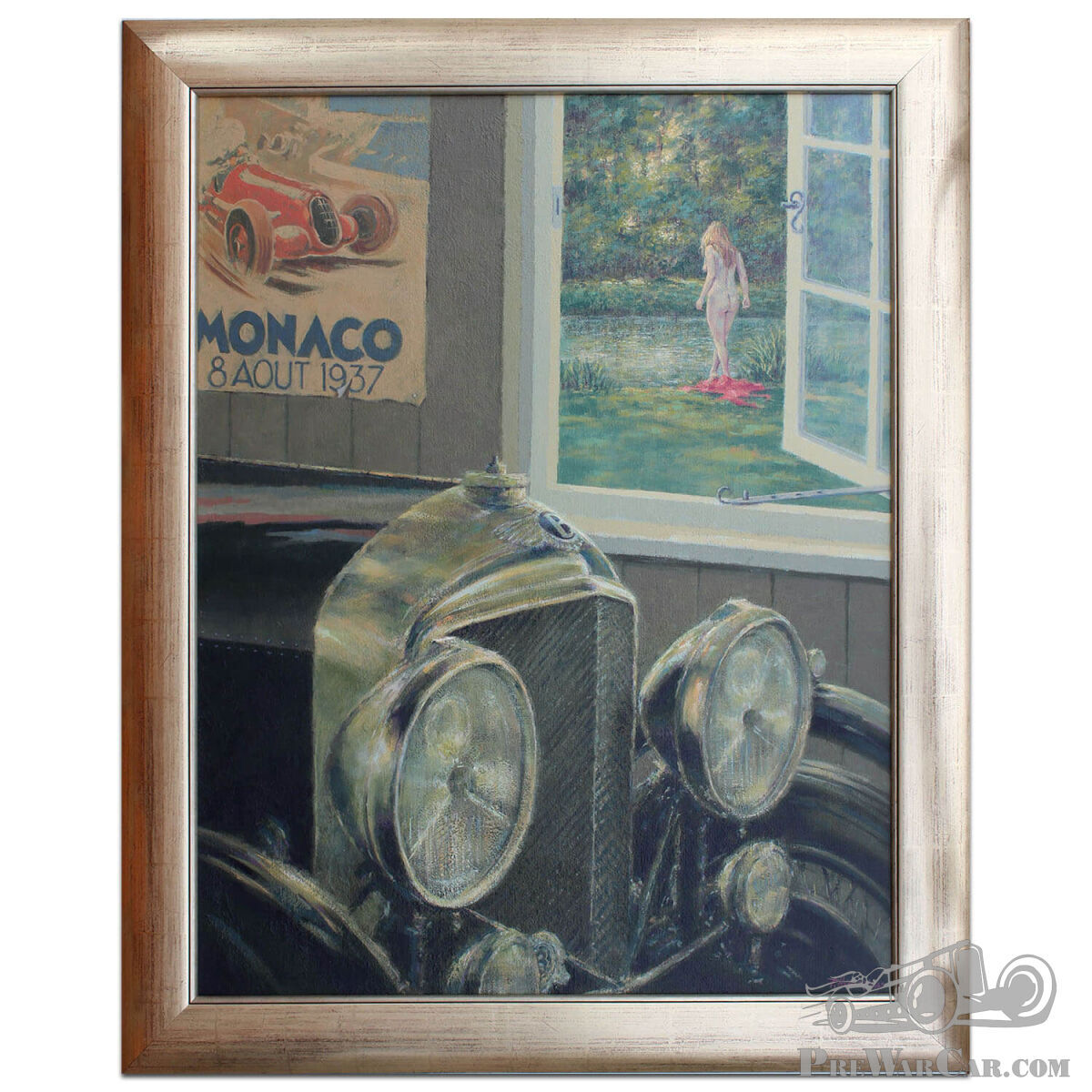
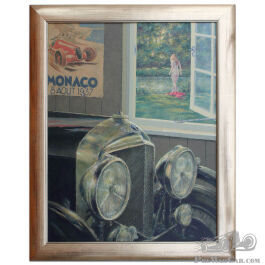
Summer Afternoon

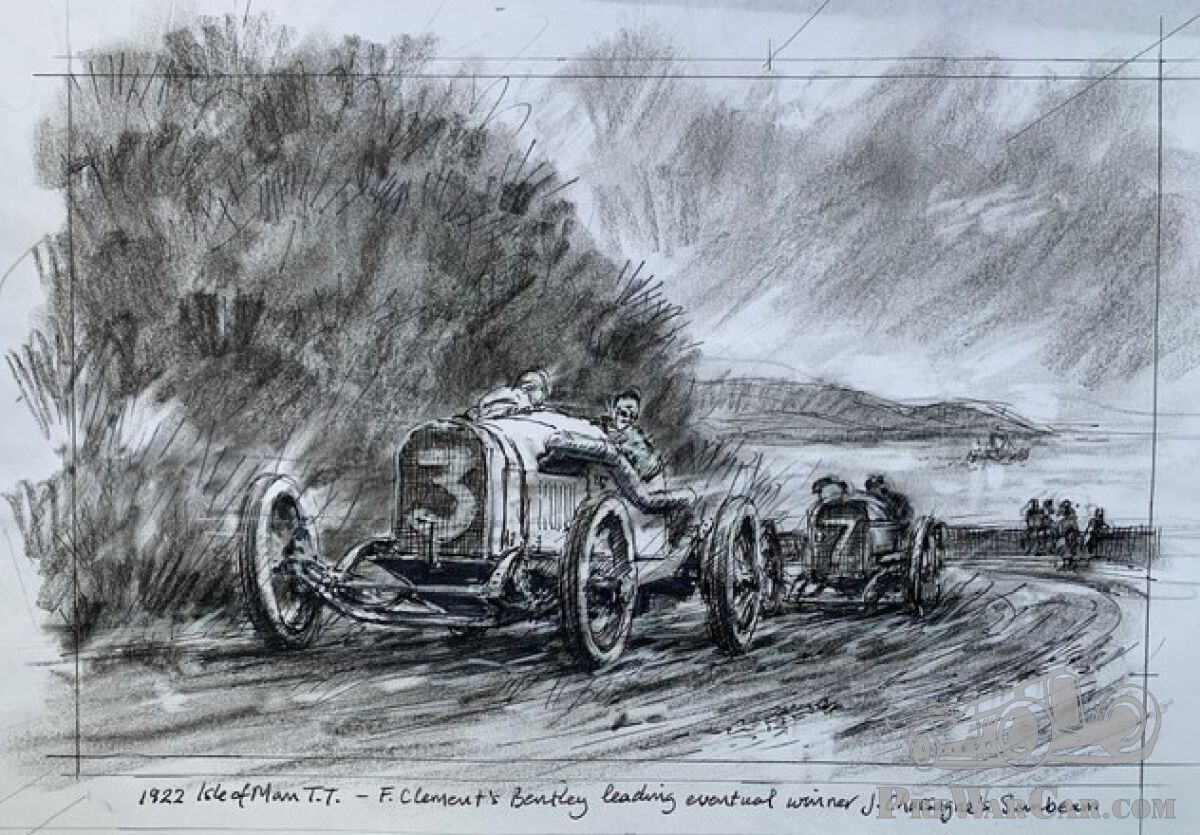
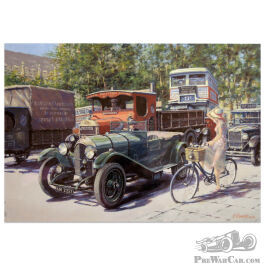
Bentley in a Jam

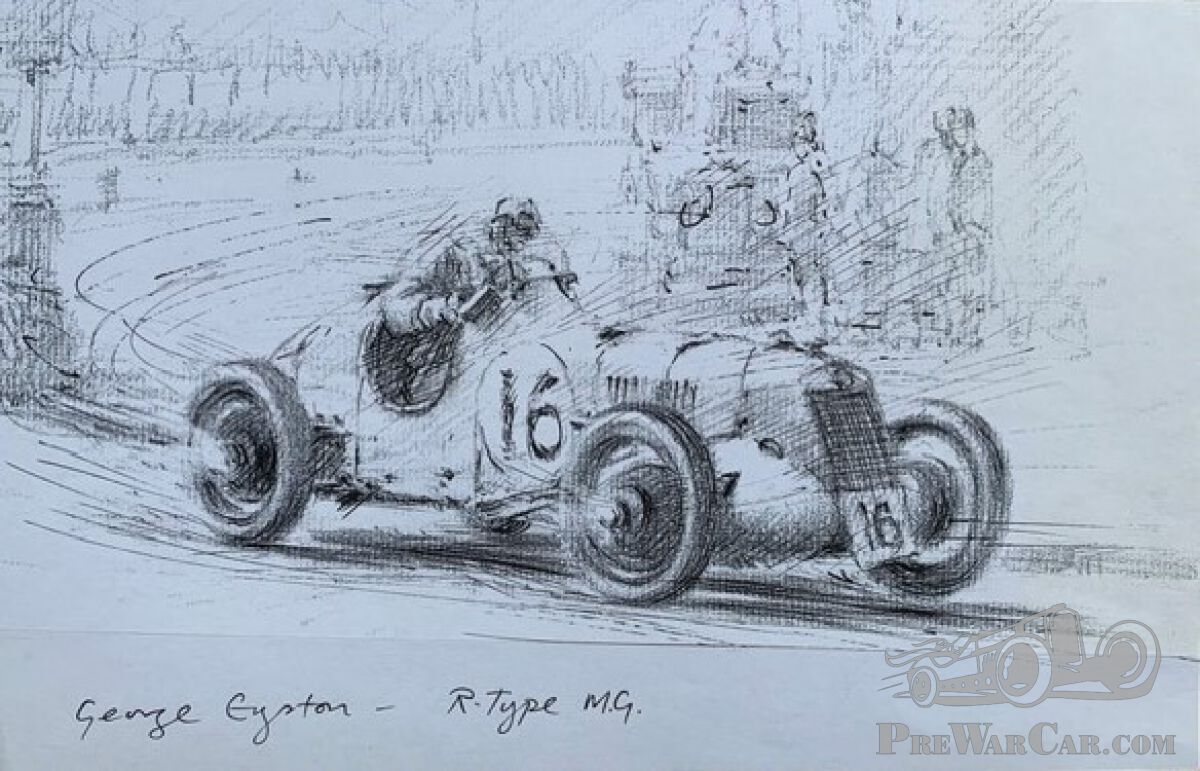
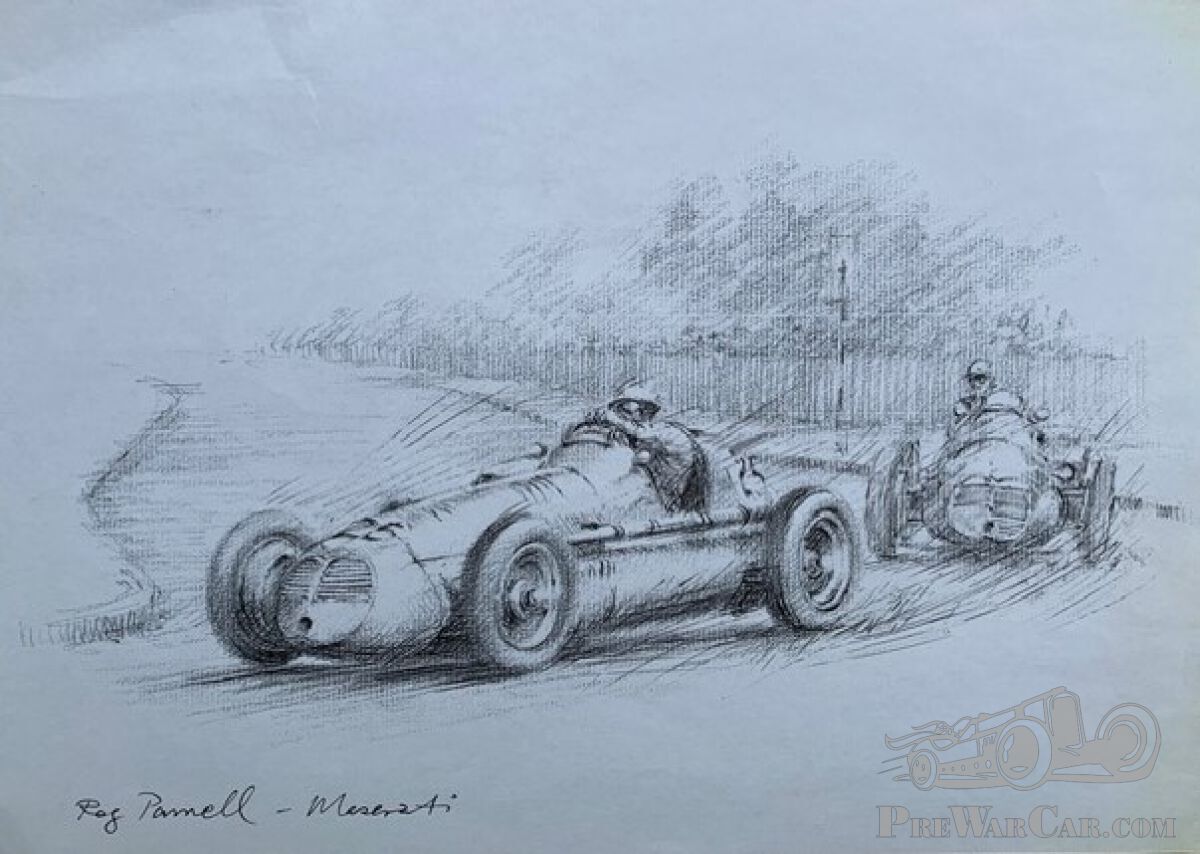


It is the artist’s prerogative, perhaps, to seek and always find whatever is picturesque in the world about him, and Peter Hearsey would not be an exception. Growing up in suburban Wimbledon, where the motley architectural assortment of orderly Georgian townhouses, triumphant Victorian grandeur and prim Edwardian terraces was scarred with bombsites, and the former village thrummed to the mechanical rhythm of modernity as the flow of traffic steadily increased, Peter was never more at home than when absorbed in the tranquillity of the rippling Thames. After more than 10 years of working in the heart of London, while it became steadily busier and its buildings ever taller, he made his escape to the Isle of Man, where beauty and sublimity are so mingled in the rolling heath, remote ruins and craggy cliff faces that the artistic imagination cannot fail to be excited, even in the least sentimental minds. But there is a beauty in mechanisms, too, and in motor cars especially, and Peter perceived it very keenly.
“I was actually born in Devon,” Peter says, “because towards the end of the war when V2 rockets were coming over London and it was thought my mum should stay with her aunt in the country, but after the war we came back and lived in the same house as my maternal grandparents, because everywhere housing was short. When my father was demobbed from the RAF, he bought an old boat which we kept on the Thames at Kingston so I grew up messing about on the river. My parents were both keen amateur artists and we used to go up to town to the Tate Gallery and the Science Museum. There were certain artists I admired.”
The Impressionist strokes of Peter’s work betray those favourites. “I especially like Toulouse-Lautrec and Pierre Bonnard, and English artists like Walter Sickert—it’s all fairly Impressionistic. It’s only recently I’ve come to appreciate the Old Masters. When I was young, I was more interested in the contemporary stuff, but now I’m really fascinated by artists like Hans Holbein, Vermeer, Rembrandt, &c.”
Picking up the paintbrush
Peter was not academic but excelled at art, and was determined to carve out a living from his talents. Upon leaving school at 15, however, he fell into an occupation where artistic leanings are liable to be influenced, but hardly required; he had befriended a Dutch skipper, got a job on a little coaster which the Dutchman owned, and spent several months of his youth drifting across the North Sea and up to the Baltic, as far north as Finland. He was back on his true course before long, and enrolled at an art school in Hull. Upon graduation, he found himself a bedsit near Notting Hill Gate, long before it was a fashionable place, and found work in advertising as a visualiser and illustrator.
“I worked first in an advertising agency,” Peter recalls, “built up contacts and went freelance in the end, then I moved to the Isle of Man in 1977. I naïvely thought I could become a real artist because at art school I’d done two years of fine art before changing to graphic design. I always wanted to paint pictures for a living, but it wasn’t to be at that time; the sort of thing I did wasn’t of interest to tourists, so I slipped back into advertising for a time before I started painting automotive pictures for a pastime, because I’d always been interested in old cars. In 1989, a piece of artwork I’d done was chosen to be used for a historic race meeting at Lime Rock, Connecticut, and it went from there.”
Now we are onto the subject of cars, we might ask from where the interest, and the æsthetic appreciation came. The answer, simply, would be from observing the day-to-day traffic of his childhood, plus the exciting and dramatic illustrations and photography of race meetings which appeared then in every motoring magazine.
Fond memories of family motoring
“Our first car after the war was a 1932 Austin Seven, then we had a Morris Eight tourer, then a Ford Eight, so I was used to pre-war motor cars. I didn’t get my first car until I got married in 1966, and that was a 1946 Fordson 10cwt. van. After that, I chopped and changed and had all sorts of things, an old Morris Oxford and a 1946 Rover 16. I had a very tatty MGA and an MG ZA Magnette. A big influence in getting me interested in cars in the early ’50s was the News Chronicle, a broadsheet paper, which issued a series for children of I-Spy books. I had the one for cars and in this book there were line drawings of cars of all sorts, saloons and sports cars, mainly pre-war at that time, and you could stand on the street corner ticking off the cars you saw. I can generally spot quite obscure pre-war cars thanks to these books.”
Peter continues, “I was fascinated by motor racing and reading about it. For Christmas one year I got Stirling Moss’s first autobiography, and years later I got to meet him at Lime Rock. He helped me quite a lot over the years with finding references for my racing pictures and remembering details.”
Some readers will know Peter best for his Goodwood Festival of Speed commissions, but he never supposed he’d be illustrating Goodwood posters on the one or two occasions when he visited the circuit as an enthusiastic spectator in the 1950s. “In 1994, I first met Lord March when he had just started the Festival of Speed. He had seen my work and asked if I’d do the poster, so my first one was ’94, though the first event had been ’93.”
A Hearsey painting thus became an annual Goodwood tradition until 2014: “It was really fun in the early days, but as the event got bigger and bigger I decided it was time to hand over to someone else.”
The romance of the road, from early veterans to Grand Prix greats
Like many of his fellow artists, Peter finds no shortage of inspiration in the heroics of the Grand Prix and sports car racing from the 1920s onward, and dramatic, speed-infused oil paintings such as MGs at Brooklands, French Road Racing, Coppa Acerbo 1934 and Bentleys at Le Mans are typical of his work in that respect, but he is one of relatively few contemporary artists to also celebrate the skill and bravery of drivers of the veteran and Edwardian eras. Boillot’s Peugeot is such a one, depicting the winner of the 1913 French Grand Prix hurtling through Amiens in a blur, hunched determinedly over the wheel. Going further back in time, motor cars were more sedate—too sedate for many people, it must be said—so it is gratifying that Peter appreciates the romance of the pioneers. Arriving in Harrogate, an etching, imagines a 1900 Daimler pressing on through the Thousand-Mile Trial. The 100th anniversary of the trial was marked by a re-enactment in 2000, and Peter produced the work for an art exhibition in Harrogate, where the drivers made an overnight stop.
Besides oil paintings, etchings are another of Peter's talents. Although a completely different medium, one cannot help but observe how reminiscent some of these are of Gordon Crosby’s works in charcoal and gouache. This is especially true of Ghost Pressing On, depicting the victorious Silver Ghost in the 1913 Alpine Trial; to one who doesn’t know, it could well be one of Crosby’s "Motor Mountaineering" imaginings.
These motor sport scenes are all very fast-paced and evocative and completely soaked in the essence of pre-war racing, but it may be Peter’s static scenes which stand out most of all, perhaps because they have the least basis in reality and the most in his own imagination. Summer Afternoon shows a 4½-Litre at rest in a garage. Too hot for work, the young mechanic to whom it has been entrusted is looking longingly out of the window, which swings open into a 19th-century Impressionist dreamscape, a forbidden garden, where a bathing nude slips secretively into a shaded pool. It is a wistful, tranquil and sensitive work in which is distilled something of the spirit of everlasting youth. In Bentley in a Jam, a Three-Litre is brought to a standstill by London traffic. The very rakishness of the car is emphasised by its contrast with the cumbersome commercial transport that towers over it, but there is human interest, too. The Bentley driver, being a Bentley driver, could not help but catch the eye of the English rose on the bicycle, and is either making an offer she can’t refuse or evangelising about the advantages of aluminium pistons. Even traffic jams had their charms in the 1920s.
“With most of the paintings I do of old things, the original spark comes from a contemporary photograph,” Peter explains. “I did find a photograph of a street scene with all those different vehicles in a traffic jam. Of course there wasn’t a Bentley in the original photo, but I was going to the Pebble Beach Concours and that particular car was going to be there, so I plonked that in front and thought it would be fun to have the driver eyeing up the young lady. I started doing research in the early ’90s, reading up on the early history of races, drivers and teams, and then I started looking at books and photographs. One thing led to another and it built up from there. Very often I paint in quite a free way, and loosen things up, but it’s difficult to explain, really.”
Finding international renown
Enthusiasm for Peter’s work is not just confined to the British Isles. He’s enjoyed a particularly strong following in America, too. “In 1991, I was invited to the Meadowbrook Concours in Michigan and was elected to the Automotive Fine Arts Society in the States the following year. I exhibited at Pebble Beach most years, and did the poster for the Concours in 2015 and for the Tour in 2008. In the ’90s, my wife and I used to spend six months of the year in the States as the chap who had invited me over there in 1989 became my agent and found commissions for me in various subjects as well as motorsport. On that first visit to the States in ’89, my wife and I met a lovely couple, Frank and Janet Allocca, who invited us in 1991 to stay in their home in New Jersey. Frank had some great cars so I was spoilt, being able to drive his Morgan Plus 4, R-type Continental, Lancia Aurelia and 4½-Litre Bentley, among others.
“The only older car I’ve got at the moment is a 1980 Mercedes 230CE. We belong to the Manx Classic Car Club and which meets every month. I’ve had the Mercedes for about 10 years and before that I had Volvo Amazon 122S following on from an MG ZB Magnette, Volvo 1800S and an Alfa Romeo Alfetta 2000GT.”
Being so fond of motorsport and living on the Isle of Man, it must go without saying that Peter looks forward to the motorcycle T.T. every year and has painted many a scene from it. Through this, he has been fortunate to meet such names as Mike Hailwood and Geoff Duke, and designed many of the sleeves for Duke Video, the motorsport film producer founded by Geoff’s son Peter. Elsewhere, he has been privileged to chat with other figures from the long golden age of Grand Prix racing, such as Stirling Moss and Tony Brooks, as well as the pre-war hero René Dreyfus.
Meeting motor sport’s heroes
“My first big commission was in 1991 for the Indianapolis Hall of Fame. They commissioned me to paint the previous year’s winner, Arie Luyendyk, and I met at the unveiling of the painting various Indy drivers going back to the ’50s. I went back to Indianapolis in 1994 when they had the first NASCAR race at the Brickyard and got to meet Richard Petty and various NASCAR drivers. It was when I went to the States that I first met René Dreyfus, and talking to him about the races he was in was like having a real connection to the pre-war races. There were some real characters—Campari, he was an opera singer, and Varzi sounds a frightening person with his drug-taking, and others such as Nuvolari and Carracciola.”
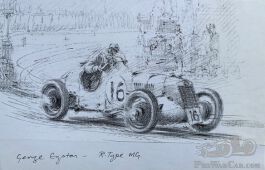
For all that the old racing drivers had some wonderful tales to tell, two of the most fascinating figures he knew were fellow Manx émigrés, George Daniels and Sam Clutton. “George Daniels lived in Ramsay and I did quite a bit of work for him, including a painting of the big single-seater Tim Birkin Bentley. He’d invite me out for lunch, turn up in one of his Bentleys and we’d go off to a pub. He’d have two or three pints of beer and whisk me home again. Sam Clutton had a big Bugatti saloon and chain-driven Frazer Nashes. I remember Sam challenged George to a race, the Bugatti against George in his R-type Continental. They were quite mad, driving on public roads…
“George, with the watches he made, was mainly interested in developing escapements which didn’t need lubricating, and he worked these out on a big architect’s drawing board loosely with a pencil before scaling them down to size, but he couldn’t put captions on diagrams, so he got me to do that sort of thing. He just liked going out for a drink, basically.”
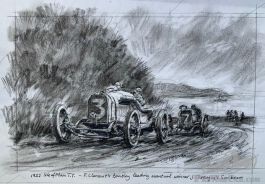
One of the many interesting facts of Peter’s life is that he had never studied motoring artists in any great detail until he became immersed in the field. Apart from F. Gordon Crosby, he cites no early influences. “I admired Dexter Brown, but I ploughed my own path, really. I’ve always been able to chop and change, style-wise. I was always aware of Dexter’s work and name because you’d see it in the 1960s motoring press. For some reason, I had it in mind that he must be a lot older than me, because I was just starting out. I was surprised to find when I met him that he’s not much older than me and he’s a really nice chap, and a very accomplished artist in other genres. I really think highly of him. Michael Turner is a really nice chap as well, and another outstanding artist is Stan Rose.”
A busy life on the Isle of Man
When not painting for pleasure or travelling the globe, Manx life has presented Peter with plenty to keep him busy. He produced artwork for the first Manx Classic in 1989, and completed a series of motor-racing stamps for the Isle of Man Post Office; another series of stamps was completed to commemorate the 50th anniversary of the British branch of the Model T Ford Register visiting the island. A particular highlight was a Frazer Nash ‘raid’ on the Isle of Man in 2002. Since Peter’s American friends kept a Targa Florio ’Nash in England and travelled for the occasion, he had lots of fun with “these mad Frazer Nash people” and made the most of their jaunt to Jurby Racecourse, putting in some laps with the Targa Florio and a Le Mans Replica. In the pre-digital age, he did a lot of visualisation illustrations for architects and other companies, including a collection of paintings for the Isle of Man Arts Council in the late ’90s and early 2000s, depicting the changing face of Douglas as old buildings were being lost to the bulldozer.
Considering his juvenile years spent messing about with boats, and his adult life on a small rock in the middle of the Irish Sea, it would be a wonder if Peter did not also turn his hand to maritime paintings, which he does, although it is ironic that his arrival on the Isle of Man also occasioned the abandonment of his aquatic excursions. “Once you’re out at sea, it can get quite boring and I also get seasick! I much prefer sailing on rivers and lakes, the Thames and the Norfolk Broads. I like old boats in the same way as I like old cars, they’ve got real character. At the moment, I’m doing an etching of a nice old sailing boat that someone’s rescuing that was built in 1895.”
With such an accomplished artistic career encompassing more than 800 paintings and etchings, it only remains to ask what, in Peter’s opinion, was the best period of motorsport? “The ’20s and ’30s. I was so fascinated by the Targa Florio races that my wife and I went to Sicily in the early ’90s to get a feeling for the background and the old towns and villages. A lot of the towns hadn’t changed at all from the old photos you see. It was amazing. We also went to France and drove around the circuits used before the First World War, passing through the towns and to get a feel for the landscape. You have to admire the drivers, with the speeds they attained with the tyres they had and the brakes they had at the time. René Dreyfus, after he won the 1930 Monaco Grand Prix in his Type 35B Bugatti, said his hand was just like mincemeat after changing gear so much!”
Peter’s enthusiasm for that great period is as much apparent from his conversation as it is from his work, and his considerable portfolio really does justice to the daredevils of the day. If you’d like an original Hearsey to hang on your wall, original paintings, etchings and prints are available from Historic Car Art.
With thanks to Rupert Whyte of Historic Car Art. See historiccarart.net for more information.
Words: Zack Stiling, pictures: Peter Hearsey and Historic Car Art
Publiziert:
Dienstag August 6th, 2024
Facebook
LinkedIn
Twitter
WhatsApp
Email
Copy