Das weltweite Magazin und der Marktplatz für Oldtimer-Enthusiasten – von Enthusiasten.
Das weltweite Magazin und der Marktplatz für Oldtimer-Enthusiasten – von Enthusiasten.


Filter
Auswahl treffen
- Autos
-
Marke >>
-
Baujahr >>
-
-
Kategorie >>
-
Länder >>
- Motorräder
- Teile
-
Automarke >>
-
Hersteller >>
-
Kategorie >>
- Fahrräder
-
Baujahr >>
-
Länder


Harroun wins 1911 Indy 500: How Did He Do It?
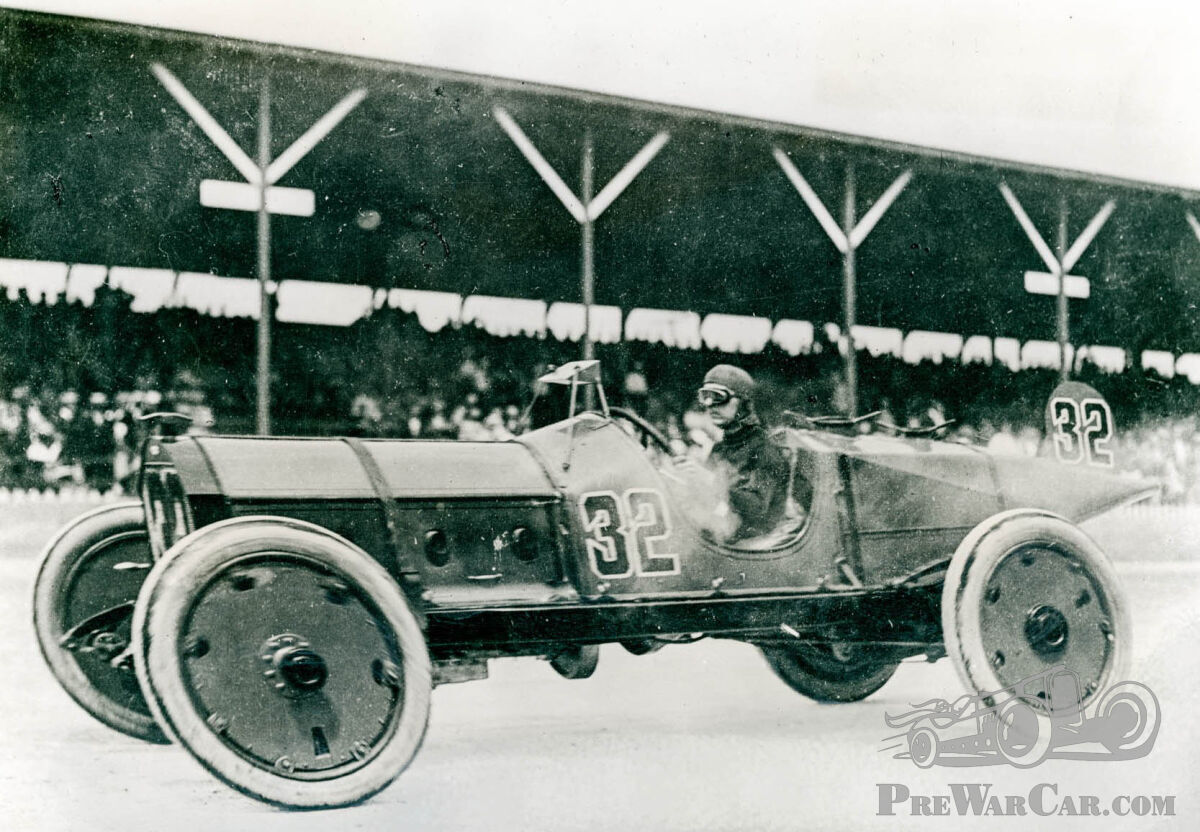



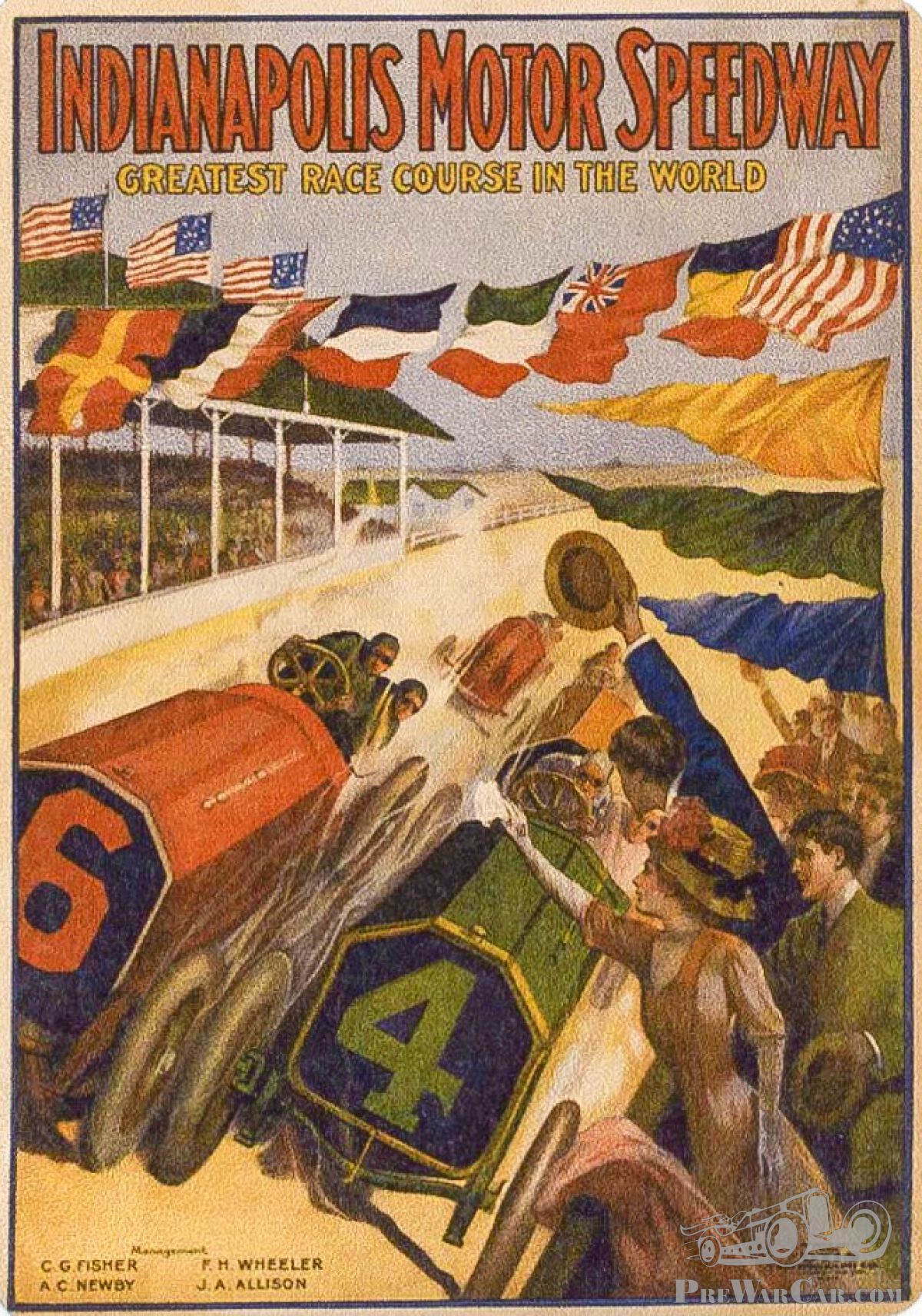


Stories about Ray Harroun, and how he won the first Indy 500, mostly tell it wrong—it wasn’t because Harroun opted for a single-seat racer to save weight. And no—it wasn’t because he mounted a rear-view mirror to remove the need for the riding mechanic as a spotter.
Nope—it was something completely different. Here’s the story behind the man, the machine, the race and the win…
The Man
Ray Waid Harroun was born in 1879 in Spartansburg, a small Amish community in northwestern Pennsylvania. Harroun’s early life showed a restless spirit that eventually led to him being hired as a chauffeur in 1902 before he built a two-seat speedster known as the “Harroun Special.”
In 1903 (and again in 1904) he joined a race team and set a time-distance record of 76 hours between Chicago and New York City in a factory-sponsored Columbia automobile.
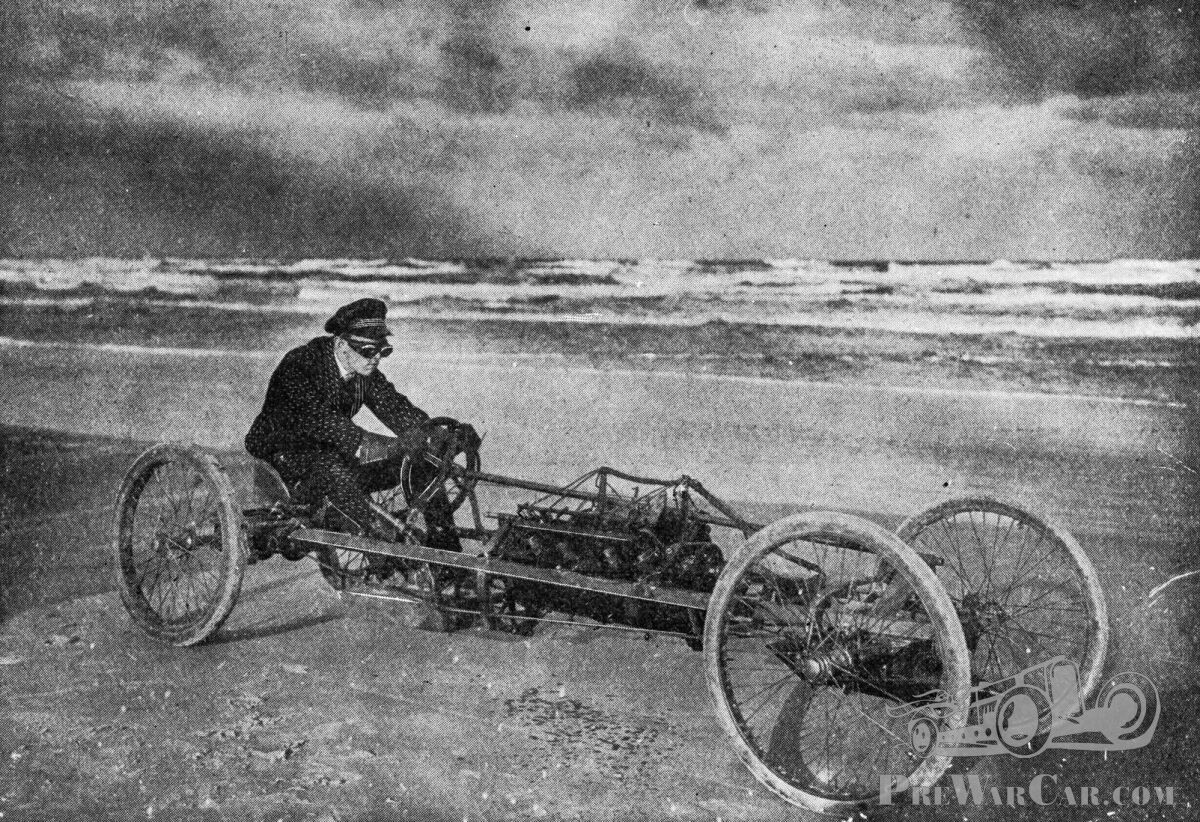
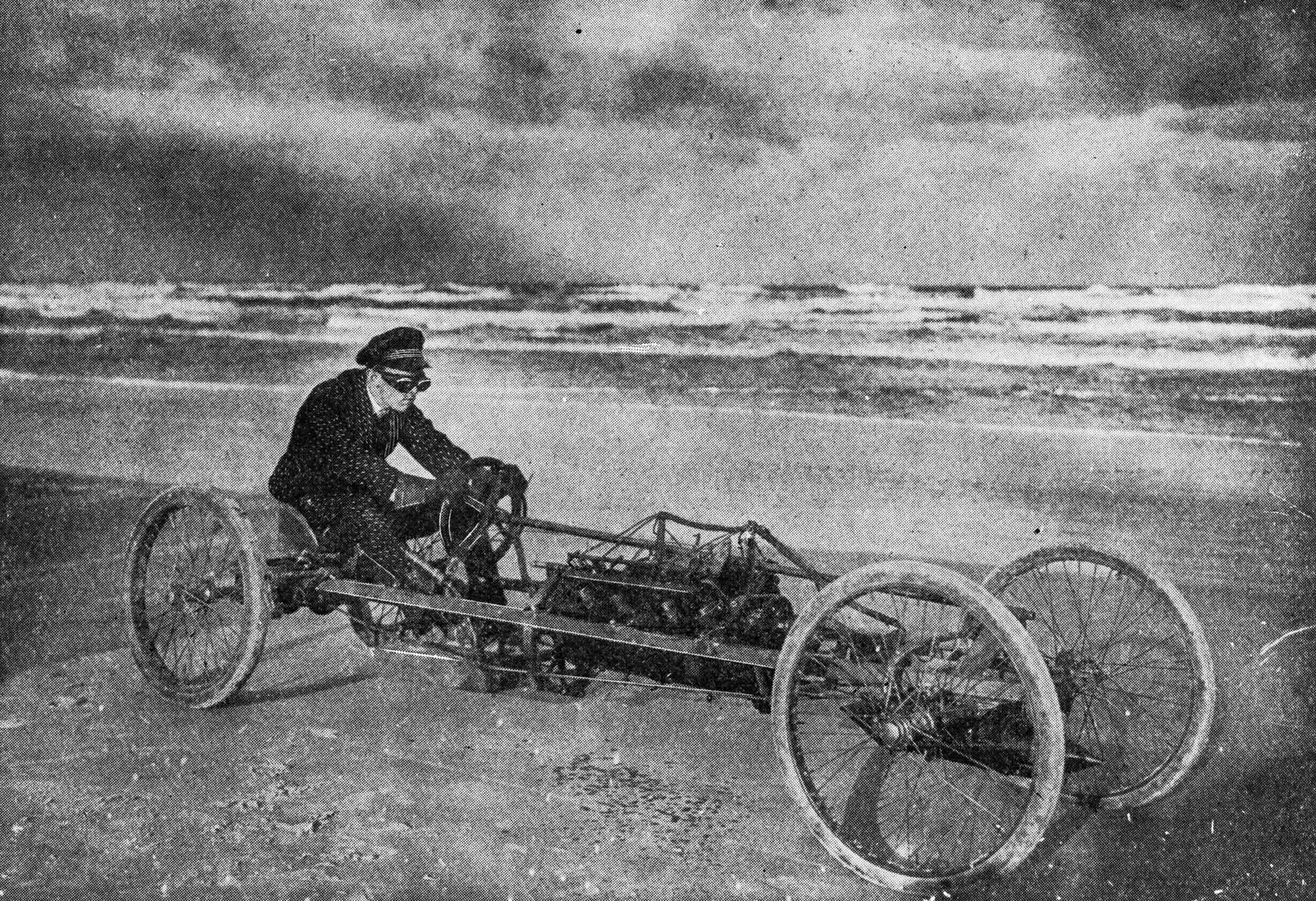
Harroun built his own track speedster in 1905 that consisted of two long rails cradling a four-cylinder engine midships. Resembling a harness-racing sulky, the rider hung on at the extreme rear of this open-bodied 1000-pound contraption. It huffed and chuffed its way down the track, so onlookers nicknamed it The Sneezer.
In 1906 Harroun worked for Buick as a test driver. The Buick racing team was managed by William Pickens, who saw potential in Harroun and hired him to be the team mechanic for drivers Louis Strang, Bob Burman, and Louis Chevrolet; all four were destined to build American track racing legends for themselves.
From this opportunity, Harroun would gain the experience and credentials to drive, and throughout 1907 he competed in various races for Buick and Marriott, as well as piloting his lightweight speedster. Howard Marmon hired Harroun in 1908 as a mechanic for Nordyke & Marmon. Harroun’s abilities, experience, and work soon earned him a promotion to company engineer.
Harroun next climbed into an empty seat in the Marmon racing team when Martha Foster, one of women’s early shining stars in the automobile racing world, was forced to quit racing in 1909 due to the AAA Supervisory Board’s ban on female drivers. This opportunity sparked Ray Harroun’s short but stellar two-year career as a Marmon team driver. His successes on the track fuelled the rise of the Marmon 32.
The Marmon 32 Speedster
Nordyke & Marmon produced light but well-built luxury cars due to the design vision of Howard Marmon, who believed that quality always trumped quantity. Aluminium was used throughout the drive train and body components, and a pressed-steel riveted and gusseted frame promised a light but strong chassis. The engines were built, run in at speed, then broken down and “blueprinted,” and then re-assembled.
The Marmon 32 Speedster was a classic cutdown that was produced from 1909 through 1914. Howard Marmon strongly believed that his track cars should be identical to the street versions, and in 1910 this was still feasible. The 1912-13 Speedway Style Speedster was thus a sibling to the four-cylinder track speedster.
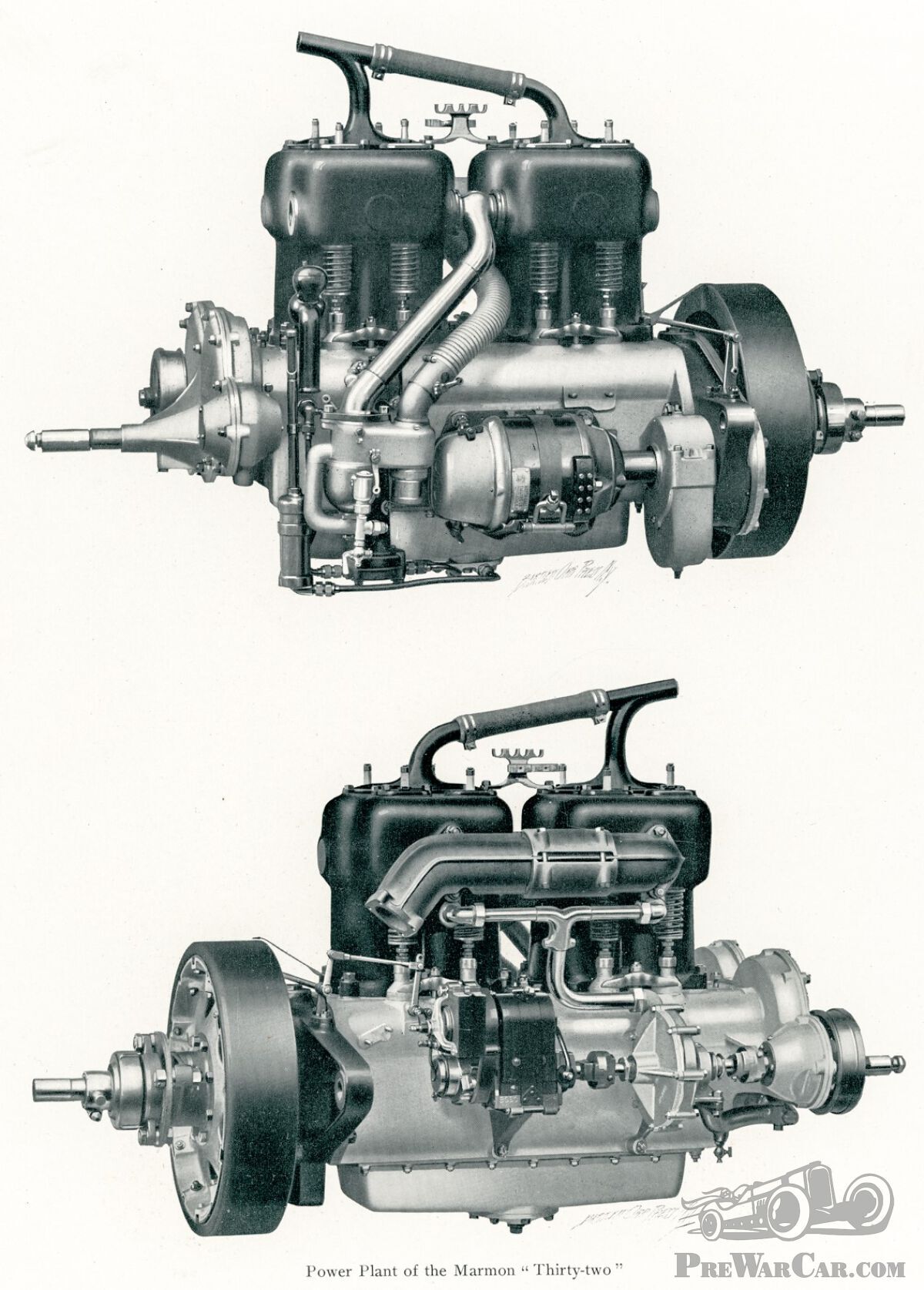
It rolled on a 120-inch wheelbase and was powered by Marmon’s four-cylinder 318 CID engine that produced an SAE-rated 32 horsepower. Realistically–it was more like 60.
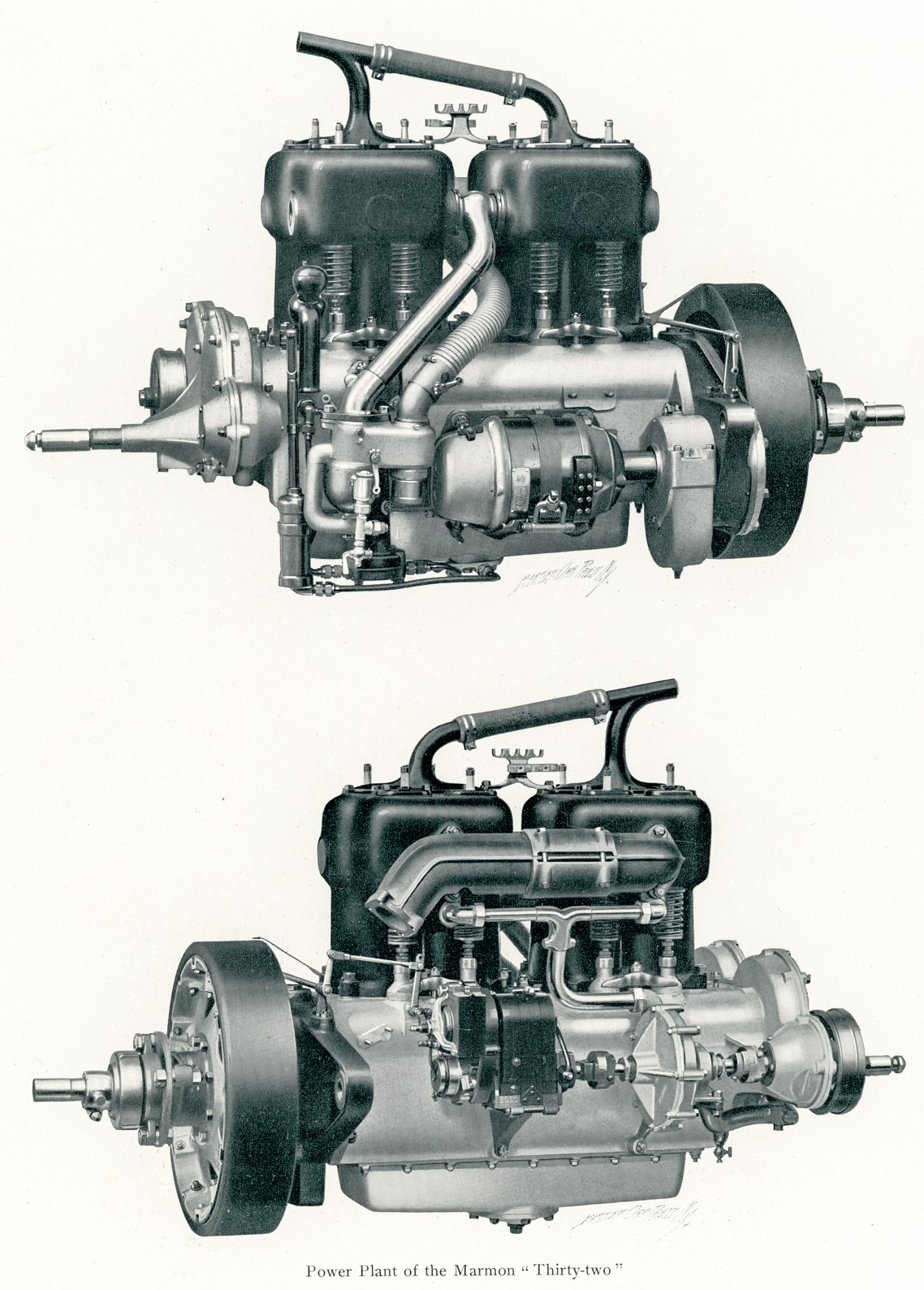
In 1910 Nordyke & Marmon built a Harroun-designed 447 CID six-cylinder version of its engine using a Harroun carburettor and tested that in the race at Atlanta that year; the four-cylinder 318 would be used Joe Dawson’s Marmon for the Indianapolis race in 1911, while Harroun would use his six.
Howard Marmon’s racing team for 1910 consisted of Harry Stillman, Foxhall Keene, and senior member Ray Harroun. Joe Dawson was added for 1911 and Cyrus Patschke serving as a relief driver.

Howard Marmon understood the importance of competition for promoting his brand, which he touted in ads. In 1910, the Marmon team would enter 93 races, winning 25, placing 2nd in 24, and also gaining 13 3rd place finishes. Harroun himself would later be crowned the 1910 AAA National Champion for his role in that. All accomplished on a $100,000 race budget!
The Race
In late 1910 Carl Fisher - of the Indianapolis Motor Parkway (later ‘Speedway’) - scheduled a 500-mile marathon on the Indianapolis track for May 30th, 1911. The race was organized to have 40 starters, arranged in 8 rows of five cars apiece, in a rolling start.
The marathon race began at 10:00 am and would end at 5:37 pm–a long, long day for racers, the 200(!) timing judges and spectators.
The 1911 Indianapolis 500 Sweepstakes ended as it had begun, in relative chaos, with more than one individual asserting that he had finished first. The timing system had proved to be problematic and, many assumed, inaccurate. Drivers were aggrieved and approached the judges for answers; there was prize money involved–lots of it!
Chief event judge A.A. Pardington then decided to lock himself and his fellow judges into a hotel room to scrutinize the race data and reach certainty. To make the results permanent, Carl Fisher ordered that all records should be destroyed before the results were announced.
After 36 hours of scrutinizing and debate, the judges emerged with a decision: Ray Harroun had won!
How Did Harroun Clinch the Win?
Indianapolis was Harroun’s favorite track; he would win six races at Indy, many of them in a Marmon, and always due to Harroun pre-planning his race. He knew that races are often won in the planning stages rather than in the actual race. He knew Indy and he respected the limits of his equipment; the tires were his weakest link.
Harroun had consulted with Firestone Tire about maximum speed, and they had recommended that he keep it below 80 mph on the brick paving unless he wanted to be endlessly changing his clincher tires.
Tires took between 2 minutes to 15 minutes to change, depending on the wheel and the number of (clincher) bolts. Each lap took about two minutes to complete at 75 mph. And so, to keep his pit stops to a minimum, Harroun maintained an average speed of 74.6 mph to take care of his tires.
Harroun changed his right rear tire four times, but the three other tires remained on the car for the entire 500 miles.
Competitors were continually zooming past Harroun, then blowing their tires and straggling back to the pits for tire changes. The speed demons who didn’t crash out averaged 11 pit stops, wasting precious time for each tire change.
Harroun, eventually the declared winner, had been the first race driver on record to figure out tire strategy.
The lesson here? Drivers—Manage your tires!
Words by Ronald Sieber. For more stories about speedsters, go check out ClassicSpeedsters.com. Sieber is also publishing a book on the topic, due out later this year.
Publiziert:
Mittwoch Mai 26th, 2021
Facebook
LinkedIn
Twitter
WhatsApp
Email
Copy
Kommentare
John in SA
30 Mai 2021, 13:03
Enjoy the Indy race today!