Das weltweite Magazin und der Marktplatz für Oldtimer-Enthusiasten – von Enthusiasten.
Das weltweite Magazin und der Marktplatz für Oldtimer-Enthusiasten – von Enthusiasten.


Filter
Auswahl treffen
- Autos
-
Marke >>
-
Baujahr >>
-
-
Kategorie >>
-
Länder >>
- Motorräder
-
Standort >>
- Teile
-
Automarke >>
-
Hersteller >>
-
Kategorie >>
- Fahrräder
-
Baujahr >>
-
Länder



One Hundred and Twenty Years of Ambition and Passion: The Story of the First 100mph Napier

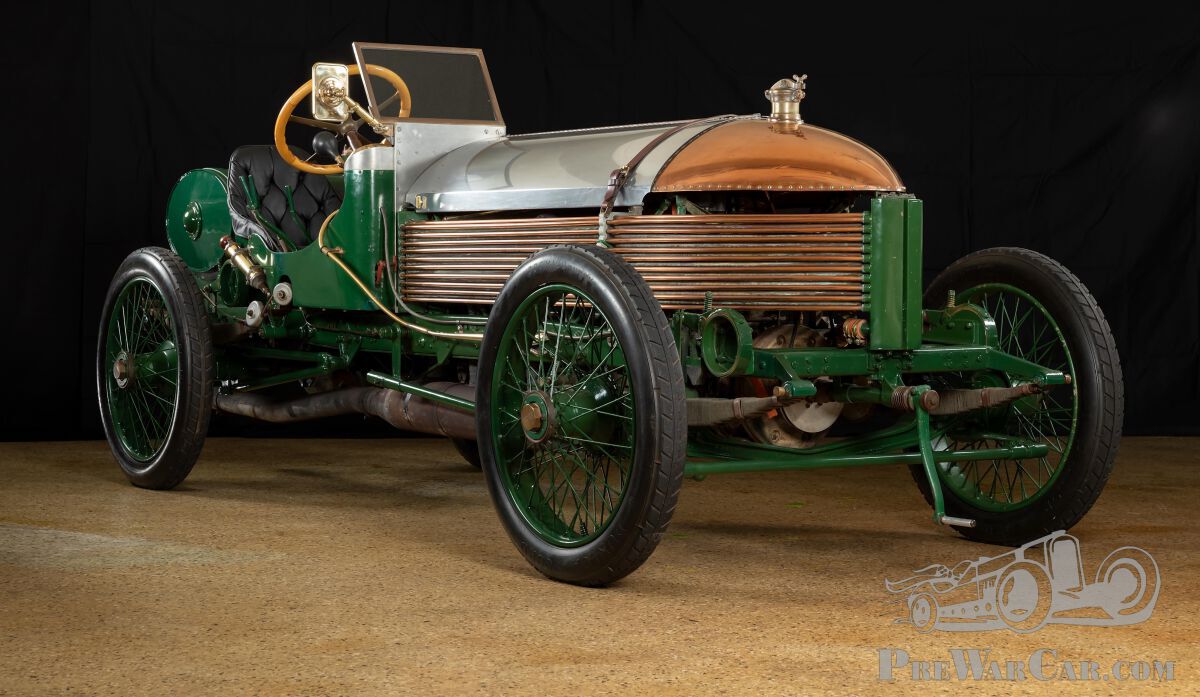
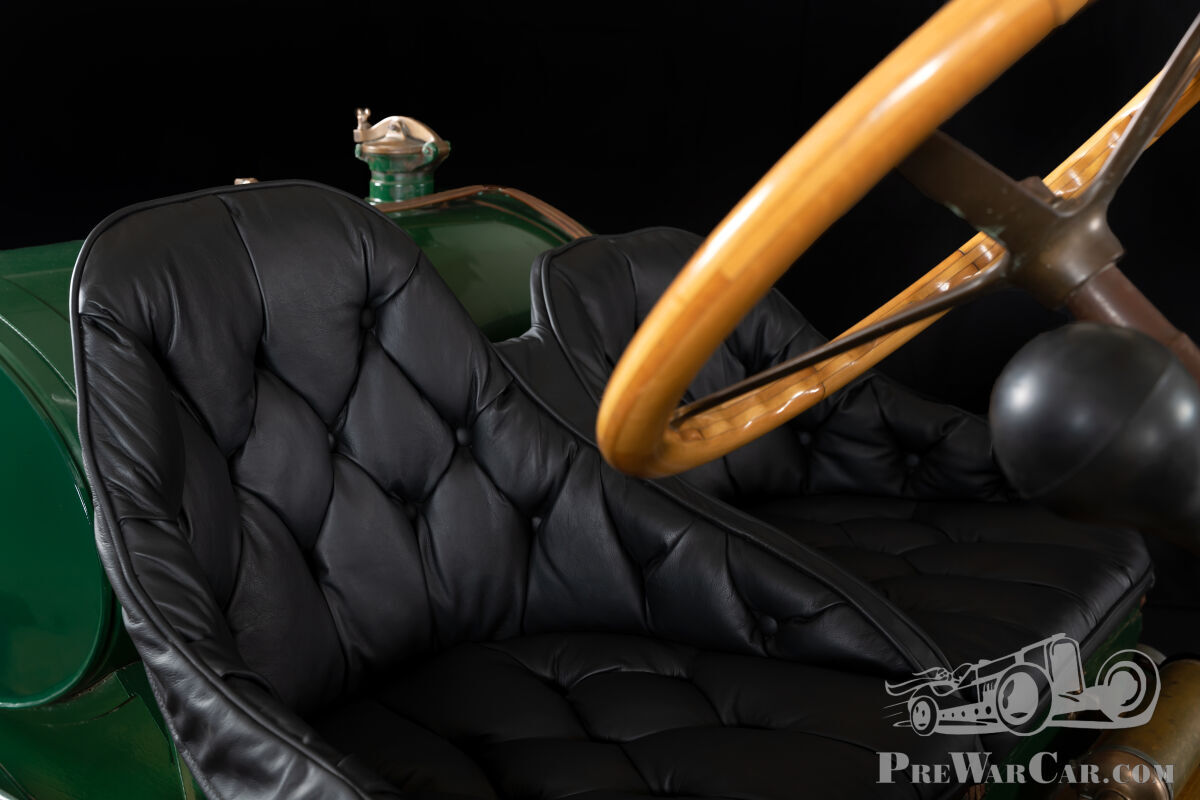
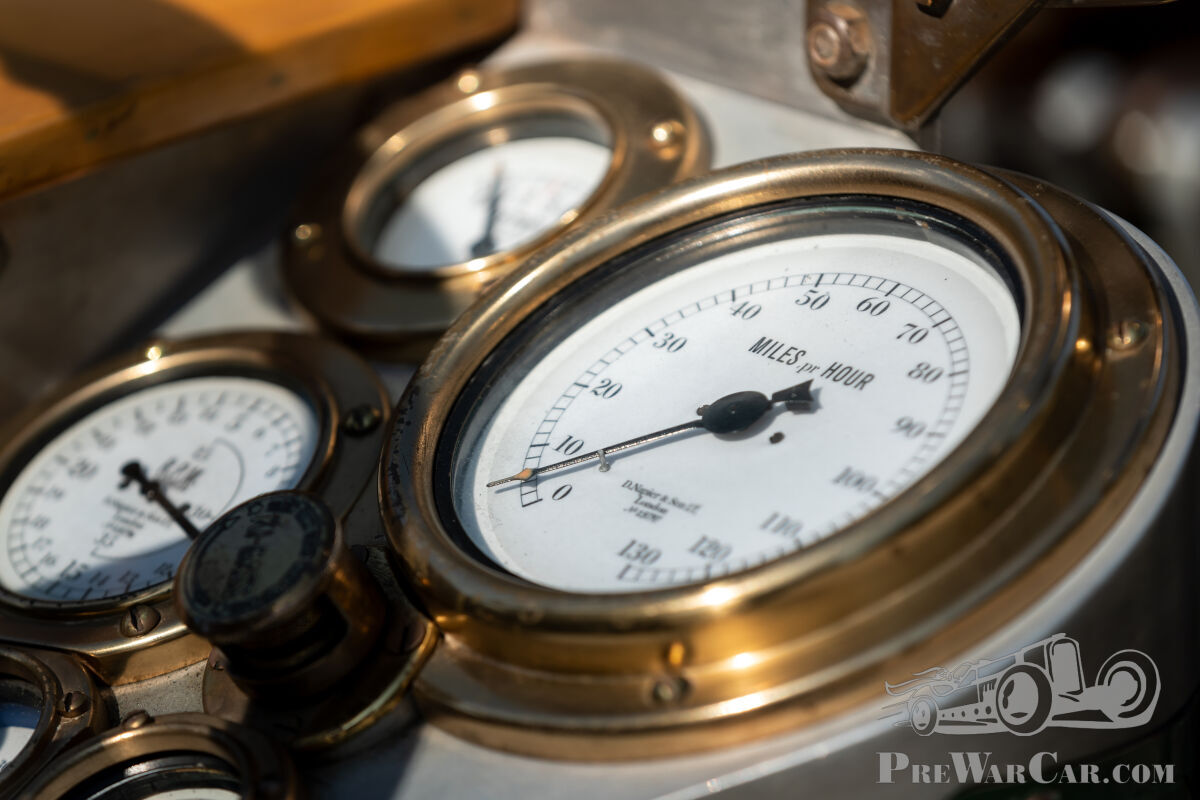


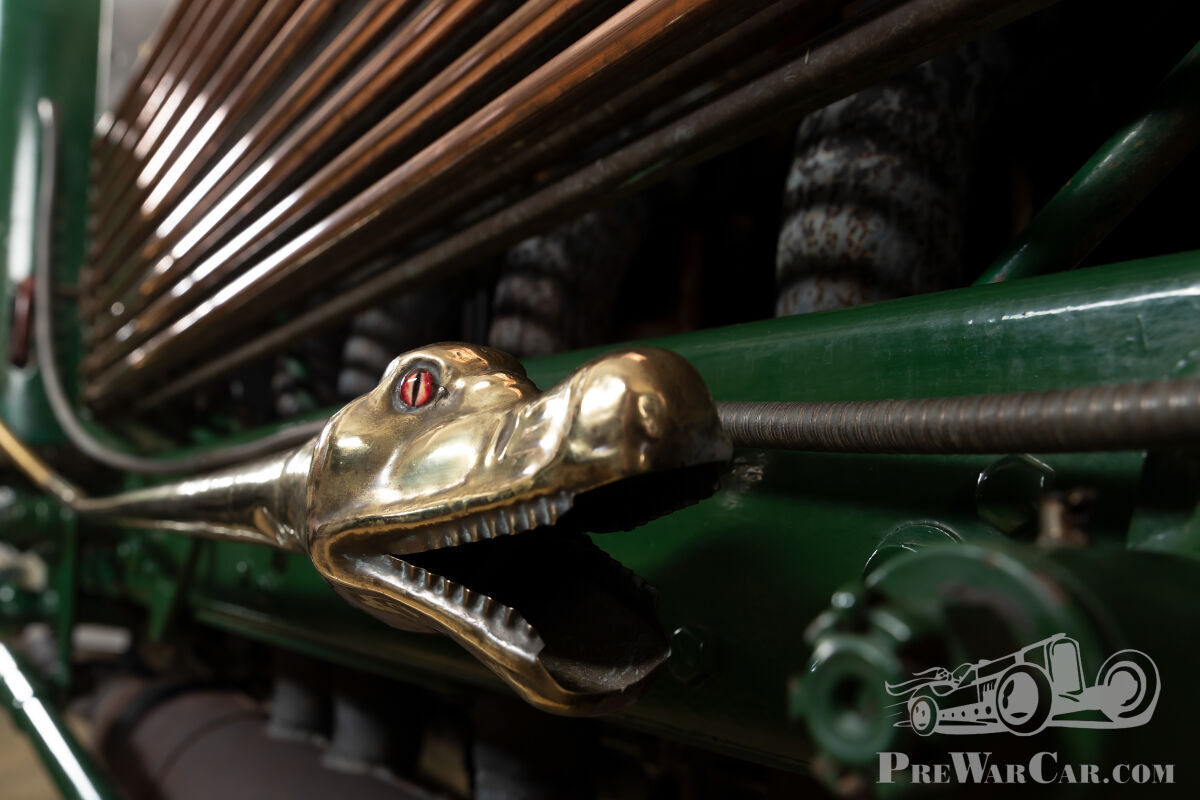
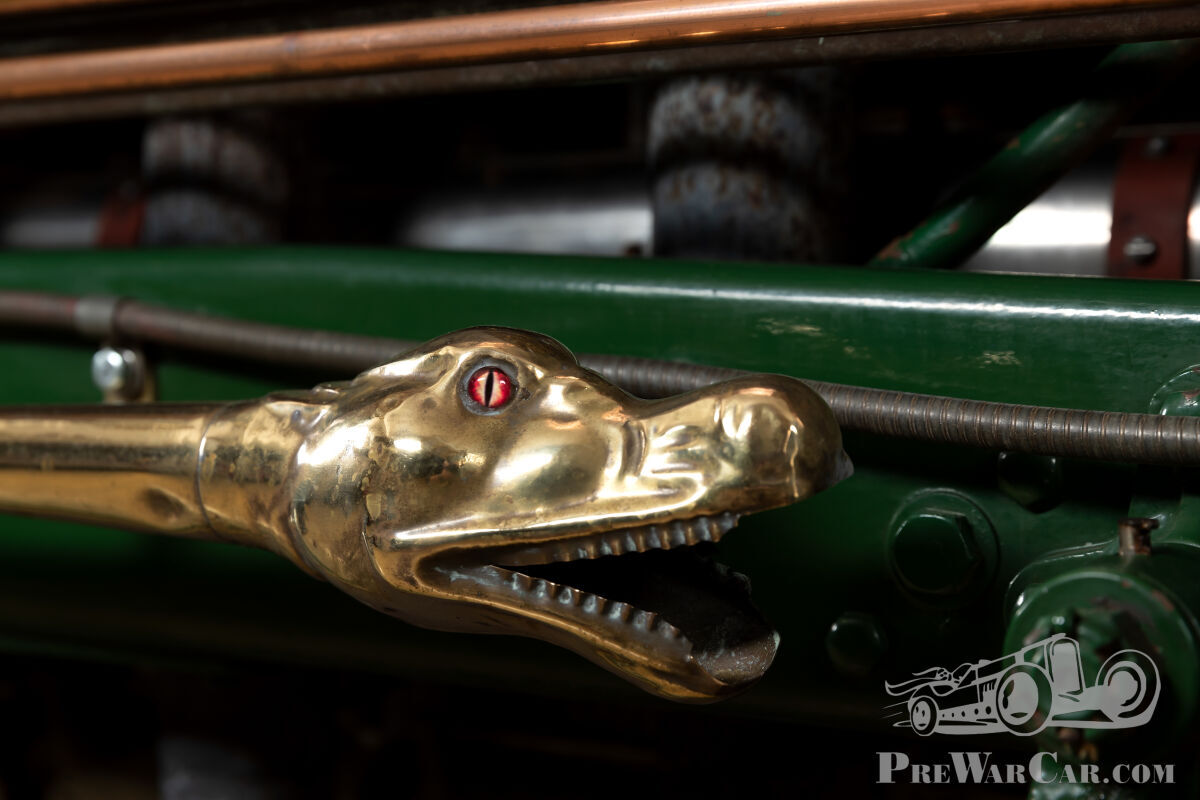
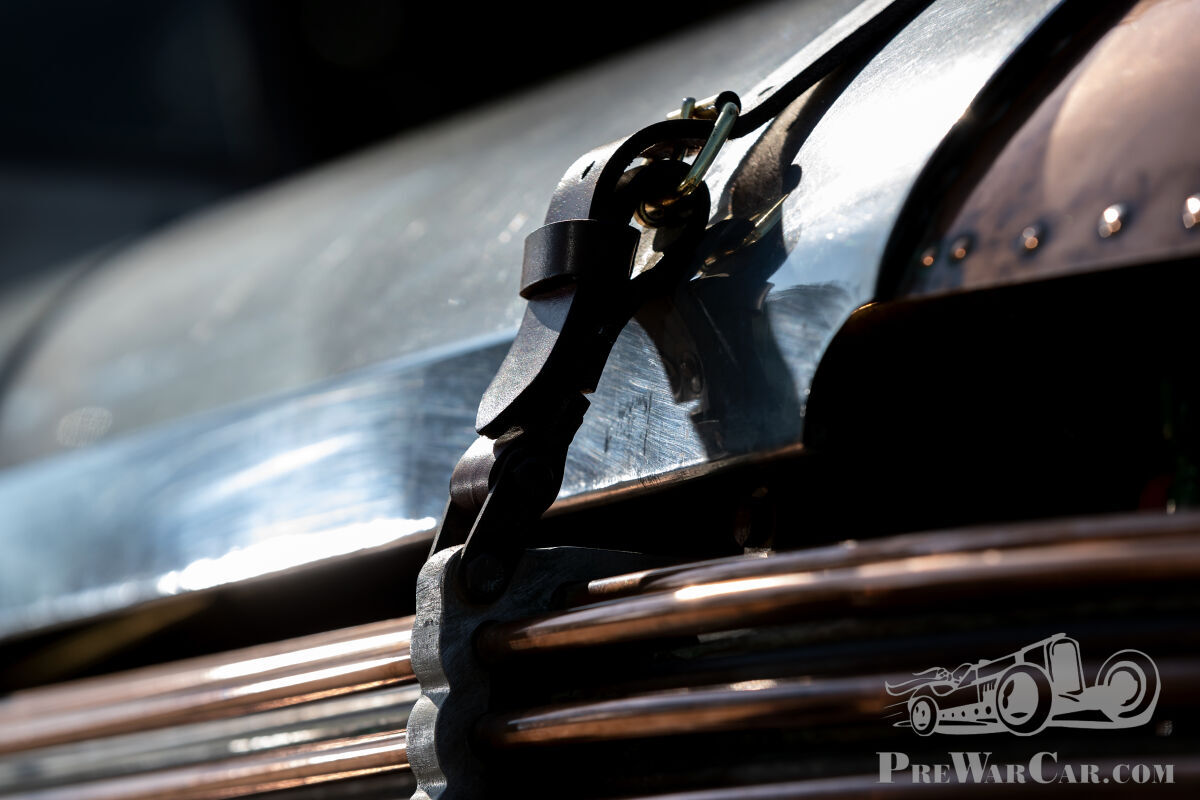
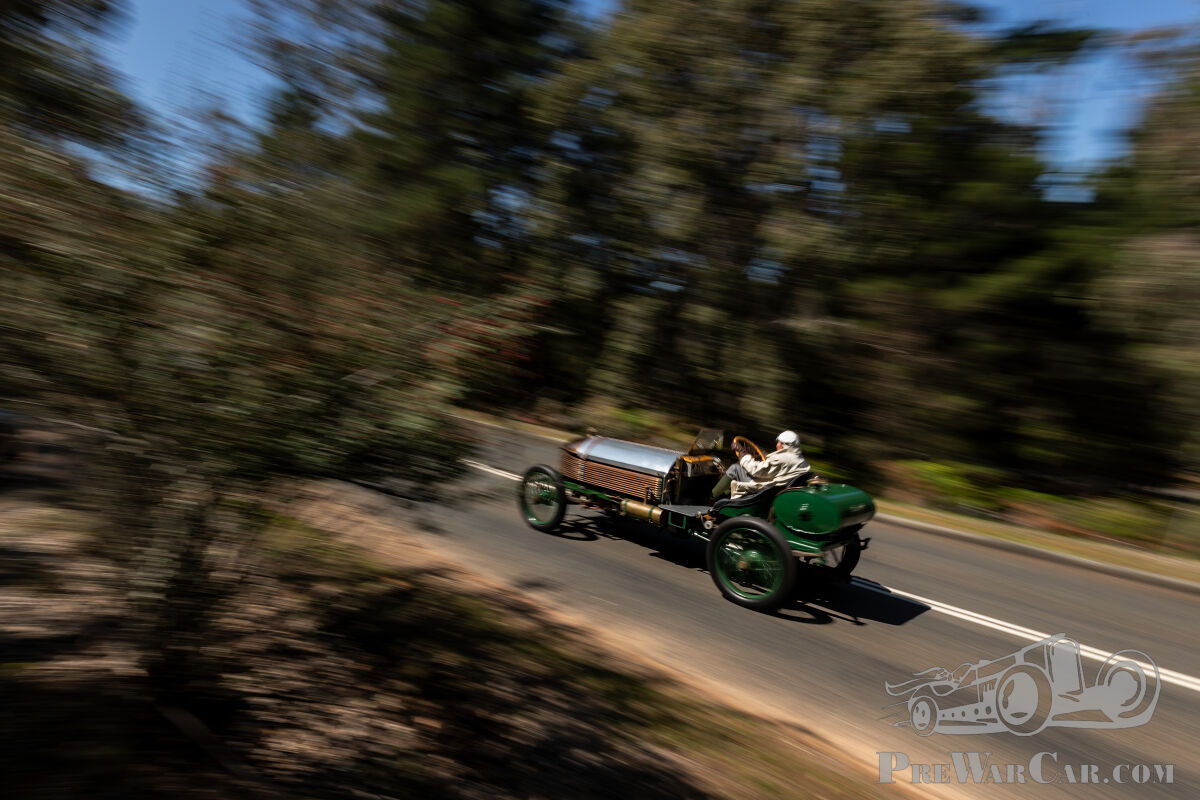


This is a story of two cars separated by three-quarters of a century which share a common heart. It is the story of the birth of motor racing in the United Kingdom and Britain’s first great motor racing team. It is also the story of how a man stumbled across a relic from that team and made it his ambition to once again build a car around the monster engine he had acquired.
The players in part one of this two-part story were Montague Napier, the heir to a precision engineering business which had seen better times but was highly regarded nonetheless; Selwyn Francis Edge, an Australian-born long-distance racing cyclist and a super-salesman by instinct who had discovered the wonders of the internal combustion engine; and Arthur Rowledge, a young engineering draftsman who was destined for greatness during two world wars.
The story of the emergence of Napier as the greatest car company in the early years of motor car production in the United Kingdom is well-known. Montague Napier and S. F. Edge teamed up to build an improved derivative of the market-leading Panhard et Levassor. Napier, who was a better engineer than marketer, agreed for S. F. Edge to handle sales of his car. The entire production of his fine range of motor cars was sold through the agency of Edge and it was a huge success. The company expanded rapidly. New staff and new premises were needed.
S. F. Edge decided, just like many did before him, and certainly many after, to form a racing team of the best drivers available in Great Britain. Having managed the Dunlop cycling teams in the 1890s, he knew the ingredients required for success.
One of the new staff employed by Napier was Arthur Rowledge. He was tasked with designing a revolutionary new engine which would establish a point of difference between Napier and its competitors. The engine was to be six cylinders rather than four. It would be 15 litres in capacity and it would be placed in a pressed-steel chassis with an all-up weight of less than a tonne. While Spyker in the Netherlands was the first to build and race such an engine, his package was built to race and win, and establish Napier as a market leader for sophisticated, smooth-running, luxury motor car.
With an eye perhaps more for a marketing point of differentiation rather than engineering improvement, the engine was surrounded by more than 200 feet of copper cooling pipe. The package was a great success. In the hands of S. F. Edge and his cousin Cecil, as well as Britain’s greatest racing drivers of the time such as Arthur Macdonald, Frank Newton, W. T. Clifford-Earp and Dorothy Levitt, the Napier L48 Samson won contests in Britain, Europe and the United States.
Probably the car’s greatest successes were achieved on the Florida beaches. In January, 1905, the Napier broke the flying one-mile world record of 104.65 mph at Ormond Beach, near Daytona Beach. The Napier team returned to the speed trials in the following year and broke the 100-mile record. In October, 1906, Dorothy Levitt established the women’s world speed record over the flying kilometre by recording a speed of 90.88 mph at the Blackpool Speed Trials. The Napier won many races, hillclimbs and sprints and it was regarded as the fastest motor car made in the United Kingdom over a four-year racing career.
Its racing career over, S. F. Edge broke up the Napier L48 and sold the engine to the Cornwell brothers in Australia who operated a large ceramic factory. They wanted to build Australia’s fastest motor boat to compete against several power boats which had raced in the Monaco races. Once again, the 15-litre six-cylinder engine proved its worth. However, it was replaced after the Great War by an aircraft engine and put at the back of the Cornwell’s factory where it gathered dust and almost disappeared under piles of ash and waste.
And so we turn to part two of this story. Decades and another world war passed when an engineer spotted it. He was fascinated by the relic. When the ceramic factory closed, he secured the engine but with no real thought of what it was, or what to do with it. He just had to have it.
That engineer was Alan Hawker ‘Bob’ Chamberlain. The Hawker name resonates of course. Bob’s uncle was Harry Hawker who is best-known as the aviator and engineer associated with the Sopwith Camel and the Hawker aviation firm.
A major piston manufacturer—his company made 13 million pistons during and after World War II—and the manufacturer of Australia’s most widely used farm tractor, in his spare time Bob Chamberlain began writing letters to anyone he could think of in Britain who may have known something about his Napier engine. A story emerged. Sitting in his workshop was one of the most important engines in motoring history - the world’s first successful six-cylinder racing engine and the engine which inspired the movement from four-cylinder to six-cylinder engines.
Bob Chamberlain was faced with a choice: either to polish this artefact of the golden age of motor racing and put it on stand in a museum, or to recreate the original car around this engine. Fortunately for us, Bob was a builder and he chose the latter! Using the resources of his tractor-manufacturing operation and the expertise of his staff, he reverse-engineered the Napier L48. Race cars constantly change during their racing career so he had to pick a precise point in the development cycle to recreate. He selected the ultimate version of the car to showcase Napier, Rowledge and Edge’s engineering and racing success.
Napier drawings and documents in London’s Science Museum archive were consulted and, just like Arthur Rowledge had done 75 years before, new drawings were made of every component. And just like Rowledge had done, casting patterns were commissioned. Nothing much had changed in 75 years. The casting patterns, hundreds of them, were carved out of wood, then sent to a foundry for manufacture. Indeed, it was like Bob Chamberlain was back in 1903 or 1904 making the original car.
The rebuilt engine was started for the first time in 67 years in July, 1982. It ran better and was more powerful than even Bob Chamberlain had hoped. By the end of the year, the car was running on race tracks in Australia for the first time. In May, 1983, the Napier L48 was shipped to Britain, getting its first high speed run at Donington (Tom Wheatcroft, founder of the Donington Grand Prix Collection, had visited Bob in Australia to see the reconstruction under way). In the subsequent season of vintage racing, the car clocked speeds in excess of 110 mph, validating the quality of the original car’s design and attesting to the excellence of the recreation. Retired race driver Tony Gaze drove the Napier at the Colerne Sprints in 1983 and recorded a standing-start kilometre in 30.67 seconds with a terminal speed of 111.73 mph.
Journalist Bill Boddy, who had been a critic of poorly-executed replicas, said in Motor Sport magazine in 1988: “Whether or not you approve of the modern reconstruction of old cars, you must concede that this is the recreation of the decade. Modifications made were in keeping with the ethics of a highly-experienced engineer intent on providing a habitat for a decidedly historic engine, and had the task not been undertaken there would now be no 1904 Napier L48.” Bob Chamberlain’s single-minded goal to bring his engine to life was vindicated by one of the greats of motorsport journalism.
The Napier L48 was sold in April, 1983, to Australian car collector Peter Briggs and placed in his York Motor Museum in between excursions around the world. He was invited to take the car to the Pebble Beach Concours d’Elegance in 1999 in the special class for important racing cars produced pre-World War I. He was awarded the Automobile Quarterly prize for the most historically significant car at the event. The car has twice been campaigned in VSCC events in Britain and raced at the Goodwood Festival of Speed. It has been driven at more than 100 mph at the historic Lake Perkolilli claypan in Western Australia, and I can vouch for the speed—I was driving it!
The engine is now looking for its fifth owner (S. F. Edge, the Cornwell brothers, Bob Chamberlain and Peter Briggs) in 120 years. The Napier recreation in which it is mounted is looking for its third owner in 40 years—hopefully someone who will appreciate the engineering excellence of Napier, Edge and Rowledge, and the vision of Bob Chamberlain, who wanted to feel what it was like to drive and race one of Britain’s and the world’s greatest race cars.
The Napier will be auctioned at Bonhams|Cars annual Amelia Island auction, more information can be found here.
Words: Graeme Cocks; photographs: Bonhams/Paul Kane
Publiziert:
Montag Februar 19th, 2024
Facebook
LinkedIn
Twitter
WhatsApp
Email
Copy
Kommentare
Steve Diggins
21 Februar 2024, 09:26
That is a very good article. I like hearing about people who have the foresight to save important parts of history plus revive them to life. I have been told of a Napier in a landfill and I hope to get it.
Weiter lesen
Graeme Cocks
22 Februar 2024, 02:57
Napiers were the finest of cars in the early years of the last century. It is worth saving one!
Weiter lesen
Graeme Cocks
21 Februar 2024, 00:55
Thanks Laurens, the story is certainly spreading around the world that there is a once-in-a-lifetime opportunity to become the next owner of this incredible car. Graeme
Weiter lesen