Das weltweite Magazin und der Marktplatz für Oldtimer-Enthusiasten – von Enthusiasten.
Das weltweite Magazin und der Marktplatz für Oldtimer-Enthusiasten – von Enthusiasten.


Filter
Auswahl treffen
- Autos
-
Marke >>
-
Baujahr >>
-
-
Kategorie >>
-
Länder >>
- Motorräder
-
Standort >>
- Teile
-
Automarke >>
-
Hersteller >>
-
Kategorie >>
- Fahrräder
-
Baujahr >>
-
Länder



Bygone Brighton: a look back to 1965
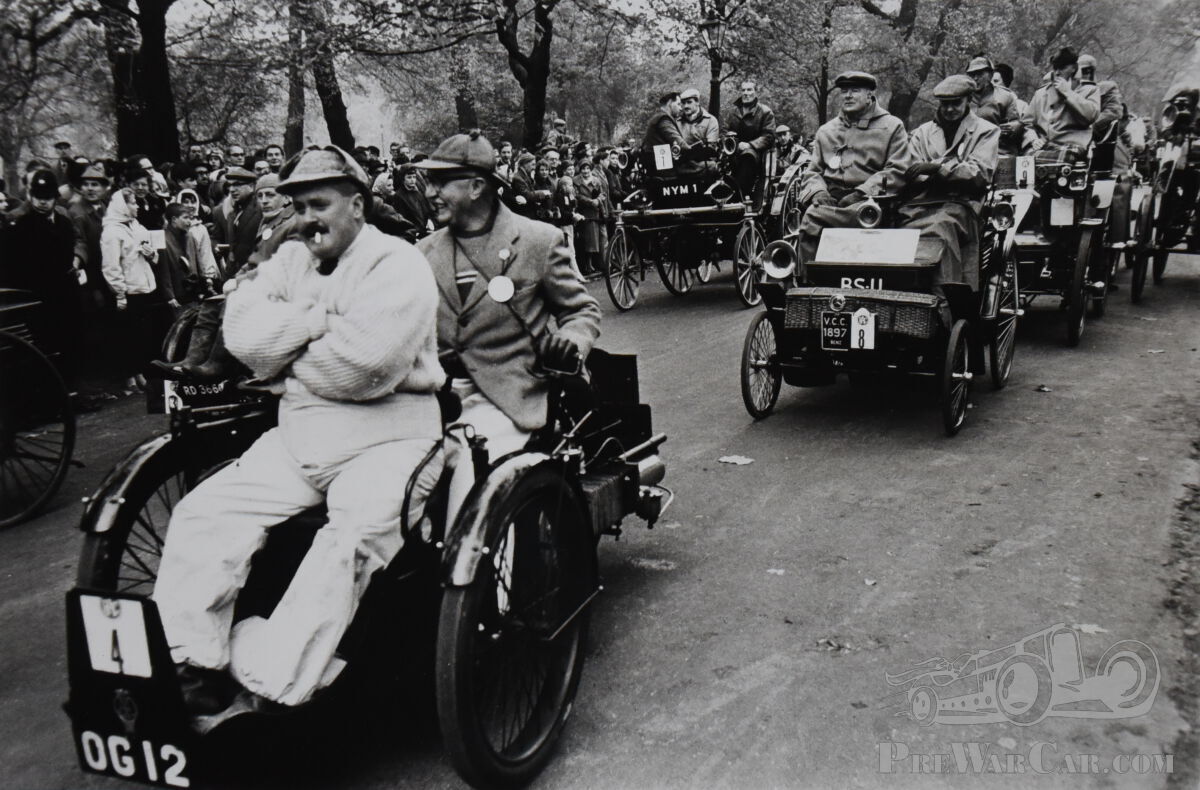
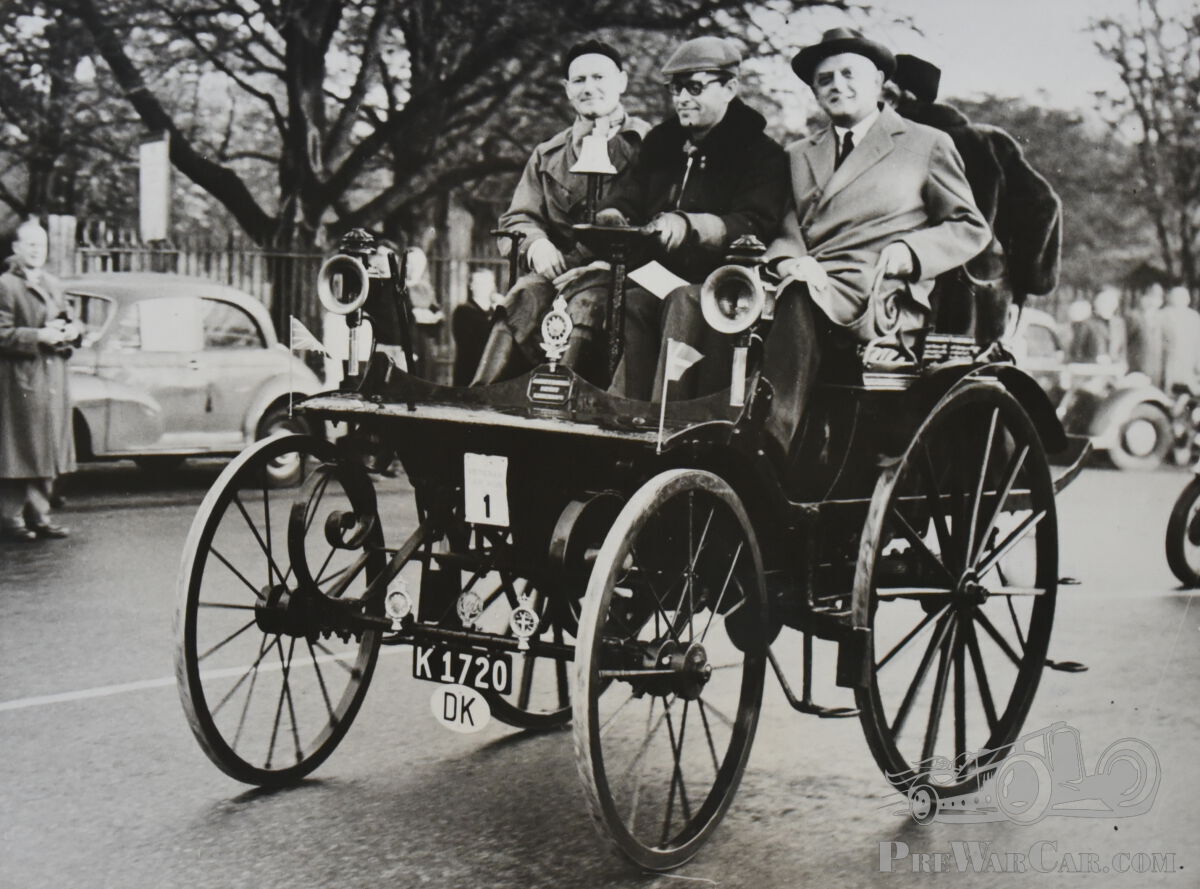
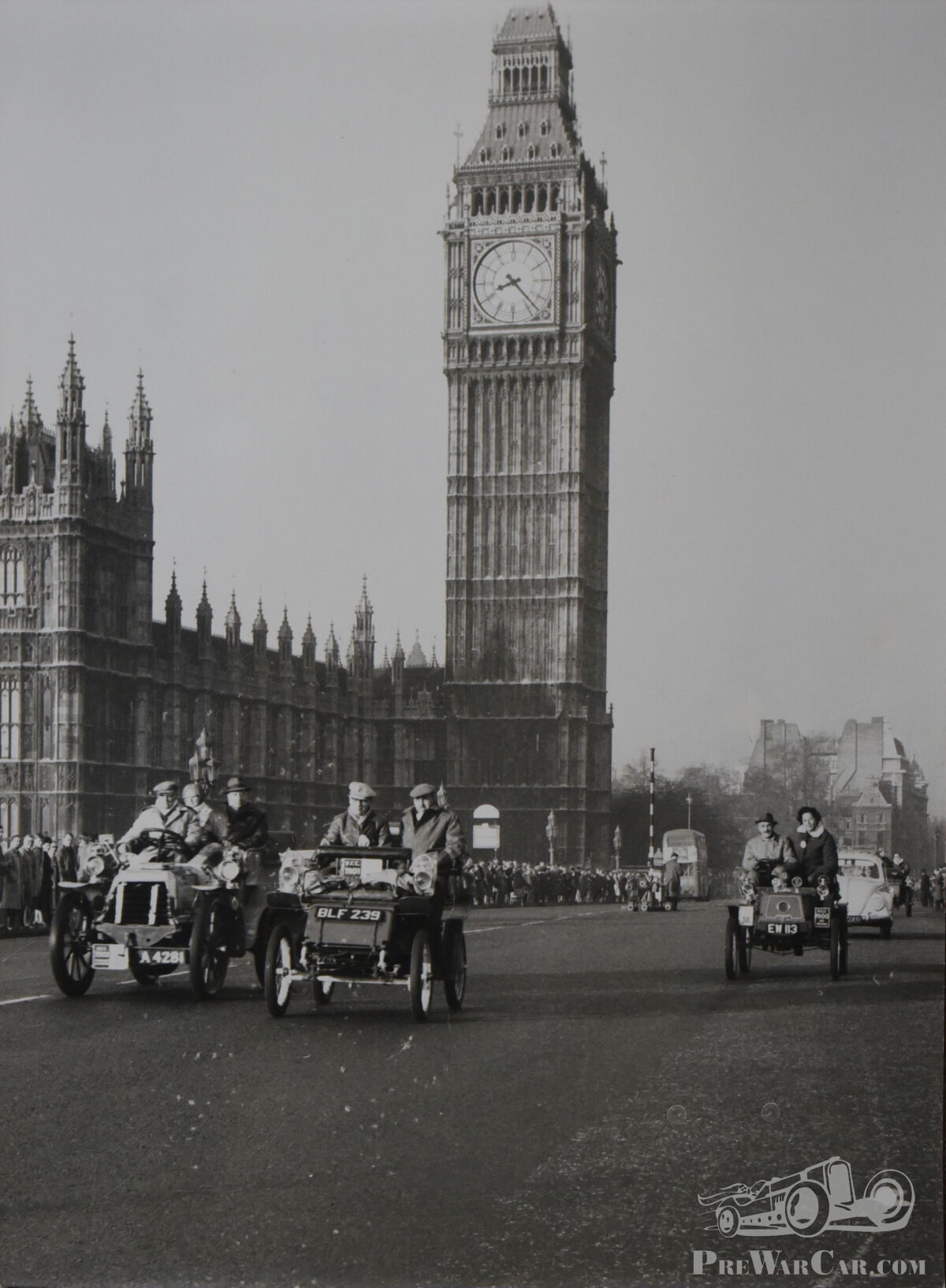
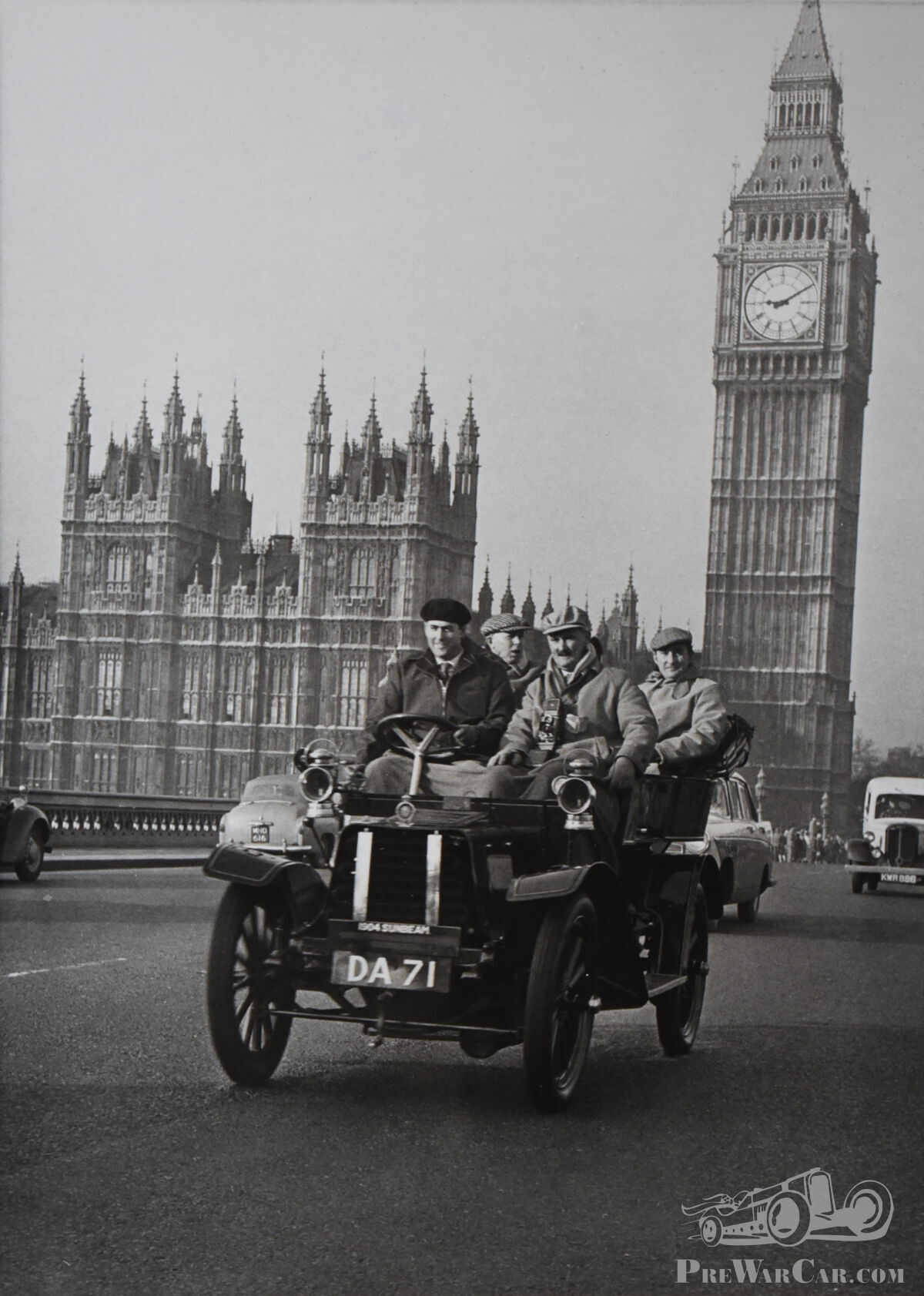


As we look forward to the Brighton Run in a few days' time, we might remind ourselves that all our treasured veterans are, save for a few pioneering pieces of particular antiquity, between 120 and 130 years old. Obviously, they were in their sixties when today's sexagenarian motor cars were brand new. Now that our society venerates plastic and microchips over craftsmanship, simplicity and good design, it is not without some sentimental fondness that we look back on that more beautiful median age when both veterans and moderns had their distinct attractions.
Today, we wind the clock back to 1965, when, as we see, Minors, Beetles, Bradford vans and Farina-penned Wolseleys were a not-unattractive adornment to the 19th-century London streetscape. Happily, the opening picture could easily have been taken today, since there have been no major changes to the Serpentine Road through Hyde Park, where the run begins, except that it is now a little darker, for the run started at eight o'clock in the 1960s, whereas it is now seven o'clock. Entries 3 and 4 are a pair of 1896 Léon Bollées, 7 we think is an 1896 Lutzmann and and 8 is an 1897 Benz. It is nice to see the occupants of the Bollée doing their bit for veteran-car fashion with their fetching deerstalkers, and we don't blame the front-seat passenger for wanting a cigarette to steady his nerves...
Following the cars out of Hyde Park, we are delighted to encounter the 1886 Hammel from the Museum of Science & Technology in Elsinore, Denmark. The obscurity in which this car exists today is quite unjust, since it was completed within months of Karl Benz's original Motorwagen. It was constructed by a blacksmith named Hans Urban Johansen but was given the name of the his employer. As the third-oldest petrol-driven car in the world, it is not just one of the most important vehicles in existence, but also one with a special place in Brighton Run history; when it first participated in 1954, it was the first car ever to have been shipped from abroad specially for the event, and it was also the oldest participant for many years, until eventually stripped of its title by the 1875 Grenville steam carriage, which now resides at Beaulieu. Both Hammel and Grenville have been absent from the Brighton road for far too long, and we would be very grateful if their custodians would breathe some life into them again.
We follow the route onward to Westminster Bridge, and see first of all a little race going on 'twixt a 1900 New Orleans, 1900 De Dion-Bouton and a famous 1901 Panhard et Levassor, Le Papillon Bleu. This 7hp model was originally built to a sumptuous specification for Panhard director, racing driver and bon vivant René de Knyff, who ordered a tonneau body from Rothschild of Paris. He had not owned the car long before Sir Leslie Bucknall entreated him to sell it and shipped it to England. By the mid-1920s, it was owned by H. Wallace Simpson of Henley, who wrote to The Autocar in 1925 asking if he had the oldest car still in regular use. From that, a little competition was initiated... Having found other owners of similarly antique automobiles, the first London to Brighton "Old Crocks Race" was organised by the Daily Sketch. Le Papillon Bleu participated in it, and also in the 1928 event. It has since changed hands several times, and participated on a great many Brighton Runs.
Finally, we see a picture of a powerful 1904 Sunbeam. We admit to knowing little about this car, but there is much that could be said about the driver, Australian Formula One ace Jack Brabham. Let's see what fascinating vehicles turn up on this year's run.
Words: Zack Stiling
Photographs: Stiling Collection
Publiziert:
Mittwoch Oktober 30th, 2024
Facebook
LinkedIn
Twitter
WhatsApp
Email
Copy
Kommentare
Pete Wood
01 November 2024, 06:54
A strange article, with weird punctuation and superfluous wording. It’s almost like it was translated by Google to another language, then Google translated back to English. Who uses “entreated”?
Weiter lesen
Ariejan Bos
30 Oktober 2024, 10:08
As far as I could check there are no 1965 photos present in this set. On the basis of participant numbers and drivers (Jack Brabham!) my findings are that the first photo was taken in 1966, the photos on the Westminster Bridge in 1962 and the photo of the Hammel even in 1954.
Weiter lesen