Das weltweite Magazin und der Marktplatz für Oldtimer-Enthusiasten – von Enthusiasten.
Das weltweite Magazin und der Marktplatz für Oldtimer-Enthusiasten – von Enthusiasten.


Filter
Auswahl treffen
- Autos
-
Marke >>
-
Baujahr >>
-
-
Kategorie >>
-
Länder >>
- Motorräder
-
Standort >>
- Teile
-
Automarke >>
-
Hersteller >>
-
Kategorie >>
- Fahrräder
-
Baujahr >>
-
Länder



A rare Rudge with a royal past


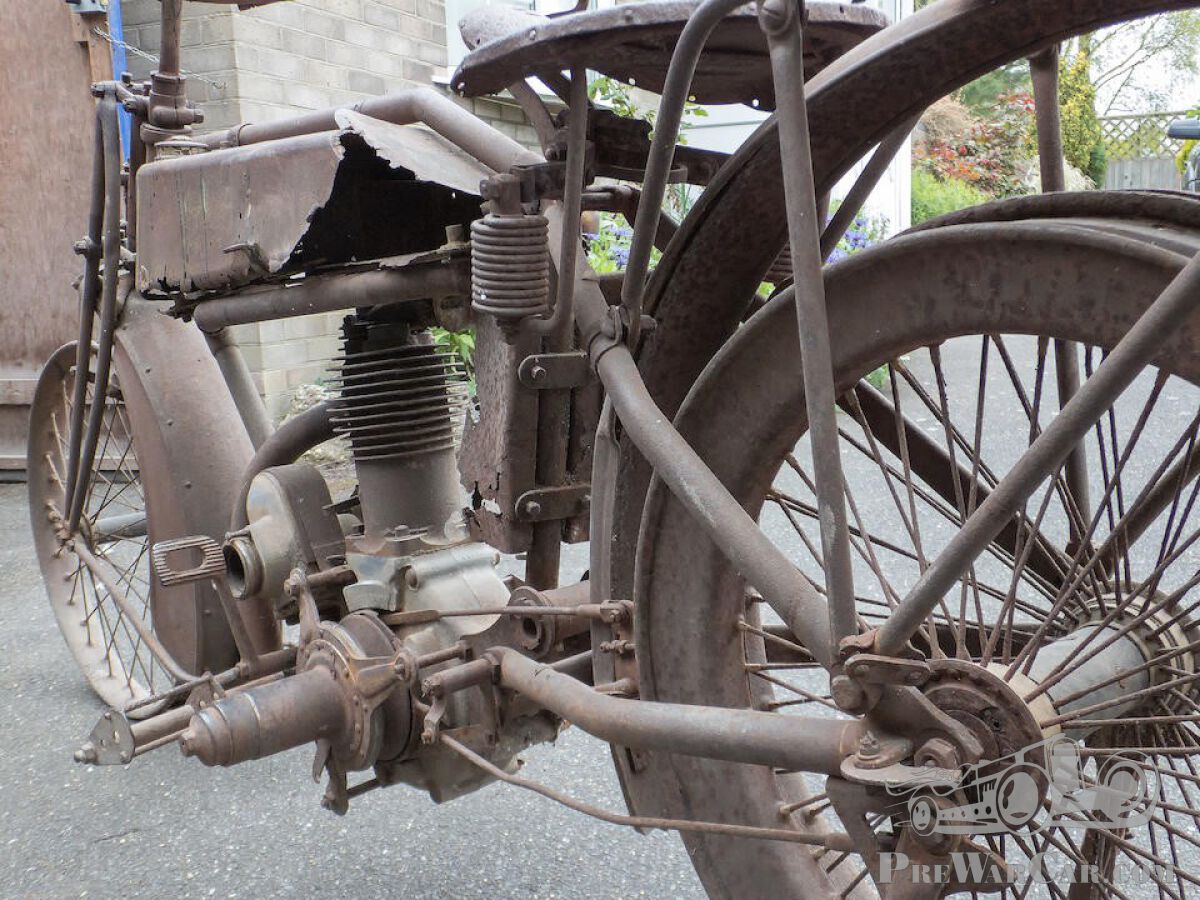




This historic Rudge Multi was first owned by King Onyeama of Eke, Nigeria, who had received it as a gift from H.M. King George V. An enthusiastic cyclist who favoured Rudge's products, the latter had bestowed his royal warrant on the Coventry firm, so the choice of one of its motorcycles as a gift for foreign royalty seems only natural. Onyeama n'Eke was King of the Igbo people of south-eastern Nigeria, a state that had been created by the merging of several West African kingdoms by the colonial power, Great Britain, in 1914, during King George V's rule. Born in the 1870s, King Onyeama was accepted as the paramount ruler of his people in 1928 and reigned until his death in 1933. He attended the British Empire Exhibition in London in 1924, visiting Buckingham Palace, and may have been given the Rudge during this visit. The King's granddaughter was told by her mother that the Rudge was used to run errands for him and was affectionately known within the royal family as 'Ogba tu, tu, tu' – 'the one that goes tu, tu, tu'. Not used since the late 1920s, the Rudge was shipped back to Britain in August, 2013, by the family from their residence in Lagos where it had been kept in dry storage.
As a veteran car man, I was used to having at least three wheels or more in my workshop, but in the end a piston is a piston and a valve is a valve. The basics are mostly to start projects that others do not even think about starting and so bring history back to life, so this challenge had to be done…
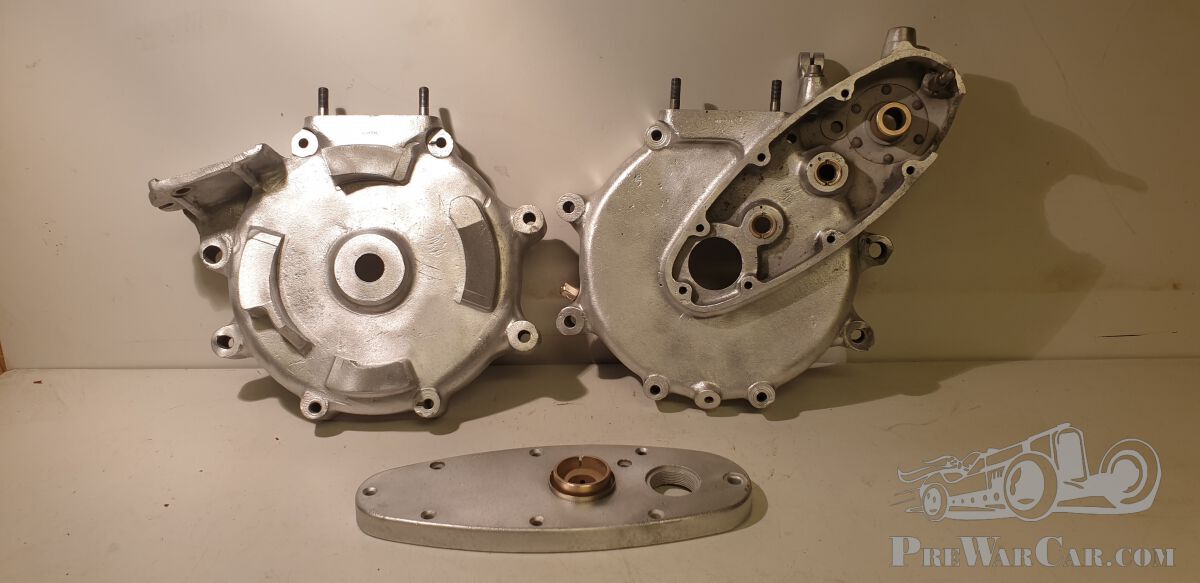
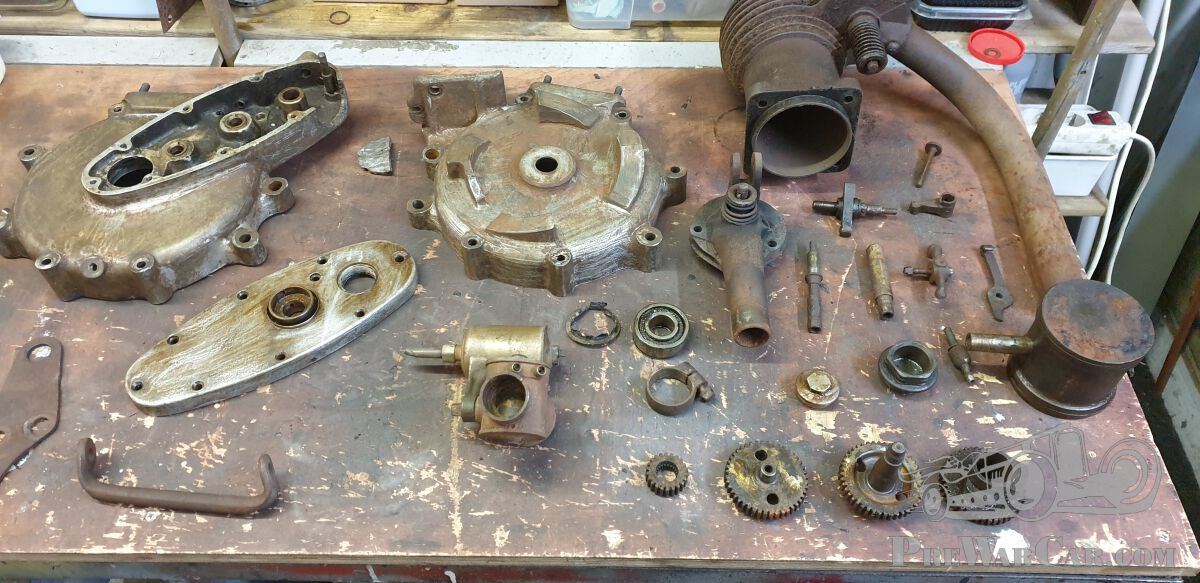
Sold by Bonhams, the Rudge arrived after a few years in my little atelier and after spending a few evenings around the bike I started to dismantle the whole thing. That was a challenge on its own as it was so rusty that it was not very easy to separate all the parts from the frame. After dismantling the whole frame, the engine was in a bath of gas oil for weeks to loosen up the rust inside. The only good thing about the piston stuck in the cylinder was that it did not have much wear and tear before it rusted…
When restoring you need to know first how things work before you start doing any restoration. I had to find out what the basics were of the Multi system Rudge used in those days. I found out that with the introduction of the Multi gear in 1912, Rudge was far ahead of the competition. It won the 1914 TT races with this system and Rudges were subsequently barred from certain speed events because of their “unfair head start.” The factory turned this to their advantage by using the “barred” logo in a clever company advertising campaign.
The Multi gear system is based on the possibility of varying the diameters of both front and rear pulleys, like the well-known DAF Variomatic system. By moving a long lever alongside the petrol tank, about 18 different gear ratios can be selected. While on the move the rider can choose the engine rpm that gives most engine torque and then he can raise the actual speed of the machine by changing the gear ratio with the “Multi lever“ without actually raising the engine revs, a remarkable experience when out on a Multi for the first time.
My goal was to restore the bike using as many original parts from the bike as possible and bring it back to the condition it was in when it left the factory May 4th, 1921. The front of the front mudguard was gone so the missing part was made and attached to the original piece that was left. It does not make the work easier but it is always better to use original parts where possible and keep the history with it. A new petrol tank had to be made, but I used all original parts, like the brackets and the petrol filler, in addition to the new metalwork.
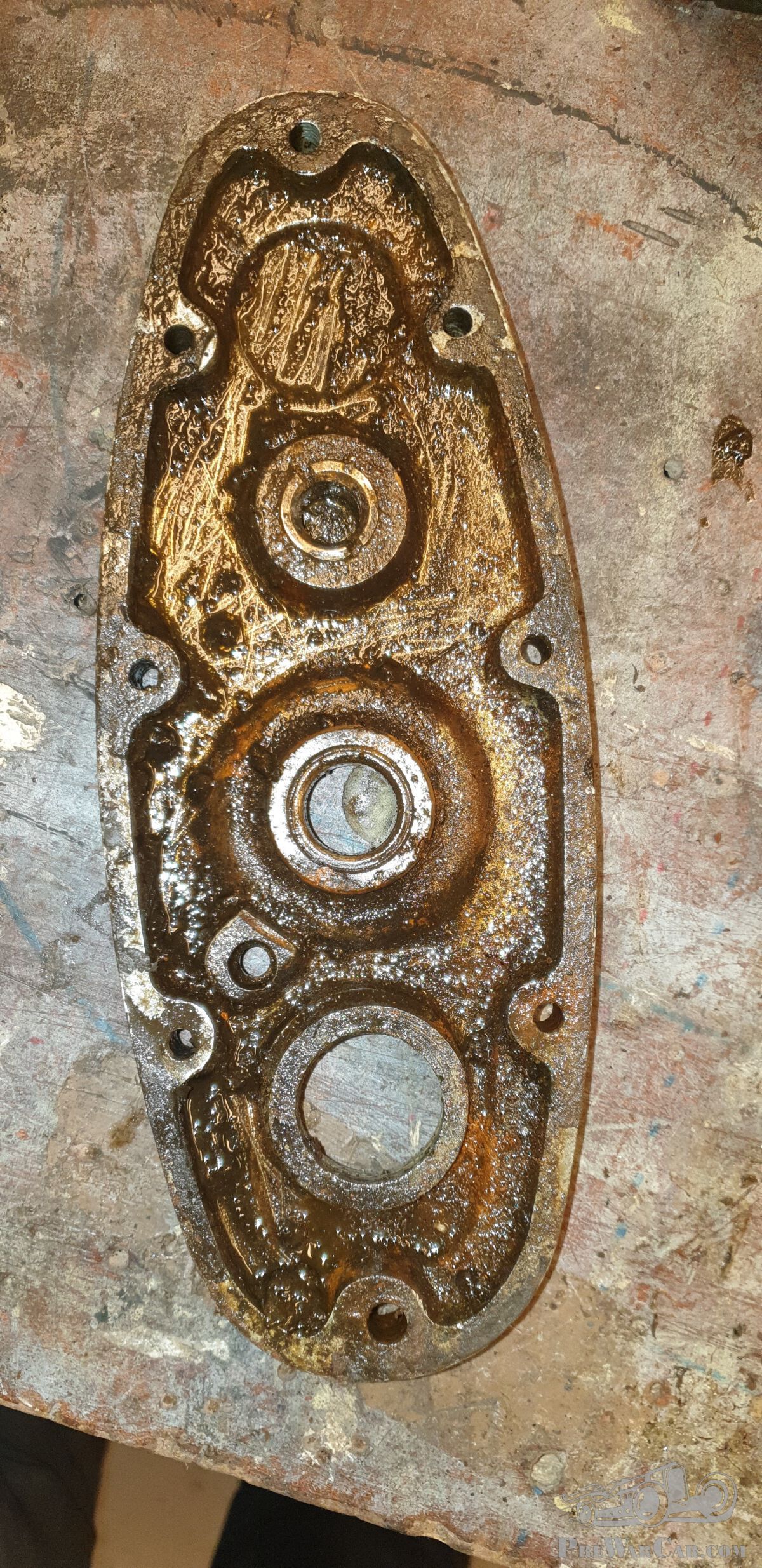
The rear hub was quite a challenge as it operates the rear pulley, but after a lot of research I found out how it worked and was able to bring it back into operational condition. Overhauling the engine, after cleaning it, was not the most difficult task as it was very similar to the early De Dion-Bouton engines I’m familiar with, only there were a few more gears inside to get the timing right and to operate the inlet valve. That, by the way, is the main difference from a De Dion-Bouton engine as they used atmospheric principles to operate the inlet valve.
After painting, nickelling, re-spoking the wheels and so on, building up could start and after a lot of months I was ready to see if I could bring it back to life again. I remember my daughter's face when the engine ran for the first time after exactly 100 years and the garden was full of smoke as I gave it it little too much oil in the beginning. As I said, exactly 100 years after it left the factory in Coventry, the 500 cubic centimetres did their work and sang the most beautiful song you can imagine…
I'm sure King George V would be proud to have this piece of English history back on the road after so many years.
I’m very grateful to my good friend Harold who was willing to give me the opportunity to do this fantastic job, as I fell in love with “the King’s Bike” during the restoration and it is now part of my little collection of old greasy stuff…
Words: Gilbert
Photographs of the original bike by Bonhams
Publiziert:
Mittwoch März 6th, 2024
Facebook
LinkedIn
Twitter
WhatsApp
Email
Copy
Kommentare
Luke Enunwa Mmamel
06 April 2025, 22:25
Where can I see the restored royal bike?
Weiter lesen
Harold Pritchard
06 März 2024, 12:15
Another fantastic restoration. Well done Gilbert!
Weiter lesen