Das weltweite Magazin und der Marktplatz für Oldtimer-Enthusiasten – von Enthusiasten.
Das weltweite Magazin und der Marktplatz für Oldtimer-Enthusiasten – von Enthusiasten.


Filter
Auswahl treffen
- Autos
-
Marke >>
-
Baujahr >>
-
-
Kategorie >>
-
Länder >>
- Motorräder
- Teile
-
Automarke >>
-
Hersteller >>
-
Kategorie >>
- Fahrräder
-
Baujahr >>
-
Länder



A pioneer in Hybrid-technology
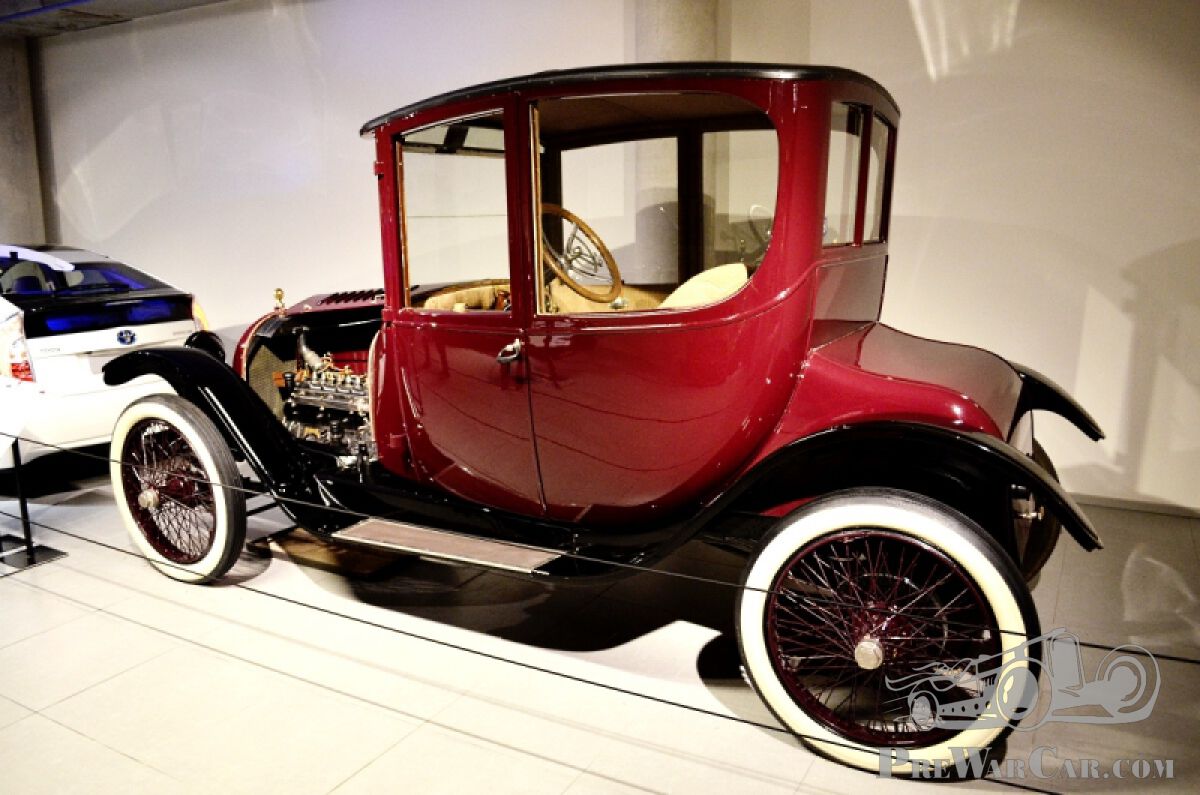
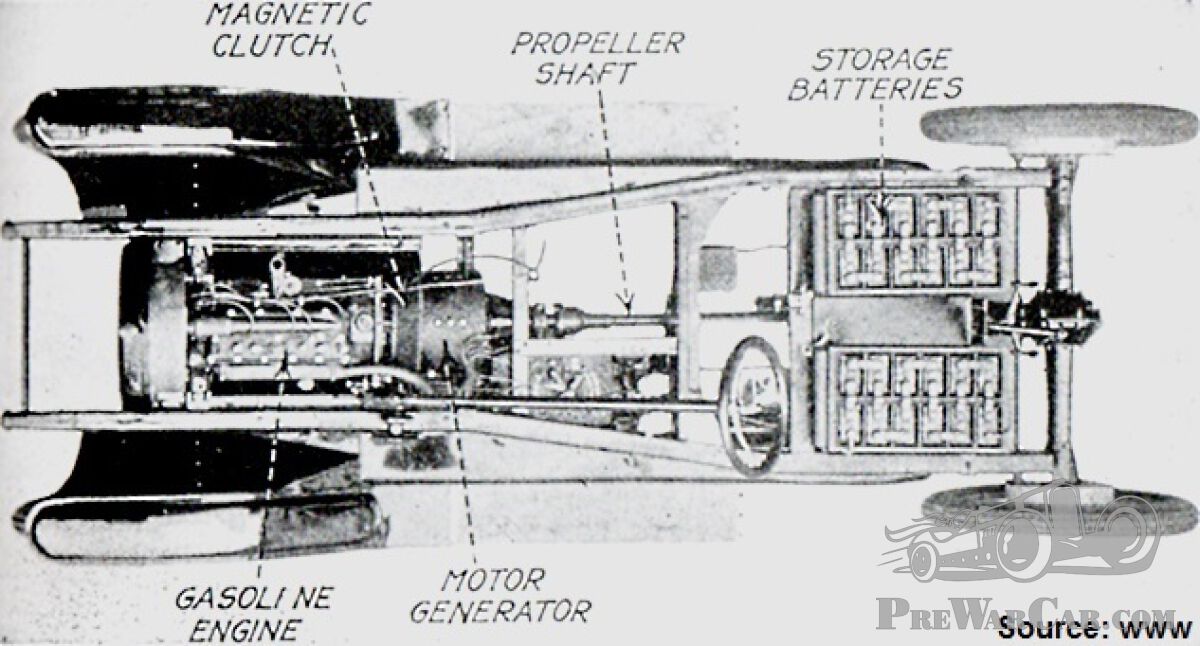
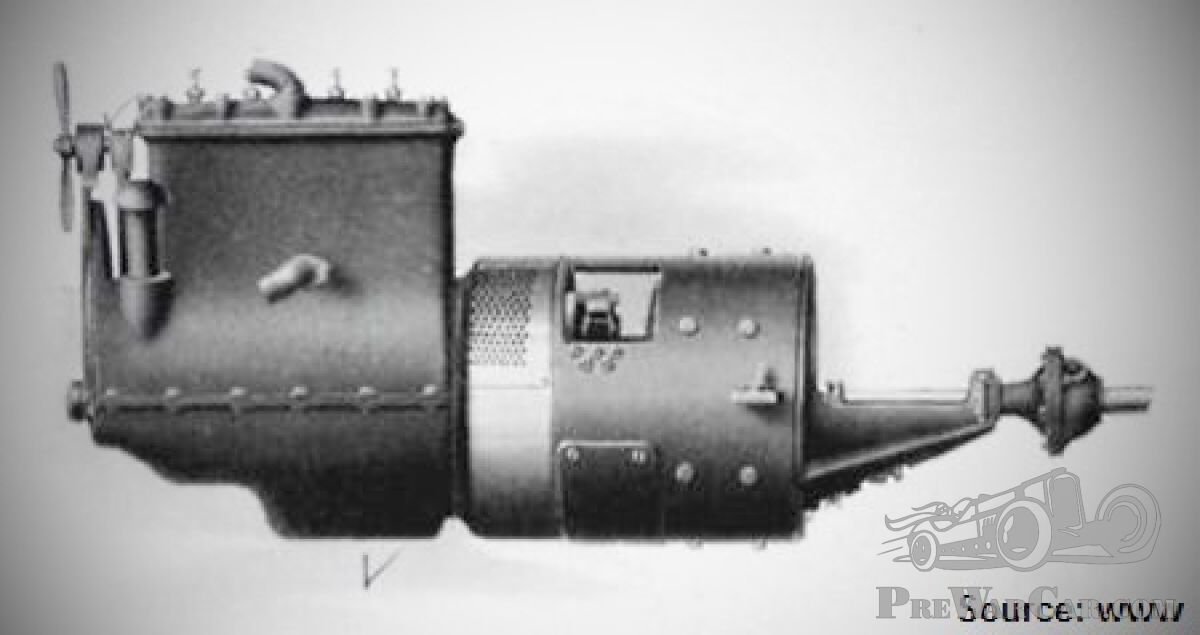


The Hague, end of December: While many Dutchmen were stacking europallets for the big NYE-bonfire at the Scheveningen-beach, we used the chance to escape the drizzling rain and made a short trip to the Louwman-Collection. Walking through the museum, you can realize, that the number of steam- or electric-powered cars is surprisingly high. But between the Stanley, Baker or Detroit-Electric, displayed next to a modern Prius cutaway, a lovely car hit my eye. With its open bonnet, showing a 4-cylindre gasoline engine, I at first had no clue, where to find the link to the cars around it and so I had to learn some astounding information about the one hundred years old "WOODS DUAL POWER". This pretty car, with its friendly looks and big windows is a pioneer in hybrid-technology. It is fitted with a 12hp four-cylindre gasoline-, as well, as with an electric-engine. Even if the hybrid-car was not new at this time (LaCuadra and Lohner for example built their hybrids nearly 20 years before this Woods was delivered), the milestone realised with the Dual Power is, that this car is a full-hybrid. Up to 30km/h, the car is driven electrical and for higher speeds up to 56km/h, the power of the petrol-engine is added via a magnetic clutch. The gasoline engine can also be used as a range extender as it´s charging the batteries while running. And as if this was not enough, the Woods used a technology, first invented for electric rack railways some years before: the regenerative brakes. By that, the battery was charged via level ground or downhill braking/ coasting. The braking efficiency of the engine was suitable for speeds over 10km/h (we remember, it was 1917 and not every driver would break for a chicken those days), so the conventional brake system with rear drums had only to be used at around walking speed or emergency brakes.
Such a modern car, built a hundert years ago. But why was this technique rejected by automobile companies for such a long time? I can´t remember even one hybrid production car between 1918, when Woods stopped production, and the 1997 Prius!? Woods wanted to combine the advantages of electric and gasoline powered cars. Gasoline engines for example were rough, loud and had to be cranked. But they had more power than the elctrical engines, that were silent and smoothly, easy to start, but had a short range. A perfect combination, with the additional advantage, that no gearbox was needed (with the disadvantage, that driving backwards was only possible in electric mode) but also a very expensive and complex one. For a price of more than $2.500 in 1917, a customer expected a car that was at least faster than a Tin-Lizzy, sold for $345. And the handycaps of gasoline engines minimized during those years. Electric starters for example got common, gasoline engines were refined, their reliability increased, nobody cared about exhaust gases or petrol-prices and last but not least, the service for such a complex technique as the hybrid-system was very expensive. So the Woods Motor Vehicle Company closed its doors in 1918. Only two (or three?) of the fabulous Dual Power seem to have survived: The one displayed in the Louwman-Collection and one is shown in the Ford-Museum at Dearborn.
Words and photos by Hubertus Hansmann
Publiziert:
Montag Januar 23rd, 2017
Facebook
LinkedIn
Twitter
WhatsApp
Email
Copy
Kommentare
Unbekannt
24 Januar 2017, 20:49
Hybrid or Dual Power, did anyone over the last Century ever give a go at those "big wheels that keep on spinning", for anything other than song lyrics?
Weiter lesen
Unbekannt
24 Januar 2017, 15:00
There is a hybrid bus dating from around 1920 in the Wythall Transport Museum near Birmingham. It used a similar system to the diesel/electric locomotive - the petrol engine generated power to drive a generator and the power from that drove the bus. No gearbox or clutch were necessary so they were simple to drive.
Weiter lesen
Unbekannt
24 Januar 2017, 09:22
In the UK Tilling-Stevens made very successful petrol electric buses pre-WW1 until the 1930s, if not later.
Weiter lesen
Unbekannt
24 Januar 2017, 08:22
Maybe not in private use, but mixed power source cars were in commercial use until well in the twenties. The German Faun was one of these makes and in The Netherlands Faun cars have been used often as public service vehicles. For private cars probably the weight was a problem, which was less for commercial vehicles. Undoubtedly there were more problems e.g. more complex engineering?
Weiter lesen
Unbekannt
24 Januar 2017, 08:21
There is a third Woods Dual Power in the Petersen Museum, preserved in unrestored condition.
Weiter lesen