Das weltweite Magazin und der Marktplatz für Oldtimer-Enthusiasten – von Enthusiasten.
Das weltweite Magazin und der Marktplatz für Oldtimer-Enthusiasten – von Enthusiasten.


Filter
Auswahl treffen
- Autos
-
Marke >>
-
Baujahr >>
-
-
Kategorie >>
-
Länder >>
- Motorräder
- Teile
-
Automarke >>
-
Hersteller >>
-
Kategorie >>
- Fahrräder
-
Baujahr >>
-
Länder



A lot more to learn about Pax, who can help?


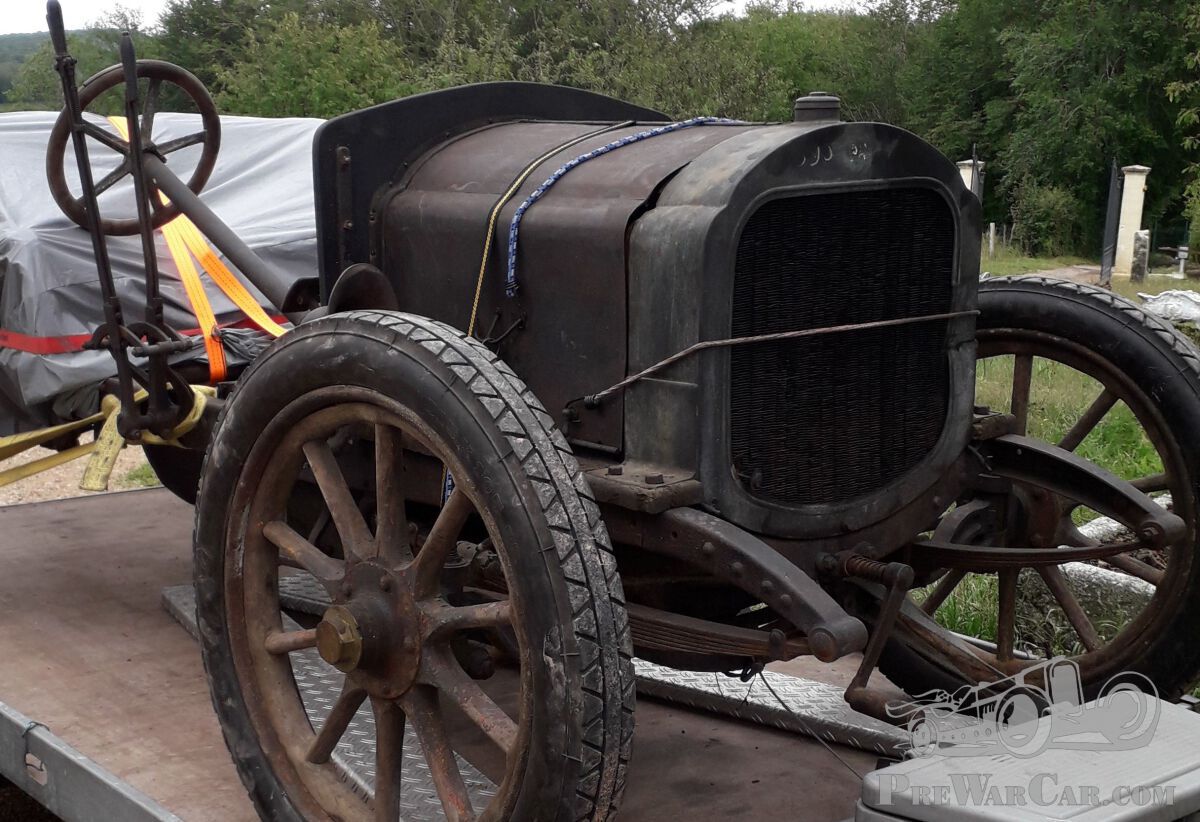

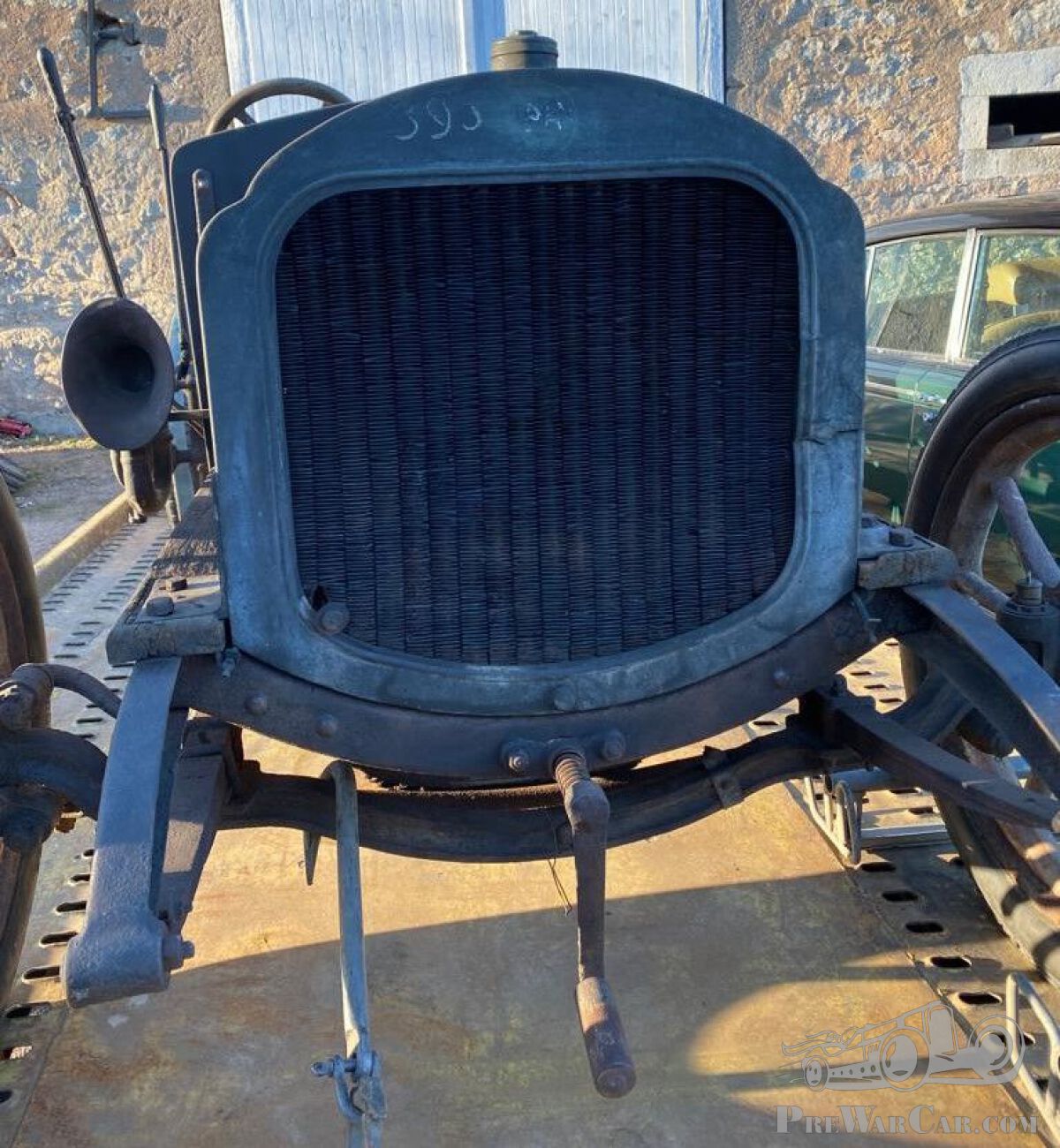
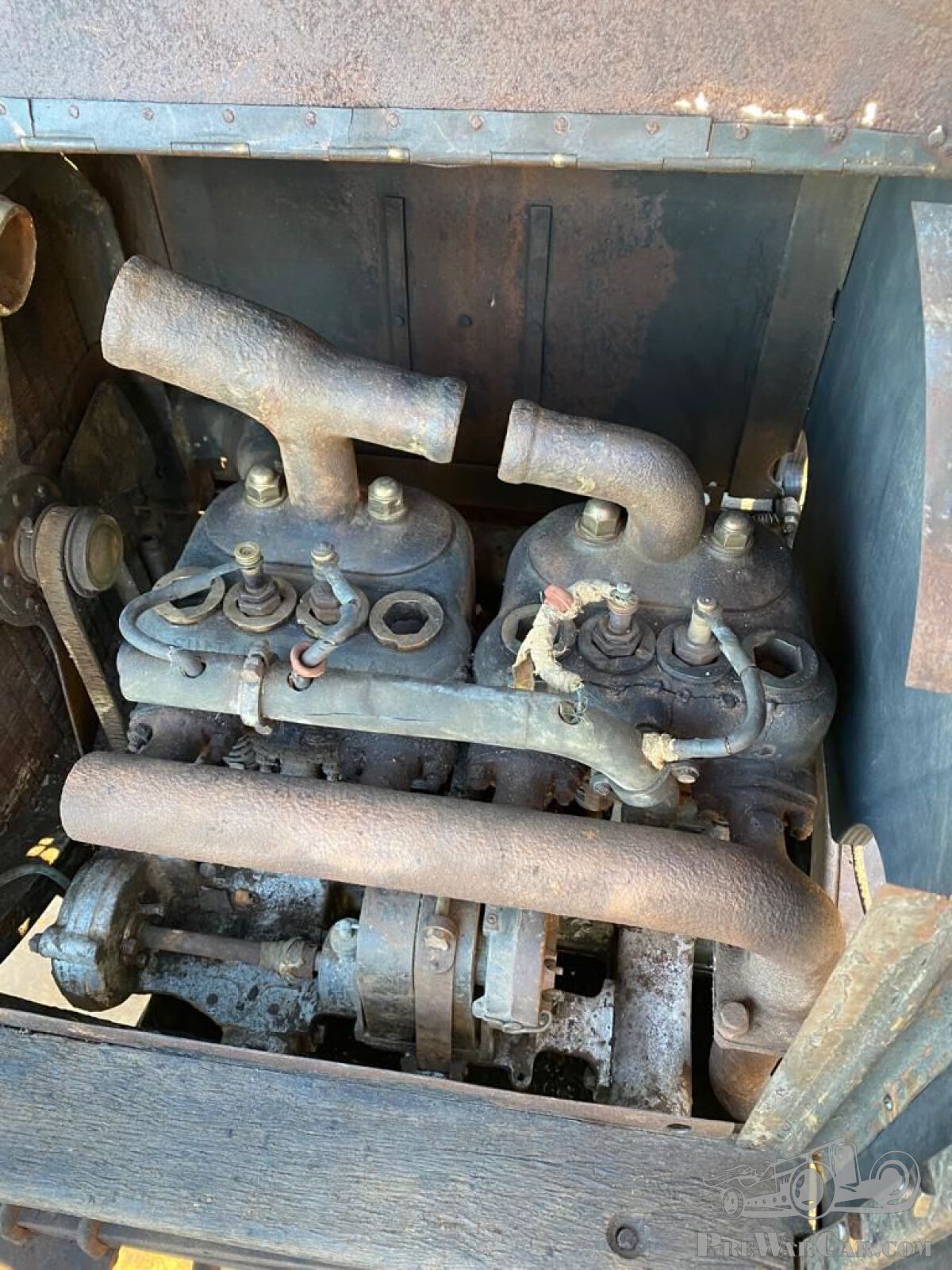
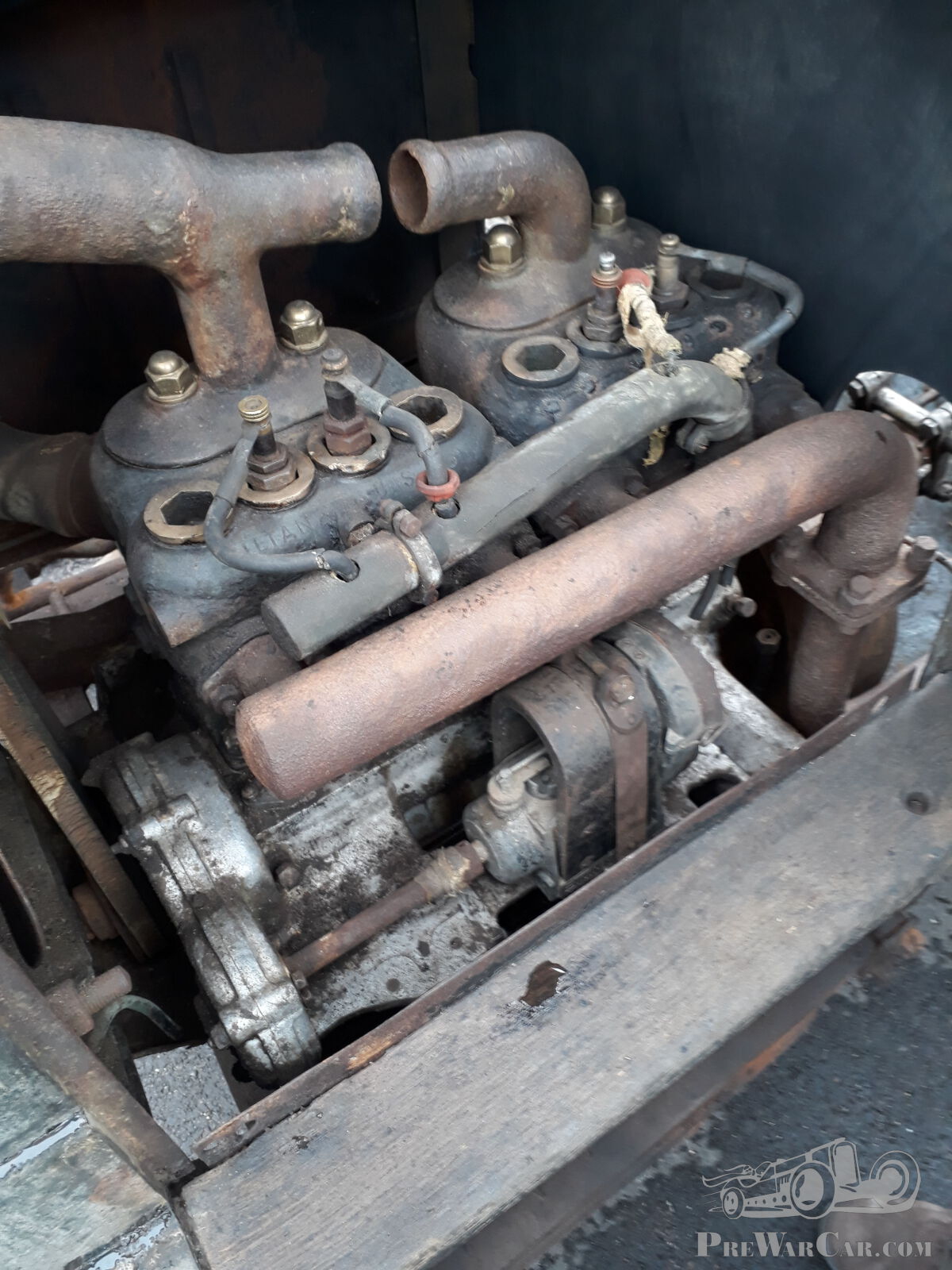
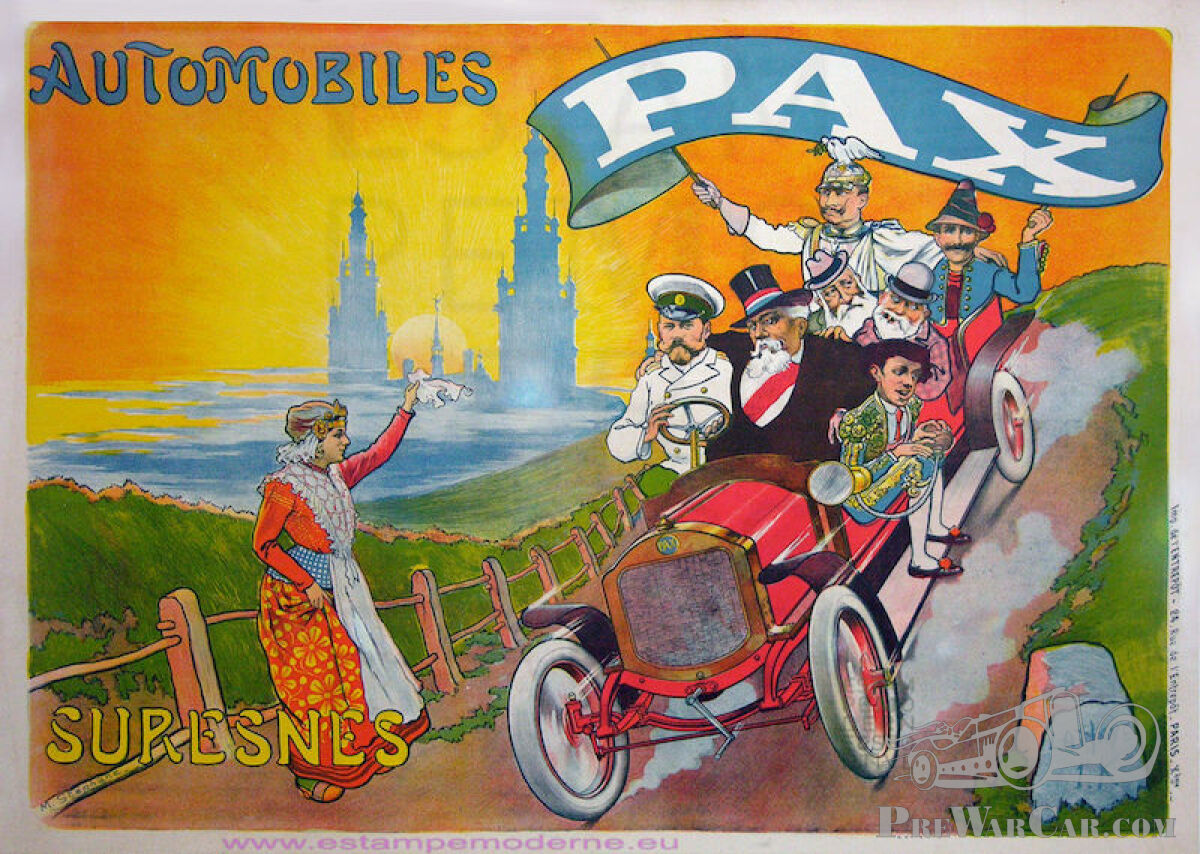


Recently, I acquired an historic car by a French brand called Pax, built in 1908. I had never heard of Pax in my life, and I discovered that was true for most people I spoke to.
Georgano’s Beaulieu Encyclopedia of the Automobile mentions Pax in a few lines [it is missing from 1968's The Complete Encyclopaedia of the Motorcar - Ed.], and I found a page on German Wikipedia as well. Pax was probably a licensed builder of the Sultane automobiles made by Lethimonnier et Cie of Paris, which were also built in America under the Sultan name. Pax was first presented to the public at the French Salon in 1907 and there is a photo showing three cars on its stand.
My car is in need of a total rebuild and some more information on the brand and its cars would be very welcome. The radiator has, for instance, lost its Pax badge and there is hardly anything left of the body.
Has anybody ever seen a Pax in a collection, museum or private ownership?
I’m desperately searching for information of this ephemeral vehicle.
Words: Kees Kersten
Publiziert:
Montag Oktober 17th, 2022
Facebook
LinkedIn
Twitter
WhatsApp
Email
Copy
Kommentare
David Grimstead
24 Oktober 2022, 18:40
Kees Kersten
25 Oktober 2022, 10:05
Hi David,
This is an amazing story and I’m surprised and impressed about the details that you reveal about the Sultan cars in the USA. It will take some time to follow up on all sources you mentioned but it will be very worthwhile to do. Although you clarified a lot about the Martin-Lethimonnier and Sultane connection, the relation between Sultan/Sultane and Pax is still a mystery to me. The Pax uses the Malicet et Blin chassis including gearbox and the engine with paired cylinders from Lethimonnier/Sultan. Unclear where the bodies came from. Who decided to market a car very similar to the Sultane under the name Pax and what was the reasoning?
Thank you for your valuable contribution to the discussion.
Weiter lesen
This is an amazing story and I’m surprised and impressed about the details that you reveal about the Sultan cars in the USA. It will take some time to follow up on all sources you mentioned but it will be very worthwhile to do. Although you clarified a lot about the Martin-Lethimonnier and Sultane connection, the relation between Sultan/Sultane and Pax is still a mystery to me. The Pax uses the Malicet et Blin chassis including gearbox and the engine with paired cylinders from Lethimonnier/Sultan. Unclear where the bodies came from. Who decided to market a car very similar to the Sultane under the name Pax and what was the reasoning?
Thank you for your valuable contribution to the discussion.
Daniel
24 Oktober 2022, 10:15
Hi Kees
I'm really interested in all of these comments about your car, because, I'm restoring a "Automobile Sultane" and I saw some similarities on the design of the radiator that is missing on my car.
I post two pics about my car.
I have some questions :
Why someone speaks about "Martin et Lethimonnier or Sultane", the engine is completely different as you can see on my car who this fitted with a Sultan motor. I found some press articles dated from 1899 that explains that the Moteur Sultan was design to fit Automobile Sultane
And ,
How can I get more pics an information of details to rebuild a radiator for my car
Many thanks to all of the guys of this topic
Daniel
Weiter lesen
I'm really interested in all of these comments about your car, because, I'm restoring a "Automobile Sultane" and I saw some similarities on the design of the radiator that is missing on my car.
I post two pics about my car.
I have some questions :
Why someone speaks about "Martin et Lethimonnier or Sultane", the engine is completely different as you can see on my car who this fitted with a Sultan motor. I found some press articles dated from 1899 that explains that the Moteur Sultan was design to fit Automobile Sultane
And ,
How can I get more pics an information of details to rebuild a radiator for my car
Many thanks to all of the guys of this topic
Daniel
Kees Kersten
25 Oktober 2022, 09:39
Hi Daniel,
It’s a very interesting car that you are restoring. The engine is of particular interest, and I have never seen something before. It looks that it features combined overhead and side valve operation. It has nothing in common with the designs I know from Martin-Lethimonnier, Sultan, Sultane or Pax. I’m keen to see these press article about that “Moteur Sultan”.
What kind of gearbox is fitted and what is the back axle looking like?
The radiators on Sultane, Martin-Lethimonnier and Pax cars look quite similar and could have the same basic design. I noticed that the shape of the front is a simple loose panel welded to the main structure of the radiator.
I’m ready to provide you with dimensions and pictures of my radiator. Maybe you should first check the track width of the chassis where the radiator should fit to see if the basic dimensions correspond.
Weiter lesen
It’s a very interesting car that you are restoring. The engine is of particular interest, and I have never seen something before. It looks that it features combined overhead and side valve operation. It has nothing in common with the designs I know from Martin-Lethimonnier, Sultan, Sultane or Pax. I’m keen to see these press article about that “Moteur Sultan”.
What kind of gearbox is fitted and what is the back axle looking like?
The radiators on Sultane, Martin-Lethimonnier and Pax cars look quite similar and could have the same basic design. I noticed that the shape of the front is a simple loose panel welded to the main structure of the radiator.
I’m ready to provide you with dimensions and pictures of my radiator. Maybe you should first check the track width of the chassis where the radiator should fit to see if the basic dimensions correspond.
Daniel
25 Oktober 2022, 19:49
Hi Kees
I have documentation about Pierre Clerget, the designer of the moteur Sultan for Automobile Sultane, and other about the Sultan engine.
I’m really interested about your radiator to rebuild mine, how could we exchange informations ?
Daniel
[email protected]
Weiter lesen
I have documentation about Pierre Clerget, the designer of the moteur Sultan for Automobile Sultane, and other about the Sultan engine.
I’m really interested about your radiator to rebuild mine, how could we exchange informations ?
Daniel
[email protected]
Robb
23 Oktober 2022, 14:41
Hi Kees, This is an important bit of history found and preserved and this seems to be the right place to get such support in the comments. The international nature of such a small maker is fascinating and the M. Stéphane is pretty funny. Is the guy in the top hat, the American?
Weiter lesen
Kees Kersten
19 Oktober 2022, 18:15
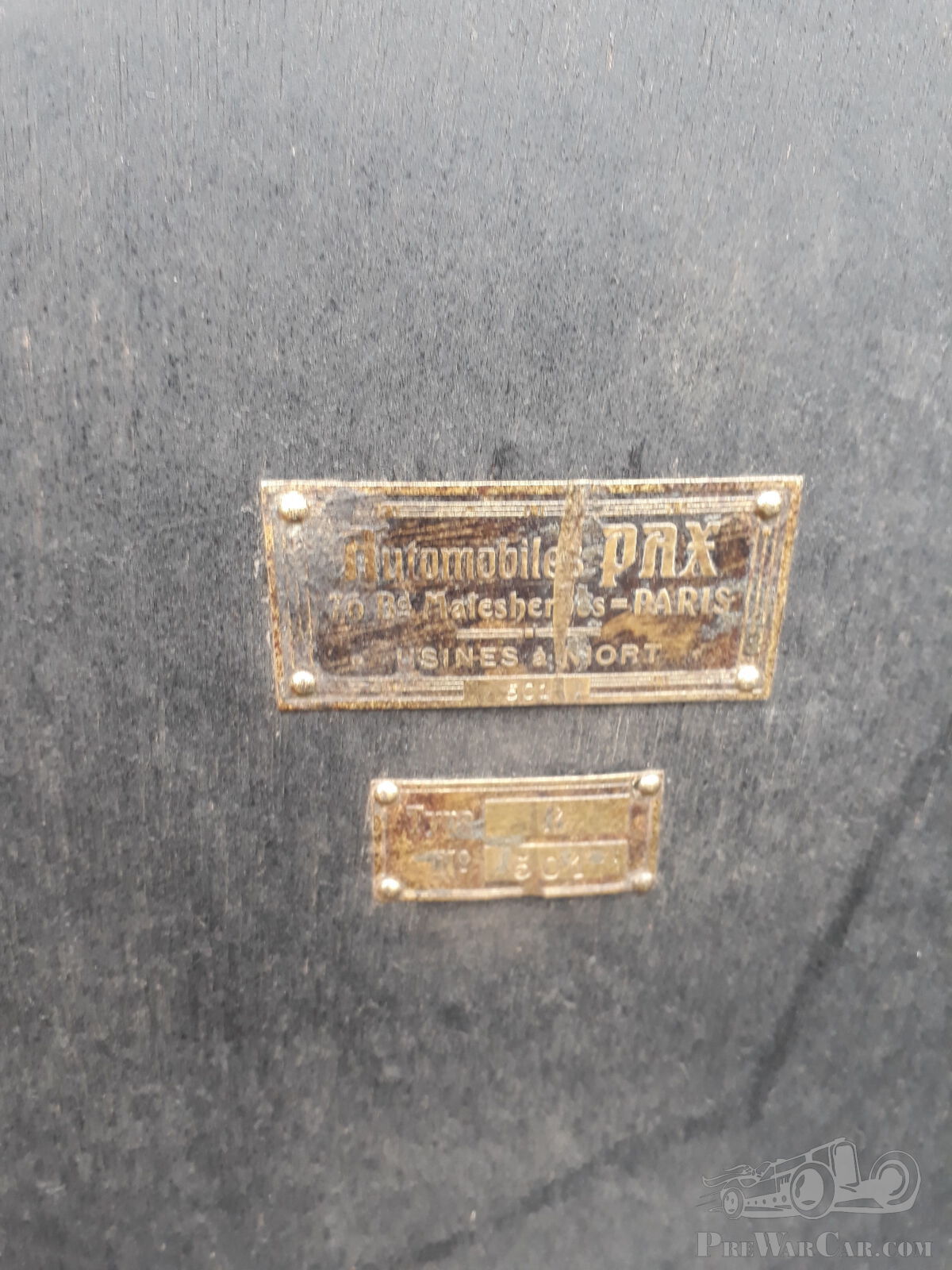
The detail photo of the Pax logo is most welcome! I will upload the registration plate which carries the number 501. The engine number is 330.
According to the car plate production of Pax was in Suresnes and Niort. Local historians from Niort could not clarify were that production should have been located.
Interesting to hear about period registrations of Pax cars. Where does that info come from? The Pax automobiles were introduced during the Paris Salon of 1907 (date?) So, it could be possible that some Pax cars have been sold and registered in 1907.
But your suggestion for the name change following that fatal accident seems to be justifiable as well.
Weiter lesen
According to the car plate production of Pax was in Suresnes and Niort. Local historians from Niort could not clarify were that production should have been located.
Interesting to hear about period registrations of Pax cars. Where does that info come from? The Pax automobiles were introduced during the Paris Salon of 1907 (date?) So, it could be possible that some Pax cars have been sold and registered in 1907.
But your suggestion for the name change following that fatal accident seems to be justifiable as well.
Ariejan Bos
18 Oktober 2022, 19:44
Thank you for the info, that is new to me. I uploaded a partial photo of a 'real' Pax showing the logo, which is identical to the one on the poster, though with slightly smaller lettering. The registration plate is interesting as almost all I4 registrations were issued in June 1907, when according to my opinion Pax didn't exist yet. I would assume that the name change from Martin & Lethimonnier to Pax took place after the fatal accident of Lethimonnier during the Critérium de France in August 1907.
Weiter lesen
Kees Kersten
17 Oktober 2022, 22:33
Hello Ariejan,
Thank you for your comments. Indeed, the radiator shell of the car is similar to the Lethimonnier-Martin cars, but there are three observations that helped me to conclude for Pax: The is a car plate on the car which mentions “Automobiles Pax 76, Bd Malesherbes Paris”; second: on the brake pedal the “PAX” logo is just visible. And third: The radiator badge is missing but you can see the circular traces of missing badge which corresponds to the shape on the commercial PAX poster. By the way: Hans Veenenbos pointed out that the chassis of the PAX automobiles are probably produced by Malicet et Blin. That could be true as I found the MAB logo on every bearing and many other parts of the front- and rear axles as well on parts within the gearbox and drive shaft.
I guess that engines were produced for both Sultan cars in the USA as for Pax as for Sultane in France.
Weiter lesen
Thank you for your comments. Indeed, the radiator shell of the car is similar to the Lethimonnier-Martin cars, but there are three observations that helped me to conclude for Pax: The is a car plate on the car which mentions “Automobiles Pax 76, Bd Malesherbes Paris”; second: on the brake pedal the “PAX” logo is just visible. And third: The radiator badge is missing but you can see the circular traces of missing badge which corresponds to the shape on the commercial PAX poster. By the way: Hans Veenenbos pointed out that the chassis of the PAX automobiles are probably produced by Malicet et Blin. That could be true as I found the MAB logo on every bearing and many other parts of the front- and rear axles as well on parts within the gearbox and drive shaft.
I guess that engines were produced for both Sultan cars in the USA as for Pax as for Sultane in France.
Ariejan Bos
17 Oktober 2022, 10:17
This car must originate from the 'hidden' Mahy collection. How do you know the car is a Pax and not a Martin & Lethimonnier? The engine carries the Sultan name and in appearance (i.e. radiator shape) the makes were identical. To complicate things, the trade name Sultane was also used in Europe, having a similar radiator shape for some time. Besides I see in addition to Sultan the letters US. Does this mean that the engine was built for the US market? Checking the American Sultan, I notice that the engine is quite similar still to the engine in the 1910 town car (MoToR 1909-12 p.62 ff)
I wouldn't be surprised if this car is a sole survivor. I don't know of any other Martin & Lethimonnier or Pax survivors. There are a few Sultan(e) survivors, but these have different looks.
Weiter lesen
I wouldn't be surprised if this car is a sole survivor. I don't know of any other Martin & Lethimonnier or Pax survivors. There are a few Sultan(e) survivors, but these have different looks.
Jeff Perkins
17 Oktober 2022, 03:08
OMG…..would I ever love to have found this one!!
Weiter lesen
Bill Coates
17 Oktober 2022, 11:20
So would I. I don't remember ever being jealous, ......but!!!
Weiter lesen
Martin had helped Mr. Henri de Buren set up a Sultan car manufacturing operating in the ex-Otis Lift factory in Springfield, Massachusetts by 1906; it started with $200,000 capital. The first American sales office was at 121, West 89th Street New York City, then 249-251 West 64th St and then 1659 Broadway in 1909. Buren had first imported examples of 12-16-h.p., 24-32-h.p. and 35-50-h.p. French Sultan (Sultane?) cars in 1904 to test their suitability. The manufacturing operation was initially licensed by the Societé Anonyme des Moteurs Thermique, Paris, the company which controlled the M. et. L. patents. Sultan adverts in 1908 changed to “Licencee of Lethimonnier and Co”. A factory to make Sultan/Sultane cars under license was also set up in Italy in 1906.
The American model range included a 4-cylinder (3-inch bore x 4.75-inch, maybe 4.375-inch stroke) 12/14-h.p. town car, with a 98.5-inch wheelbase and based on the same chassis, a cab, of which 1400 were said to be in use in Europe by 1909. The Springfield plant was able to make 300 cabs per year, as well as a building the town car version and a 5-passenger touring car with a 24-32-h.p. 4-cylinder engine (4.125-inch bore x 5.125-inch stroke) in a 116.25-inch chassis. The operation in Springfield produced its cars using imported “motor, change gear and other chassis parts”, while the wheels, bodywork, etc. (including Truffault-Hartford shock absorbers) were locally sourced; it was right-hand drive. By 1907 they were making twenty-four 5-passener models per week and starting to make a licensed truck chassis.
The imported engine of the 1907-8, American Sultan 5-passenger Touring Car looks very much like Daniel’s, with four separate cylinders, where the smaller 12/14-h.p. town-car or cab’s was stated to be paired, like Kees’. Pictures of the former can be seen in a six-page technical description of the whole car in the Cycle and Automobile Trade Journal (Vol.XII. No.1.) of July 1st 1907. This can be openly accessed on the HathiTrust website here: #62 - Automobile trade journal. v.12 1907-1908 Jul-Jun. - Full View | HathiTrust Digital Library
A two-page report about the 1909-10, 12/15-h.p. Sultan Landaulet Town Car on a 97-inch chassis, with a scimitar badge and an engine like Kees’, can be seen in the Motor journal here: #383 - Motor. v.12-13 1909 Jul-Dec. - Full View | HathiTrust Digital Library
Lethmonnier 7-h.p. (twin), 12, 14, 20/22, 28/30, 30 and 40/45-h.p. (four-pot.) cars and a Pax 10-h.p. 4-cylinder appear in the list of French cars in the International Motor Cyclopaedia year book for 1908 but Sultan/Sultane only appears as a brand name under Martin et Lethimonnier, Paris and Sultan Motors, Springfield; American Sultan 14.4-h.p. cars and taxicabs were still widely exhibited and on sale in 1909-10.