Das weltweite Magazin und der Marktplatz für Oldtimer-Enthusiasten – von Enthusiasten.
Das weltweite Magazin und der Marktplatz für Oldtimer-Enthusiasten – von Enthusiasten.


Filter
Auswahl treffen
- Autos
-
Marke >>
-
Baujahr >>
-
-
Kategorie >>
-
Länder >>
- Motorräder
-
Standort >>
- Teile
-
Automarke >>
-
Hersteller >>
-
Kategorie >>
- Fahrräder
-
Baujahr >>
-
Länder



A flagship for the Fatherland: a glimpse at Opel's opulent Regent
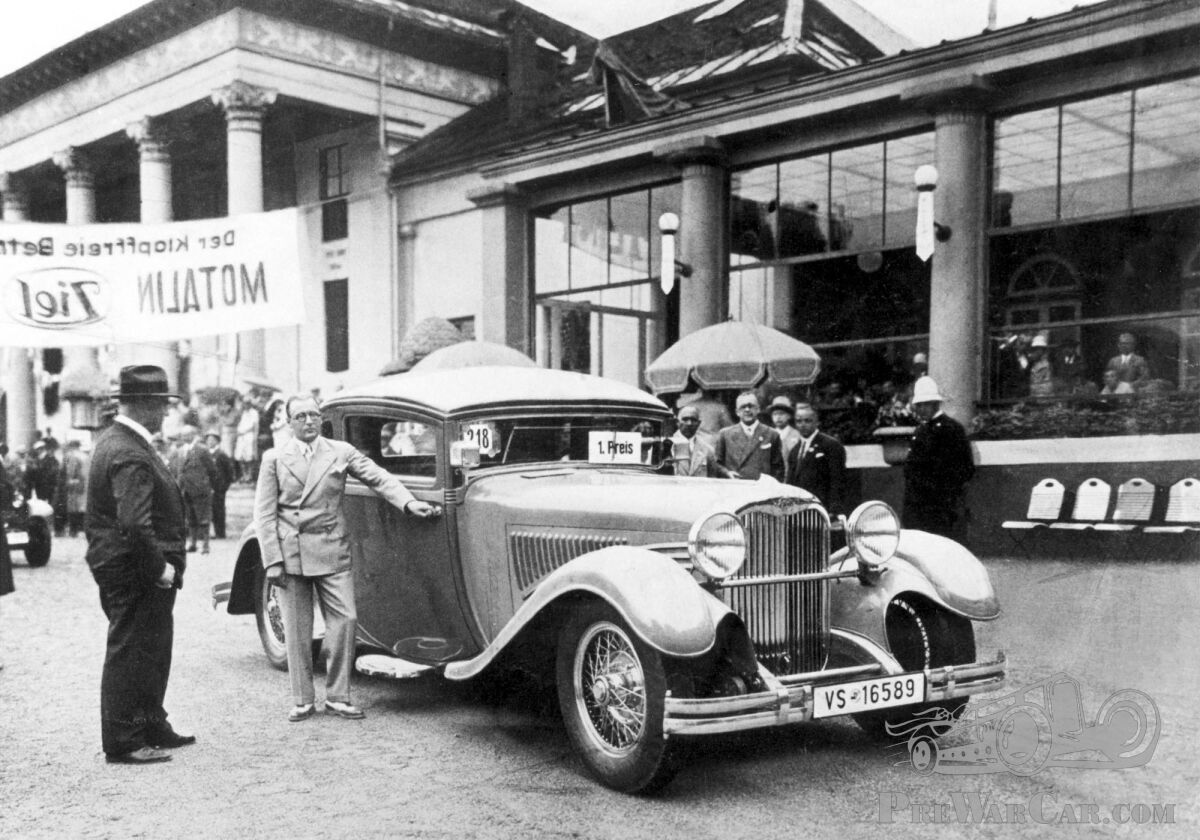
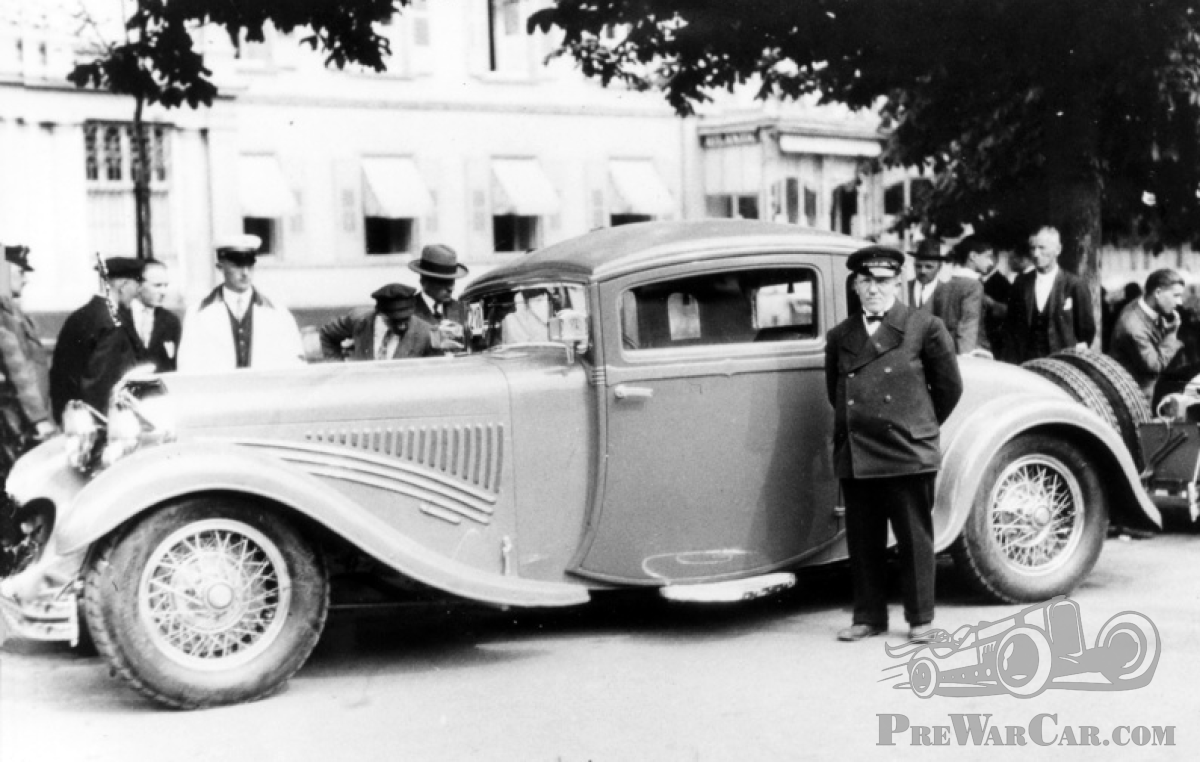


If you grew up in the 1970s and 1980s in Europe’s prosperous west, you will always remember Opel for robust but not terribly exciting mass-produced cars, simply offering good value formoney. Was there ever a time when things were different?Yes, but we must go back to even further to the pre-war years. By the late 1920s, Opel was Germany’s biggest motor manufacturer, but while they pumped out thousands of bread-and-butter cars and even had their own impressive test track, they clearly did not belong to the cream of the industry, where Rolls-Royce and Cadillac, Bugatti and Alfa Romeo kept the standard flying high.
Opel was eager to get there, though. They’d brought out a line of six-cylinders in 1927, which may have looked like a move upmarket, but to really pose a challenge to the big names, the company decided that what it needed was a lusty straight-eight. Such engines had been used before in racing models and by November, 1928, a production version of six litres and 110hp was ready, along with a chassis large and robust enough to take it. Wilhelm von Opel presented the prototype chassis for the company’s new flagship at the International Motor Show in Berlin. The new Opel was given a royal name, Regent, and it was quite something. The chassis only weighed 1,650 k.g. and was expected to weigh at least two tons with a body affixed. It needed four hydraulic brakes and massive Continental low-pressure tyres to carry all that girth, and Opel’s engineers fitted four permanently-installed hydraulic jacks, lest a wheel should need to be replaced. A sale price of 14,000 Marks was quoted, or 15,000 with the Maybach Schnellgang gearbox, and that was just for the rolling chassis.
A seven-seater tourer body could be ordered from the Opel works at 4,500 Marks, while Roadster and Pullman limousine versions were priced at 5,000 and 6,000 Marks respectively. Naturally, customers could choose their own coachbuilder if they preferred, and that’s where the car seen here comes in. It’s a big coupé strikingly bodied by Kruck of Frankfurt, which is believed to have been exhibited at the concours d’élégance of Baden-Baden in June, 1929, by Wilhelm von Opel himself as the Opel Regent 23/110 Sport-Coupé. What a car! The colours were a deep cobalt blue over ivory, and the owner was none other than industrialist and later Nazi top man Wally Sachs.
Apparently, 25 orders came in for the Regent, but the world was only months away from the Wall Street Crash and the Great Depression at the time of its launch at the Baden-Baden concours. Needless to say, that didn't work out well for Opel. To cut a long story short, in 1929 General Motors took over 80 per cent. of the manufacturer’s shares for just under $26,000,000, followed by the remaining 20 per cent. two years later. Of course, Detroit didn't want in-house competition for its Buicks and Cadillacs, so it decided to to axe the Regent. As a matter of fact, the new directors are believed to have forced the company to buy back the Opel Regents sold and scrap them. It is thought that such an act of wanton destruction did actually take place and that’s where the story of Opel’s top model ends. The pictures of the very few cars built, among them the Kruck Sport-Coupé are all that remain today.
Words: Jeroen Booij; pictures: Coachbuild.com
Publiziert:
Freitag August 23rd, 2024
Facebook
LinkedIn
Twitter
WhatsApp
Email
Copy
Kommentare
Maurice
23 August 2024, 09:25
On the Wikipedia page about Willy Sachs, it is mentioned that he was married to Elinor von Opel, the daughter of Wilhelm von Opel.
Weiter lesen
Michael Schlenger
23 August 2024, 08:49
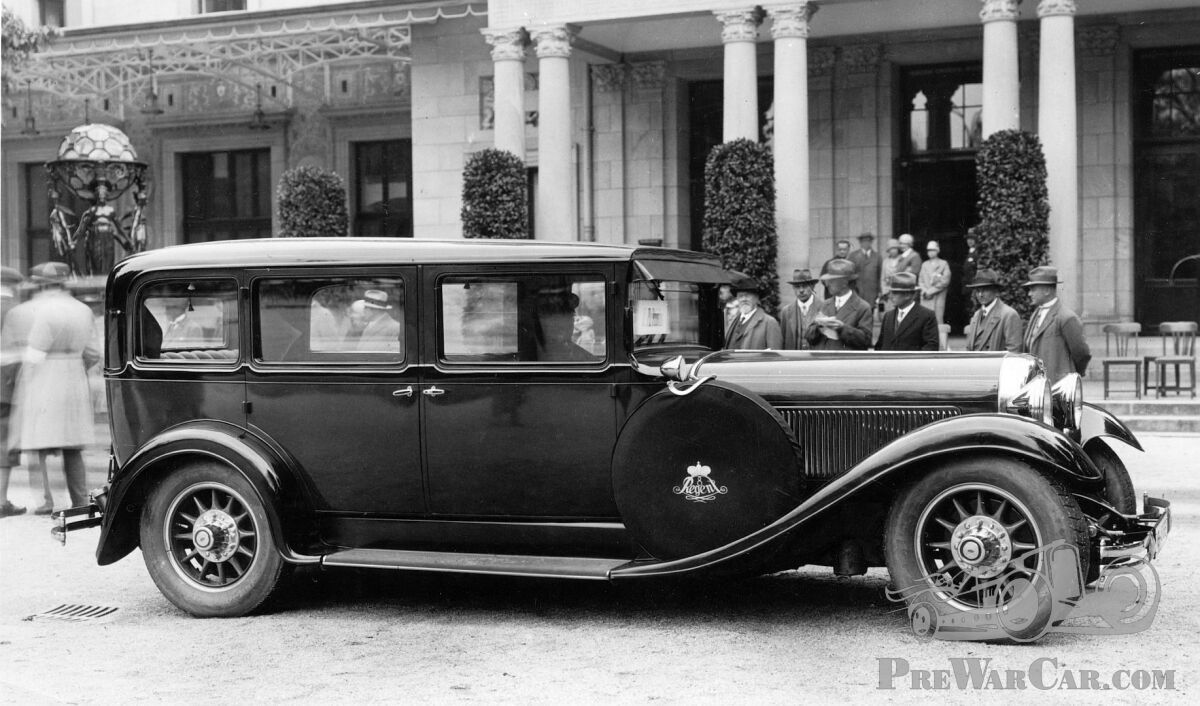
I doubt that GM regarded the eight-cylinder Opel as a menace for its own upmarket products. Opel had already tried in vain to compete against the flood of relatively cheap American six-cylinder models by launching the large 12/50 and 15/60 models introduced in 1927. Allegedly, they sold a few thousand of these until 1929 (although not a single one of them seems to have survived, which raises questions about the reliability of the figures), but on a global scale this was insignificant. At that time, no German manufacturer had the capacity and the competence to build luxury cars on a large scale; also, the famous Horch and Stoewer eight-clinder models were coachbuilt cars and hence extremely expensive. Interestingly, only very few photos showing an Opel "Regent" exist—I've attached a copy of a works photo showing a Pullman Sedan version.
Weiter lesen