Das weltweite Magazin und der Marktplatz für Oldtimer-Enthusiasten – von Enthusiasten.
Das weltweite Magazin und der Marktplatz für Oldtimer-Enthusiasten – von Enthusiasten.


Filter
Auswahl treffen
- Autos
-
Marke >>
-
Baujahr >>
-
-
Kategorie >>
-
Länder >>
- Motorräder
- Teile
-
Automarke >>
-
Hersteller >>
-
Kategorie >>
- Fahrräder
-
Baujahr >>
-
Länder



90 years of racing passion – the story of the Aston Martin LM2

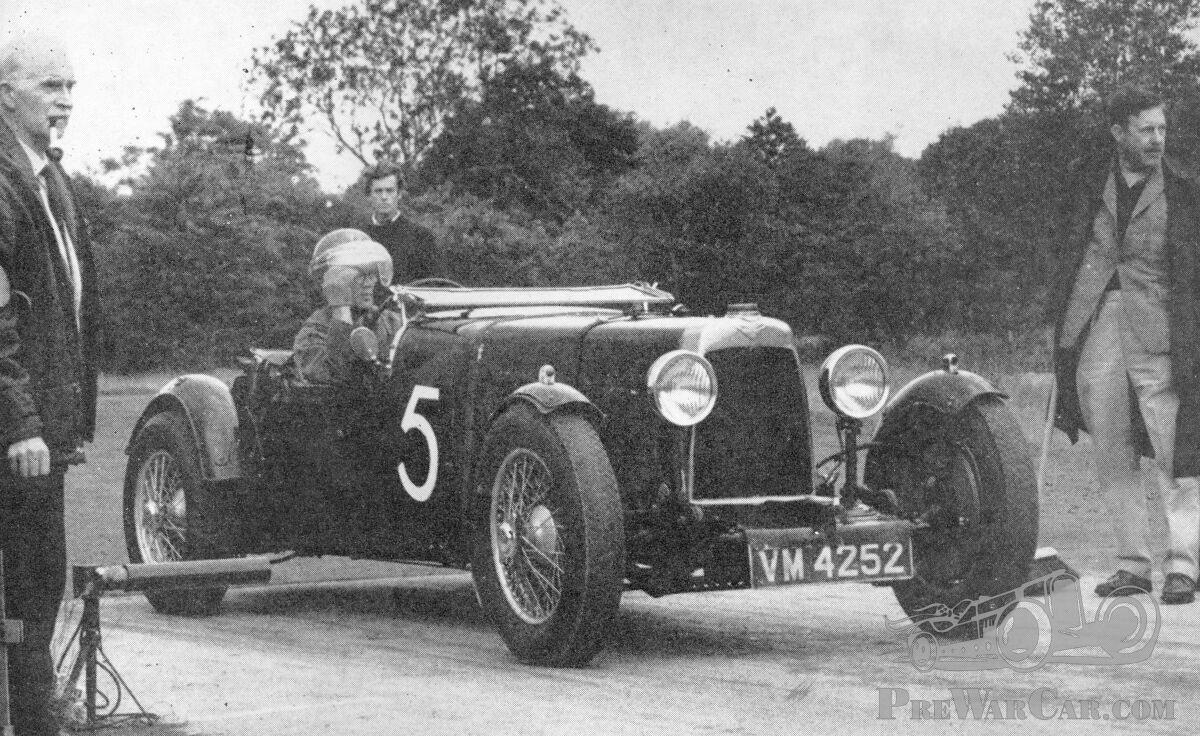

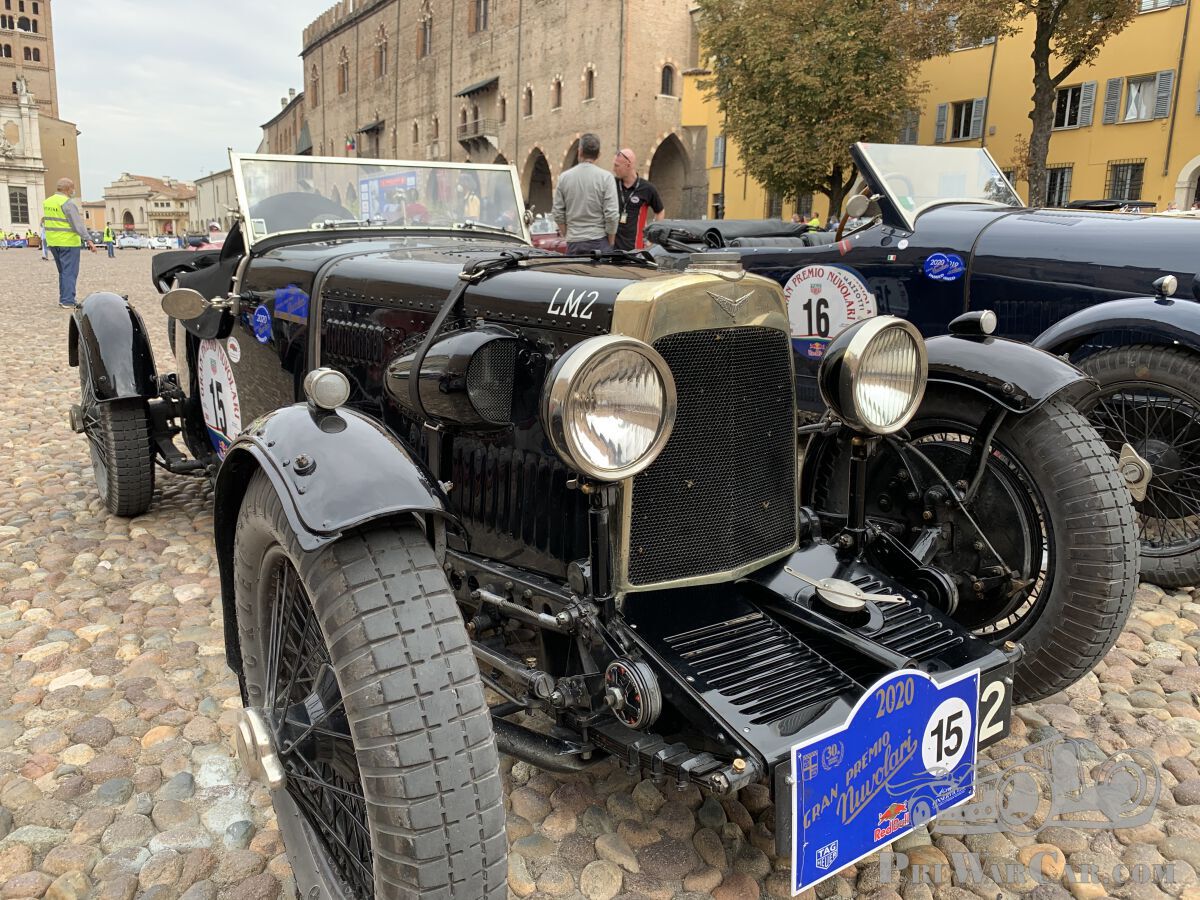
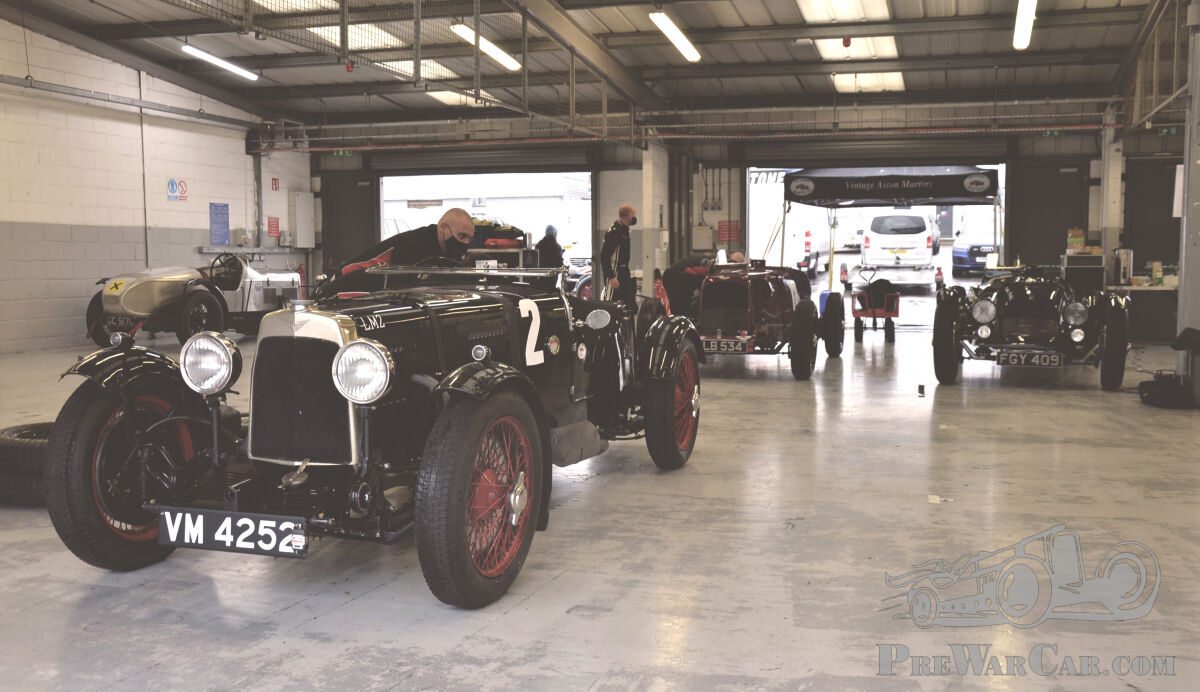
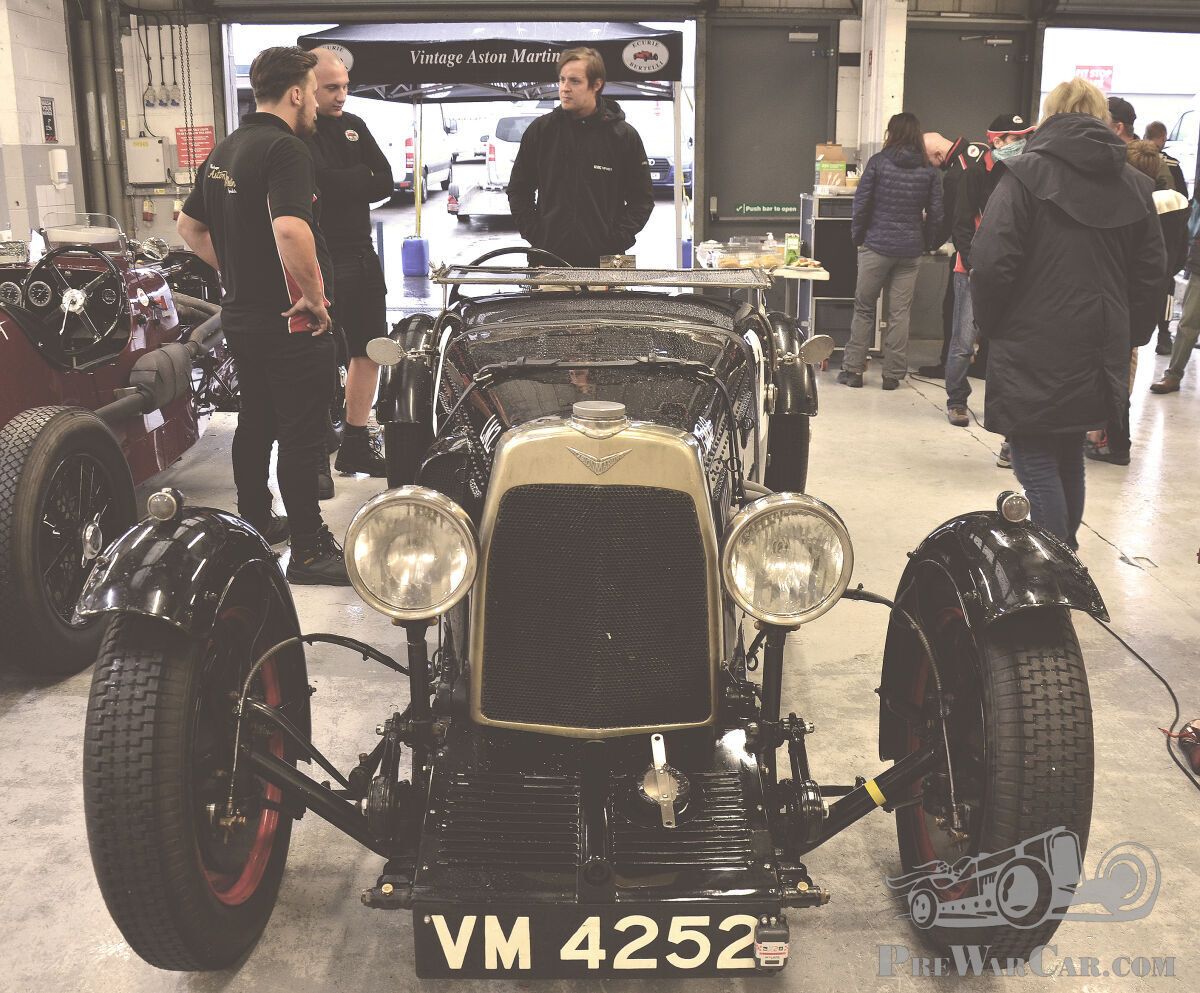



Augustus Cesare Bertelli, or simply ‘Bert’ to his colleagues, is a key figure in the early history of the Aston Martin marque. This Genoese-born designer, engineer and passionate racing driver emigrated to the UK from Italy as a small child with his family in the final years of the 19th Century. After the end of the First World War he quickly established a career as a talented engineering consultant, assisting companies such as Rover and Coventry Simplex.
Bertelli had motorsport in his blood though and when, in 1926, the opportunity came to join the board of what at the time was the newly-formed Aston Martin Motors Ltd, Bert jumped at the chance. Indeed he had bought the remains of the old Bamford & Martin company and, importantly, the name ‘Aston Martin’, with his business partner Bill Renwick.
Extremely keen for his Aston Martins to prove themselves in competition, Bertelli quickly saw no better opportunity than to showcase the cars at Le Mans – the most prestigious race event of the times.
LM1 & LM2
The race cars they built for this purpose were given a chassis number prefixed LM to distinguish them from production cars and so it was the LM1 and LM2 came into being in 1928. A total of 22 Team cars were birthed from the marque’s Feltham works in the spell between 1928 up to the outbreak of the Second World War.
As with its siblings, parts for LM2 were machined to remove weight. A hefty 6lbs was shaved off the front axle alone and other parts were made from lighter materials such as aluminium or Elektron - a magnesium-aluminium alloy - while some components were modified for better performance.
The company’s Team Cars were tested on an in-house dynamometer, or dyno, and generally had as much as 7-10% improved engine performance over standard production cars. Bertelli therefore reasoned that racing was the best way to improve his production cars.
LM2 was developed alongside LM1 for the 1928 race season and featured not only the lightened components but also a lightweight three-seater body. At its heart lay a 1.5-litre, four-cylinder engine.
The Works championed a dry sump engine design common to aircraft but rare on vehicles whereby the oil tank is mounted on the front of the chassis and concealed by a painted panel. This turned out to be highly effective, generating a handsome 63 bhp, helping to ensure that both team cars were competitive right from the start of their racing careers.
In their first year of competitive action both cars were driven over to Le Mans on the public road by the competitors themselves which was the norm for the period. Unfortunately, the rear axles on both vehicles collapsed en route just prior to arriving at Le Mans which necessitated emergency repairs.
In the race itself both cars retired, with LM1 having destroyed its rear axle after contact with a grass bank on lap 31 and LM2 suffering a broken gearbox after 18 hours. Nevertheless, the team was awarded the special Rudge-Whitworth prize of 1,000 Francs for the fastest cars over the first 20 laps, with an average speed of well over 60 mph. This was no small achievement for the newly formed company’s first venture into racing at Le Mans.
On its return to the UK, LM2 was then rebuilt and used as a Works demonstrator until the 1929 race season. LM2 and the newly-constructed LM3 were then entered for the new Double Twelve race at Brooklands. As PreWarCar.com readers will likely know, it is worth appreciating the differences between restrictions on racing in the UK compared to those in Europe.
Unlike in Europe, the UK did not permit public road races, nor did it allow road closures for the purposes of racing and, moreover, 24-hour races were not allowed.
The new venue at Brooklands was significant and prestigious because, as the world’s first purpose-built racetrack, it permitted race teams to compete on British soil rather than having to travel overseas. The Double Twelve was a 24-hour competition split into two 12-hour races to work around the troublesome 24-hour race ban.
Sadly again, LM2 retired (with engine troubles this time) but history had been made and today Aston Martin can trace its racing roots back to these charismatic and long-lived LM series cars.
LM2 in ownership of Bill Elwell Smith
After Brooklands, it again served as a Works demonstrator but there is scant, if any, competition history until it came under the ownership of well-known Aston Martin advocate Bill Elwell Smith in 1937. The story goes that after spirited haggling, Elwell Smith paid ‘something less than £55’ for the car but didn’t know quite what the battered and dirty Aston was, as it was buried under a ‘mass of junk’. He did drive it away though and once he discovered what he had, he began the process of completely rebuilding the car both before and after the war.
Elwell Smith also owned LM10 and he raced both cars over the decades spanning the 40s all the way through to the 70s. Amongst his non-track outings Elwell Smith took the car on various rallies, including the Land’s End Trial in 1954 starting at Virginia Water. Unsurprisingly, LM2 needed at least one engine rebuild and further mechanical attention during this time.
A surviving factory record sheet shows the car was also repaired after a ‘bad crash’ in 1932. It further records that LM2’s first owner, outside the Aston Martin business, was one S.J. Horsfall – a fantastic character in Aston Martin history who was a well-known and successful racing driver for the Works in the 1930s.
Back in action
Following Elwell Smith, the current owner is only LM2’s third in 75 years. Until recently, it had not been on the road for over a decade but in 2019 he arranged that LM2 receive a new Ecurie Bertelli-built engine, with the original stamped engine retained for provenance. Last year, he drove it all the way from the UK to Mantova in Lombardy for the 1,000 km route of the Gran Premio Nuvolari, before driving it all the way back to the UK afterwards.
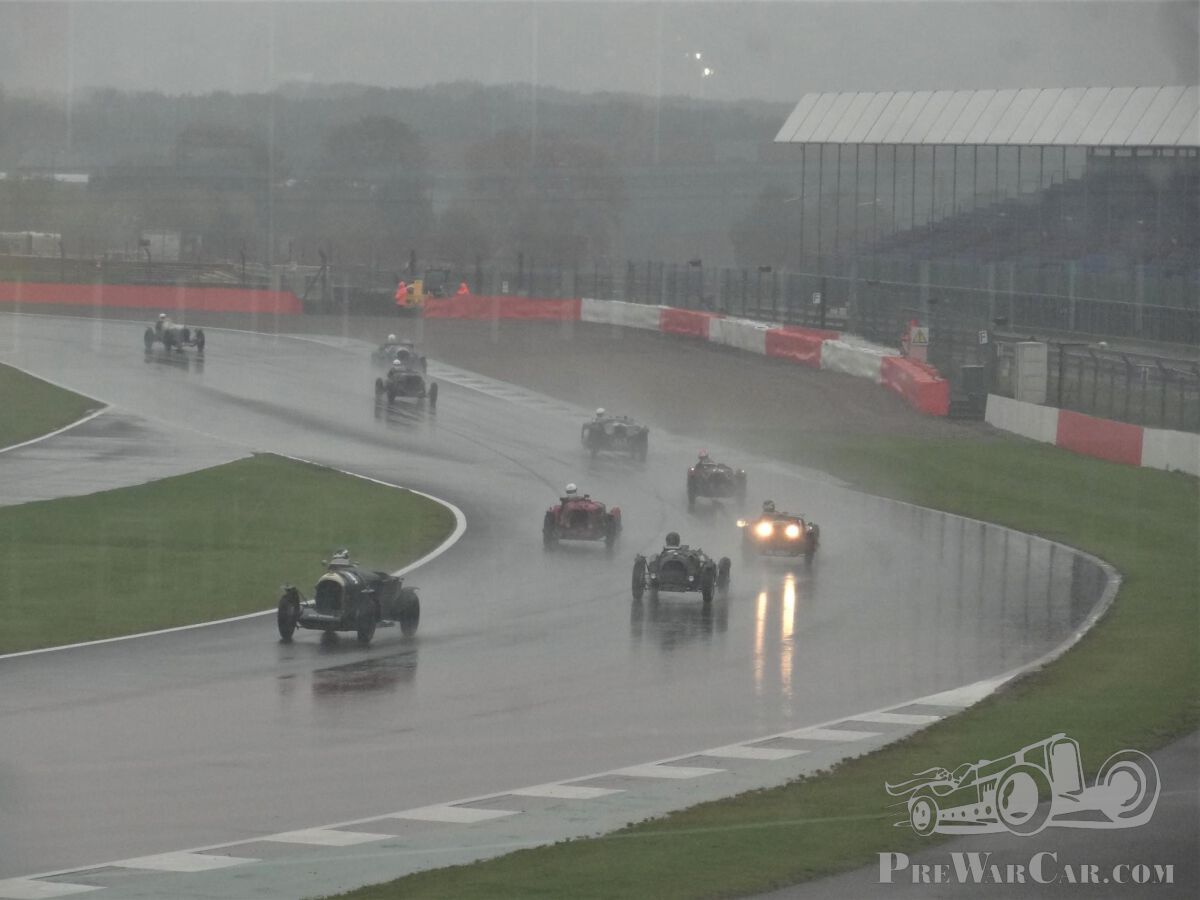
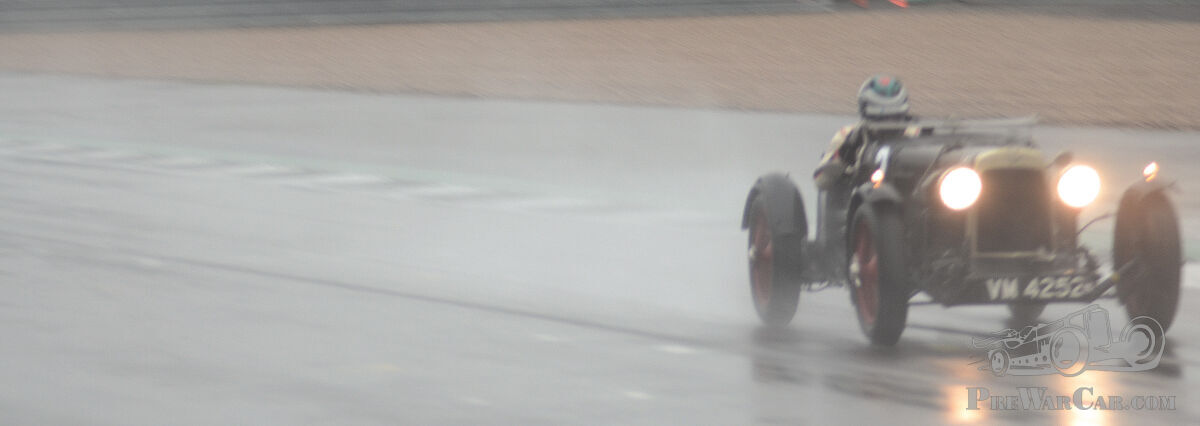
Within a week of its return, the car was prepped by Aston Martin Specialist Ecurie Bertelli for the AMOC’s landmark St John Horsfall race at Silverstone. In that rain-drenched race, LM2 was driven by 2015 Le Mans LMP2 winner Richard Bradley and, despite the wet, Richard and his father in an Ulster qualified 1st and 2nd on the grid. Conditions in the mixed marque race, which included larger-engined Bentleys, were tough and the race was a fantastic battle. Bradley senior retired on lap 3 with engine trouble and Richard moved up the field to see off all other competitors – except a 4.5-litre Bentley – whose driver by all accounts had to work very hard indeed to keep LM2 behind him!
LM2 is an integral piece in Aston Martin’s racing provenance. Covid-19 restrictions permitting, it is planned for the car to further add to its exceptional history and race pedigree by attending the Le Mans Classic this year as well as other track and rally events.
We would like to thank Ecurie Bertelli for the information and the old photographs. LM2 is not for sale. Click here to see all Aston Martin cars for sale in our online marketplace.
Photographs at Silverstone Circuit by Adam Gompertz.
Publiziert:
Donnerstag März 11th, 2021
Facebook
LinkedIn
Twitter
WhatsApp
Email
Copy